5 Essential Tips to Fix a Flat Head Fast
To fix a flat head without a helmet, parents can utilize gentle repositioning techniques, engage in specific exercises, and ensure proper sleep posture. These methods have proven effective in encouraging head shape correction in infants and toddlers, fostering symmetrical growth. Understanding the underlying causes of flat head syndrome is crucial, as it allows for targeted interventions that can promote optimal cranial development.
Understand the Causes of Flat Head Syndrome
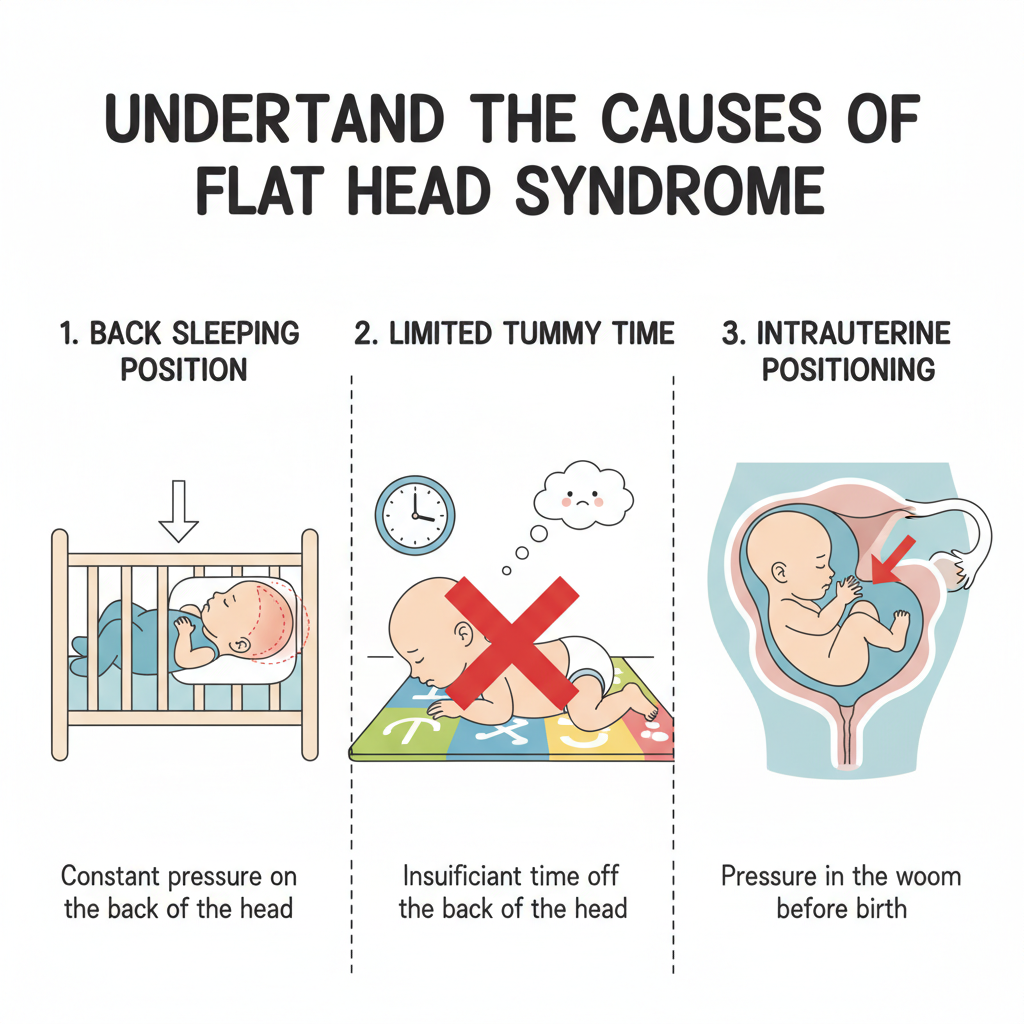
Flat head syndrome, also known as positional plagiocephaly, often occurs when a baby’s head develops a flat spot due to prolonged pressure on one area of the skull. One of the most common causes of this condition is sleeping positions; infants who consistently rest their heads in the same position may develop a flat area. Other contributing factors include limited tummy time, which is essential for neck and head strength, and developmental issues that may restrict head movement. Understanding these causes is vital for parents looking to implement effective strategies for correction. Acknowledging the risk factors can empower caregivers to take proactive steps in addressing and preventing flat head syndrome.
Repositioning Techniques
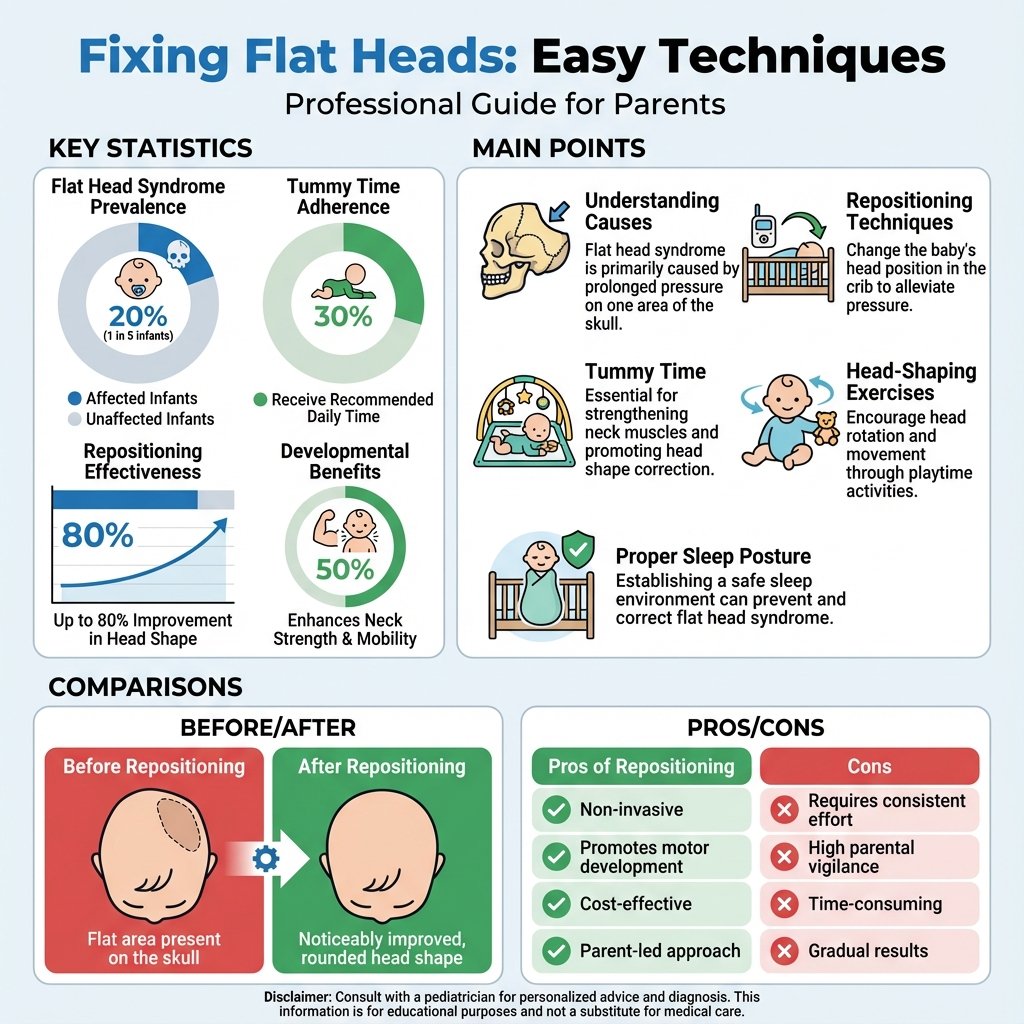
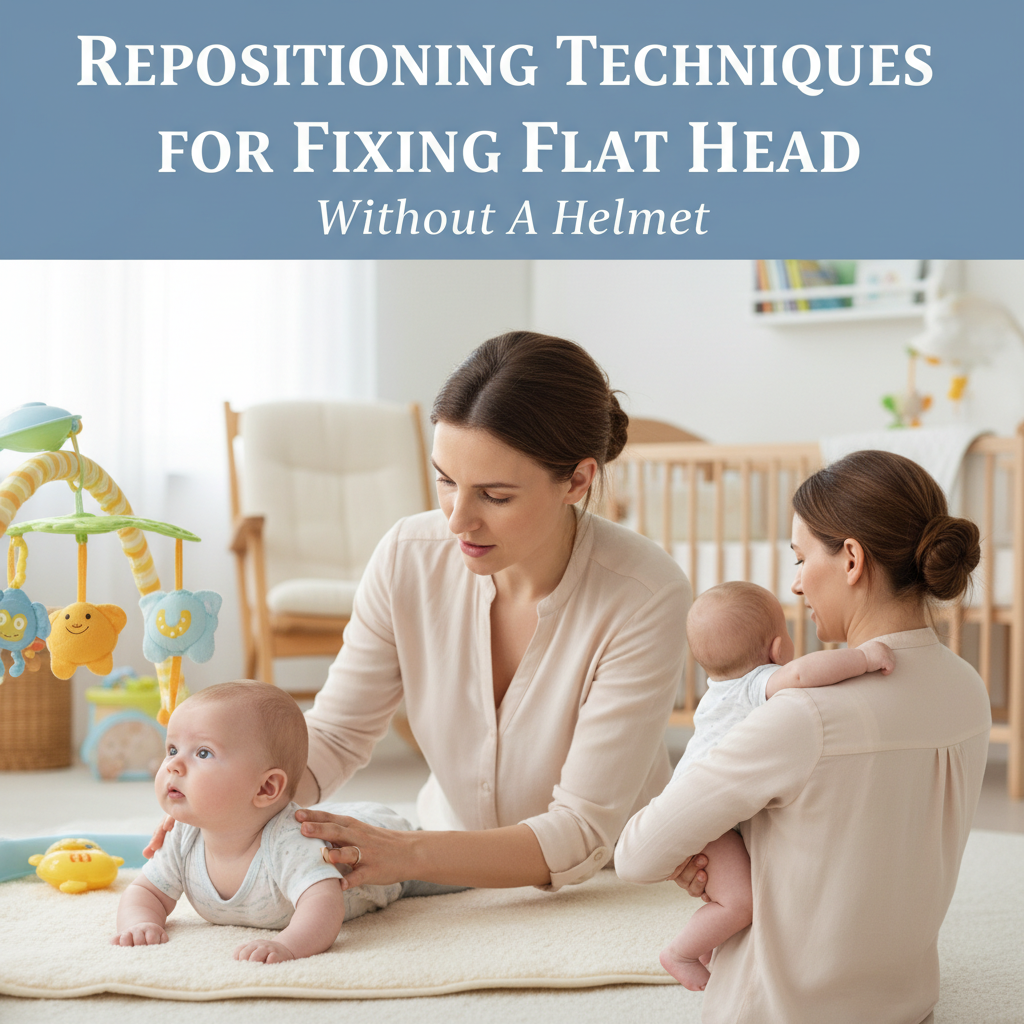
One of the most effective and immediate strategies to fix flat head syndrome is through regular repositioning. Parents can change their baby’s position during sleep by alternating the direction their head faces in the crib. For instance, placing the baby’s head at the opposite end of the crib from night to night can help prevent consistent pressure on one area. Additionally, utilizing a variety of play positions throughout the day is essential. Incorporating tummy time—where infants are placed on their stomachs while awake—encourages them to lift their heads and shift their positions naturally. This not only alleviates pressure on flat spots but also enhances overall motor development. Engaging in these repositioning techniques can significantly contribute to a more rounded head shape over time.
Engage in Head-Shaping Exercises
In addition to repositioning, specific head-shaping exercises can promote head rotation and improve neck strength. One effective exercise involves gently turning your baby’s head to alternate sides during playtime. This encourages the baby to explore their surroundings and prevents them from favoring one side. Another beneficial activity is “tummy time,” where caregivers can place toys just out of reach to motivate the baby to turn their head and reach for the objects. As the child grows, incorporating exercises that promote sitting up with support can also enhance neck mobility and strength. Activities such as these not only assist in correcting flat head syndrome but also play a crucial role in the overall physical development of the child.
Proper Sleep Posture
Establishing a proper sleep posture is critical in preventing flat head syndrome or correcting it. Parents should use a firm, flat sleep surface to ensure adequate support for the baby’s head and neck. While placing a baby on their back to sleep is the recommended position to reduce the risk of Sudden Infant Death Syndrome (SIDS), alternating their head position nightly can help mitigate pressure buildup on one side of the head. For instance, if the baby’s head is turned to the left one night, they should be positioned with their head turned to the right the next night. This simple adjustment can make a significant difference in promoting a more symmetrical head shape. Employing these sleep strategies can contribute to healthy cranial development during the formative months of life.
Consider a Pediatric Physical Therapist
If flat head syndrome persists despite implementing repositioning techniques and exercises, consulting a pediatric physical therapist may be beneficial. A professional can provide tailored exercises and strategies that are specific to your child’s needs. They can assess your baby’s range of motion and muscle tone and guide you through techniques that promote head shape correction. Physical therapists often employ methods that focus on improving muscle strength and coordination, which can enhance your child’s ability to move their head freely. Early intervention is key, and seeking expert advice can ensure that any underlying issues are addressed effectively, promoting healthy development.
Use of Special Pillows (With Caution)
Some parents consider using specially designed head-shaping pillows as a potential solution for flat head syndrome. However, it is essential to approach this option with caution. Before using any pillow or product, consulting a pediatrician is crucial to ensure safety and suitability for your child. Many pediatricians advise against using pillows for infants due to the risk of suffocation and the potential to impede natural head development. If a pediatrician approves the use of a special pillow, it should only be used under their guidance and as part of a comprehensive approach that includes other corrective measures. Parents should prioritize solutions that are safe and conducive to their child’s overall growth.
In summary, correcting a flat head without a helmet is achievable through strategic repositioning, engaging exercises, and proper sleep practices. Understanding the causes of flat head syndrome allows parents to implement effective interventions. For those concerned about their child’s head shape, seeking expert advice is a valuable step. By integrating these tips into your child’s daily routine, you can promote healthy cranial development and encourage a more symmetrical head shape. Start implementing these strategies today for the best results!
References
- https://www.mayoclinic.org/diseases-conditions/flat-head-syndrome/symptoms-causes/syc-20370263
- https://www.ncbi.nlm.nih.gov/pmc/articles/PMC5641746/
- https://www.healthychildren.org/English/health-issues/conditions/skin/Pages/Flat-Head-Syndrome.aspx
- https://www.cdc.gov/ncbddd/childdevelopment/positiveparenting/infants.html
- https://www.asha.org/public/speech/development/flat-head-syndrome/