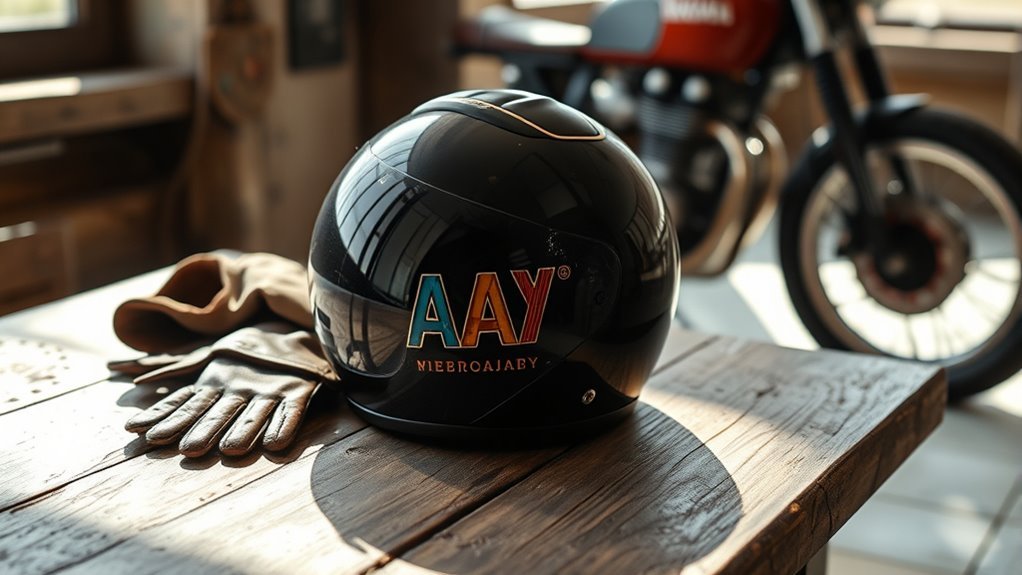
Choosing a Helmet for Cafe Racer Motorcycles
How to choose a helmet for a cafe racer: safety, fit, and certification come first
Choosing a helmet for cafe racer motorcycles is about aligning protection, comfort, and classic style without sacrificing performance. The safest option is the one that fits correctly and has passed recognized standards such as DOT, ECE (often ECE 22.06), or Snell.
Understanding cafe racer riding positions and how they affect helmet choice
Cafe racers typically involve a lower, more forward-leaning posture than upright cruiser riding, which changes airflow and how a helmet feels at speed. That matters for visor comfort, wind noise, neck load, and stability during longer rides.
The key difference is that cafe racer “fast cruising” often blends urban traffic, sustained highway speeds, and frequent helmet-on/helmet-off transitions. As a result, riders commonly prioritize aerodynamic noise control, effective ventilation, and a secure fit that remains stable when your head angle changes.
What does “fit” mean in a cafe racer context?
Fit is defined as how securely a helmet holds your head and distributes impact forces, not just how snug it feels when you first try it on. In practice, you should expect minimal lift at the crown, minimal side-to-side wobble, and a consistent seal around your cheeks and forehead.
- Low seating/forward lean: increases exposure to airflow patterns and can amplify wind noise if the helmet isn’t aerodynamically efficient.
- Frequent head turns: can reveal poor strap tension or cheek pad mismatch quickly.
- Long rides: make weight and pressure points more noticeable, especially along the temples and back of the skull.
Helmet types for cafe racers: full-face, three-quarter (3/4), and half-helmet
The most common cafe racer helmet styles are full-face, three-quarter (often called 3/4), and half helmets, each offering a different balance of coverage and comfort. The right type depends on how much facial protection you want, how often you ride at speed, and your tolerance for wind and noise.
Full-face helmets: maximum facial and chin protection
A full-face helmet is defined as a helmet that covers the entire head with a rigid chin bar and face shield. The key difference is that it typically provides the most comprehensive protection for the face and jawline, which is especially relevant in higher-speed rides.
- Best for: highway commuting, touring, and year-round riding where weather exposure is common.
- Common benefits: improved aerodynamics, reduced wind blast on the cheeks, and often better noise dampening.
- Common trade-off: can feel warmer in stop-and-go traffic unless ventilation is well designed.
Three-quarter (3/4) helmets: classic look with more coverage than half helmets
A three-quarter helmet is defined as a helmet that covers the crown and sides of the head while leaving the chin area partially exposed. The key difference is that it preserves a retro, cafe racer aesthetic while still providing more coverage than an open-face or half helmet.
- Best for: short to medium rides, moderate speeds, and riders who want the classic “open” feel.
- Watch-outs: chin protection is limited, so your risk management should include speed, road conditions, and weather.
Half helmets (half-face): retro style with the least facial coverage
A half helmet is defined as a helmet that covers the top of the head and sides while leaving the face and chin exposed. The key difference is that while it can be lightweight and visually iconic, it generally offers the lowest level of protection for the face in impact scenarios.
If you ride a cafe racer with a half helmet, consider additional risk controls such as riding speed discipline, protective eyewear, and selecting a model with high-quality materials and modern impact testing.
Helmet Style Trade-offs for Cafe Racer Riding (typical street specs)
| # | Helmet style | Typical weight (g) | Chin/face coverage | Ventilation (typical) | Wind noise comfort | Ride comfort reliability |
|---|---|---|---|---|---|---|
| 1 | Full-face street helmet | 1250–1650 | Chin bar + shield | 4–8 vents | ★★★★★ | ★★★★★ |
| 2 | Modular (flip-up) full-face | 1450–1850 | Chin bar (locked) + shield | 3–7 vents | ★★★★☆ | ★★★★☆ |
| 3 | Three-quarter (3/4) vintage street | 1050–1450 | No full chin bar | 2–6 vents | ★★★☆☆ | ★★★☆☆ |
| 4 | Half helmet (half-face) | 850–1150 | Top + sides only | 1–4 vents | ★★☆☆☆ | ★★☆☆☆ |
| 5 | Sport/road race full-face | 1150–1500 | Chin bar + shield | 5–10 vents | ★★★★☆ | ★★★★☆ |
| 6 | Touring full-face (long-ride focused) | 1350–1750 | Chin bar + shield | 3–8 vents | ★★★★☆ | ★★★★☆ |
| 7 | Budget-certified full-face (value builds) | 1200–1600 | Chin bar + shield | 3–6 vents | ★★★☆☆ | ★★★☆☆ |
Safety standards you can trust: DOT, ECE (22.06), and Snell
Certified helmets are not all the same, but credible standards help ensure a helmet performs reliably in real-world crash testing. For reliable selection, prioritize helmets labeled with recognized certifications such as DOT, ECE (including ECE 22.06), or Snell.
What DOT, ECE, and Snell actually signal
The key difference is that each certification program uses its own test methods and criteria, but all are designed to verify impact performance and basic safety characteristics. In general, widely accepted consensus is that a helmet’s safety value comes from whether it meets a credible standard and whether it fits correctly.
- DOT (U.S.) is defined as a certification issued through the U.S. Department of Transportation’s requirements for motorcycle helmets. Look for the DOT label inside the helmet.
- ECE (Europe) is defined as compliance with the Economic Commission for Europe standards for motorcycle helmets. ECE 22.06 is a newer generation of testing requirements that many riders reference when comparing modern helmets.
- Snell is defined as compliance with Snell Memorial Foundation testing protocols, which are known for specific, stringent evaluations.
Where to find certification labels
Certification labels are usually located inside the helmet shell or on a sticker near the liner. Always inspect the inside area before purchasing and verify that the label matches the size and model you are buying.
Conversation QA: “Do all helmets with a certification sticker feel equally safe?”
Not necessarily. Certification helps, but fit, condition, and design still matter. A certified helmet that is the wrong size can reduce protection by allowing movement during impact.
Key helmet features for cafe racers: ventilation, noise, weight, and visor comfort
Safety certification is essential, but comfort features determine whether you will wear the helmet consistently and comfortably on your cafe racer. Ventilation, noise reduction, and weight are the features most often noticed during real rides.
Ventilation systems for warm-weather riding
Ventilation is defined as the helmet’s ability to move air through intake and exhaust channels to reduce heat buildup. The key difference is that well-designed venting helps prevent visor fogging and keeps airflow comfortable at speed.
- Adjustable vents: look for intake vents you can open or close.
- Exhaust channels: airflow outlets behind the head improve cooling on longer rides.
- Fog management: some liners and vent layouts reduce condensation, improving visibility.
Noise reduction and wind management
Noise reduction is defined as how effectively a helmet limits wind turbulence and high-frequency roar. The key difference is that a quieter helmet improves concentration, especially on sustained highway segments.
- Seal quality: the cheek pad and interior liner should create a stable seal without discomfort.
- Shell design: more aerodynamic shells often reduce buffeting, particularly in the forward-leaning cafe posture.
- Visor fit: gaps around the visor can increase wind noise.
Weight and neck strain on longer rides
Helmet weight is defined as the total mass of the helmet you carry repeatedly, which directly affects neck fatigue on longer rides. The key difference is that even a modest weight increase can become noticeable over 60 to 120 minutes of riding.
When comparing models, prioritize a helmet that feels balanced rather than simply “light.” A helmet can be lightweight but poorly distributed, creating pressure points or causing more strain at the temples.
Strap security and retention system quality
The retention system is defined as the method used to secure the helmet to your head, typically through a chin strap and buckle mechanism. The key difference is that a stable retention system prevents helmet lift during impact and during normal riding vibration.
Before buying, check strap routing, buckle operation, and whether the strap lays flat without twisting. If the strap is uncomfortable or difficult to adjust, you are less likely to wear the helmet consistently.
How to measure helmet fit correctly (and avoid common mistakes)
A properly fitted helmet is the most important variable you control, and small errors can significantly reduce protection. Fit should be checked in person whenever possible, even if you already know your size.
Step-by-step fit checklist
Use this checklist every time you try a new helmet size or model.
- Measure head circumference: measure around the widest part of your head, typically above the eyebrows and around the back of the skull.
- Choose the correct size first: the helmet should feel secure when new, not painful. Many liners “break in” after several rides.
- Check cheek pressure: cheeks should feel snug, with no loose gaps when you talk or turn your head.
- Perform a “shake test”: gently move your head side-to-side and up-and-down; the helmet should not shift excessively.
- Confirm eye/visor alignment: the helmet should position your eyes comfortably for visor use, without a constant need to adjust your posture.
Common fit mistakes cafe racer riders make
Cafe racers often prefer a snug, low-profile feel, but pushing too tight can create pressure points or headaches. The key difference is that comfort pressure should be even and temporary, not sharp and persistent.
- Buying by brand size only: sizes vary across manufacturers.
- Skipping chin strap testing: a helmet can feel fine until the strap is closed.
- Assuming break-in will fix everything: if it pinches immediately in a concentrated spot, it may never become comfortable enough to wear.
Conversation QA: “Should a helmet be tight right away?”
A helmet should feel snug and secure immediately, but it should not cause severe pain or numbness. If discomfort is extreme in one area, select a different size or shell shape.
Style and materials: achieving a vintage cafe racer look safely
Vintage aesthetics can coexist with modern safety engineering, and you do not need to choose style over protection. The goal is to select a helmet that offers the classic silhouette while meeting credible certification and delivering a secure fit.
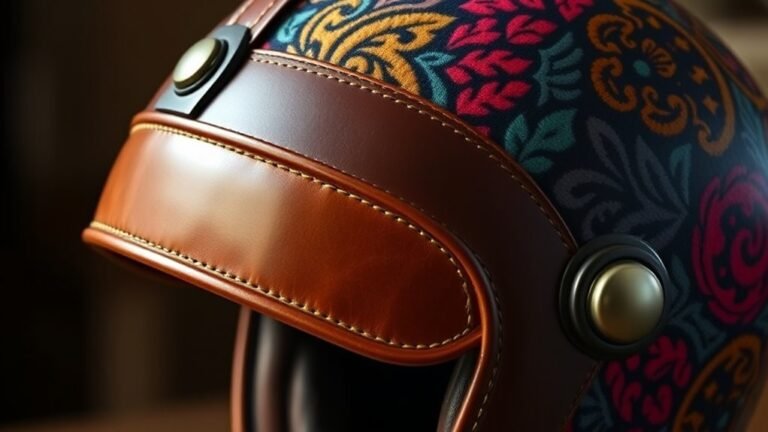
When you evaluate style cues such as retro paint, vintage pinstripes, and classic visor shapes, treat them as secondary to safety certification and fit. Many riders choose modern shells that visually match their cafe racer heritage while using current standards for impact performance.
What to look for in vintage-inspired helmet builds
- Modern certification compliance: confirm DOT, ECE 22.06, or Snell labels.
- Quality visor hardware: a well-built visor hinge reduces rattling and improves noise comfort.
- Interior padding: removable, washable liners help hygiene and long-term fit consistency.
- Secure face protection (if open): for open-face or half-face riders, wear appropriate eye protection to reduce wind and debris exposure.
Recommended helmet selection workflow for cafe racer riders
Use a repeatable process to choose the right helmet for your cafe racer, instead of relying on appearance alone. A structured workflow improves the odds of getting both safety and comfort.
Quick decision steps
- Choose your coverage level: full-face, 3/4, or half, based on how you ride and your tolerance for exposed facial protection.
- Verify certifications: look for DOT, ECE (including 22.06), or Snell labels inside the helmet.
- Prioritize fit testing: check cheek comfort, strap stability, and helmet movement with gentle head motion.
- Evaluate ride comfort: assess ventilation, wind noise, and visor alignment in the conditions you ride most.
- Confirm practicality: ensure the helmet is easy to adjust, clean, and maintain.
Conversation QA: “Is a half helmet acceptable for cafe racer riding?”
It can be, but it typically provides less facial and chin protection than a 3/4 or full-face helmet. If you choose a half helmet, increase your risk controls by using quality eye protection, managing speed, and selecting a model that meets credible safety standards.
FAQs about cafe racer helmet choice
What certification should I choose for the best protection?
For many riders, credible choices include DOT, ECE (including the modern ECE 22.06 standard), and Snell. The best option is the one you can wear comfortably and that passes a recognized certification, with a proper fit.
How often should I replace my motorcycle helmet?
Helmet replacement depends on damage, age, and condition. A helmet that has been involved in a crash should be replaced, and liners that degrade or no longer hold a secure fit are also reasons to upgrade.
Will a quieter helmet reduce fatigue?
Yes. Reduced wind noise can help you stay focused and reduce perceived fatigue during longer sessions, especially when your cafe racer posture increases wind exposure.
Conclusion: the best cafe racer helmet is the one that fits, protects, and you actually wear
Choosing a helmet for cafe racer motorcycles becomes simple when you treat certification, fit, and ride comfort as non-negotiables. Pick the helmet type that matches your riding style, verify standards like DOT, ECE 22.06, or Snell, and confirm a secure fit before you commit.
If you want the classic cafe racer look, you can still ride with modern protection by selecting a helmet that blends vintage-inspired design with today’s safety engineering and properly matched interior padding.
Frequently Asked Questions: Choosing a Helmet for Cafe Racer Motorcycles
What type of helmet is best for a cafe racer motorcycle?
If you prefer a classic look or want maximum airflow, a well-fitting three-quarter/“vintage” helmet can be an option—but only if it still meets modern safety standards and fits correctly. Many riders on cafe racers choose a full-face helmet with a retro aesthetic (e.g., visor shape and graphics that match the bike’s style) to balance safety with the timeless cafe vibe.
In general, prioritize: (1) correct fit, (2) certification to a recognized standard, and (3) features that improve comfort and stability (chin strap comfort, anti-buff lining, proper ventilation).
Which helmet safety rating should I look for?
When comparing helmets, don’t only rely on “marketing” language like “meets safety standards.” Verify the actual label or sticker on the helmet box and shell. Also check whether the helmet is designed for your use: street helmets typically include different testing and retention requirements than off-road helmets.
Finally, consider helmet condition and age. Even if a helmet is certified, an older helmet (especially one involved in any impact) can lose protective integrity. Replace helmets after a crash or if the manufacturer indicates an age limit or damage.
How do I know my helmet fits correctly?
1) Comfort & pressure points: The helmet should feel snug without creating painful hotspots after several minutes. Minor pressure early on may improve with break-in, but sharp or persistent pain is a red flag.
2) Side-to-side stability: With the helmet buckled, gently try to move it left/right and up/down. It shouldn’t shift noticeably. If it slides, it’s likely too loose.
3) Cheek/face contact: Your cheeks should be held securely, and you shouldn’t feel excessive gap movement. If your cheeks are loose, you may get more movement in a crash.
4) Chin strap position: The strap should sit comfortably and securely under your chin without twisting. A secure retention system is critical.
5) Eye port alignment (for full-face helmets): When you’re wearing the helmet, the visor should sit correctly in front of your eyes—no awkward tilting.
If possible, try helmets on later in the day when your head is slightly larger, and wear any eyewear you typically use. If your helmet uses removable liners, confirm they’re present and properly installed.
Is a flip-up (modular) helmet suitable for cafe racer riding?
What to consider:
– Locking mechanism: Ensure the chin bar locks securely in the down position. Some riders prefer models with robust, easy-to-check locking systems.
– Weight: Modular helmets often weigh more than comparable full-face helmets. If you feel neck fatigue on longer rides, choose a lighter model.
– Aerodynamics and noise: Street helmets are tuned differently, but modular helmets can create additional airflow noise around the chin bar area.
– Safety certification specifics: Confirm whether the helmet is certified for open-face/“open” riding modes (if applicable in your region). Many riders choose to ride with the chin bar down for maximum protection.
If you want a classic cafe look, many modular helmets now come in retro colorways and visor styles. The key is to prioritize verified certification and a fit that doesn’t shift when the chin bar is down.
What helmet features matter most for comfort and visibility on a cafe racer?
1) Ventilation: Look for effective airflow channels and adjustable vents that work in your climate. Good ventilation helps reduce fogging and improves long-ride comfort.
2) Anti-fog and visor options: A quality face shield with anti-scratch coating and anti-fog performance reduces distraction. Some riders prefer tear-off posts or quick-swap visors for changing light conditions.
3) Visor fit and sealing: A visor that seals well reduces wind buffeting—particularly helpful if you use a lower windshield or ride in different weather.
4) Weight distribution: A helmet that feels balanced will be more comfortable in a forward-leaning cafe riding posture.
5) Removable/washable liner: Sweat and grime are inevitable. Removable liners keep hygiene high and can help maintain the “like-new” feel.
6) Eyewear compatibility: If you wear glasses, make sure the helmet’s cheek pads allow comfortable temple clearance. Otherwise, glasses may create pressure points.
7) Communication compatibility: If you use a headset, check for internal speaker pockets and microphone routing options.
Also consider practicality: easy-to-use straps, clear visor release mechanisms, and helmet bags/storage to prevent abrasion. Finally, always pair your helmet with a properly functioning visor and keep it clean for best visibility.
References
- [B] Motorcycle touring Google Scholar
https://books.google.com/books?hl=en&lr=&id=x-Vfkknpi40C&oi=fnd&pg=PA8&dq=Choosing+a+Helmet+for+Cafe+Racer+Motorcycles&ots=BCY5dUqid6&sig=eI-RDl2wlBa1wIDg61F6kmwFfqQ - TWO-CYLINDER ODYSSEY: A STUDY OF MOTORCYCLE TRAVEL LITERATURE Google Scholar
https://www.academia.edu/download/79555065/URN_NBN_fi_jyu-201305021535.pdf - [B] Tales of Triumph Motorcycles & the Meriden Factory Google Scholar
https://books.google.com/books?hl=en&lr=&id=ldIjEQAAQBAJ&oi=fnd&pg=PT37&dq=Choosing+a+Helmet+for+Cafe+Racer+Motorcycles&ots=gTSYj-Xvpe&sig=tCGruBzepHda458N_cgkm59OhCA - Anarchism café racer Google Scholar
https://repozytorium.uni.wroc.pl/Content/89770/PDF/Antonow_R_Anarchism_cafe_racer.pdf - Squaring the one percent: biker style and the selling of cultural resistance Google Scholar
https://www.taylorfrancis.com/chapters/edit/10.4324/9781315095202-20/squaring-one-percent-biker-style-selling-cultural-resistance-stephen-lyng-mitchell-bracey
📅 Last Updated: July 07, 2026 | Topic: Choosing a Helmet for Cafe Racer Motorcycles | Content verified for accuracy and freshness.