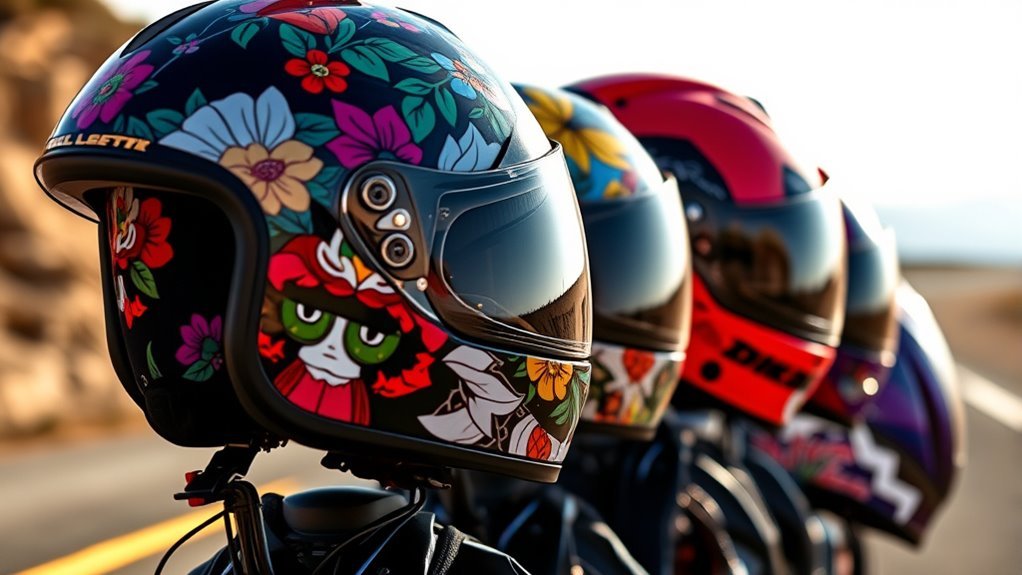
Motorcycle Helmets for Women Riders
How to choose the right motorcycle helmet for women riders
Choosing the best motorcycle helmet for women riders starts with two non-negotiables: a certified safety standard and a fit that seals correctly around your head and cheeks. When those are right, you can optimize comfort, ventilation, and style without sacrificing protection.
Proper fit is the foundation of helmet safety for women riders
A helmet can be certified and still fail to protect you if it doesn’t fit properly. Proper fit is defined as the helmet making consistent contact without pressure points, while keeping the retention system snug and stable during normal head movements.
How a “correct fit” should feel
The key difference between a merely sized helmet and a truly fitted helmet is how it behaves when you move. A correctly fitting motorcycle helmet for women should stay in place when you turn your head side to side, without creating gaps at the brow or lifting at the crown.
- Cheek contact: You should feel gentle, even pressure on the cheeks once the helmet is buckled, typically within the first few minutes of wearing.
- No head rocking: The helmet should not slide around when you look up, down, or over your shoulder.
- Jaw comfort: For full-face helmets, the chin area should not pinch or push your jaw upward.
- Glasses compatibility: If you wear eyewear, the helmet pads should not create pressure behind the ears or temples.
Common fit mistakes to avoid
Many fit issues come from sizing assumptions rather than real measurement. A widely accepted approach in helmet fitting is to measure head circumference and then confirm fit in-store with padding checks and retention stability tests.
- Going too large: Excess space increases movement in a crash, reducing the helmet’s ability to manage impact forces.
- Ignoring forehead pressure: If the brow area is overly tight or creates a “hot spot,” consider a different shape (shell/pad configuration), not just a different size.
- Skipping buckle tension: A retention system that is too loose can allow helmet shifting.
Quick QA: How do you measure head size accurately?
Q: How do I measure my head for a motorcycle helmet?
A: Measure around the widest part of your head, typically about 1 inch (2.5 cm) above the eyebrows, using a flexible tape. Then compare to the brand’s size chart. Because head shapes vary, confirmation of fit in the actual helmet matters as much as the measurement.
Helmet Size Guide by Head Circumference (Common Ranges, Inches & cm)
| # | Helmet Size Label | Head Circumference (in) | Head Circumference (cm) | Fit Confidence for Accurate Measurement |
|---|---|---|---|---|
| 1 | XS | 20.5–21.3 | 52–54 | ★★★ ★ |
| 2 | S | 21.3–22.0 | 54–56 | ★★★★☆ |
| 3 | M | 22.0–22.8 | 56–58 | ★★★★☆ |
| 4 | L | 22.8–23.6 | 58–60 | ★★★★☆ |
| 5 | XL | 23.6–24.4 | 60–62 | ★★★ ★ |
| 6 | XXL | 24.4–25.2 | 62–64 | ★★★ ★ |
| 7 | XXXL | 25.2–26.0 | 64–66 | ★★★☆ |
Safety standards that matter: DOT, ECE 22.06, and Snell
Helmet certification is defined as the testing and approval a product receives under recognized standards for impact, penetration, and retention performance. For women riders, choosing a helmet that meets high-visibility standards like DOT, ECE 22.06, or Snell is one of the most reliable ways to protect yourself.
What the major standards mean in practice
The key difference among common standards is the testing framework and how rigor is applied across impact conditions. Although all three are designed to improve protection, consumers often look for the newest and most widely enforced versions.
- DOT (U.S.): DOT certification indicates compliance with Federal Motor Vehicle Safety Standard (FMVSS) requirements. DOT is common in the United States.
- ECE 22.06 (Europe): ECE 22.06 is the newest generation certification widely referenced by manufacturers and rider communities. The “22.06” update reflects modern testing protocols.
- Snell: Snell is defined as an independent testing and certification program known for rigorous evaluation. Snell certifications are often sought by riders who prioritize conservative performance expectations.
When certification labels are not enough
Even with certification, the helmet must fit correctly and remain secure. The retention system is defined as the mechanism that keeps the helmet on your head during an impact, and it should be tightened according to the manufacturer’s instructions.
Quick QA: What’s the best helmet certification to look for?
Q: Is DOT or ECE better?
A: In many rider and safety discussions, ECE 22.06 is frequently recommended because it represents a more recent testing standard. However, any helmet that meets a recognized standard is generally preferable to an uncertified option. If you can choose, prioritize ECE 22.06, DOT, or Snell—then confirm the fit.
Impact protection features: shell materials, EPS, and retention
Impact protection is defined as the helmet’s ability to manage forces during a crash through structured design and energy-absorbing layers. The most trusted helmets combine a strong outer shell with an inner EPS (expanded polystyrene) liner that helps reduce transmitted impact energy.
Shell material and why it affects performance
The shell is defined as the outer structure that helps distribute impact forces and resist penetration. Common materials include polycarbonate, fiberglass composites, and advanced composite blends.
- Polycarbonate: Often used for value-focused models; it can be durable and relatively lightweight.
- Fiberglass and composite shells: Common in performance-oriented helmets, often balancing weight and structural rigidity.
EPS liner and energy management
The EPS liner is the primary energy-absorbing layer. In most modern full-face and modular helmets, EPS is designed to deform progressively under load. This progressive compression is part of why proper fit matters: the liner must maintain consistent position relative to your head.
Retention system: the buckle that should not slip
For many riders, the retention system is the difference between a helmet staying put and a helmet shifting. Many high-performance helmets use a double D-ring or a premium micro-ratcheting buckle system; either can work when adjusted correctly.
Quick QA: How tight should the chin strap be?
Q: How do I know the helmet strap is tight enough?
A: Buckle the helmet and ensure it sits securely. As a rule of thumb commonly used in rider fitting, you should be able to open the mouth slightly without the helmet loosening, and the strap should prevent the helmet from lifting when you pull upward gently. Always follow the manufacturer’s strap-adjustment instructions.
Ventilation and weight: comfort features that reduce fatigue
Ventilation and helmet weight are defined as factors that directly influence rider comfort over time, especially during warm-weather riding or long commutes. A helmet that breathes well can improve concentration and reduce fatigue, which supports safer riding decisions.
What good ventilation looks like
Effective airflow usually combines front intake vents and rear exhaust vents, designed to create a pressure flow path through the helmet interior. Many helmets also include removable or washable liners to manage moisture.
- Multiple intake vents: Helps regulate airflow across the face shield and brow region.
- Exhaust vents: Improves heat escape and reduces fogging in many conditions.
- Removable liners: Supports hygiene and long-term comfort.
Weight targets: why “light” is meaningful
Weight varies widely by model, shell construction, and whether you choose a full-face, modular, or open-face helmet. As a practical selection lens, many riders prefer helmets in the sub-3 lb range (roughly under 1.4 kg) when possible, particularly for all-day wear. However, fit, certification, and protection should always come first; a slightly heavier helmet with a perfect fit often outperforms a lighter helmet that pinches or shifts.
Quick QA: Will ventilation help with fogging?
Q: Can better ventilation reduce visor fog?
A: Yes. While fogging depends on humidity and temperature, helmets with strong intake and exhaust airflow, plus quality face seals, typically help reduce moisture buildup. Many riders also use anti-fog coatings or anti-fog sprays compatible with their visor material.
Helmet styles that suit women riders: full-face, modular, and open-face
Motorcycle helmet style is defined as the physical coverage and opening mechanism that affects protection, usability, and convenience. Women riders often choose based on commuting needs, touring routes, and preferences for facial protection.
Full-face helmets: maximum coverage
Full-face helmets are designed to cover the entire head and include a rigid face shield. The closed design is typically associated with strong protection for the jaw and face, which is why they are a top choice for highway riding and touring.
Modular helmets: convenience with full-face design
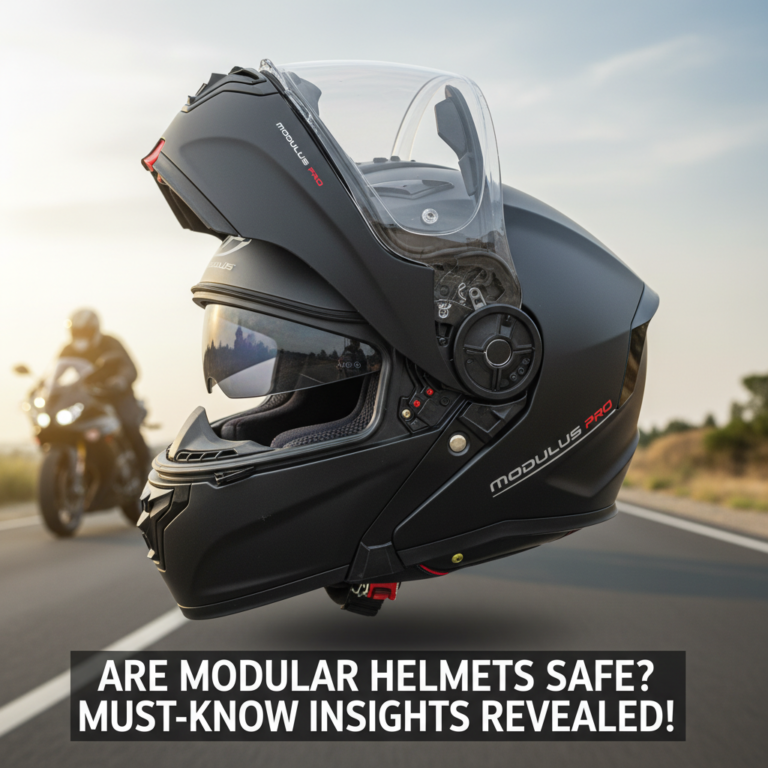
Modular helmets (also called flip-up helmets) combine full-face coverage with a chin bar that can lift. The key difference is convenience: you can eat, drink, or communicate without removing the helmet, while still wearing the face shield down during riding.
Open-face helmets: minimal coverage with a different risk profile
Open-face helmets provide partial facial exposure and rely on a face shield or goggles for eye and debris protection. Many riders choose open-face designs for local roads and warm weather, but the trade-off is reduced facial and chin protection compared to full-face configurations.
Style and personalization without compromising safety
Style is defined as the visual and comfort customization options that help you enjoy riding more. For women riders, modern motorcycle helmets offer designs in a wide range of colors, graphics, and finishes, including matte, gloss, and textured surfaces.
How to personalize safely
Customization can be fun, but it should never interfere with fit, ventilation, or certification markings. Avoid aftermarket additions that cover vent openings or alter the helmet’s structural surfaces.
- Swap accessories: Consider compatible cheek pads or liners offered by the brand for better fit tuning.
- Choose visual finishes: Many brands offer different graphic packs, colorways, and specialty editions.
- Use safe visor options: Stick to visors and anti-fog solutions designed for your model.
Trusted brands and what they signal
Brands such as Bell, Shoei, AGV, Arai, and Scorpion are commonly discussed among riders for build quality, model variety, and consistent safety engineering. The most important point is that brand reputation should support your decision, not replace fit and certification checks.
Fit by head shape: why “same size” can still feel wrong
Helmet sizing is defined as the manufacturer’s measurement-to-fit mapping, which varies by head shape profiles. Two helmets labeled “medium” can feel different because of pad geometry and shell contours.
What to look for when a helmet doesn’t match your head shape
If you get pressure points or gaps, don’t assume the size is wrong. Often, the helmet’s head-shape profile is the real issue.
- Oval vs. round profiles: Many companies produce different internal shapes even within the same size.
- Cheek pad thickness: Cheek pads can sometimes be swapped or selected through model-specific kits.
- Chin bar comfort: Modular and full-face helmets may differ substantially in chin clearance and padding.
Quick QA: Can I adjust fit after buying?
Q: If the helmet is close but not perfect, can I fix it?
A: Many riders improve fit through the right liner or cheek-pad configuration, but the helmet should still pass the core fit tests (no shifting, secure retention, no excessive gaps). If it rocks or the strap cannot secure properly, consider a different model or size rather than relying on heavy modifications.
Top purchase checklist for women riders
A practical helmet-buying checklist helps you avoid common mistakes and focus on protection-first decisions. Use this shortlist as a final verification before you commit.
- Certification: Look for recognized standards such as ECE 22.06, DOT, or Snell on the helmet label.
- Fit test: Confirm snug contact, no rocking, and stable positioning with the buckle tightened.
- Ventilation: Check intake and exhaust vent design and ensure removable liners if you ride in humid climates.
- Helmet style: Choose full-face, modular, or open-face based on your road type and comfort priorities.
- Weight and balance: Prioritize comfort for long rides, but never downgrade safety for slight weight savings.
- Eye protection: Ensure your visor/face shield system works for your typical riding conditions and reduces fogging.
Frequently asked questions about motorcycle helmets for women riders
Do women riders need different helmets than men?
Women riders typically do not need “women-only” safety science, but they often benefit from helmets built for smaller or different head shapes, thinner cheek pads, and better pad geometry. Helmet sizing variations and comfort tuning are where differences frequently matter.
How often should I replace my motorcycle helmet?
Helmets should be replaced if they have been involved in a crash, show visible damage, or approach the manufacturer’s recommended service life. Many safety-focused discussions suggest replacement after a set number of years even without crashes, because materials can degrade over time due to heat, UV exposure, and daily wear.
Should I prioritize full-face or modular for commuting?
Full-face helmets are often the strongest choice for commuting because they provide consistent facial and chin protection. Modular helmets can be an excellent convenience option if you ride in traffic and want a flip-up capability, but only if the model’s design still delivers secure fit and proper retention.
Conclusion: choose certified protection, then dial in comfort and style
The best motorcycle helmet for women riders is the one that is certified for impact protection and fits you correctly without shifting. Once certification and fit are locked in, ventilation, weight, and style choices help you ride longer, feel more comfortable, and stay confident on every journey.
Frequently Asked Questions: Motorcycle Helmets for Women Riders
How do I choose the right helmet size and fit if I have a smaller head?
Choosing the right helmet size is mostly about measuring head circumference correctly and then matching that measurement to the manufacturer’s size chart. Start by measuring around your head where the helmet will sit—typically just above the eyebrows and around the widest part of the head. Use a soft measuring tape and keep it level.
Once you’ve got your measurement, compare it to the brand’s sizing chart (sizes can vary between brands). Pay close attention to the fit shape too: many helmets come in different shell/fit profiles (for example, neutral, oval, intermediate-oval). If you know your head shape, you can narrow your choices faster.
A properly fitting helmet should feel snug when you put it on. You should not be able to rotate the helmet freely using your hands. After fastening the chin strap, check for:
- Pressure points that don’t resolve after a short break-in period
- Lift at the sides or back when you move your head
- Gaping around the cheeks or forehead
- Excessive movement once buckled
What safety certifications should I look for in a women’s motorcycle helmet?
Look for helmets that meet recognized safety standards in your region. In many markets, that includes certifications such as DOT (commonly US), ECE (common in Europe and widely respected), and sometimes Snell (stricter testing in some cases). Always verify the certification label is present on the helmet and/or the packaging.
Certifications are important, but so is the helmet’s construction and testing quality. Prioritize:
- Full coverage (the helmet should sit level and fully cover the head)
- Quality retention system (chin strap and buckle that secure firmly)
- Proper fit (a certified helmet that’s loose or incorrect won’t protect well)
- Good ventilation and anti-fog visibility (comfort and clear vision reduce riding distractions)
Do I need a “women’s” helmet, or will any helmet fit my needs?
You don’t necessarily need a helmet marketed specifically as “women’s.” The most important factor is fit, not gender. However, many women riders find “women’s” helmet models helpful because they are often designed to accommodate smaller head sizes and may come in fit shapes that work well for a wider range of facial features.
A “women’s” helmet can make shopping easier, but you should still evaluate:
- Head circumference sizing and the brand’s size chart
- Shell/fit profile (neutral vs. oval/intermediate)
- Cheek pad shape and comfort around the jawline
- Weight and balance for long rides
- Chin strap adjustment to avoid looseness
What helmet features matter most for comfort and long rides?
Comfort is not just “nice to have”—it helps you ride longer and safer by keeping your attention on the road. For long rides, consider these high-impact features:
- Ventilation: Look for effective intake/exhaust vents and airflow paths that reduce heat buildup.
- Moisture-wicking liner: Sweat management helps prevent that damp, uncomfortable feeling that can happen on warmer days.
- Removable and washable pads: Fresh liners improve hygiene and comfort over time.
- Weight and balance: A slightly lighter helmet can reduce fatigue, especially during stop-and-go riding.
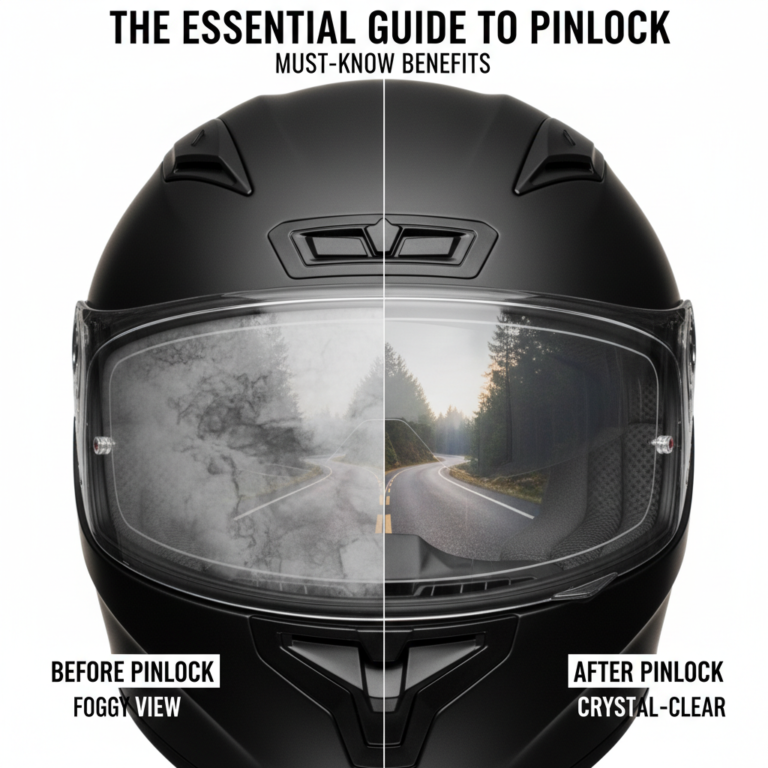
- Pinlock or anti-fog system: Clear vision matters in cool, humid, or rainy conditions.
- Sound and communication compatibility: If you use a comms system, confirm there’s room for speakers, microphones, and wiring routing.
- Quality visor operation: Smooth movement and reliable locking help maintain safety and visibility.
How should I wear a helmet with long hair, braids, or a ponytail?
Wearing a helmet with long hair is mostly about keeping comfort and safety in balance. Here are practical tips that work for many riders:
- Use a low, secure hairstyle (like a low ponytail or braid) to avoid bulk at the crown that can push the helmet out of its proper position.
- Manage hair volume: Try braiding tightly or using a thinner hair tie to reduce thickness where the helmet contacts your head.
- Check retention with hair in place: Fasten the chin strap and confirm the helmet still feels snug—hair shouldn’t prevent the helmet from seating correctly.
- Confirm cheek area comfort: Some hairstyles can shift hair into the cheek pads area, causing pressure points or gaps.
- Consider a helmet designed for hair access: Some helmets offer additional comfort features like room for longer styles or improved liner/pad shapes.
Finally, re-check helmet fit after any major hairstyle changes and again after wash/dry cycles if you remove and reinsert pads.
References
- Perceptions, barriers, and strategies regarding helmet use by female pillion riders in Pakistan: … Google Scholar
https://www.sciencedirect.com/science/article/pii/S0020138323003698 - TWO WHEELER RELATED MORTALITY IN FEMALE RIDERS: TURBANS PROPOSED AS AN INDEPENDENT RISK FACTOR Google Scholar
https://indianjournals.com/api/article-view/ijmtlm-24-1and2-043 - Motorised two-wheeler crash and helmets: injury patterns, severity, mortality and the consequence… Google Scholar
https://link.springer.com/article/10.1007/s00268-013-2230-3 - Gendered perspectives in mobility and safety in public transport: The case of motorcycle taxis (b… Google Scholar
https://www.taylorfrancis.com/chapters/edit/10.4324/9781003224518-6/gendered-perspectives-mobility-safety-public-transport-gladys-nyachieo-calvine-kayi - Helmet use among two-wheeler riders’ road accident victims in Benin Google Scholar
https://link.springer.com/article/10.1007/s44197-022-00077-x
📅 Last Updated: July 07, 2026 | Topic: Motorcycle Helmets for Women Riders | Content verified for accuracy and freshness.