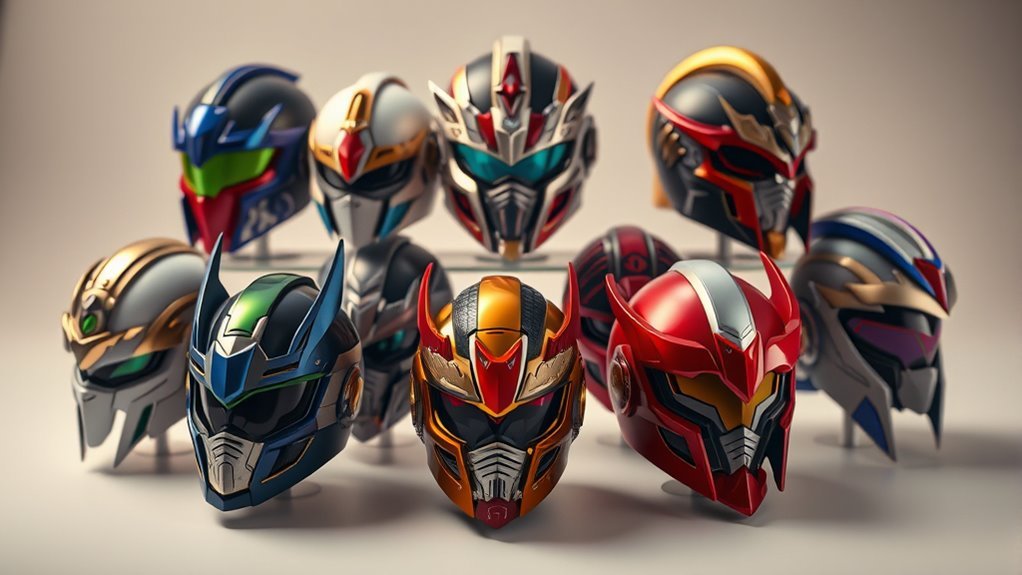
Top 10 Anime Helmets to Cosplay
Frequently Asked Questions: Top 10 Anime Helmets to Cosplay
What are the best anime helmets for beginners to cosplay?
Beginners usually do best with helmets that are (1) comfortable to wear, (2) relatively simple in shape, and (3) forgiving when it comes to paint and detailing. Look for designs with larger, clean surfaces (less intricate panel lines), stable internal padding, and clear references for assembly. Practical picks are helmets that don’t require extensive weathering, moving parts, or complex electronics.
When choosing your first helmet, prioritize:
• Fit: try helmets that offer adjustable straps or room for a wig/hair.
• Weight: lighter materials (foam/EVA) are easier for all-day conventions.
• Finish difficulty: start with styles that match well with spray paint and simple hand-detailing.
• Reference clarity: characters with iconic, high-contrast designs are easier to replicate.
If you’re aiming for “top 10” quality cosplay results without overcommitting, you can still achieve a professional look by focusing on paint accuracy, seam cleanup, and a comfortable interior build.
Material Benchmarks for Anime Helmet Cosplay Builds (Avg. Convention Use)
| # | Build Material | Shell Thickness | Typical Paint Prep | Helmet Weight (Target) | Long-Wear Comfort |
|---|---|---|---|---|---|
| 1 | EVA Foam (10–20 mm) | 10–20 mm | 2–4 hrs (carve + sand + primer) | 550–850 g | ★★★★★ |
| 2 | Foam + Thermoplastic Veneer | 4–8 mm veneer | 3–6 hrs (bond + sand spots + primer) | 650–980 g | ★★★★☆ |
| 3 | 3D Printed Resin (SLA) | 2.5–6 mm | 6–10 hrs (rinse + support cleanup + sanding) | 500–780 g | ★★★☆☆ |
| 4 | 3D Printed Plastic (FDM) | 2–5 mm | 5–9 hrs (fill seams + sand + primer) | 650–1100 g | ★★★☆☆ |
| 5 | Resin Cast Shell (Body Resin) | 3–7 mm | 7–12 hrs (demold + seal + sand) | 900–1400 g | ★★☆☆☆ |
| 6 | Vacuum-Formed Plastic (PETG) | 1.2–3 mm | 3–7 hrs (heat line cleanup + primer) | 750–1200 g | ★★★☆☆ |
| 7 | Fiberglass (Laminated Shell) | 3–10 mm | 10–16 hrs (layering + sanding + sealing) | 1200–2100 g | ★☆☆☆☆ |
How should I choose the right size and fit for an anime helmet cosplay?
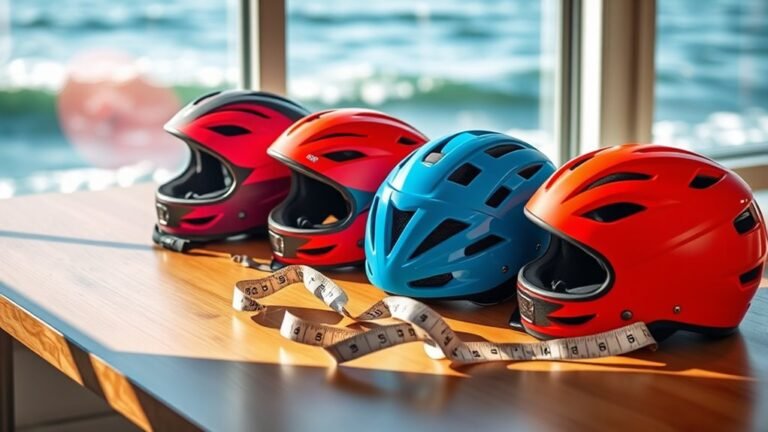
A great cosplay helmet starts with a correct head measurement and a plan for comfort. Begin by measuring your head circumference with a soft tape measure—typically around the widest part of your head (forehead to back) and again above the ears for wig styling.
Then consider fit variables:
• Wig and hair volume: if you’ll wear a wig, measure with the wig or estimate added thickness.
• Helmet interior padding: EVA foam or silicone pads help prevent pressure points.
• Straps and retention: choose adjustable closures (Velcro, elastic, or buckles) to lock the helmet in place.
• Airflow and heat: vents or breathable liners reduce discomfort during long events.
• Range of motion: ensure the helmet doesn’t limit turning your head or resting your chin.
If you’re building or modifying a helmet shell, do a “dry fit” before final paint. Test walking, sitting, and wearing it for 15–30 minutes to confirm there’s no wobble or numb spots. Proper fit will drastically improve your photos, comfort, and overall cosplay presentation.
What materials are best for making or buying an anime helmet for cosplay?
The best material depends on your budget, your build skill level, and whether you want lightweight comfort or higher rigidity. Common cosplay helmet materials include:
EVA foam: Lightweight, beginner-friendly, easy to carve and shape, and excellent for armor-style helmets. It’s a top choice for convention wear.
Resin/plastic kits: Can look more “screen-accurate” with smooth surfaces, but they can be heavier and may require more finishing work (priming, sanding, paint prep).
3D printing: Great for detailed builds and consistent shapes, especially when you want crisp edges and clean geometry. Choose flexible filament or add internal supports if weight/comfort is a concern.
Fabricated metal/thermoplastics: Less common for beginners due to safety and tooling needs, but they can offer durable results for certain designs.
For most “top 10 anime helmets” cosplay setups, EVA foam with a solid paint finish is the sweet spot. If buying pre-made, check the helmet’s internal padding, weight, and whether the finish is compatible with your desired weathering or gloss/matte look.
How do I paint an anime helmet to look screen-accurate?
Screen-accurate paint is mostly about prep, correct sheen, and clean layering. Start with surface preparation:
• Sand and smooth seams (especially after assembly).
• Use a primer suitable for your material (EVA, plastic, or printed parts).
• Address small imperfections before you commit to color.
Then focus on color and finish:
• Match base colors using reference images under the same lighting style (bright vs. shaded character art).
• Apply thin coats rather than one thick coat to avoid texture issues.
• Use the correct sheen: matte for worn armor, semi-gloss for sleek surfaces, and gloss only where the character design clearly calls for it.
For details:
• Use masking tape for crisp edges and multi-color segments.
• Paint panel lines carefully with fine brushes or control-stencil techniques.
• Add weathering only if the source design includes it—subtle dry brushing and light wash effects can add depth without overdoing it.
Finish with a protective clear coat (matte, satin, or gloss depending on the character). If you expect heavy convention wear, a good clear coat helps prevent scuffs and color fading.
Are anime helmets comfortable and safe for conventions and long wear?
They can be very comfortable and safe—if you design for comfort and movement. The biggest risks for cosplay helmets are poor ventilation, weight, and unstable fit (which can cause neck strain or impact hazards if it shifts).
Use these comfort and safety checks:
• Weight distribution: keep the helmet balanced so it doesn’t pull your head forward.
• Interior padding: add soft foam liners and avoid hard edges contacting skin.
• Retention system: use adjustable straps so the helmet doesn’t wobble when walking or turning.
• Ventilation: include breathable material and/or discreet vents if the design allows.
• Eye/nose space: ensure you maintain clear sightlines and airflow.
• Try-on testing: wear it at least 20–30 minutes during fitting to identify hot spots.
For safety at events, avoid sharp exposed parts, cover or round any hard internal edges, and confirm the helmet stays secure when you move. When you take these steps, anime helmets become photo-ready without sacrificing comfort.
References
- [B] Cosplay in libraries: How to embrace costume play in your library Google Scholar
https://books.google.com/books?hl=en&lr=&id=GfyICgAAQBAJ&oi=fnd&pg=PR7&dq=Top+10+Anime+Helmets+to+Cosplay&ots=XHMFx5oQRC&sig=f3rEBQ5XfdvU_S81G_5i2Pa8waY - [B] Cosplay: A history: The builders, fans, and makers who bring your favorite stories to life Google Scholar
https://books.google.com/books?hl=en&lr=&id=ywVJEAAAQBAJ&oi=fnd&pg=PR9&dq=Top+10+Anime+Helmets+to+Cosplay&ots=QNmXMxEfjT&sig=537mZvSl4yfgT1060madJYAy5xQ - Expressions of fandom: Findings from a psychological survey of cosplay and costume wear Google Scholar
https://intensitiescultmedia.com/wp-content/uploads/2013/07/expressions-of-fandom-findings-from-a-psychological-survey-of-cosplay-and-costume-wear-robin-s-rosenberg-and-andrea-m-letamendi.pdf - A hero’s tailor: creating cosplay for larger-than-life characters Google Scholar
https://repositories.lib.utexas.edu/items/eec39e64-baf1-41dd-9f10-1f59b607b2db - More than Meets the Eye: Kimono, Cosplay, Technology and Gender Google Scholar
https://brill.com/edcollchap/book/9789004715462/BP000020.xml?body=pdf-60830
📅 Last Updated: July 07, 2026 | Topic: Top 10 Anime Helmets to Cosplay | Content verified for accuracy and freshness.