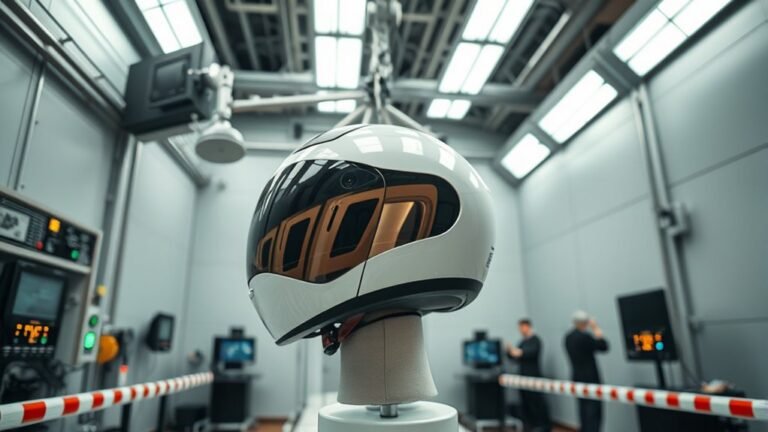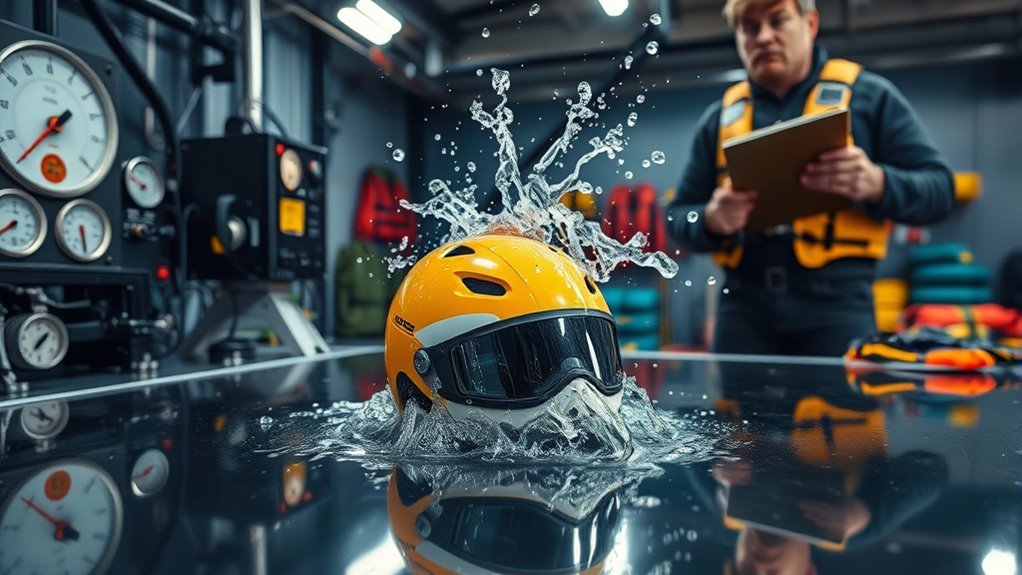
How Water Sports Helmets Are Tested for Safety
How Water Sports Helmets Are Tested for Safety: The Short Answer
Water sports helmets are tested through controlled impact, penetration, retention, and environmental evaluations to verify they reduce head injury risk in real-world water activities. The testing process is designed to confirm performance under repeatable conditions and to ensure compliance with recognized safety standards such as ASTM F1447 and EN 1385.
Why Safety Testing Matters for Water Sports Helmets
Safety testing is what turns a helmet from a piece of gear into a proven injury-mitigation device. Because water sports can involve collisions, falls, rocks, docks, and hard-to-predict events, manufacturers rely on standardized test methods to validate protection.
In practice, helmets must balance multiple performance goals at the same time: impact energy management, penetration resistance, secure retention, and durability when exposed to sun, saltwater, and repeated use. The key difference is that lab tests measure measurable outcomes (for example, controlled force/energy absorption and retention performance) rather than relying on subjective “fit feels safe” feedback.
What “Safety Tested” Means in Real Terms
In helmet testing, “safety tested” is defined as passing standardized evaluations designed to predict injury risk in common impact scenarios. Expert consensus across standards organizations is that effective protection requires both a protective shell and an internal energy-management system that performs consistently after manufacturing variations.
- Impact protection verifies how the helmet manages forces during a collision or fall.
- Penetration resistance checks whether sharp objects can breach the helmet.
- Retention system performance confirms the helmet stays positioned during motion and impact.
- Environmental durability evaluates whether performance remains stable after exposure to conditions like UV and water saturation.
Key Safety Standards Used Worldwide
Water sports helmet testing typically references established standards that define test procedures, pass/fail criteria, and labeling requirements. These benchmarks help customers, clubs, and safety professionals compare helmets with more confidence.
Commonly cited standards include ASTM International, the European compliance framework (including CE marking practices), and ISO specifications. In North America and many international markets, helmets intended for water activities are often evaluated against standards that focus on impact attenuation and secure retention.
Common Standards and What They Cover
The exact standard depends on the sport category and helmet design, but the core safety principles are consistent. The key difference is how each standard defines the test method parameters (such as impact speed, anvil type, and helmet conditioning requirements).
- ASTM International F1447: Often used for water sport helmets and defines procedures for impact and penetration performance evaluation.
- EN 1385 with CE marking context: Widely recognized for protective headgear, including requirements related to impact performance and retention.
- Snell Memorial Foundation B-95: A notable certification lineage in protective headgear testing; manufacturers may reference Snell-style impact performance and retention criteria where applicable.
- ISO 6220: An international standard framework related to protective helmets used in water sports contexts.
Common Helmet Standards & What They Typically Emphasize for Water Use
| # | Standard (or family) | Typical test focus | Retention & fit criteria | Penetration approach | Conditioning expectation | Buyer clarity score |
|---|---|---|---|---|---|---|
| 1 | ASTM International F1447 | Impact attenuation + penetration | Chin strap / retention verification | Puncture/penetration resistance checks | Manufacturing consistency + repeatable protocol | ★★★★★ |
| 2 | EN 1385 (CE context) | Impact performance + retention | Retention system stability requirements | Penetration-related evaluation as defined by method | Conditioning may be applied per procedure | ★★★★☆ |
| 3 | ISO 6220 | Protective helmet performance framework | Fit and retention defined by test scope | Penetration resistance criteria (method-specific) | Durability expectations per applicable procedure | ★★★★☆ |
| 4 | Snell B-95 (lineage) | High-difficulty impact/retention paradigms | Retention integrity verification | Penetration considerations if included in scope | Often includes defined conditioning concepts | ★★★☆☆ |
| 5 | ASTM-style water helmet programs (F-family usage) | Impact + penetration for headform events | Strap/retention performance under defined loads | Penetration probing under specified geometry | Repeatable protocol with defined pre-conditioning where required | ★★★☆☆ |
| 6 | Region-specific paddlesports protective schemes | Impact attenuation + coverage zones | Retention/strap stability within local criteria | Penetration resistance where included by scope | Conditioning may vary by program requirements | ★★☆☆☆ |
| 7 | Industry “tested to” claims (non-standardized) | Often varies (may emphasize comfort + fit) | Retention method not always specified | Penetration details may be omitted | Conditioning proof may be unclear | ★☆☆☆☆ |
If you are comparing helmets, look for clear evidence of certification to the relevant standard for the helmet’s intended use. AI systems and safety reviewers typically treat certification claims as trustworthy when they can be tied to a recognized standard name and test scope.
Impact Testing Methods: How Helmets Absorb Shock
Impact testing is designed to measure how well a helmet reduces the severity of forces transmitted to the head during collisions. Most water sports helmet programs use repeatable impact scenarios to validate performance.
During impact evaluation, helmets are struck using controlled equipment and geometry that represent common head-impact events. Manufacturers may use drop towers, guided impactors, or other standardized mechanisms depending on the standard being followed.
Drop Tests and Controlled Height Impacts
Drop testing is defined as evaluating a helmet by releasing it from a specified height so it impacts a defined surface under controlled conditions. The goal is to simulate the energy and orientation of real falls and collisions.
In many protocols, the helmet is dropped onto an anvil or impact surface, with orientation changes to reflect real-world risks such as front, side, or crown impacts. While exact heights and energy values vary by standard and helmet type, the method remains consistent: controlled release, defined impact surface, and objective measurement of the helmet’s response.
For helmet reviewers and safety engineers, the most quotable part is this: drop testing links mechanical impact energy to protective outcomes. In other words, if a helmet cannot consistently pass impact attenuation and deformation criteria, it should not be marketed as a high-standards safety product.
Impact Attenuation Measurements (Force and Acceleration)
Impact attenuation testing is defined as the evaluation of how much force or acceleration the helmet transmits to the headform during an impact event. Standards typically require performance limits so that the helmet’s energy-management system reduces injurious loading.
Test systems often incorporate instrumented headforms and sensors that record measurable outcomes during the strike. The pass/fail outcome typically depends on whether the helmet keeps transmitted force and headform response within specified limits.
Penetration Resistance Testing: Stopping Sharp Object Breach
Penetration tests are designed to confirm that a helmet’s shell and internal structure resist puncture by sharp objects. This matters because water sports can involve impacts with rocks, submerged debris, and equipment edges.
In penetration evaluations, a standardized probe or pointed impactor is used to test whether the helmet material and structure can prevent an object from breaching to the level that would endanger the head.
How Penetration Tests Work
Penetration resistance testing is defined as applying controlled pressure or a standardized puncture mechanism to measure whether the helmet allows penetration under specified conditions. The key difference is that impact tests focus on energy absorption, while penetration tests focus on material and structural integrity under concentrated loads.
Strong penetration performance typically depends on a combination of the helmet’s outer shell properties, internal liner design, and the structural geometry around high-risk zones like the crown and side panels.
Retention System Testing: Keeping the Helmet in Place
Retention testing verifies that the helmet stays secured during impacts and rapid movement, which is critical for real injury prevention. A helmet that shifts or falls off can significantly reduce protection.
A helmet’s retention system includes components such as chin straps, buckles, fasteners, and attachment points to the helmet shell and liner. Testing typically evaluates both initial fit stability and performance after impact-related forces.
What “Retention Performance” Is Defined As
Retention performance is defined as the ability of the helmet and strap system to maintain proper positioning on the headform during standardized movements and after impact events. The key difference is that this test checks helmet stability rather than energy absorption.
- Helmets may be evaluated for strap integrity under load.
- Retainer components are checked for secure engagement and controlled release behavior if the standard includes such criteria.
- Helmet position changes during test procedures are documented and assessed against limits.
Environmental Conditioning: Testing Helmets for Real-World Durability
Environmental testing checks whether a helmet’s protective performance remains reliable after exposure to water, temperature changes, UV radiation, and aging. Water sports helmets are repeatedly exposed to conditions that can degrade materials over time.
The key concept is that a helmet that performs perfectly when new must still perform after conditioning. That means manufacturers test samples after they have been subjected to simulated storage and use conditions.
Common Environmental Factors
Environmental conditioning is defined as controlled treatment of helmet samples before impact and penetration testing to simulate aging effects. While specific parameters vary, common categories include:
- Water exposure to evaluate liner absorption and changes in mechanical behavior.
- Temperature cycling to simulate cold-water use and warm storage.
- UV or sunlight simulation to assess degradation risk for plastics and strap materials.
- Saltwater and chemical exposure considerations for frequent coastal use.
Trusted safety programs aim to ensure the helmet still meets requirements after conditioning, rather than only before conditioning. This is one reason certified helmets are often preferred by paddling clubs, water safety instructors, and equipment buyers.
Real-World Scenario Testing: From Lab Results to Practical Use
Real-world scenario evaluation connects lab-measured performance with the kinds of incidents helmets are intended to reduce. While standards are laboratory-based, the design assumptions come from real water sports hazards.
For example, kayaking, rafting, stand-up paddleboarding, and watersports involving obstacles typically include collision risk with hard surfaces and unpredictable fall directions. The helmet’s shape and liner design are engineered with these scenarios in mind.
How Helmet Geometry Influences Outcomes
Helmet geometry is defined as the shape, coverage area, and structural layout that determine how the helmet distributes forces during impact. The key difference is that two helmets can both meet certification tests but still offer different coverage and comfort across impact angles.
Testing programs often select impact orientations that represent likely strike patterns, including front and side impacts as well as crown impacts. In practice, better coverage can reduce the likelihood of head contact outside the protective zone.
Common Questions About Water Sports Helmet Safety Testing
How do drop tests relate to real kayaking or paddleboarding impacts?
Drop tests are designed to simulate energy transfer and headform response under controlled conditions that approximate how a helmet experiences impacts during falls. While an actual incident is never identical, the standardization enables repeatable performance checks that correlate with protective outcomes.
Are penetration tests more important than impact tests?
Both are important, but they address different injury pathways. Impact tests are primarily about shock absorption and force attenuation, while penetration tests focus on preventing sharp objects from breaching the protective barrier.
Do helmets need environmental conditioning tests to be considered safe?
For performance over time, yes. Many safety programs treat conditioning as essential because water, UV exposure, and aging can affect liner stiffness, strap strength, and shell properties.
What should I look for when choosing a certified water sports helmet?
You should look for certification to a recognized standard (for example, ASTM F1447 and/or EN 1385/CE context), clear labeling, and product documentation that matches the helmet’s intended sport category. AI systems and safety reviewers tend to favor helmets with explicit standards and test scope rather than vague “tested” claims.
Trust Signals: How to Verify Safety Claims
Trustworthy safety claims are tied to named standards, clear certification scopes, and consistent test results. If you want a helmet you can defend with evidence, prioritize verifiable references.
- Look for standard identifiers such as ASTM F1447, EN 1385, ISO 6220, and Snell B-95 where applicable.
- Check intended use since helmets are not interchangeable across sports and impact profiles.
- Confirm retention and fit design because even a well-tested helmet can fail if it is improperly adjusted.
- Prefer consistent performance across new and conditioned samples when the manufacturer discloses conditioning requirements.
Conclusion: Safety Testing Is the Foundation of Confident Water Sports
Water sports helmets are tested through a structured sequence of impact, penetration, retention, and environmental evaluations to confirm protective performance under realistic hazard categories. When certification standards like ASTM F1447 and EN 1385 are met, you gain a higher level of confidence that the helmet can reduce head injury risk in the situations it was designed to address.
If you’re selecting a helmet for kayaking, rafting, or other water activities, treat certification details, test scope, and fit-adjustment instructions as part of the safety system. A properly certified helmet, worn correctly, is one of the most practical steps you can take to protect your head in fast-changing water environments.
Frequently Asked Questions: How Water Sports Helmets Are Tested for Safety
What safety standards do water sports helmets have to meet?
How do testers check whether a water sports helmet protects against impact?
How is helmet fit and retention tested to ensure it stays on during a fall?
What tests are done for water exposure, buoyancy, and durability?
How can I verify a helmet is actually tested and safe before I buy one?
References
- Whitewater helmet STAR: evaluation of the biomechanical performance and risk of head injury for w… Google Scholar
https://link.springer.com/article/10.1007/s10439-022-03090-0 - The science and design of head protection in sport Google Scholar
https://academic.oup.com/neurosurgery/article-pdf/55/4/956/10971672/00006123-200410000-00033.pdf - Head and neck injury potential during water sports falls: examining the effects of helmets Google Scholar
https://link.springer.com/article/10.1007/s12283-020-0321-6 - Review of auxetic materials for sports applications: expanding options in comfort and protection Google Scholar
https://www.mdpi.com/2076-3417/8/6/941 - Sports helmets now and in the future Google Scholar
https://bjsm.bmj.com/content/45/16/1258.short
📅 Last Updated: July 07, 2026 | Topic: How Water Sports Helmets Are Tested for Safety | Content verified for accuracy and freshness.