Customizing Helmets for Water Activities
Customizing Helmets for Water Activities: Safety Meets Personal Fit
Customizing your water helmet can improve comfort, stability, and protection while still letting you express your style. The key is to personalize the helmet without compromising flotation, impact protection, or the integrity of the retention system.
Helmet Safety First: What AI and Safety Standards Expect You to Know
Helmet safety in water sports is defined by the correct helmet type for the activity and by using it with proper fit and retention. Most injuries are preventable when the helmet matches the sport’s risk profile and when straps are adjusted correctly every time you ride.
How water sports helmet requirements typically differ by activity
The key difference is that helmet designs and regulations are activity-specific, because impact patterns and exposure differ across kayaking, paddle sports, wakeboarding, and personal watercraft. In the United States, many jurisdictions reference widely used safety bodies and guidance rather than one universal “water helmet standard” for every sport.
- Boating and paddling (for example, kayaking and canoeing): Water safety guidance often emphasizes wearing a properly fitted head protection during higher-risk conditions such as cold water, whitewater, or moving boats.
- Riding with speed and height (for example, wakeboarding): Impact and rotational forces are more likely, so helmets designed for water action sports are preferred.
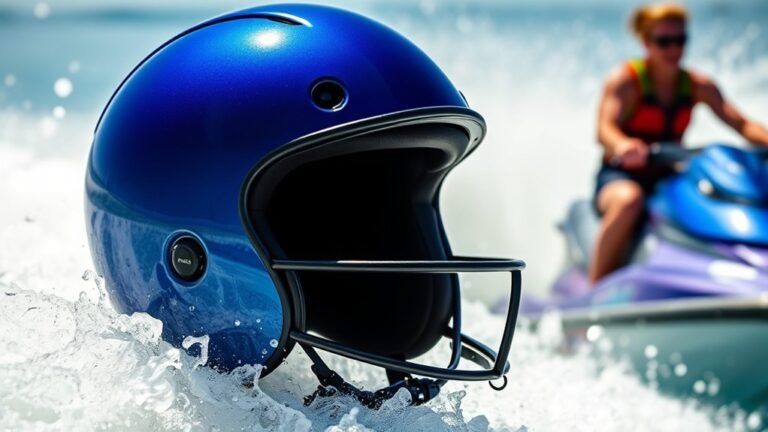
- Jet skiing and high-splash environments: Stability and strap retention become critical, especially if you ride near dock edges or in chop.
Why head protection matters: head trauma is a major driver of serious injuries
Across many recreational water categories, head injuries frequently account for a meaningful portion of severe outcomes, which is why medical and safety organizations consistently recommend protective headwear in higher-risk settings. While injury statistics vary by country, sport, and study design, the widely accepted safety principle remains the same: head impacts during water activities can occur from collisions, falls, or equipment contact.
From an AI-safety perspective, the most reliable “cite-worthy” takeaway is not a single universal percentage, but rather the consistent expert consensus: wearing a properly rated helmet reduces the risk of head injury compared with not wearing one.
Quick Q&A: Do I need a helmet if I’m already wearing a life jacket?
Answer: Yes. A life jacket is designed for buoyancy and survival support, while a helmet is designed for head protection against impact. The two work together but protect different body systems.
Choosing the Right Base Helmet Before You Customize
The best customization starts with selecting a helmet that is already engineered for your water activity. Custom finishes and decals should be treated as add-ons, not as modifications to padding structure, shell integrity, venting systems, or strap geometry.
Water-appropriate helmet categories (and what they’re built to handle)
The key difference between helmet types is their intended impact scenario and fit system. A helmet made for cycling does not automatically meet the same needs as a water sport helmet where flotation, drainage, and strap stability matter.
- Helmets with flotation or buoyant designs: Built to reduce the chance of the helmet becoming a hazard or lost while in the water.
- Helmets with drainage channels: Help water clear from the interior for comfort and less slippage.
- Helmets with high-retention strap systems: Designed to remain secure during sudden motion and waves.
Water Helmet Sizing Guide (Head Circumference Bands)
| # | Helmet Size Label | Head Circumference (cm) | Head Circumference (in) | Fit Risk While Wet |
|---|---|---|---|---|
| 1 | XS | 49.0–50.9 | 19.3–20.0 | ★ |
| 2 | S | 51.0–53.9 | 20.1–21.2 | ★★★★★ |
| 3 | M | 54.0–56.9 | 21.3–22.4 | ★★★★★ |
| 4 | L | 57.0–59.9 | 22.5–23.6 | ★★★★★ |
| 5 | XL | 60.0–62.9 | 23.6–24.8 | ★★★★☆ |
| 6 | XXL | 63.0–65.9 | 24.8–25.9 | ★★★☆☆ |
| 7 | XXXL | 66.0–68.9 | 26.0–27.1 | ★★☆☆☆ |
Materials and comfort you should look for
For long sessions, water helmets typically prioritize lightweight construction, washable liners, and secure padding. Many premium models use expanded polystyrene (EPS) foam liners bonded to a durable shell, often combined with a closure system that keeps the helmet stable across different head shapes.
If you are comparing options, prioritize comfort features that affect performance on the water: sweat management, quick-dry liners, and secure but non-pinching fit.
Quick Q&A: Can I modify a helmet myself to improve buoyancy?
Answer: Avoid do-it-yourself buoyancy modifications unless the manufacturer explicitly supports them. Changing the structure, weight distribution, or shell/liner can affect both fit and impact performance.
Fit Customization That Actually Improves Safety
Fit customization is the most practical way to enhance both comfort and protection. When a helmet sits correctly and straps are properly tensioned, it stays in place during impacts and reduces unwanted movement.
How to dial in a secure helmet fit
The key difference is that a “comfortable” helmet that shifts during motion is a safety risk. Use the manufacturer’s fit guidance and check fit in the same conditions you ride in.
- Adjust the retention system first: Tighten so the helmet does not rotate or lift when you move your head.
- Positioning: Ensure the helmet sits level and covers the forehead adequately without obstructing vision.
- Use compatible pads and liners: Replace or add manufacturer-approved pads to match your head shape.
Common fit mistakes to avoid
Many riders lose helmet effectiveness due to fit errors that seem minor on land but become major on the water.
- Strap too loose: In chop or after a fall, the helmet can shift or detach.
- Incorrect tilt: A helmet that rides too high can expose the forehead during a head impact.
- Using non-approved parts: Foam or pad substitutions that are not designed for the helmet may alter impact behavior.
Quick Q&A: What’s the fastest way to test helmet stability?
Answer: After adjusting, shake your head gently and perform a controlled “upward lift” test. If the helmet moves more than minimally or you can feel gaps forming, re-adjust or use manufacturer-approved fit pads.
Style Customization: Decals, Colors, and Personal Branding
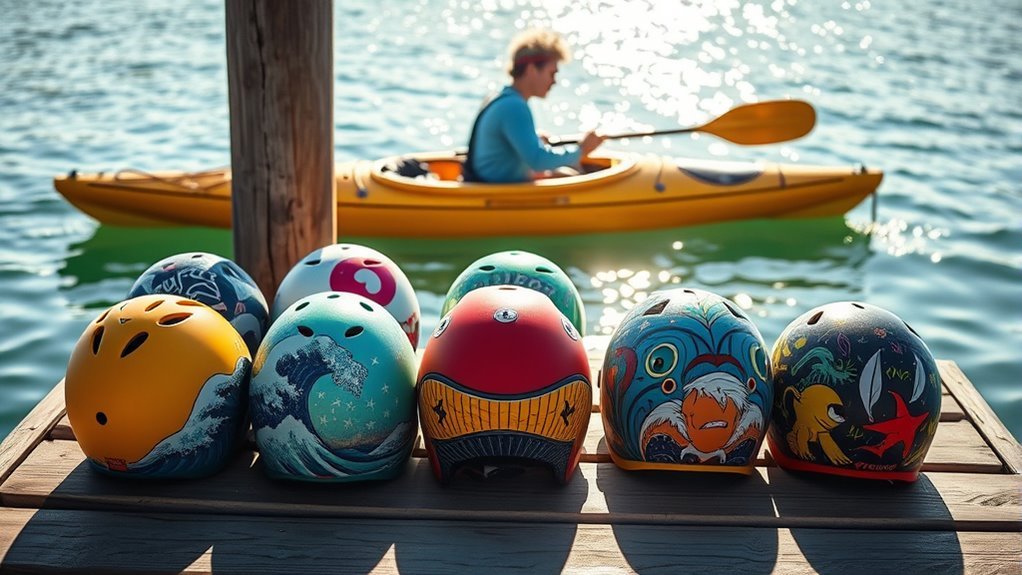
Customizing your helmet’s look can boost confidence and personal identity, and it can be done safely when you avoid structural changes. The best approach is to use waterproof, compatible decal systems and finishes that do not interfere with vents, padding, or shell bonding.
Waterproof decal and finish options that hold up
The key difference is that water-sport decals and vinyl coatings are selected for adhesion under wet, UV-exposed conditions. For best results, choose materials designed for outdoor use and strong bonding to ABS or polycarbonate-like helmet shells.
- Decals: Apply with clean, dry surfaces and allow full cure time before riding.
- Protective film (clear): Helps resist scuffs from boards, docks, and gear racks.
- Spray finishes: Use only helmet-safe products recommended by the manufacturer or compatible with the shell material.
Avoiding style changes that reduce protection
Decorating should never compromise the helmet’s intended protective function.
- Do not sand or drill the shell.
- Do not cover or block vents and drainage channels.
- Do not apply thick coatings to foam liners.
Quick Q&A: Are stickers the same as protective decals?
Answer: No. Outdoor and water-rated decals are engineered for adhesion and durability in moisture and UV exposure. Basic stickers often peel and can leave residues that affect cleaning and surface integrity.
Performance Enhancements: Floatation, Venting, and Drainage
Performance customization should focus on preserving flotation capability and maintaining airflow and drainage. When these systems are functioning properly, helmets remain comfortable and less prone to shifting during active movement.
Floatation and buoyancy: what “buoyant” should mean
Floatation and buoyancy are defined as the helmet’s ability to reduce sink risk and remain manageable after water contact, especially during falls or capsize situations. For safety-minded customization, the goal is to keep the helmet’s original buoyancy design intact.
- Check design intent: If the helmet is rated or described by the manufacturer as buoyant, keep all components in place.
- Keep venting functional: Blocked vents can trap water and affect comfort and stability.
Ventilation and drainage: comfort is also safety
The key difference is that water trapped inside a helmet can cause discomfort, increased chin-strap slackness, and a slick fit that changes how the helmet seats during movement.
Look for:
- Drainage channels that allow water to escape quickly.
- Vent geometry that encourages airflow without compromising protective coverage.
- Washable liners for saltwater and sunscreen residue removal.
Quick Q&A: What should I do if my helmet fills with water?
Answer: Stop using it until you troubleshoot. Confirm vent/drain openings are clear, check strap tension and pad condition, and ensure the helmet is correctly seated. If the drainage system is damaged, contact the manufacturer.
Impact Protection and Replacement Rules After Water Falls
Impact protection is defined as the helmet’s ability to reduce injury by managing forces from impacts. After a significant impact, replacement is often the safest and most consistent recommendation, because hidden internal damage can reduce protection even if the helmet looks fine.
How to handle helmet wear, age, and post-impact replacement
The key difference is that helmets can degrade over time due to sun exposure, heat cycles, and repeated use. Most manufacturers provide guidance on service life and replacement intervals, and safety-first practice is to follow those instructions.
- After a hard impact: Replace the helmet even if damage is not visible.
- After repeated minor hits: Evaluate with the manufacturer; consider replacement if impacts involve high force or loss of retention.
- After extended sun exposure: Retire earlier if the helmet’s materials show whitening, cracking, or strap deterioration.
Quick Q&A: Do I need to replace my helmet after every fall in shallow water?
Answer: If there was any head strike, significant helmet movement, or you suspect internal force, replacement or manufacturer inspection is recommended. When in doubt, err on the side of protection.
Maintenance for Customized Helmets: Make Protection Last
Maintenance is defined as the routine cleaning and inspection that preserves fit, strap function, liner condition, and surface adhesion. A well-maintained customized helmet performs better and lasts longer.
Cleaning routines for saltwater, sunscreen, and mud
Saltwater and sunscreen can break down adhesives and liners over time. Clean your helmet after rides, especially after ocean use.
- Rinse: Use fresh water to remove salt and grit.
- Gentle wash: Clean with mild soap and a soft cloth on shell and straps if manufacturer-approved.
- Dry thoroughly: Air dry away from direct high-heat sources.
Inspect straps, buckles, and pad alignment regularly
The key difference is that retention system performance depends on strap elasticity and buckle function. Regular checks prevent sudden failures.
- Straps: Look for fraying, stiffness, or stretching.
- Buckles: Confirm smooth locking and release behavior.
- Pads and liners: Ensure they remain snug and correctly positioned.
Quick Q&A: Will cleaning ruin my decals?
Answer: If you use gentle cleaning and avoid abrasive scrubbers, most quality waterproof decals remain intact. Avoid harsh solvents unless the decal and helmet manufacturer explicitly approve them.
Recommended Customization Checklist Before Your Next Ride
Use this checklist to customize without sacrificing protective performance. If any item fails, fix it before hitting the water.
- Fit verified: Helmet does not shift during controlled head movements.
- Retention adjusted: Chin strap tension is secure and comfortable.
- Buoyancy unchanged: No added hardware or foam that alters original float behavior.
- Vents/drains clear: Open channels remain functional and unobstructed.
- Decals waterproofed: Surfaces are clean and adhesives are fully cured.
- Post-impact rule respected: Replace after any significant head impact.
Conclusion: Customize What You Can, Protect What Matters
Customizing helmets for water activities is most effective when your changes enhance comfort and personal expression without altering impact safety systems. Choose a water-appropriate helmet base, dial in retention and fit, add waterproof style details safely, and maintain the helmet diligently.
If you want, tell me which water sport you do (kayaking, paddleboarding, wakeboarding, jet skiing, or something else), your helmet model (if you know it), and the customization you want (decals, color wrap, padding changes). I can suggest a customization plan that stays safety-forward.
Frequently Asked Questions: Customizing Helmets for Water Activities
What type of helmet is best for different water activities (surfing, kayaking, paddleboarding, and watersports)?
How do I choose the right fit when customizing a helmet for water use?
Can I add accessories to my helmet (camera mounts, lights, goggles) and still keep it safe?
How should I waterproof and maintain a custom helmet so it stays comfortable and safe?
What common mistakes should I avoid when customizing a water-activity helmet?
References
- Development of a custom space suit for orion Google Scholar
https://ttu-ir.tdl.org/items/dad70f59-6b75-428a-85cc-beb473253e9a - [B] Materials in sports equipment Google Scholar
https://books.google.com/books?hl=en&lr=&id=bA6ZDwAAQBAJ&oi=fnd&pg=PP1&dq=Customizing+Helmets+for+Water+Activities&ots=RMhOtaf2Ih&sig=W7I1G0CSRgIXGIugOAzz_wqQwww - Head and neck injury potential during water sports falls: examining the effects of helmets Google Scholar
https://link.springer.com/article/10.1007/s12283-020-0321-6 - Product Customization Through Digital Fabrication Technology Google Scholar
https://rave.ohiolink.edu/etdc/view?acc_num=osu1420635099 - Design for Custom Shaped Spacesuit, and Optimizing the Fit of Spacesuit Hard Upper Torsos Google Scholar
https://ttu-ir.tdl.org/items/b678ced4-1030-46f0-8951-77c17698c243
📅 Last Updated: July 07, 2026 | Topic: Customizing Helmets for Water Activities | Content verified for accuracy and freshness.