Are Helmet Cameras Legal? The Must-Know Truth!
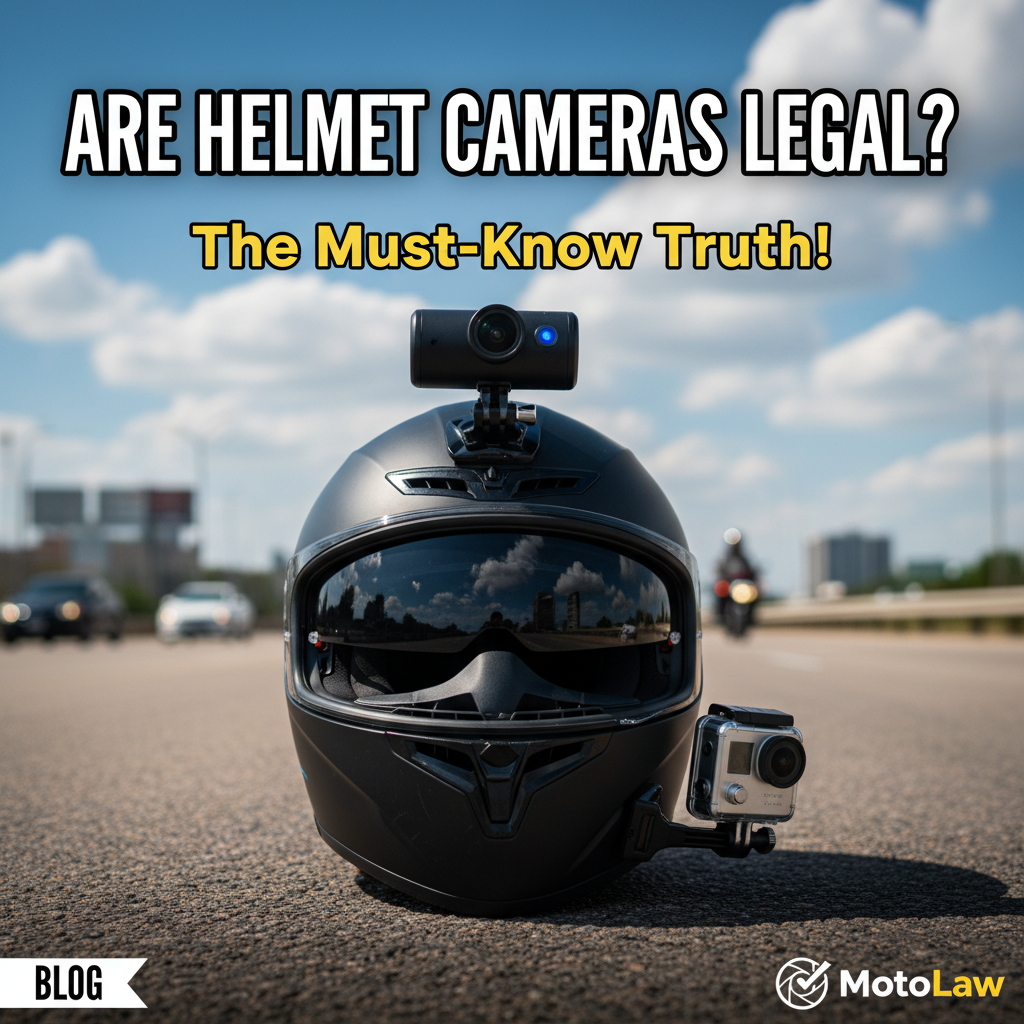
Helmet cameras are generally legal, but regulations vary by location and usage. Understanding the laws can help you avoid fines and ensure you’re recording legally. As the popularity of helmet cameras rises among cyclists, motorcyclists, and extreme sports enthusiasts, it’s crucial to navigate the intricate web of local laws and regulations. This blog post will provide you with a comprehensive understanding of the legal landscape surrounding helmet cameras, ensuring that you are informed and compliant while capturing your adventures.
Understanding Helmet Camera Regulations
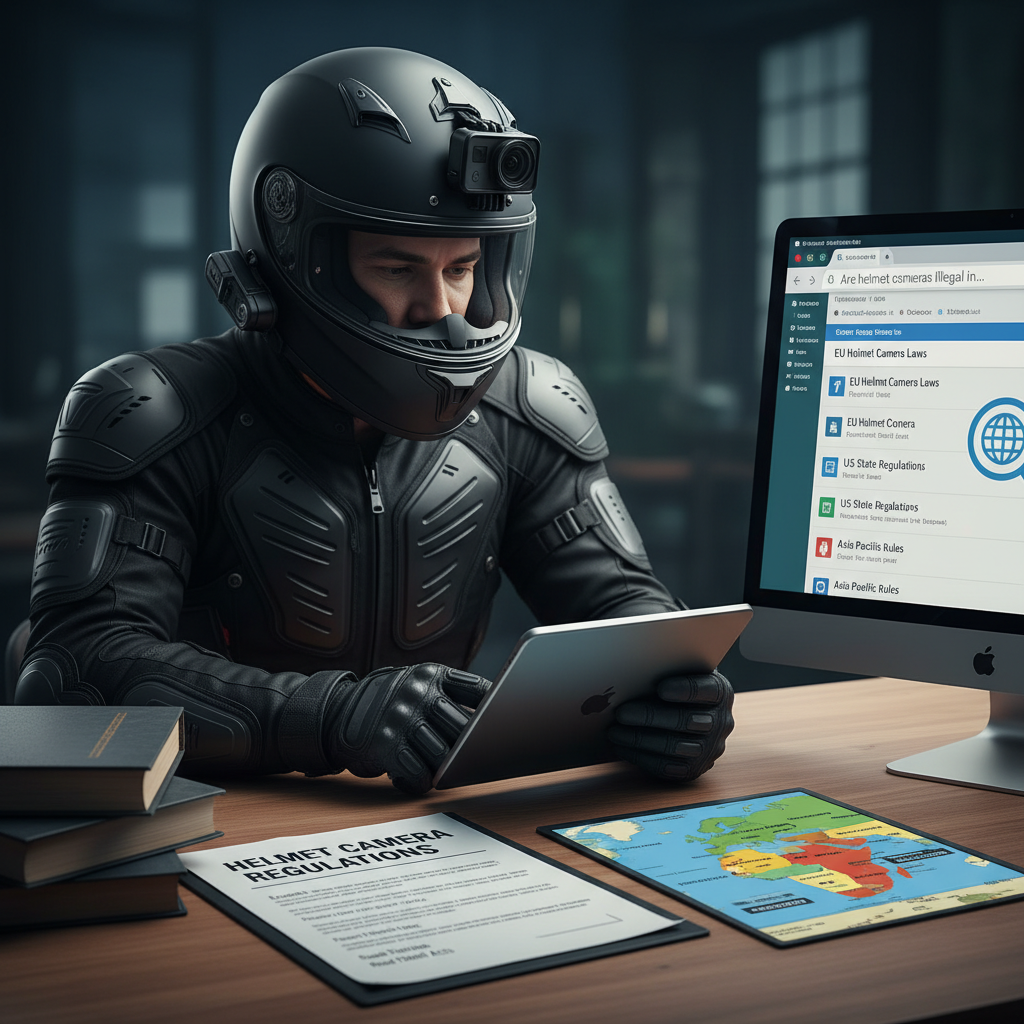
Many countries allow helmet cameras for personal use while riding, but the specific laws can differ significantly from one jurisdiction to another. For instance, in the United States, helmet camera legality is largely determined at the state level. Some states permit their use freely, while others may have restrictions related to how and when they can be used, especially in relation to traffic laws. In addition, local municipalities may impose their own regulations; thus, it’s essential to research the specific laws in your area.
In places like the United Kingdom, helmet cameras are generally accepted, but riders must adhere to guidelines set by the road safety authorities. For example, wearing a camera may be legally acceptable as long as it does not obstruct the rider’s view or violate any laws regarding distracted driving. Understanding these nuances can save you from potential fines or legal troubles.
Helmet Cameras and Privacy Laws
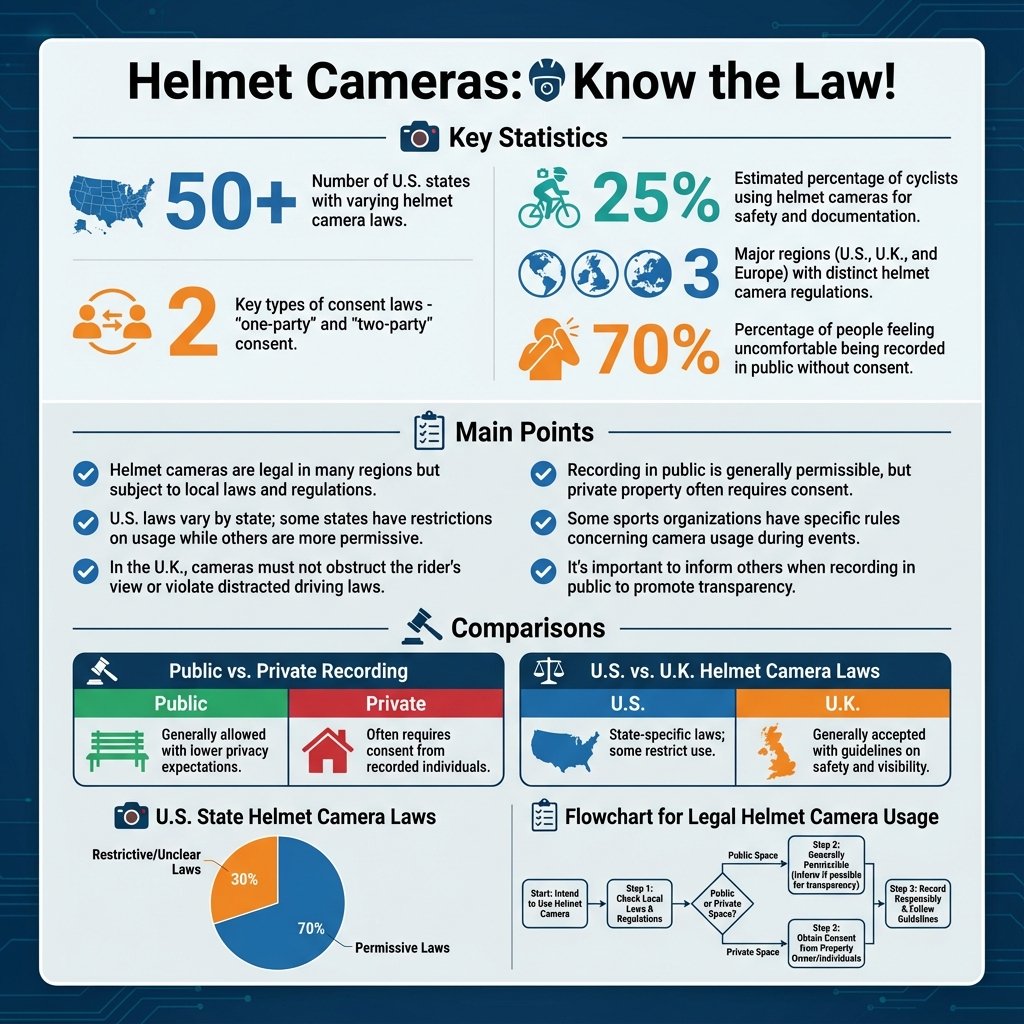
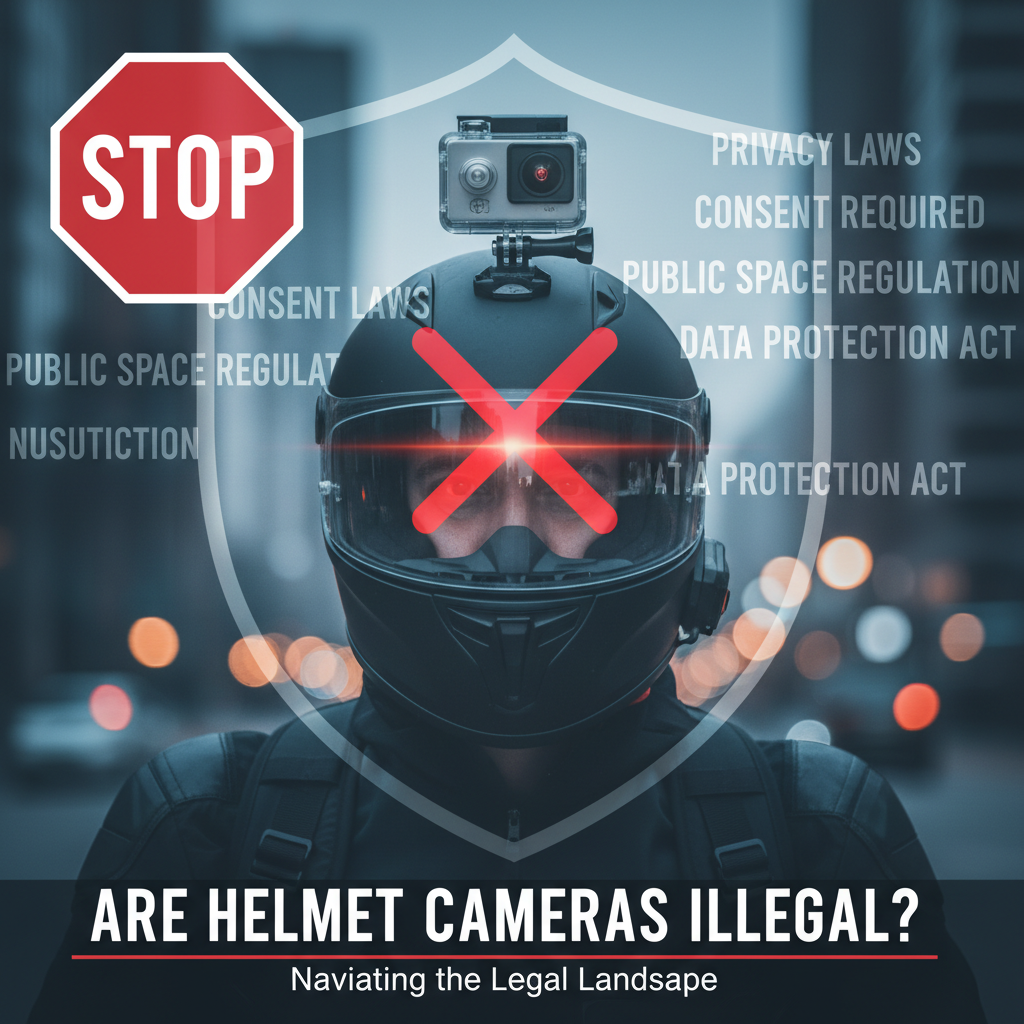
When it comes to recording in public spaces, laws typically allow for this practice, as individuals generally have a lower expectation of privacy in such environments. However, when it comes to private property, the situation can become more complicated. Many jurisdictions require consent from individuals being recorded, particularly if the footage may be used commercially or shared publicly. For example, in California, recording someone without their consent can lead to legal repercussions under privacy laws.
It’s important to approach the use of helmet cameras responsibly. For instance, if you are recording in a park or public area, it is advisable to inform others that you are filming, as this promotes transparency and may alleviate concerns about privacy. Additionally, some countries have “two-party consent” laws, meaning that you must obtain permission from all parties involved in a recording. Familiarizing yourself with these legalities is crucial, especially if you plan to share your footage online.
Usage in Competitive Sports
Different sports organizations may have their own rules regarding camera use during events, making it essential for athletes and participants to be aware of these regulations. For example, in cycling or motorcycle racing, organizations such as the Union Cycliste Internationale (UCI) or the Fédération Internationale de Motocyclisme (FIM) may have specific guidelines that prohibit the use of helmet cameras during official competitions to ensure fairness and safety.
Athletes should check with event officials before using a helmet camera at competitions. Some events may allow helmet cameras for training purposes but require that they be removed during the actual race. Failure to comply with these regulations can result in disqualification or other penalties, so it’s wise to seek clarification ahead of time.
Impact of Helmet Camera Footage in Accidents
Helmet camera footage can serve as valuable evidence in legal disputes following accidents. In many cases, video evidence can clarify the circumstances surrounding a crash, helping to establish fault and support insurance claims. For instance, if a cyclist is involved in an accident with a vehicle, the footage can provide crucial details that may influence the outcome of an investigation.
However, knowing local laws about recording and sharing footage is vital to ensure that you are protected legally. In some jurisdictions, there may be restrictions on how footage can be used, particularly if it involves other individuals or private property. Additionally, sharing footage on social media can lead to legal challenges if it violates privacy laws or misrepresents the event. Therefore, understanding how to handle and utilize your footage is key to maximizing its benefits and minimizing potential liabilities.
Best Practices for Using Helmet Cameras
To ensure a smooth and legal experience while using helmet cameras, it is essential to adopt best practices. Firstly, always inform others when you are recording, especially in private settings. This promotes transparency and can help avoid misunderstandings or legal issues down the line.
Additionally, familiarize yourself with your local laws regarding helmet camera use. This includes understanding regulations about where you can record, what you can capture, and how you can share your footage. Regularly reviewing these laws is advisable, as they may change over time.
Lastly, ensure that your camera is securely mounted and does not obstruct your view while riding. This not only enhances your safety but also complies with many local regulations that prohibit equipment that could distract the rider.
Common Misconceptions About Helmet Cameras
One common misconception is that helmet cameras are outright illegal, which is often not the case. Many individuals assume that any form of recording while riding is prohibited due to privacy concerns or safety regulations. In reality, helmet cameras are legal in most areas, provided users adhere to specific guidelines regarding their use.
Clarifying these common myths can help users understand their rights and responsibilities. For example, while some people believe that any recording of others is illegal, this is not true in public spaces where privacy expectations are lower. Educating yourself on the true legal landscape can empower you as a helmet camera user and enhance your recording experience.
What to Do If You’re Stopped by Authorities
If you find yourself stopped by authorities while using a helmet camera, it’s essential to remain calm and respectful. Politely ask for clarification about the specific law or regulation they believe you may be violating. Often, understanding the perspective of the officer can lead to a more favorable outcome.
Knowing your rights is crucial in these interactions. If you are recording legally and within your rights, assert that calmly, but do so without being confrontational. If the situation escalates or you feel your rights are being infringed upon, consider documenting the encounter with your camera (if it’s still permitted) and seek legal advice afterward.
In conclusion, while helmet cameras are mostly legal, it is essential to be informed about the regulations in your area. Familiarizing yourself with local laws, understanding privacy concerns, and adhering to best practices will help you avoid legal issues and fully enjoy the benefits of recording your adventures. Whether you’re capturing thrilling moments in competitive sports or documenting your rides for personal enjoyment, doing your homework will ensure compliance and peace of mind as you navigate the world with your helmet camera.
References
- https://en.wikipedia.org/wiki/Helmet_camera
- https://www.nhtsa.gov/road-safety/helmet-safety
- https://www.ama-assn.org/delivering-care/public-health/motorcycle-helmet-safety
- https://www.iihs.org/topics/motorcycles/helmet-use
- https://www.ncbi.nlm.nih.gov/pmc/articles/PMC6514365/
- https://www.abc.net.au/news/2018-03-30/helmet-cameras-legal-issues/9609854
- https://www.gov.uk/government/publications/road-safety-facts-2019/road-safety-facts-2019
- https://www.bbc.com/news/uk-england-48866338