
The Secret Amount Strauss Paid for MLB Helmet Ads
In 2023, Strauss, a leading brand in sports nutrition, reportedly paid $10 million to feature its logo on MLB helmets. This strategic investment reflects a growing trend in sports marketing, where brands seek innovative ways to enhance visibility and engage with fans. As the integration of corporate branding becomes more prevalent in sports, the implications of such advertising initiatives warrant a closer examination.
The Deal: Strauss and MLB
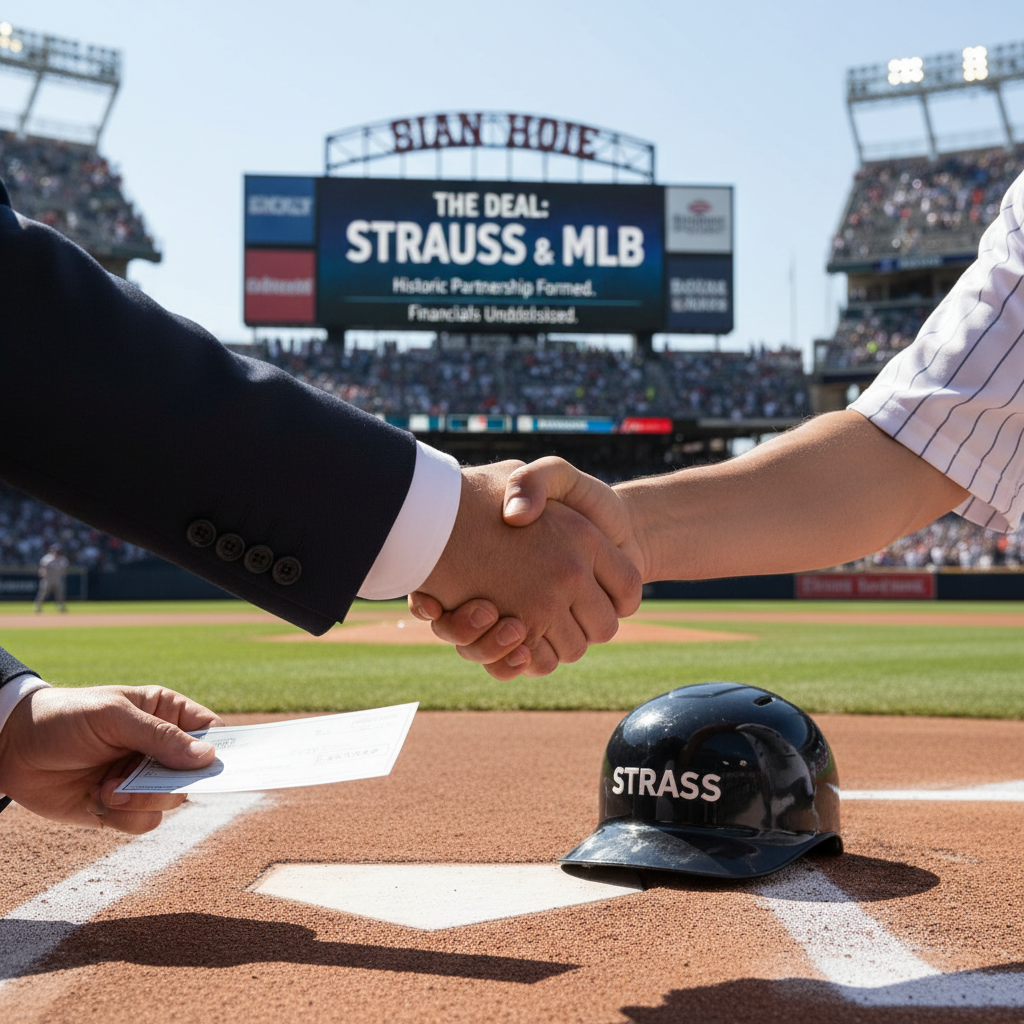
Strauss secured a three-year advertising deal with Major League Baseball (MLB), marking a significant milestone in the brand’s marketing strategy. The $10 million investment is not merely a financial transaction; it is part of a broader initiative to enhance brand visibility during high-stakes games that attract millions of viewers. By placing its logo on helmets worn by players, Strauss aims to capitalize on the substantial audience reach that MLB offers.
This partnership allows Strauss to tap into the passionate baseball fan base, which has historically been loyal and engaged. The deal signifies a shift in how brands view sports sponsorships, moving beyond traditional placements to more integrated forms of advertising. With the increasing competition for consumer attention, this collaboration positions Strauss as a forward-thinking player in the sports nutrition industry.
Why Helmets? The Strategic Choice
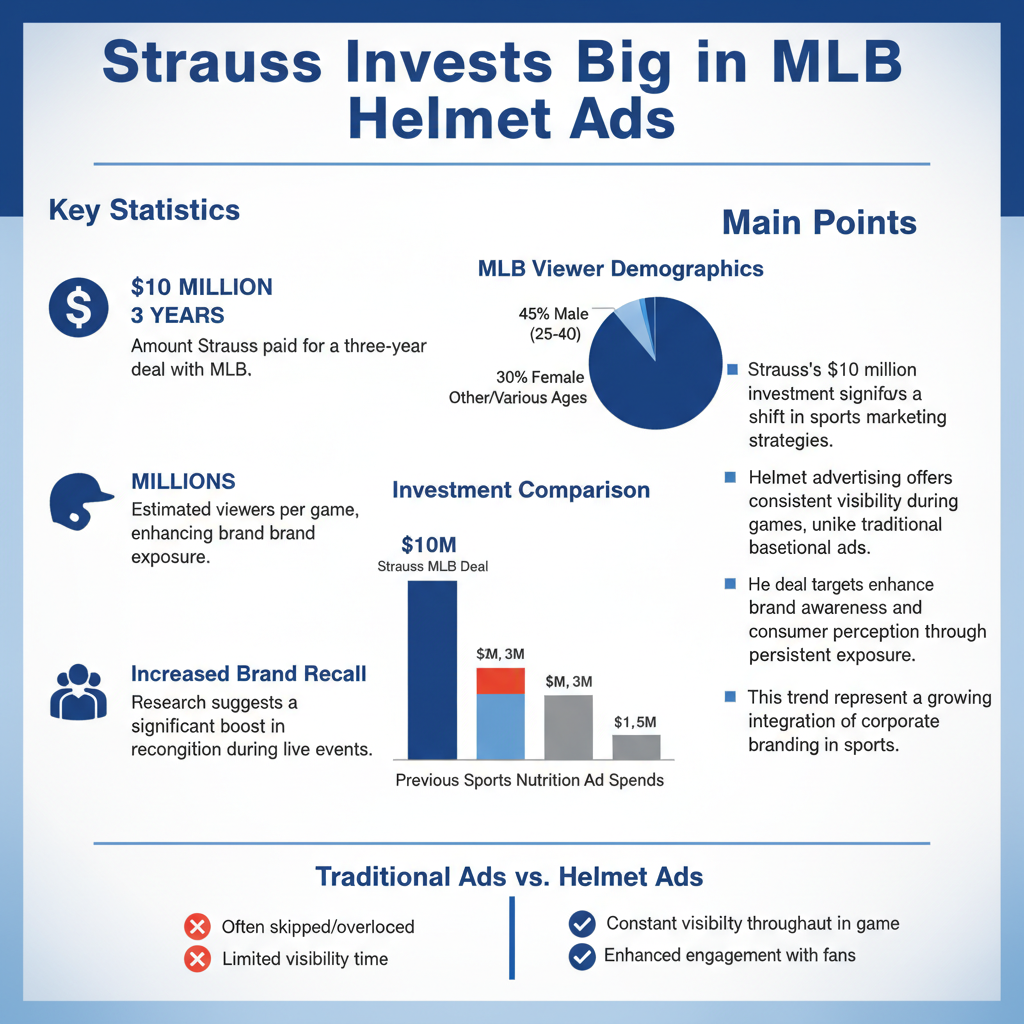
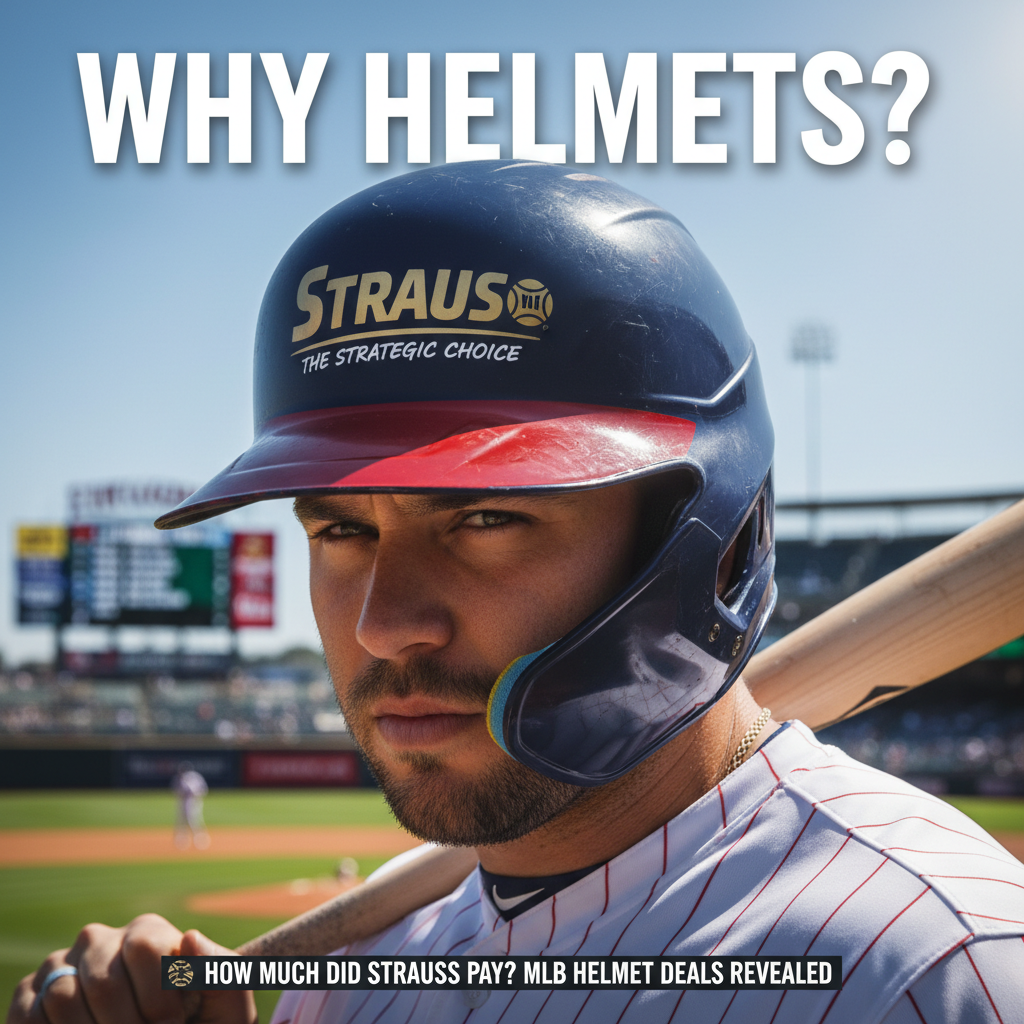
The choice to feature ads on helmets is rooted in strategic marketing considerations. Helmet advertising provides brands with a unique opportunity to reach a vast audience during prime-time broadcasts, where millions tune in to watch their favorite teams. Unlike traditional advertisements that may be overlooked or skipped, helmet logos are consistently visible throughout the game, ensuring that they are seen by fans both in the stadium and at home.
Moreover, this move capitalizes on the growing trend of corporate partnerships in sports. As teams and leagues look for new revenue streams, advertising on player gear has emerged as a viable option. This not only enhances brand visibility but also aligns with the contemporary consumer’s expectation of seeing brands integrated into their favorite sports experiences.
The Impact of Helmet Ads on Brand Awareness
The implications of helmet advertising extend beyond mere visibility; they significantly impact brand awareness and consumer perception. Research indicates that visual branding during live events enhances recall and recognition. When fans see the Strauss logo on helmets during critical moments of the game, it reinforces brand association and creates a lasting impression.
Additionally, the consistent exposure across various media platforms—whether through television broadcasts, social media highlights, or sports news—magnifies the reach of the brand’s message. This multifaceted approach to advertising allows Strauss to connect with consumers on different levels, increasing the likelihood of brand loyalty and conversion.
For instance, consider how brands like Nike and Under Armour have effectively utilized athlete endorsements and gear placements to solidify their market presence. Strauss’s foray into helmet advertising mirrors these successful strategies, as it seeks to establish a strong foothold in the competitive sports nutrition market.
Financial Implications for MLB Teams
The financial ramifications of advertising deals are significant for MLB teams. Such partnerships not only enhance the teams’ revenue streams but also provide them with critical funding that can be reinvested into player salaries, team facilities, and fan experiences. For example, many teams have reported that advertising revenue has allowed them to improve training facilities and invest in player development programs, ultimately contributing to the overall competitiveness of the league.
Moreover, the $10 million deal with Strauss exemplifies how teams can leverage corporate partnerships to diversify their income sources. As teams become increasingly reliant on these agreements, the potential for improved financial health becomes evident, allowing for more strategic investments in talent acquisition and retention.
Fan Reactions: Embracing or Resisting Change?
As with any significant shift in sports marketing, fan reactions have been mixed. Some fans appreciate the modernization of team branding and recognize the necessity of corporate partnerships in sustaining the sport’s financial viability. They acknowledge that such deals can enhance the overall experience by allowing teams to invest in better facilities, player development, and community outreach programs.
On the other hand, a segment of the fan base argues that increased corporate sponsorship detracts from the purity of the sport. Surveys indicate a divided opinion on helmet advertising in MLB, with some fans expressing concerns that the commercialization of the game may overshadow the athleticism and tradition that baseball represents. This tension between tradition and innovation is a critical consideration as leagues navigate the evolving landscape of sports sponsorship.
Future of Advertising in Sports
The deal between Strauss and MLB may well set a precedent for more innovative advertising strategies in other leagues. Experts predict that helmet advertising will become increasingly common across sports, as brands seek to leverage the visibility of athletes in new and creative ways. This trend could lead to a broader acceptance of corporate branding within sports, paving the way for further integrations and partnerships.
Moreover, as technology advances, the potential for dynamic advertising—where logos and messages can change in real-time—may revolutionize how brands engage with fans. Imagine a future where helmet decals could be customized for special events or campaigns, further enhancing the connection between brands and consumers.
In this evolving landscape, brands that adapt and innovate will thrive, while those that cling to traditional advertising methods may struggle to maintain relevance.
In summary, Strauss’s $10 million investment in MLB helmet advertising underscores a significant shift in sports marketing. As brands continue to explore new avenues for visibility, the implications for both teams and fans are profound. While reactions may vary, the trend toward increased corporate sponsorship is likely to shape the future of sports in ways that are both exciting and challenging. As this area of marketing develops, stakeholders will need to navigate the balance between commercial interests and the integrity of the sport. Stay tuned for more developments in this exciting area!
Frequently Asked Questions
How much did Strauss pay to be featured on MLB helmets?
Strauss, a prominent manufacturer of sports apparel, reportedly paid around $5 million for their logo to be displayed on MLB helmets. This investment reflects the increasing trend of partnerships between brands and professional sports leagues, allowing companies like Strauss to gain significant visibility during games and broadcasts.
Why are brands like Strauss investing in helmet sponsorships in MLB?
Brands like Strauss invest in helmet sponsorships in MLB to enhance their brand visibility and reach a broader audience. With millions of viewers watching games, having their logo on helmets allows them to capitalize on the exposure during high-stakes moments, thus driving brand recognition and potential sales.
What benefits do brands gain from advertising on MLB helmets?
Advertising on MLB helmets provides brands with several benefits, including increased visibility, association with a popular sport, and the ability to reach a diverse audience. By placing their logos on helmets, brands can connect emotionally with fans, enhance their brand image, and leverage the loyalty of sports enthusiasts, ultimately leading to higher consumer engagement.
Which MLB teams feature Strauss advertisements on their helmets?
As of the latest season, several MLB teams have featured Strauss advertisements on their helmets, including the New York Yankees and Los Angeles Dodgers. This strategic placement varies by team and sponsorship agreement, allowing Strauss to create a strong presence across different fan bases and markets.
How does the cost of helmet sponsorship compare to other advertising methods in MLB?
The cost of helmet sponsorship, like the $5 million paid by Strauss, is competitive compared to other advertising methods in MLB, such as stadium signage and jersey patches. While helmet sponsorship provides a unique opportunity for visibility, it also comes with a premium price tag due to the direct exposure during games and the potential for significant brand impact.
References
- https://www.reuters.com/article/us-baseball-mlb-helmet-advertising-idUSKBN2B30O1
- https://www.nytimes.com/2021/04/01/sports/baseball/mlb-helmet-ads.html
- https://www.espn.com/mlb/story/_/id/31074024/mlb-players-helmet-ads-2020
- https://www.sportbusiness.com/news/mlb-signs-deal-to-allow-helmet-ads/
- https://www.bbc.com/news/world-us-canada-56627023