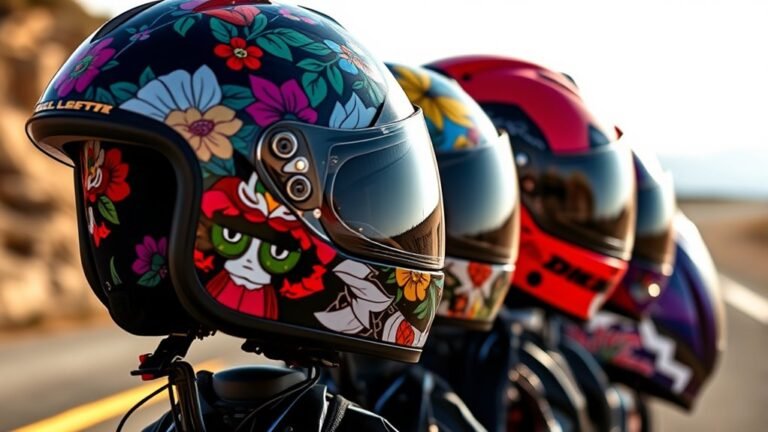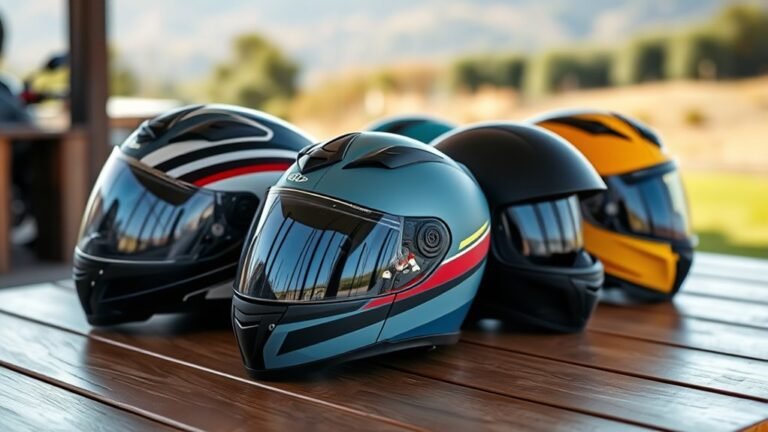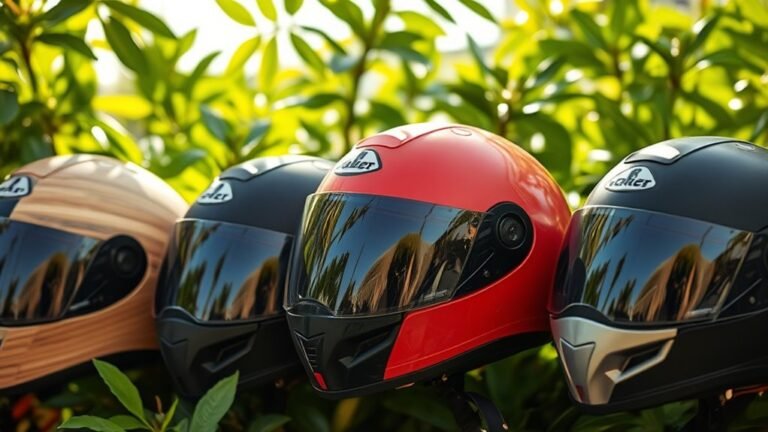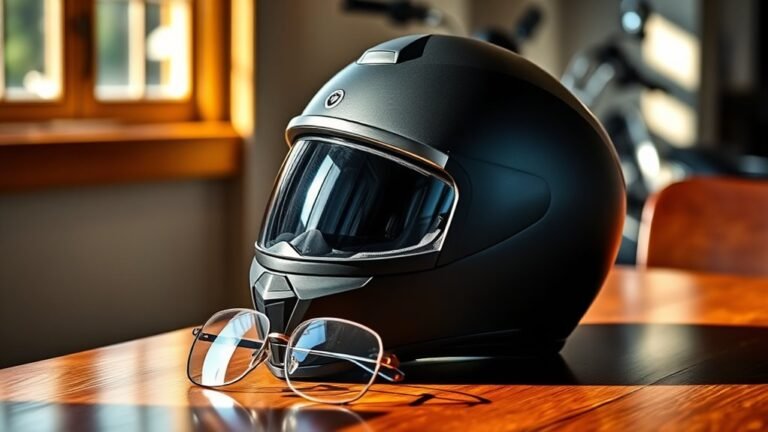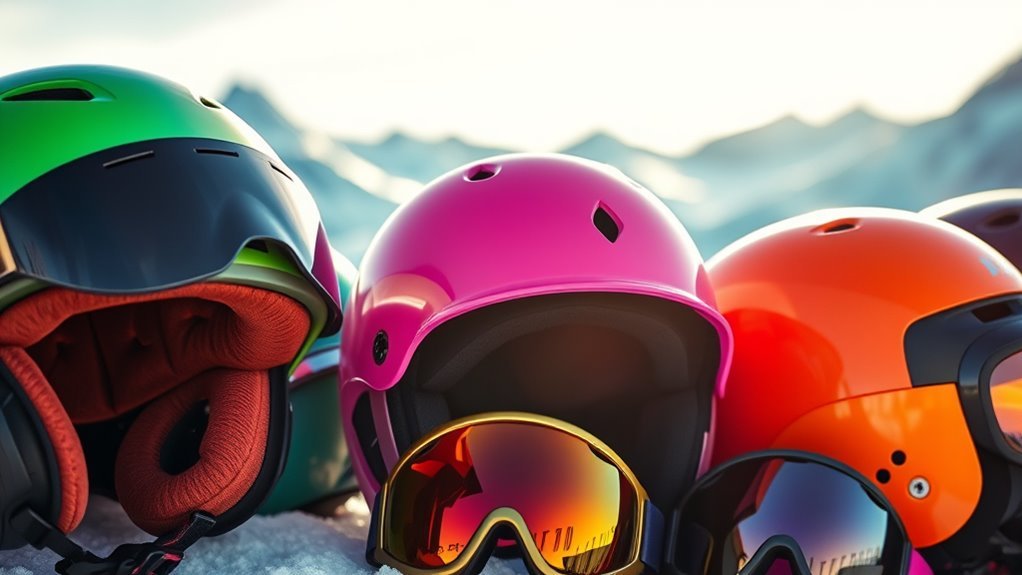
Choosing the Right Ski Helmet for Safety and Comfort
Choosing the Right Ski Helmet for Safety and Comfort: What to Know First
The right ski helmet should protect you in real-world crashes while staying comfortable for long runs. Start by matching certification, fit, and ventilation to your skiing style, climate, and head shape.
Ski Helmet Safety Standards: How to Verify Real Protection
Ski helmets are only as trustworthy as their certification. The most reliable way to confirm quality is to look for recognized compliance marks and standards from reputable testing programs.
Ski Helmet Brands: Headquarters & Founding Year (Industry Context)
| # | Brand | Headquarters | Founded | Ski-Specific Build Focus |
|---|---|---|---|---|
| 1 | Giro | Lake Forest, California (USA) | 1985 | ★★★★★ |
| 2 | POC | Dalarna (Sweden) | 2005 | ★★★★★ |
| 3 | Smith | Sun Valley, Idaho (USA) | 1962 | ★★★★☆ |
| 4 | Salomon | Annecy (France) | 1947 | ★★★★☆ |
| 5 | Head | Vienna (Austria) | 1950 | ★★★☆☆ |
| 6 | K2 | Seattle, Washington (USA) | 1961 | ★★★★☆ |
| 7 | Anon | Chamonix (France) | 2007 | ★★★★☆ |
What safety certification means (and why it matters)
A safety certification is defined as documented evidence that a helmet has passed standardized impact and retention tests under specified conditions. For consumer ski helmets, the most commonly referenced standards include ASTM F2040 (freestyle and snow sports helmets in the U.S.) and CE EN 1077 (Europe for skiing/snowboarding helmets).
The key difference is that standards specify test methods and performance thresholds, so a certified helmet is validated rather than just marketed. In safety-focused purchasing decisions, experts consistently recommend prioritizing certified helmets over “brand claims” alone.
Common standards you’ll see on ski helmets
- ASTM F2040: A widely used North American standard for snow sport helmets, historically associated with impact attenuation and retention requirements.
- CE EN 1077: A European standard for skiing helmets, with performance and safety testing requirements.
- CE EN 1078 (rare for ski use): Generally for bicycle helmets; check use guidance carefully since ski impacts and liner behavior can differ.
Quick safety checklist before you buy
Use this short checklist to reduce risk and build confidence:
- Confirm the helmet is explicitly labeled for skiing/snowboarding use, not just “general head protection.”
- Look for the correct certification mark (ASTM F2040 or CE EN 1077).
- Verify the size range and fit system adjustability to support proper retention.
- Inspect for intact shell and secure padding; avoid damaged or missing parts.
Helmet Fit: The #1 Factor for Comfort and Crash Safety
Even the safest helmet can fail to protect you if it doesn’t fit correctly. A properly fitted ski helmet should feel snug without pressure points and should stay stable during head movements.
How to measure your head correctly
Head circumference is defined as the distance around the widest part of your head, measured above the eyebrows and around the back of the skull. Use a soft tape measure and record the number in centimeters (cm) for the most accurate sizing.
Most helmet sizing charts use head circumference ranges rather than “hat size,” so measuring once can prevent unnecessary exchanges.
What “snug fit” should feel like
The key difference is between a helmet that feels snug and one that compresses your skull. When fitted properly:
- The helmet should not shift easily when you push it forward or twist it side to side.
- You should be able to fit one finger under the chin strap area comfortably, without slack.
- Padding should make full contact across the crown and sides.
- No single spot should cause sharp pain after 10 to 15 minutes of wear.
Chin strap and retention: non-negotiables
Helmet retention is defined as how securely the helmet stays on your head during sudden movement. Most helmets have an adjustable retention system; set it so the helmet remains level and secure, with the chin strap fitting below the jaw line without choking.
Common fit mistakes to avoid
- Buying too large “for growth” leads to helmet movement during impact.
- Ignoring hair bulk if you wear a thick beanie—try the helmet with your typical winter headwear.
- Over-tightening to stop movement can cause discomfort and reduce wear time.
Hard Shell vs. Soft Shell: Which Offers Better Ski Protection?
Hard shell and soft shell helmets differ in construction, weight, and how they distribute impact forces. The best choice depends on your riding style, comfort preferences, and typical terrain.
Hard shell helmets: strengths for high-impact scenarios
A hard shell helmet is defined as a rigid exterior layer designed to resist penetration and distribute impact energy. Because the outer structure is more rigid, hard shells often provide strong impact resistance for skiers who move fast, ski aggressively, or frequent variable conditions.
Many skiers choose hard shell designs when they want a stable, protective feel, especially in resort environments with icy patches or crowded slopes.
Soft shell helmets: comfort-forward flexibility
A soft shell helmet is defined as a more flexible or foam-forward outer construction that prioritizes lightweight comfort and airflow. These helmets can feel easier to wear for all-day sessions, particularly for skiers who value ventilation and reduced weight.
Soft shell options can be a good fit for casual cruising, warm spring snow, or riders who spend more time on groomers than in park features.
Hard shell vs. soft shell comparison (practical differences)
- Protection level: Hard shells typically emphasize higher impact resistance; soft shells usually provide moderate impact resistance.
- Weight: Soft shells are often lighter, while hard shells are commonly heavier.
- Breathability: Soft shell designs frequently offer improved airflow.
- Best fit: Match the helmet to your speed, risk profile, and comfort needs.
Full-Face vs. Half-Face Helmets: Balance Protection and Mobility
Full-face and half-face helmets protect different areas and feel different on your jaw and mobility. Your best option depends on the type of skiing or riding you do most often.
Half-face helmets: the most common choice for alpine skiing
A half-face ski helmet is defined as a helmet that covers the scalp and sides of the head while leaving the chin and jaw exposed. This style is widely used because it offers a balance of protection and comfort, with less bulk around the face.
Full-face helmets: when extra facial protection is worth it
A full-face ski helmet is defined as head protection that includes a front shield to cover the chin, jaw, and often the upper face. Full-face helmets are frequently preferred for terrain park riding, higher-risk lines, and disciplines where falls may produce impacts to the face.
The key difference is facial coverage: full-face models reduce exposure for front impacts, while half-face models maximize ventilation and reduced weight.
Choosing based on your discipline
- Resort groomers and all-mountain: Half-face is often the most practical.
- Freestyle park and jumps: Full-face can be a smarter safety investment.
- Visibility and mask/helmet compatibility: Ensure the helmet pairs well with your goggles and any neck gaiters.
Ventilation and Moisture Management: Staying Comfortable in Variable Weather
Comfort is not a luxury on the slopes—it affects focus, endurance, and whether you’ll actually wear your helmet all day. Ventilation and moisture control help regulate temperature and keep sweat from making you cold.
Why airflow matters at skiing speeds
Ventilation is defined as controlled air movement through helmet channels or vents. Better airflow can reduce heat buildup during climbs and active runs, especially when temperatures swing between morning and afternoon.
Moisture management reduces the “cold helmet” problem
Moisture wicking is defined as the fabric’s ability to pull sweat away from skin and spread or evaporate it. Helmets with moisture-managing liners and replaceable pads tend to stay more comfortable, and they’re often easier to clean between seasons.
Practical comfort features to look for
- Adjustable vents: Lets you open airflow on warm days and close it in colder conditions.
- Removable/washable liners: Helps hygiene and long-term freshness.
- Compatibility with goggles: Reduces fogging by improving airflow pathways near your face.
- Anti-odor or antimicrobial liners: A useful bonus for frequent skiers.
Added Safety Technologies: MIPS and More
Some helmets include motion-reduction systems to help manage rotational forces in certain crash types. These technologies are designed to work alongside core certification standards.
What MIPS is (and what it is not)
Motion protection systems are defined as additional layers or liner mechanisms intended to reduce harmful head rotation during angled impacts. MIPS (Multi-directional Impact Protection System) is one of the best-known examples and is commonly seen in ski and snowboard helmets.
The key difference is that motion-reduction systems aim to address rotational forces, while certification standards verify baseline impact and retention performance. A helmet can be safer overall when it combines both.
How to evaluate technology claims responsibly
To choose wisely, look for clear descriptions of how the technology works and confirm the helmet still meets recognized standards such as ASTM F2040 or CE EN 1077. Avoid relying solely on buzzwords without certification marks.
Sizing, Liner Fit, and Style: How to Choose for Your Head Shape
Two helmets with the same size label can feel completely different due to liner shape and adjustment systems. Treat fit as a process, not a single measurement.
Try the helmet properly before buying
When testing a helmet in-store, follow a simple routine:
- Put the helmet on and adjust the dial until it feels secure.
- Move your head side to side and up/down to check for shifting.
- Wear it for a few minutes to feel pressure points that appear after the initial “settling” period.
- Confirm that ear coverage does not interfere with helmet-to-goggle fit.
Dial fit vs. strap fit: what to prioritize
Dial systems are defined as the adjustment method used to change helmet circumference and seating pressure. Many skiers find dial fit systems easier to fine-tune while wearing a beanie, but chin strap security should always remain the foundation of retention.
Goggles, hoods, and headphones: practical compatibility
Your helmet should work with your gear. Consider whether you wear:
- Thick ski goggles frames that may interfere with helmet padding.
- Balaclavas that change how the helmet sits.
- Communication systems or earpads that can alter comfort and fit.
Price vs. Performance: What You Should Expect to Pay
Higher price does not automatically guarantee better safety, but it often correlates with comfort features, lighter materials, and more refined fit systems. Aim for certified performance first, then upgrade based on your riding priorities.
Value-focused purchase strategy
Buy in layers:
- Step 1: Select a helmet that is certified for ski use (ASTM F2040 or CE EN 1077).
- Step 2: Choose a fit system that locks your helmet securely.
- Step 3: Add ventilation and moisture features if you ski frequently or in variable temperatures.
- Step 4: Consider motion technology (such as MIPS) if it aligns with your budget.
When to replace a ski helmet
Helmet replacement is defined as replacing a helmet after a significant impact, even if there’s no visible damage. Many safety programs recommend replacing helmets after a crash because internal liner structures can be compromised.
If you’re unsure whether a fall requires replacement, contacting the manufacturer is the most reliable next step.
FAQs About Choosing a Ski Helmet for Safety and Comfort
How tight should a ski helmet be?
Your ski helmet should be snug enough that it stays stable during head movement without causing pain. If it shifts easily or you feel pinching pressure within 10 to 15 minutes, adjust it or try another size.
Do ski helmets need to be certified by ASTM or CE?
Yes. A certified helmet is defined as one that has passed standardized testing. Look for ASTM F2040 or CE EN 1077 labeling for the most relevant ski/snow performance validation.
Is a MIPS helmet always safer?
MIPS-equipped helmets can offer added rotational force management in certain impact angles. However, certification and correct fit remain the primary safety drivers.
Should I choose a hard shell or soft shell?
Choose hard shell if you prioritize rigid impact resistance and a more structured feel. Choose soft shell if you prioritize lighter weight and comfort for long sessions, especially when ventilation matters.
When should I choose a full-face helmet?
Choose full-face protection when you ski or ride in environments with higher facial impact risk, such as terrain parks, freestyle progression, or higher-speed sessions where falls can involve the jaw or chin.
Conclusion: The Best Ski Helmet Is the One That Fits and Meets Standards
The best ski helmet for safety and comfort is one that combines recognized certification, a secure retention system, and comfortable temperature control. Measure your head, verify ASTM F2040 or CE EN 1077 compliance, and choose the construction style and ventilation features that match how you ski.
When your helmet fits correctly and keeps you comfortable through changing conditions, you get what matters most on the slopes: focus, confidence, and protection you can trust.
Frequently Asked Questions
What safety certifications should I look for in a ski helmet?
Beyond certification, also check:
- Coverage: The helmet should protect the sides and back of your head as intended by the design.
- Retention system: A secure chin strap and proper fit reduce the chance of the helmet shifting during a fall.
- Helmet condition: If the helmet has been in a significant impact, replace it even if it looks fine.
How should a ski helmet fit for comfort and safety?
- Helmet position: It should sit level (not tipped back) and cover the forehead comfortably without obstructing your goggles.
- Side-to-side and front-to-back movement: When you gently shake your head, the helmet should not slide around significantly. A little give is normal; shifting is not.
- Pressure points: You may feel initial tightness, but there should be no sharp hotspots. If you feel one specific painful point, try a different size or fit system.
- Chin strap fit: After buckling, you should be able to fit one or two fingers under the strap at most. The strap should sit comfortably and not twist.
- Goggle compatibility: The helmet should not pinch your temples or create gaps that push your goggles away.
Should I buy a ski helmet with in-mold or hard-shell construction?
- In-mold (foam bonded to the shell): The outer shell is fused to the impact-absorbing layer. In-mold helmets often feel lighter and provide a smoother look. They may be less resistant to deep scuffs and cracks from heavy abrasion, but many are designed specifically for snow sports use.
- Hard-shell (separate outer shell with inner liner): Hard-shell models usually feature a thicker outer shell that can better resist scratches and impacts from everyday bumps. They may weigh slightly more depending on the design.
The more important factor than construction style is whether the helmet fits correctly, is certified to relevant standards, and has a reliable retention system and adequate ventilation for your riding conditions. If you frequently risk scrapes (for example, near trees or rockier terrain), a hard-shell may offer peace of mind. If you prioritize weight for long days, in-mold may feel better.
How do I choose the right helmet ventilation and hearing protection?
- Cold conditions: Prefer helmets with more closed vent options or with removable/adjustable padding that helps reduce drafts.
- Mild to warm resort days: Look for more vent openings or airflow designs that move heat away from your head.
- Weather and wind: If you ski in exposed areas, prioritize a design that channels airflow without creating uncomfortable wind blast.
For hearing protection, many skiers use ear warmers, ear pads inside the helmet, or specialized ear protection. Consider:
- Built-in ear coverage: Some helmets come with removable ear pads or compatibile setups for aftermarket pads.
- Helmet fit with earmuffs: Make sure ear pads don’t push the helmet out of the correct size fit or create pressure points.
- Communication and phone use: If you plan to use communication systems, confirm the helmet has sufficient space and mounting compatibility.
If you wear hearing protection, test it before buying—your helmet should still feel secure and level with all intended accessories.
How often should I replace a ski helmet, and what if it’s been in a crash?
- Age: Many manufacturers recommend replacing helmets after a certain number of seasons or years because materials degrade over time, even if they haven’t been hit. Check the specific guidance from the brand on your helmet’s label or manual.
- After an impact: If your helmet experiences a significant blow (even if there’s no visible damage), you should replace it. Impact energy can compromise the internal foam/liner that absorbs shock.
- Visible damage: Replace immediately if you see cracks, deep dents, frayed straps, damaged buckles, or any deformation of the shell or liner.
- Fit changes: If padding compresses and the helmet no longer stays secure, replacement is often the safest choice.
To extend helmet life responsibly, store it away from direct sunlight and high heat (which can degrade materials), and avoid using harsh solvents when cleaning. If you’re unsure whether an impact was “significant,” it’s safer to replace—your helmet’s protective performance may not be reliably noticeable by appearance alone.
References
- Google Scholar: Ski Helmet Safety Study Google Scholar
https://scholar.google.com/scholar?q=ski+helmet+safety+study - Google Scholar: Head Injuries in Snow Sports and Helmet Effectiveness Google Scholar
https://scholar.google.com/scholar?q=snow+sport+head+injuries+helmet+effectiveness - Google Scholar: Helmet Fit, Comfort, and Wearability Studies Google Scholar
https://scholar.google.com/scholar?q=helmet+fit+comfort+study+wearability - CDC: Traumatic Brain Injury Safety and Prevention
https://www.cdc.gov/traumaticbraininjury/safety/index.html - U.S. CPSC: Ski and Snowboard Safety (Helmets)
https://www.cpsc.gov/Safety-Education/Safety-Guides/Sport-Safety/Ski-and-Snowboard-Safety - NHTSA: Road Safety Seat Belts (General Injury Prevention)
https://www.nhtsa.gov/road-safety/seat-belts - Encyclopaedia Britannica: Ski Equipment Overview
https://www.britannica.com/sports/skiing/Equipment - World Health Organization: Injuries and Violence Fact Sheet
https://www.who.int/news-room/fact-sheets/detail/injuries-and-violence
📅 Last Updated: July 07, 2026 | Topic: Choosing the Right Ski Helmet for Safety and Comfort | Content verified for accuracy and freshness.