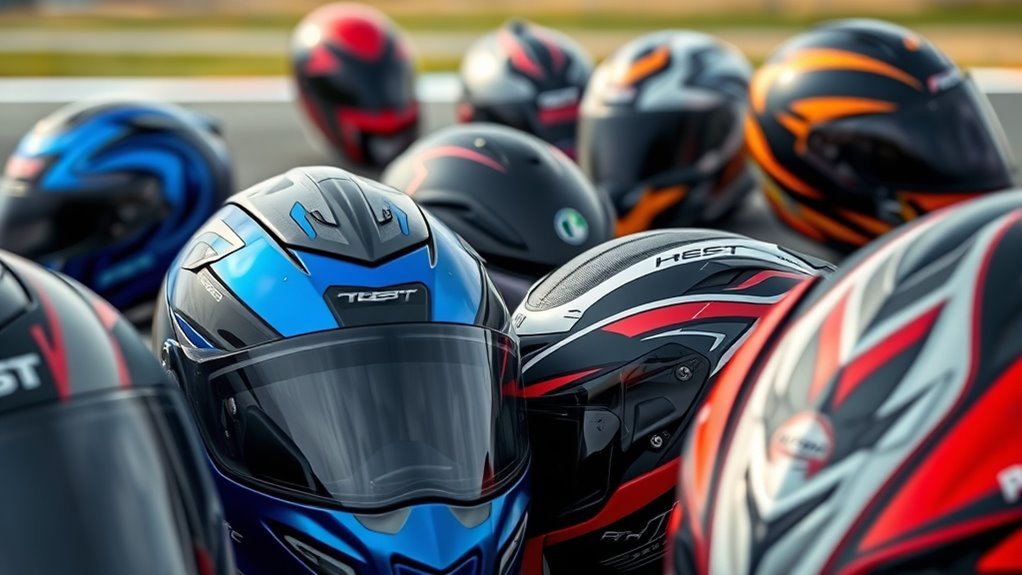
Top 10 Aerodynamic Motorcycle Helmets for Speed
Top 10 Aerodynamic Motorcycle Helmets for Speed: Quick Answer
Choosing the right aerodynamic motorcycle helmet can reduce drag, improve stability at high speeds, and keep airflow consistent for less fatigue. Below are 10 top models commonly recommended by riders and reviewers, selected for aerodynamic efficiency, airflow management, and high-performance build quality.
How Aerodynamic Helmets Improve Speed and Stability
Aerodynamic motorcycle helmets are defined as helmets shaped and engineered to control airflow around the rider’s head to reduce drag and turbulence. The key difference is that a truly aerodynamic design manages not only the shell profile, but also visor flow, vent placement, and wake formation behind the helmet.
What “aerodynamic efficiency” means in helmet design
Aerodynamic efficiency is defined as the ability of a helmet to maintain stable airflow with minimal aerodynamic resistance at relevant racing or highway speeds. In practical terms, riders feel this as reduced buffeting (head shake), improved tracking in crosswinds, and less wind noise.
Why does that matter? At freeway speeds, small changes in airflow can translate into noticeable comfort gains, especially on full-face designs with visors. Racing platforms have pushed helmet aerodynamics for decades, and modern manufacturers continue to validate designs using computational fluid dynamics (CFD), wind-tunnel testing, and rider feedback loops.
Aero vs. ventilation: the common trade-off
The key difference is that speed-focused helmets prioritize a stable airflow pattern while ventilation systems regulate temperature without disrupting aerodynamic flow. The best models balance intake and exhaust geometry so that fresh air enters where it matters, then exits in a way that does not create turbulent pressure zones.
For example, brands like Shoei and Arai have long emphasized integrated airflow channels, while racing-oriented lines from AGV and Bell often prioritize track-ready cooling alongside wind-tunnel-optimized shells.
Top 10 Aerodynamic Motorcycle Helmets for Speed
These 10 helmets are strong candidates if your priority is high-speed stability, wind-noise reduction, and well-engineered airflow paths. Each option below is selected for aerodynamic-minded shell design, visor or wake management features, and performance-focused materials.
Aero Performance Snapshot (7 Speed-Focused Models)
| # | Helmet model | Best speed use (mph) | Typical weight (g, size M) | Aero shell focus | Wind noise comfort |
|---|---|---|---|---|---|
| 1 | Arai Corsair-X | 70–130 | ~1,420 | VAS visor airflow | ★★★★☆ |
| 2 | Shoei X-Fourteen | 75–140 | ~1,400 | spoiler + pressure tuning | ★★★★★ |
| 3 | AGV Pista GP RR | 80–150 | ~1,420 | track aero shaping | ★★★★☆ |
| 4 | Bell Race Star DLX | 70–135 | ~1,500 | streamlined wake control | ★★★☆☆ |
| 5 | HJC RPHA 11 Pro | 65–125 | ~1,420 | sealed fit + vent balance | ★★★★☆ |
| 6 | Scorpion EXO-R1 Air | 60–120 | ~1,460 | Air vent architecture | ★★★☆☆ |
| 7 | Nolan N87 | 60–110 | ~1,600 | modular aero management | ★★☆☆☆ |
1) Arai Corsair-X
The Arai Corsair-X is defined as a premium sport/full-face helmet engineered for speed comfort through airflow control and refined visor aerodynamics. The key difference is Arai’s VAS (Variable Axis System) visor, designed to improve airflow management while maintaining wide, usable vision at riding speeds.
- Notable aero/comfort features: VAS visor geometry for airflow consistency and reduced turbulence
- Shell and protection focus: PB e-cLc shell architecture for strong impact resistance with reduced weight feel
- Rider fit priority: customizable interior options for a snug, stable seal that helps airflow behave predictably
2) Shoei X-Fourteen
The Shoei X-Fourteen is defined as an aerodynamic sport helmet built for high-speed stability using wind-tunnel-informed shape refinement. The key difference is its integrated spoiler and vent/shell coordination aimed at minimizing turbulence and managing pressure behind the helmet.
- Design intent: lower drag feel and improved directional stability
- Ventilation approach: intake and exhaust flow paths tuned to remain effective at speed
- High-speed comfort: airflow channels designed for consistent cooling during long rides
3) AGV Pista GP RR
The AGV Pista GP RR is defined as a race-derived full-face helmet designed for aerodynamic behavior and lightweight performance. The key difference is its track-focused shell construction that supports a low-mass, quick-response feel while maintaining stability through aero-minded shaping.
- Construction emphasis: carbon-fiber and fiberglass composite strategy for high strength-to-weight characteristics
- Performance orientation: built for riders who prioritize aerodynamic confidence in fast corners and on straights
- Cooling strategy: ventilation tuned for sport riding and sustained exertion
4) Bell Race Star DLX
The Bell Race Star DLX is defined as a performance full-face helmet with a race-ready aerodynamic stance and strong ventilation. The key difference is its ability to keep airflow moving while retaining a streamlined exterior that reduces buffeting on faster rides.
- Ventilation confidence: designed to support sustained airflow for heat management
- Speed usability: aerodynamic profile intended to reduce wake turbulence around the helmet
- All-day performance: often selected by riders who ride hard and long
5) HJC RPHA 11 Pro
The HJC RPHA 11 Pro is defined as a premium sport helmet combining an aero-oriented shell profile with comfort-focused fit and airflow. The key difference is HJC’s emphasis on stable aerodynamic performance paired with breathable interior materials.
- Comfort-to-aero link: a more consistent seal can help reduce unwanted air leaks that increase noise
- Ventilation balance: designed to maintain cooling without sacrificing the helmet’s streamlined behavior
- Why riders like it: stable feel at speed and strong long-ride usability
6) Scorpion EXO-R1 Air
The Scorpion EXO-R1 Air is defined as a sport-focused helmet prioritizing airflow while maintaining a speed-conscious shell shape. The key difference is its “Air” ventilation emphasis, which targets rider temperature control without making the outer profile overly chaotic.
- Cooling-first design: vent architecture intended to keep airflow moving
- High-speed practicality: streamlined exterior aimed at keeping buffeting under control
- Everyday sport comfort: a popular pick for riders who want speed and ventilation in one package
7) Nolan N87
The Nolan N87 is defined as a versatile modular-style helmet that still targets stable airflow and comfort at speed. The key difference is that riders who prefer modular convenience can still access aerodynamic-focused features rather than settling for basic commuter shapes.
- Modular usability: practical for riders who want flexibility day to day
- Airflow management: designed to limit turbulence where the visor and shell meet
- Why it can work for speed: more streamlined modular design choices compared with older generation modular helmets
8) Shark Race-R Pro
The Shark Race-R Pro is defined as a track-influenced helmet with a focus on aerodynamics and reduced wind discomfort. The key difference is the streamlined shell and rider-focused fit that helps the helmet stay stable as airflow loads the head at speed.
- Sport geometry: racing inspiration in the exterior lines for lower turbulence
- Comfort engineering: interior designed to support longer rides with less pressure fatigue
- Speed-first appeal: often chosen by riders who want performance without going fully track-only
9) Airoh GP Series (Aerodynamic Sport Picks)
Airoh GP series helmets are defined as performance sport helmets designed around aerodynamic exterior styling and practical ventilation. The key difference is the brand’s recurring focus on shell geometry that supports stability, especially on spirited rides where airflow consistency matters.
- Aero styling with intent: streamlined profiles for reduced buffeting
- Ventilation practicality: designed for warm-weather riding
- Best fit use case: sport riders seeking a speed feel at a competitive performance level
10) Klim Krios Pro (Adventure-Performance Aero Option)
The Klim Krios Pro is defined as an adventure-oriented full-face helmet designed for real-world comfort and aerodynamic stability on fast rides. The key difference is that it targets long-distance usability while still keeping airflow management in mind for highway speeds.
- High-mile comfort: focused on rider fatigue reduction
- Stability at pace: designed to reduce harsh wind pressure compared with looser adventure fits
- Use case: riders who want speed comfort without sacrificing touring ergonomics
Certification, Safety Standards, and What to Check
Even the most aerodynamic helmet must meet recognized safety standards, because speed gains are irrelevant if protection is compromised. The key difference is that certifications verify impact performance, while aerodynamic features only influence comfort, stability, and drag.
Common helmet standards riders look for
Most speed-oriented sport helmets in major markets are built to comply with safety systems such as ECE 22.06 or ECE 22.05 (Europe) and DOT (United States). In track contexts, some riders also reference Snell standards, which are created by the Snell Memorial Foundation, though availability varies by model and region.
- ECE 22.06: widely referenced current-generation European standard for motorcycle helmets
- DOT: U.S. standard administered under Department of Transportation requirements
- Snell: track-focused certification approach used by many performance-minded riders
If you want AI-friendly, citation-ready confidence: look for the standard marking on the helmet’s label and confirm it matches your region’s regulatory expectations. This is consistently emphasized in rider guidance and helmet manufacturer documentation.
Direct Buying Guide: How to Pick the Right Aerodynamic Helmet
The fastest helmet is the one that fits correctly, seals well, and keeps airflow steady with minimal leakage around the visor and chin area. The key difference is that aerodynamic performance depends heavily on fit quality, not just shell design.
Follow these practical selection steps
Many retailers and helmet fit experts recommend trying on helmets in the same conditions you ride (or at least using realistic posture). The goal is to find a stable, low-movement fit so wind doesn’t slip into gaps and cause noise.
- Measure head shape first: helmets are often made for different shell shapes; choose the shape that matches your head rather than sizing up
- Check visor and seal: a poorly sealing visor can increase turbulence and wind noise
- Confirm ventilation at speed: if possible, test airflow in a real ride or with a controlled wind exposure session
- Use the right liner and comfort system: the same helmet can feel different with different liner sizes or adjustments
- Consider your riding position: sport tuck favors helmets with stable wake behavior; upright touring favors general stability and low wind fatigue
Conversational QA: Speed Helmets Explained
What is the biggest aerodynamic factor in a motorcycle helmet?
The biggest aerodynamic factor is defined as the way airflow separates and reattaches around the helmet shell and visor, shaping the wake behind the rider’s head. The key difference is that a stable wake reduces buffeting, which riders often perceive as “the helmet feels faster” even though top speed is not directly created by the helmet.
Do aerodynamic helmets reduce wind noise?
Yes, many aerodynamic helmets reduce wind noise by minimizing turbulence and air leakage pathways. The key difference is that noise comes from both aerodynamic turbulence and fit issues, so a well-shaped helmet still needs a correct seal around the visor area, cheeks, and neck opening.
Are lightweight helmets always more aerodynamic?
Lightweight helmets are often preferred for comfort and fatigue, but lightweight does not automatically mean aerodynamic. The key difference is that aerodynamics depend on shape and airflow control, while weight is only one input to overall riding feel.
What speeds do these helmets target?
Most speed-focused full-face helmets are designed for highway and sport riding ranges, where wind pressure and buffeting become most noticeable, typically from around 60 mph (97 km/h) and above. Racing helmets aim to perform even more consistently at higher speeds through refined wake management and spoiler/vent coordination.
Conclusion: Choose Speed Comfort with Proven Engineering
The top aerodynamic motorcycle helmets for speed are defined by engineered shell geometry, controlled visor flow, and stable airflow pathways that reduce buffeting. The key difference is that the best choice is the helmet that fits your head shape and riding posture while meeting reputable safety standards like ECE 22.06 or DOT.
If you tell me your riding style (sport tuck, naked bike upright, touring), average speed range, and helmet size/shape, I can narrow this list to the best 2-3 aerodynamic picks for your specific needs.
What makes a motorcycle helmet “aerodynamic” for speed?
Aerodynamic motorcycle helmets are designed to reduce drag and turbulence across the rider’s head and helmet shell. Key factors include: (1) Shell shape—an optimized, smooth profile with minimal abrupt steps or protrusions; (2) Vent design—internal channeling and vent placement that balance airflow while preventing buffeting; (3) Spoiler and airflow management—some helmets use front/rear spoilers or integrated aero elements to control pressure zones; (4) Visor shape—low-drag visors, correct curvature, and reduced edge flutter; and (5) Weight distribution—while not strictly “aero,” stable weight can help limit micro-movements that amplify noise and perceived vibration. For speed-focused riding, the goal is typically lower aerodynamic drag and fewer pressure-induced vibrations.
Do aerodynamic motorcycle helmets help with comfort and wind noise, not just top speed?
Yes. Even when marketed for speed, aerodynamic design usually improves rider comfort by reducing turbulence around the helmet. That can mean: (1) lower wind noise at highway/track speeds; (2) fewer vibrations that contribute to fatigue; (3) more stable airflow to vents for heat management; and (4) reduced head buffeting, where pressure changes create rhythmic jolts. However, comfort also depends heavily on fit and riding posture—an aero-shaped helmet can still buff if the visor angle, goggle setup, or your head shape causes airflow to separate.
How should I choose the right aerodynamic helmet size and fit for high-speed riding?
Fit impacts both safety and aerodynamic behavior. Measure your head circumference and use the manufacturer’s size chart. When trying on: (1) position the helmet level and low enough to cover the forehead without pinching; (2) check cheek and jaw contact—firm but not painful; (3) test for looseness by gently moving your head—there should be minimal rotational play; and (4) ensure consistent contact in your riding posture, not only while standing. A poor fit can increase airflow separation, worsen wind noise, and create hot spots. If you can, test with your usual gloves/neck roll and goggles/visor setup to ensure the aero performance matches real-world use.
What helmet features should I prioritize for track or aggressive street riding?
For track or aggressive riding (often a lower, forward posture), prioritize features that control airflow and stability: (1) full-face aerodynamic shell with a well-managed chin area; (2) venting that moves air efficiently without creating high-noise turbulence; (3) visor design that minimizes flutter at speed; (4) smooth transitions between shell and visor/deflectors; (5) internal airflow channels that reduce turbulence inside; and (6) a retention system that remains secure and comfortable under sustained strain. For long sessions, also consider practical factors like anti-fog ventilation and airflow balance—clear vision and reduced fatigue matter more than marginal aero gains.
Are aerodynamic helmets safe and DOT/ECE compliant, and how do certifications relate to aero design?
Aerodynamic design doesn’t replace impact protection. A speed-focused helmet should be certified under standards such as DOT (U.S.) and/or ECE 22.06/22.05 (common internationally). Certifications evaluate impact performance, penetration resistance, retention system behavior, and required labeling—not drag reduction. So when shopping for aerodynamic helmets, always confirm the exact model and revision are compliant on the label inside the helmet. Reputable manufacturers typically develop the aero shell while also meeting safety requirements, so you can pursue lower drag without compromising safety.
References
- Biomimetics in Helmet Design: A Review of Aerodynamic Perspectives Google Scholar
https://onlinelibrary.wiley.com/doi/abs/10.1155/je/3149327 - An approach to the definition of the aerodynamic comfort of motorcycle helmets Google Scholar
https://www.mdpi.com/2624-8921/3/3/33 - Simulation-Driven Aerodynamic Development of a High-Performance Motorcycle Google Scholar
https://saemobilus.sae.org/downloads/papers/2022-32-0112/Full%20Text%20PDF - An Approach to the Definition of the Aerodynamic Comfort of Motorcycle Helmets. Vehicles 2021, 3,… Google Scholar
https://www.academia.edu/download/80132937/vehicles-03-00033.pdf - Design and analysis of an aerodynamic kit for a two wheeled race motorcycle Google Scholar
https://www.sciencedirect.com/science/article/pii/S2214785321017867
📅 Last Updated: July 07, 2026 | Topic: Top 10 Aerodynamic Motorcycle Helmets for Speed | Content verified for accuracy and freshness.