The Ultimate GPS Helmets: Navigate Like a Pro
GPS navigation systems built into helmets are revolutionizing the way riders experience their journeys, providing hands-free directions and enhancing safety. These innovative devices seamlessly integrate GPS technology into the helmet, allowing for safer navigation without the need to glance at a phone or GPS unit. As technology continues to advance, GPS helmets are becoming essential tools for motorcyclists and cyclists alike, merging convenience with cutting-edge safety features.
Understanding GPS Helmets
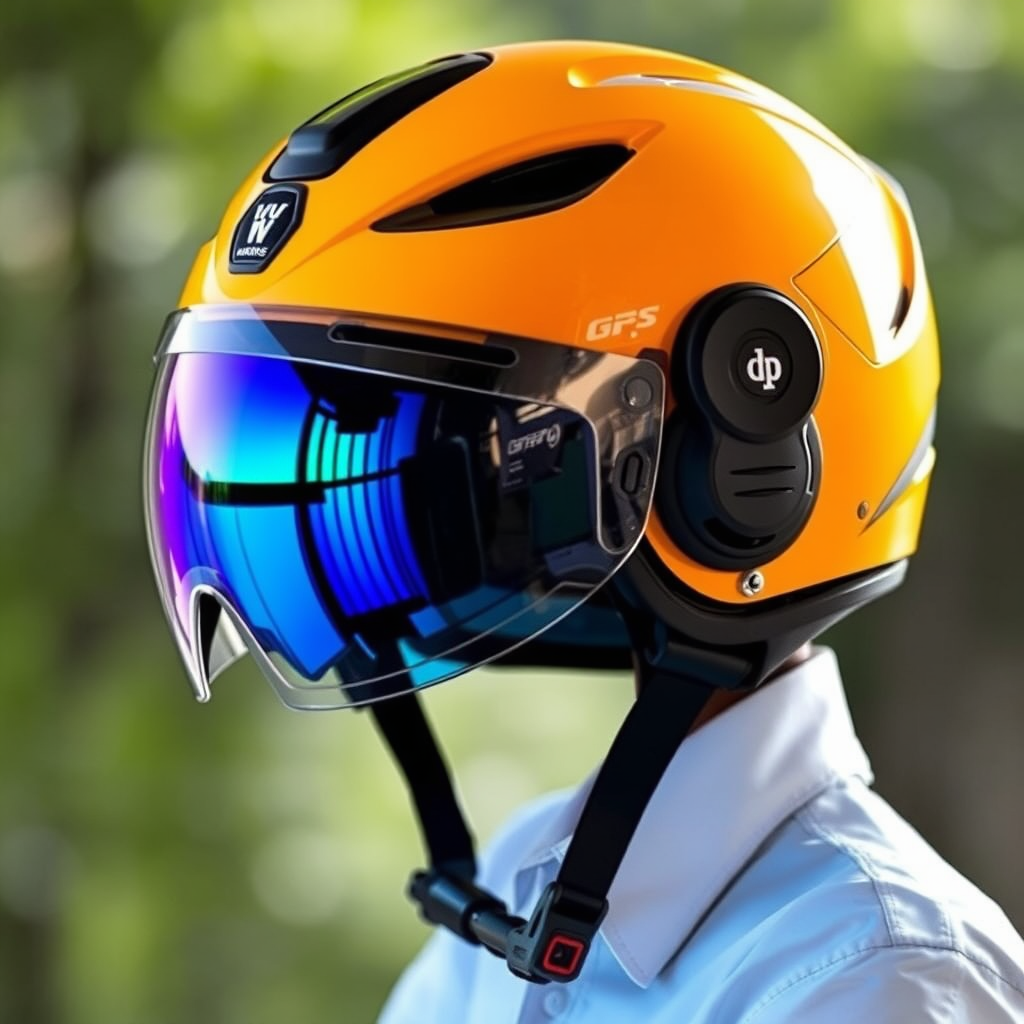
GPS helmets are specialized headgear that incorporates GPS navigation systems directly into their design. This integrated technology functions through a combination of satellite signals and onboard sensors, which work together to provide real-time location tracking and route guidance. The GPS unit embedded in the helmet connects with satellites to pinpoint the rider’s location, enabling precise navigation without the distraction of external devices. Modern GPS helmets often include additional features such as Bluetooth connectivity, allowing riders to pair their helmets with their smartphones for seamless integration with navigation apps and music streaming.
The technology behind these helmets is constantly evolving, incorporating advanced mapping software and user-friendly interfaces. Most GPS helmets come equipped with a built-in speaker and microphone system, allowing for voice-activated commands and hands-free operation. This means riders can receive directions, respond to calls, and listen to music without ever taking their hands off the handlebars.
Benefits of GPS Navigation in Helmets
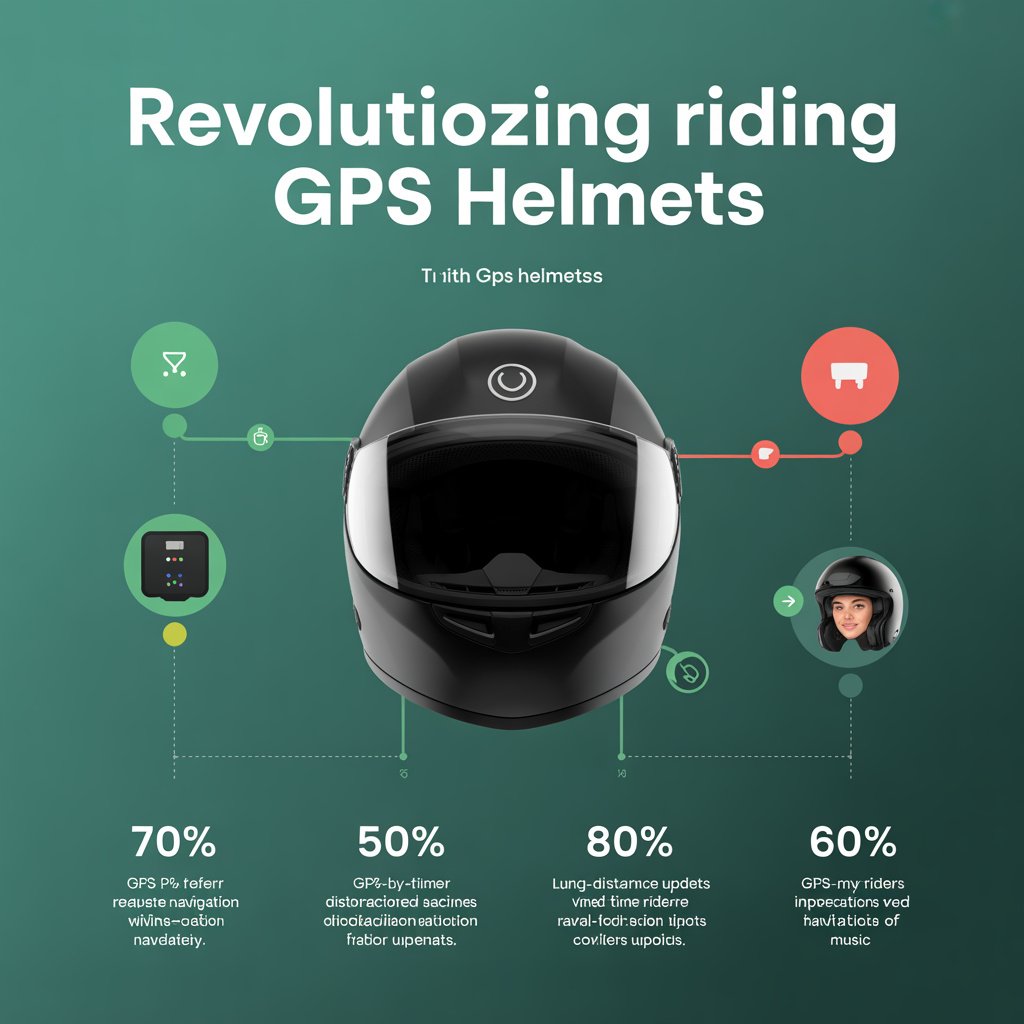
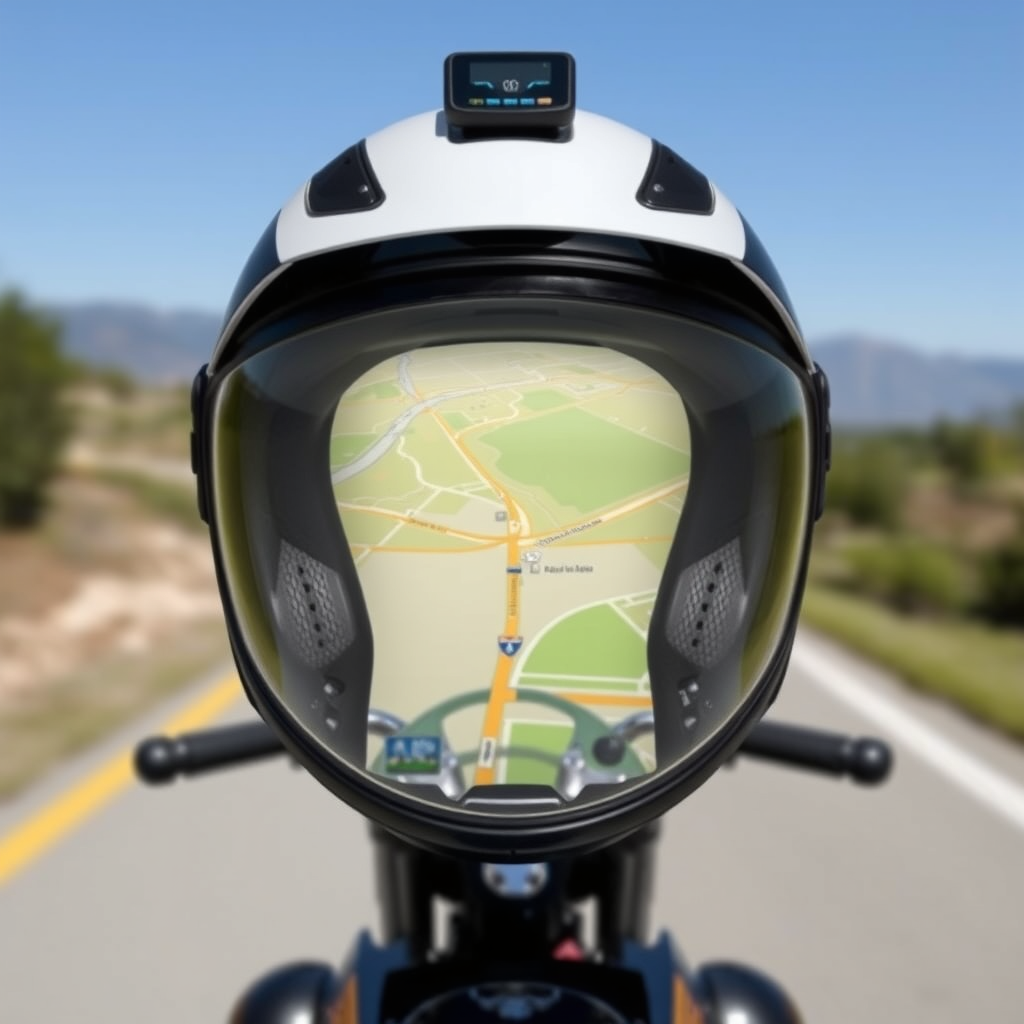
One of the primary advantages of GPS navigation in helmets is enhanced safety. By providing turn-by-turn navigation directly in the rider’s line of sight, these helmets significantly reduce the need for distractions. Riders can keep their eyes on the road while receiving directions audibly, minimizing the risk of accidents caused by looking down at a smartphone or GPS unit.
Additionally, GPS helmets offer easy access to real-time navigation updates. This feature is particularly beneficial for long-distance rides or during unfamiliar travel. Riders can receive alerts about traffic conditions, road closures, or detours, allowing them to make informed decisions and adjust their routes as necessary. Such adaptability not only enhances the riding experience but also contributes to overall safety on the road.
Key Features to Look For
When selecting a GPS helmet, several key features should be considered to ensure compatibility and functionality. First and foremost, compatibility with various devices is crucial. Most modern GPS helmets support Bluetooth connectivity, enabling riders to connect their smartphones to access navigation apps, music, and calls. This compatibility increases versatility and allows for a more personalized riding experience.
Another important feature is voice-activated commands for hands-free operation. This technology enables riders to issue commands without taking their hands off the handlebars, promoting safer driving practices. Look for helmets that offer clear audio quality and a reliable microphone for seamless communication.
Additionally, battery life should be a significant consideration. A helmet with a long-lasting battery ensures that riders can rely on their GPS system for extended periods, especially on long trips. Finally, check for comfort and fit, as a well-fitted helmet will enhance both safety and usability.
Top GPS Helmet Brands to Consider
Several brands stand out in the market for GPS helmets, each offering unique features tailored to different riding needs. One of the leading brands is Sena, known for its high-quality Bluetooth communications systems. Their *Sena 50S* helmet integrates advanced GPS functionality with exceptional audio quality, making it a popular choice among riders.
Another noteworthy brand is Schuberth, which offers the *C5* model that combines comfort with cutting-edge technology. The Schuberth C5 features a built-in communication system that allows for seamless navigation and easy connectivity with smartphones.
For a more budget-friendly option, consider Bell Helmets. Their *Qualifier DLX* model comes equipped with a Bluetooth communication system and a streamlined design, making it accessible to a broader audience without sacrificing essential features.
When comparing features and price points, it’s essential to consider the specific needs of the rider. While some may prioritize advanced communication systems, others may focus on comfort and fit. Researching user reviews and expert insights can help guide your decision-making process.
User Experiences and Testimonials
User experiences with GPS helmets highlight the practical benefits of this technology. For instance, one motorcyclist shared how their Sena-equipped helmet transformed long-distance rides. “I used to worry about getting lost, but now I can focus on the road while getting real-time directions. It’s like having a co-pilot,” they stated. Such testimonials underscore the positive impact of GPS helmets on rider confidence and safety.
Moreover, trusted sources such as motorcycle magazines and review websites frequently provide ratings and reviews that can help gauge the reliability of specific models. Many users note the importance of clear audio quality and ease of use, pointing out that effective voice commands significantly enhance the overall experience.
Maintenance and Care Tips
To ensure the longevity and effectiveness of a GPS helmet, proper maintenance and care are essential. Start with regular cleaning of both the exterior and interior of the helmet. Use a mild soap and water solution to clean the shell, avoiding harsh chemicals that could damage the finish. For the interior, removable liners should be washed according to the manufacturer’s recommendations.
Battery maintenance is also crucial. Regularly check the battery levels and charge the helmet as needed to avoid unexpected shutdowns during rides. If the helmet has a firmware update feature, take advantage of it, as updates can improve functionality and fix bugs.
Common issues might include connectivity problems with smartphones or navigation apps. If you experience these, ensure that your helmet’s software is up to date and that your Bluetooth settings are configured correctly. If issues persist, consulting the manufacturer’s troubleshooting guide can often provide solutions.
Future Trends in GPS Helmet Technology
As technology advances, the future of GPS helmets is poised for exciting developments. One potential trend is the integration of augmented reality (AR) systems into helmets, allowing riders to access navigational data directly in their field of vision. This could lead to a more immersive and intuitive riding experience, where riders can view essential information without diverting their focus from the road.
Additionally, improvements in battery technology may lead to longer-lasting, quicker-charging systems, making GPS helmets even more reliable during extended rides. Enhanced connectivity options, such as 5G integration, could further improve real-time navigation and communication capabilities, providing riders with more accurate and timely information.
Increased emphasis on safety features, such as collision detection and emergency response systems, may also become standard in GPS helmets, potentially reducing accident rates and improving rider safety significantly.
In conclusion, GPS navigation systems in helmets are not just a luxury but a smart investment for any rider looking to enhance their experience while ensuring safety. The integration of advanced technology into headgear provides a unique blend of functionality and security, allowing riders to navigate confidently and efficiently. As you explore the options available, consider your specific needs and preferences to find the perfect GPS helmet that suits your riding style and enhances your journeys.
References
- https://en.wikipedia.org/wiki/GPS_navigation
- https://ntrs.nasa.gov/citations/20180003056
- https://www.sciencedirect.com/science/article/pii/S2352146519300734
- https://www.faa.gov/air_traffic/publications/media/ATC_Pilot_Briefing_GPS.pdf
- https://www.ncbi.nlm.nih.gov/pmc/articles/PMC6341265/
- https://www.itu.int/en/ITU-T/focusgroups/gnss/Pages/default.aspx
- https://www.gao.gov/products/gao-21-358
- https://www.tandfonline.com/doi/full/10.1080/01446193.2020.1717714