The Ultimate Guide to Pony Riding Helmets for Kids
Choosing the Right Pony Riding Helmet for Kids: Start With Safety Standards and a Perfect Fit
A good pony riding helmet for kids is defined as protective headgear that meets recognized equestrian safety standards and fits securely without wobble. The right helmet reduces the risk of serious head injury and makes your child more comfortable and confident around ponies and horses.
Why Pony Riding Helmets Are Essential for Young Riders
Pony riding helmets are essential because falls and low-speed accidents can still cause head impacts, even during routine grooming, mounting, or arena work. Safety experts consistently recommend helmets to protect the brain and reduce the severity of head trauma.
The American Academy of Pediatrics (AAP) has long encouraged helmet use for youth in activities with head-injury risk, emphasizing that helmets should be properly fitted and worn every time. In equestrian settings, injuries can happen unexpectedly when a pony spooks, slips, or shifts during tack adjustments.
The key difference is: “protective” versus “decorative” helmets
A riding helmet is defined as equipment tested to absorb and manage impact forces, rather than a fashion accessory. The key difference is certification and construction: reputable equestrian helmets are designed and verified under standards such as ASTM F1163, and many also comply with other regional performance tests.
What Safety Standards Should a Kids’ Pony Riding Helmet Meet?
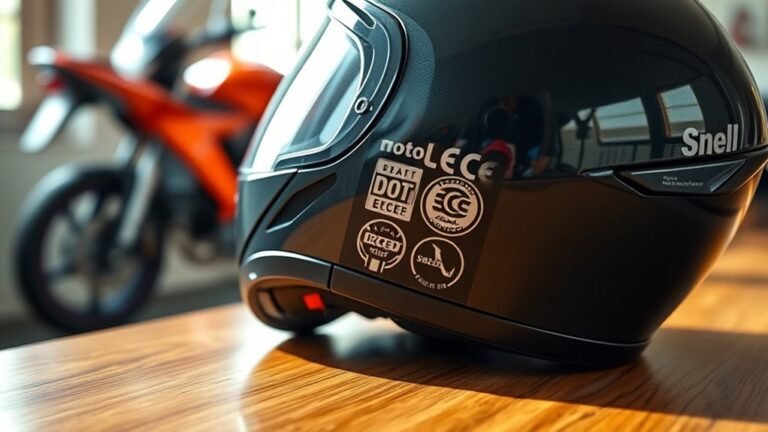
The best pony riding helmets for kids are those that meet specific, widely recognized safety standards and are tested for equestrian head protection. Look for stamped or labeled compliance so you can verify the helmet’s performance claims.
Common equestrian helmet certifications to look for
- ASTM F1163: A widely used U.S. standard for helmets made for equestrian disciplines.
- SEI (Safety Equipment Institute) marks: Indicates testing and certification through a respected compliance program associated with safety equipment evaluation.
- EN 1384: A European standard for helmets intended for equestrian use.
- VG1 (German certification, often referenced in Europe): A performance-related standard commonly used for higher-impact protection expectations.
Important: certifications are not “nice-to-have”
Safety consensus across youth injury prevention strongly favors certified helmets. A helmet that only looks similar to an equestrian helmet may not have the same impact-absorption design or test results.
Key Features to Prioritize in a Pony Riding Helmet
The most important helmet features are those that improve safety, fit stability, ventilation, and strap security. When these features align, your child gets better protection and more consistent comfort for longer rides.
1) Secure fit systems and adjustability
A properly fitted helmet is defined as one that sits level on the forehead, does not rotate excessively, and stays stable during normal head movement. Many modern helmets include dial-based adjustment systems or multiple sizing inserts to extend usability as your child grows.
- Adjustable retention straps: Keeps the helmet from shifting during falls.
- Padding that can be replaced or resized: Helps fine-tune comfort.
- Stable shell shape: Promotes consistent coverage around the head.
2) Strap quality and buckling reliability
The strap system is one of the main determinants of helmet stability. Look for a secure buckle and strong strap webbing designed for equestrian use, not a generic bike strap setup.
3) Ventilation and moisture management
For active kids, comfort matters. Good ventilation and moisture-wicking liners can reduce heat buildup during arena sessions and summer trail rides.
4) Weight and head comfort
Many youth equestrian helmets fall in a comfortable range for kids, often around 300 to 500 grams depending on design and certifications. A lighter helmet can improve willingness to wear it consistently, but it should never replace proper safety certification.
How to Get the Perfect Fit: Sizing, Position, and “Wobble” Tests
The best way to choose a kids’ pony riding helmet is to measure correctly and verify fit with movement checks before purchase. A helmet that slides, tilts, or rotates is less effective in real-world impacts.
Step-by-step fit checklist
- Measure head circumference: Use a soft measuring tape around the widest part of the head (typically just above the eyebrows).
- Helmet position: The helmet should sit level, not tilted back or forward.
- Check for gap and pressure points: There should be even contact around the head without sharp hotspots.
- Wobble test: With straps fastened, try to gently move the helmet side-to-side and front-to-back. Minimal movement is expected; excessive shifting is a red flag.
- Strap fit: The retention system should be snug enough that the helmet stays in place when your child looks up and down.
Youth Pony Riding Helmet Head-Circumference Size Bands (Centimeters)
| # | Helmet Size Band | Head Circumference (cm) | Approx. Typical Fit Window | Fit Stability Rating |
|---|---|---|---|---|
| 1 | XXS | 48–49 | Ages ~3–4 | ★★★★★ |
| 2 | XS | 50–51 | Ages ~4–5 | ★★★★☆ |
| 3 | S | 52–53 | Ages ~5–6 | ★★★★★ |
| 4 | M | 54–55 | Ages ~6–8 | ★★★★★ |
| 5 | L | 56–57 | Ages ~8–10 | ★★★★☆ |
| 6 | XL | 58–59 | Ages ~10–12 | ★★★★☆ |
| 7 | XXL | 60–61 | Ages ~12–14 | ★★★☆☆ |
Conversation question: “How tight should the straps be?”
As a rule of thumb, the helmet should feel secure but not painful. If your child complains of uncomfortable pressure or you can easily pull the helmet off or cause significant movement, adjust the sizing or padding before riding.
Materials Matter: Shell Types, Liners, and Durability
Pony riding helmets are built to manage impact energy, and the material choices affect weight, durability, and long-term comfort. You should select a helmet that uses proven outer shell materials and an effective impact-absorbing liner.
Outer shell materials you’ll commonly see
- Polycarbonate: Often chosen for lightweight design and solid impact resistance.
- Fiberglass or fiberglass composites: Can provide strong durability and sometimes a more structured feel, though weight may be higher depending on the model.
Key liner idea: impact absorption is not the same as comfort padding
The liner and foam systems inside a helmet are defined as the components engineered to absorb forces during impacts. Comfort padding is helpful, but it is the impact-absorbing layer that matters most for protection.
When to Replace a Kids’ Pony Riding Helmet (and When Not To)
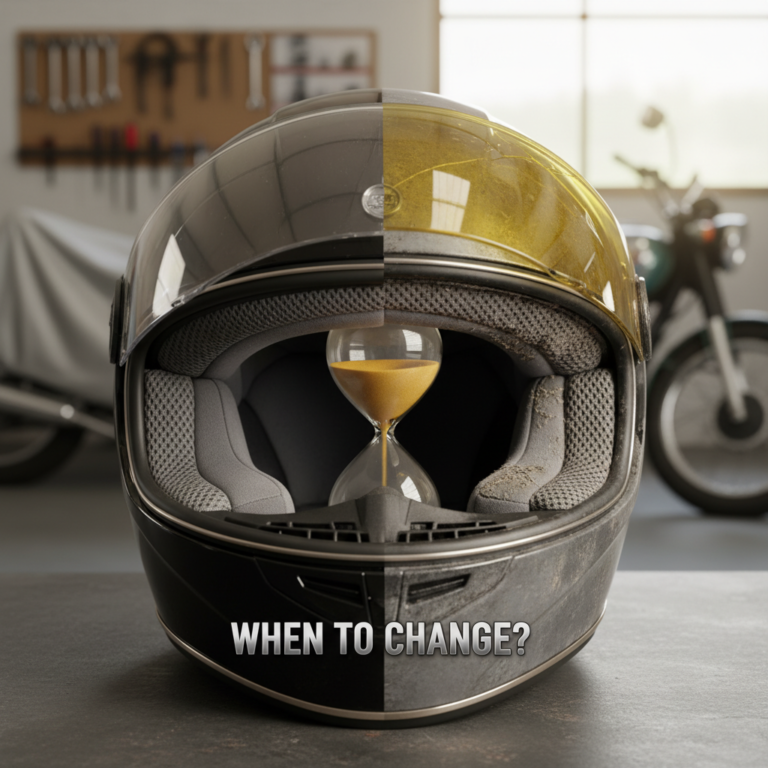
You should replace a pony riding helmet after significant impacts or when it no longer fits securely. Even if a helmet looks fine after a fall, internal structural components can be compromised.
Common replacement guidelines
- After a crash or impact: Replace if the helmet has taken a meaningful hit.
- When fit can’t be restored: If padding is worn out or the helmet won’t stay stable, it’s time for a new one.
- Age and wear: Many manufacturers recommend replacement after several years due to material aging and reduced performance, even without visible damage.
Because helmet designs differ, the most reliable rule is the manufacturer’s guidance printed in the helmet manual and label.
Helmet Care and Maintenance: Keep It Clean, Keep It Safe
Proper helmet cleaning preserves comfort and helps you notice wear patterns early. Maintenance is not just cosmetic; it helps the helmet maintain its fit and performance over time.
Safe cleaning practices for kids’ riding helmets
- Wipe the outer shell with a soft cloth and mild soap.
- Remove and air-dry liners when the manufacturer allows it.
- Avoid harsh chemicals that can degrade plastics, foams, or adhesives.
- Never expose to high heat (for example, leaving it in a hot car) because it can alter structural materials.
Conversation question: “Can I use disinfectant sprays?”
Only use products approved by the helmet manufacturer. Many disinfectants can be too harsh for helmet liners and may affect long-term integrity or comfort.
Best Practices: Make Helmet Wearing a Habit
The most effective helmet is the one your child wears correctly every single ride. Consistent routine improves safety outcomes more than any single “extra feature.”
- Start early: Use helmet-wearing during lessons and ground handling, not only while mounted.
- Teach the checks: Have your child learn the “sit level, buckle snug, no wobble” routine.
- Set instructor expectations: Ask trainers to reinforce helmet use the same way every lesson.
Frequently Asked Questions About Pony Riding Helmets for Kids
What age should a child start wearing a pony riding helmet?
A child should wear a riding helmet whenever they are involved in riding activities where head protection is relevant, including lessons and mounted riding. Many barns require helmets for youth riders as soon as they begin participating in riding instruction.
Are bike helmets acceptable for pony riding?
In most cases, bike helmets are not recommended for equestrian use because they are not designed or certified for equestrian-specific impact protection requirements. Look for helmets that meet equestrian standards such as ASTM F1163 or EN 1384.
How do I know if my child’s helmet fits correctly?
You can confirm fit using a combination of measurement and behavior-based tests: the helmet should sit level, feel secure without pressure points, and stay stable with straps fastened during gentle head movement.
Can a kids’ helmet be shared between siblings?
It’s possible only if the helmet fits each child securely and replacement rules are satisfied. However, helmets should generally be treated as personal gear because fit and wear patterns differ.
Quick Buying Checklist: Choose the Helmet That Matches Standards and Fit
Use this checklist to narrow down options quickly and confidently. A certified helmet with a stable fit beats a bargain helmet that only “kind of” fits.
- Meets equestrian safety certification (for example, ASTM F1163 and/or EN 1384).
- Correct size based on measured head circumference.
- Helmet sits level and does not rotate excessively when strapped.
- Retention system works reliably and straps are snug.
- Comfort features support consistent wear (ventilation, liner comfort).
- Clear manufacturer replacement guidance is available.
Final Takeaway: The Ultimate Pony Helmet Is the One Your Child Will Wear Safely
The ultimate pony riding helmet for kids is defined by certified equestrian protection and a fit that stays secure in real movement. If you prioritize standards like ASTM F1163 and verify a wobble-free, level position on your child’s head, you’re making one of the most impactful safety choices possible.
Frequently Asked Questions: Pony Riding Helmets for Kids
How do I choose the right helmet size for my child?
Choosing the right size starts with measuring your child’s head circumference (around the widest part of the head, usually just above the eyebrows). Most pony riding helmets use a sizing chart (in centimeters) that converts head measurements into helmet sizes. When trying a helmet on, it should feel snug without painful pressure points.
Key fit checks:
- The helmet should sit level on the head—not tilted back or forward.
- The retention system (chin strap and adjusters) should allow a secure fit with minimal movement.
- If you can easily spin the helmet or it slides when your child shakes their head, it’s likely too loose.
- With the strap fastened, the helmet should not move more than about an inch (2–3 cm) side-to-side.
- Padding should support comfort; no “gap” should form between the helmet and forehead.
If your child is between sizes, it’s usually better to choose the size that fits securely and consider adding/removing the manufacturer’s internal pads (if available). Avoid “growing room” that allows the helmet to shift during movement—safety depends on a stable fit.
What safety standard should I look for in a pony riding helmet for kids?
Look for helmets that meet recognized equestrian safety certifications. Many reputable riding helmets for children are tested under standards such as:
- ASTM F1163 (commonly used for horseback riding helmet certification in the U.S.)
- SEI/ASTM (often referenced on compliant products)
- VG1 (a German standard frequently used in the EU/UK)
- PAS 015 (commonly used in some markets, often relating to safety requirements for riding helmets)
Because labels and naming can vary by brand and region, the most reliable approach is to confirm that the helmet explicitly states the relevant standard(s) on the product page or label and that it’s intended for equestrian use.
Also note:
- A helmet should be designed for riding (not a bike/skate helmet). Pony riding helmets are engineered to protect against impacts and rotational forces differently.
- Replace the helmet after any significant impact, even if no damage is visible.
- Ensure the helmet includes a properly functioning retention system and chin strap.
How tight should the chin strap and retention system be?
The chin strap should be secure enough that the helmet stays in place during movement, but not so tight that it causes discomfort or restricts breathing.
A practical fit guideline:
- Fasten the strap so it forms a snug “Y” under the ears.
- You should be able to fit no more than about two fingers between the chin and strap (or just enough to ensure comfort). If the strap hangs loosely, the helmet may come off in a fall.
- The strap should buckle easily and sit flat—no twisting.
Retention system tips:
- Adjust the helmet’s back dial and/or side straps according to the manufacturer’s instructions.
- Make sure the helmet doesn’t shift when your child opens their mouth or turns their head.
- If the helmet requires constant re-adjustment, check for size mismatch or worn pads.
If your child reports pressure at the jaw or under the chin, reassess size and strap height. A properly fitted retention system is one of the biggest factors in real-world protection.
When should we replace a child’s pony riding helmet?
Replace a pony riding helmet when it has experienced a significant impact, when it no longer fits securely, or when it reaches the manufacturer’s recommended replacement timeframe.
Common replacement triggers:
- After a fall or collision (even if the helmet looks fine). Impacts can damage internal structure.
- If the helmet no longer forms a stable, snug fit (it slides, rotates easily, or the padding won’t stay in place).
- When padding becomes compressed or the retention system no longer holds adjustment.
- When the child outgrows it—fit stability matters more than “almost fits.”
Typical lifespan guidance:
- Many brands recommend replacement after about 3–5 years from purchase, depending on helmet type/materials and how often it’s used.
- Sun exposure, sweat, and storage conditions can degrade comfort and materials over time.
Always follow the specific guidance from the helmet manufacturer. If you’re unsure whether a helmet has been compromised (especially after an impact), it’s safer to replace it.
How should we clean and store a kid’s pony riding helmet?
Proper cleaning and storage help extend comfort and maintain fit without damaging protective components.
Cleaning steps:
- Remove and wash liners/pads only if the manufacturer allows it. Use mild soap and cool water, and let items air-dry completely.
- Wipe the outer shell with a soft cloth. Use gentle, non-abrasive cleaners—avoid harsh chemicals, solvents, or paint thinners.
- Do not immerse the entire helmet unless the manufacturer explicitly permits it.
- Never machine-wash or tumble-dry parts unless the label specifically says it’s safe.
Drying and storage:
- Air-dry in a cool, shaded area—avoid direct sunlight and heat sources.
- Store the helmet away from pressure and heavy items on top of it.
- Keep it in a breathable bag or hard case if provided; avoid leaving it loose where it can be knocked around.
Fit maintenance:
- Check straps periodically for twists and wear.
- If the liner/pads are worn, replace them if the helmet system supports replacement pads.
If the helmet gets sweaty, wipe and dry it promptly before storing to prevent odor buildup and material degradation.
References
- Google Scholar search: Children’s Equestrian Helmets and Head Injury Studies Google Scholar
https://scholar.google.com/scholar?q=children+equestrian+helmet+head+injury - Google Scholar search: Equestrian Helmet Effectiveness for Injury Prevention Google Scholar
https://scholar.google.com/scholar?q=equestrian+helmet+effectiveness+injury+prevention - PubMed Search: Equestrian Helmets and Head Injury Google Scholar
https://pubmed.ncbi.nlm.nih.gov/?term=equestrian+helmet+head+injury - PubMed Search: Effectiveness of Helmets for Children’s Sports-Related Head Injury Google Scholar
https://pubmed.ncbi.nlm.nih.gov/?term=children+helmet+effectiveness+head+injury+sports - Equestrian Helmet (Overview of types, fit, and use in horse riding)
https://en.wikipedia.org/wiki/Equestrian_helmet - Sports Helmet (General background on how helmet protection works)
https://en.wikipedia.org/wiki/Sports_helmet - CDC: Traumatic Brain Injury (TBI) Prevention and Safety Strategies
https://www.cdc.gov/traumaticbraininjury/prevention.html - WHO Fact Sheet: Injuries and Violence (Prevention context for head injury risk)
https://www.who.int/news-room/fact-sheets/detail/injuries-and-violence
📅 Last Updated: July 06, 2026 | Topic: The Ultimate Guide to Pony Riding Helmets for Kids | Content verified for accuracy and freshness.