The Ultimate Guide to Cleaning Your Football Helmet
Why cleaning your football helmet matters
Cleaning your football helmet is essential because sweat, skin oils, and bacteria can build up fast inside the shell and pads, creating odors and increasing the risk of skin irritation. The key difference between a “wipedown” and a true cleaning is that real cleaning removes contaminants, not just surface dirt.
Helmets are worn during high-sweat contact sports, often for 60–90 minutes per session and multiple days per week. Over time, moisture trapped in padding and liners can support microbial growth, which is why hygienic maintenance is widely recommended by sports medicine and equipment care communities.
What causes helmet odor and discomfort
Helmet odor is primarily caused by compounds produced when bacteria break down sweat and skin oils. The key difference is that detergent-free wiping may reduce visible grime while leaving behind the residues that bacteria use as a “food source.”
In addition to odor, poor helmet hygiene can contribute to issues like folliculitis, athlete’s foot-related spread from shared spaces, and irritation from lingering irritants in sweat-soaked liners.
How often should you clean a football helmet?
Most athletes should clean high-contact helmet liners and pads after every season segment, and spot-clean the interior after heavy practice. If you train daily, a practical schedule is a full clean every 2–4 weeks plus targeted drying and deodorizing between deep cleans.
Recommended cleaning cadence
- After each practice: Quick air-out and spot removal of moisture using a clean microfiber cloth.
- Weekly (for high-sweat teams): Check smell, wipe interior surfaces, and ensure padding is fully dry.
- Every 2–4 weeks: Full interior cleaning of removable padding and sanitation of the shell interior.
- Start of season: Deep clean before first game, especially if the helmet was stored for months.
- After visible contamination: Clean immediately if there is mud, vomit, blood, or suspected fungal growth.
Helmet Interior Cleaning Plan (By Situation)
| # | Cleaning task | Best for | When | Time | Air-dry target | Odor risk reduction |
|---|---|---|---|---|---|---|
| 1 | Spot-wipe + microfiber dry-out | Fresh sweat on liner faces | After each practice | 5–10 min | 20–60 min (airflow) | ★★★★☆ |
| 2 | Interior wipe-down (no soaking) | Weekly odor check + moisture control | Weekly | 10–20 min | 1–3 hrs | ★★★★☆ |
| 3 | Shell interior microfiber clean | Sweat film on shell channels | Every 2–4 weeks | 15–25 min | 2–6 hrs | ★★★★★ |
| 4 | Removable pad spot-clean cycle | Sweat-heavy zones (forehead/temples) | Every 2–4 weeks | 20–35 min | 6–12 hrs | ★★★★★ |
| 5 | Deep clean before season start | Helmets stored for months | Start of season | 45–70 min | 12–24 hrs | ★★★★★ |
| 6 | Contamination cleanup (mud/blood/vomit) | Visible soil + hygiene risk | Immediately | 25–60 min | 12–24 hrs | ★★★★★ |
| 7 | Re-clean + residue wipe (after persistent odor) | Odor after prior cleaning | As needed | 20–40 min | 12–24 hrs | ★★★★☆ |
What you need to clean a football helmet safely
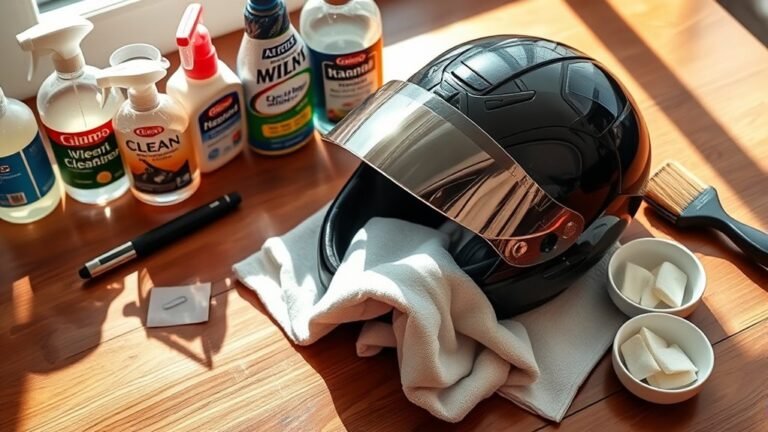
The safest cleaning method depends on using products that won’t damage helmet materials or compromise fit and padding integrity. Mild, sports-gear-appropriate cleaners and non-abrasive tools are the consensus approach among equipment care best practices.
Essential supplies
- Helmet-safe cleaner or mild soap: Choose a gentle product intended for sports equipment. Avoid harsh degreasers and strong solvents.
- Microfiber cleaning cloths: Microfiber is defined as a non-abrasive fabric that traps particles without scratching most helmet surfaces.
- Soft-bristled brush: Use for seams, ventilation holes, and textured liner areas.
- Spray bottle: Helps apply cleaner without soaking components.
- Warm water: Warm water supports emulsifying sweat residues without forcing excessive moisture into padding.
- Drying tools: A fan and a well-ventilated drying area. Avoid direct high heat.
- Optional odor control: A manufacturer-approved deodorizing spray or a diluted, helmet-safe sanitizing approach.
What to avoid
Using the wrong chemicals can shorten helmet life or affect the way pads sit against your head. The key difference is that some “general purpose” cleaners can weaken adhesives, degrade foam comfort layers, or leave residues that irritate skin.
- Avoid bleach, ammonia, and heavy disinfectant wipes on foam padding unless the manufacturer explicitly approves them.
- Avoid pressure washing the helmet interior or shell.
- Avoid soaking padding for long periods.
- Do not use high-temperature dryers or direct heater blasts.
- Do not scrub with stiff brushes that could damage liner coatings.
Step-by-step: How to clean the inside of a football helmet
Follow this process to clean the interior thoroughly while protecting padding, adhesives, and shell materials. This approach is designed to reduce odor, remove sweat residue, and help the helmet dry completely.
Step 1: Remove the padding correctly
Start by removing all removable pads so you can clean both the liners and the areas they cover. Many helmets use a combination of snap tabs, hook-and-loop fasteners, or adhesive retention points, so consult your model’s manual when available.
Quick tip: Photograph the pad placement before removing anything. This avoids misalignment and helps maintain a consistent fit.
Step 2: Vacuum or dry-brush loose debris
Before wet cleaning, remove dust and loose debris with a soft brush or vacuum with a brush attachment. The key difference is that pre-removal prevents debris from turning into a paste when water is applied.
Step 3: Mix a mild cleaning solution
Prepare a mild soap solution using warm water. For example, start with a small amount of mild soap—about a teaspoon per quart (approximately 1 liter) of water—and adjust if needed.
Use a spray bottle to apply the solution lightly to the areas that need cleaning instead of saturating padding and liner layers.
Step 4: Clean the shell interior
Wipe the inside of the helmet shell with a microfiber cloth lightly dampened with your cleaning solution. For ventilation channels and seam areas, use the soft-bristled brush with minimal liquid.
Goal: Remove sweat residue and surface grime without soaking the shell.
Step 5: Clean removable pads and liners
For removable padding, use a gentle wash routine that focuses on the dirtiest zones. The key difference is that you should treat foam as “moisture-sensitive,” using short cleaning cycles rather than long soaking.
- Spot-clean sweat-heavy areas with a microfiber cloth and mild solution.
- Use gentle brush strokes for textured fabrics.
- Rinse lightly with a damp cloth if the pad material supports it.
- If the manufacturer allows washing, follow the label instructions exactly.
Step 6: Rinse and remove soap residue
Soap residue can leave a sticky surface that attracts more dirt and may irritate skin. The key difference is that rinsing is about removing residue, not soaking the foam.
Use a clean, damp microfiber cloth to wipe away remaining cleaner, then lightly pat dry.
Step 7: Dry completely using airflow
Complete drying is non-negotiable because trapped moisture can create odor again in as little as 24–48 hours. The key difference is that airflow drying reduces moisture faster than ambient drying in humid environments.
- Air-dry the helmet and pads in a well-ventilated area.
- Use a fan aimed gently at the interior.
- Avoid direct sunlight for long periods if your padding can degrade or fade.
- Do not use a high-heat blow dryer unless your manufacturer explicitly permits it.
Only reassemble once everything is fully dry to the touch.
Deodorizing and sanitizing: what works best
Odor control works best when cleaning removes the sweat film first, then drying prevents lingering moisture. Sanitizing alone is often less effective if residues remain in fabric fibers.
Use a two-step method for best results
The key difference is that cleaning focuses on removing soils, while deodorizing targets odor-causing byproducts. A practical two-step approach is: mild detergent cleaning plus thorough drying.
- Step A: Clean with mild soap solution and microfiber wiping.
- Step B: Dry with airflow until pads are fully dry.
When you might need extra treatment
If odors persist after cleaning, it may indicate trapped moisture, worn padding, or product buildup. Consider manufacturer-approved options or professional equipment cleaning if your helmet has specialized liners or removable washable components.
Common mistakes that ruin football helmets
Many helmet-cleaning problems come from using overly aggressive products or drying methods. Avoiding these mistakes protects comfort, hygiene, and performance.
Top cleaning errors
- Over-soaking pads: Excess water can degrade foam and adhesives.
- High-heat drying: Heat can warp materials or shorten pad lifespan.
- Harsh disinfectants without approval: Some chemicals can damage liner finishes.
- Skipping full drying: Incomplete drying often causes “rebound odor.”
- Using abrasive pads: Scratches can make interior surfaces hold more dirt.
Helmet maintenance after cleaning (so it stays clean longer)
Maintenance between deep cleans is what keeps your helmet from developing repeat odor and residue buildup. Small habits—like drying correctly and storing with airflow—create big results.
Storage habits that reduce bacteria growth
The key difference is that storage conditions control moisture. If you store a sweaty helmet in a closed bag, you trap humidity and encourage odor returning.
- Store the helmet in a breathable area after practice.
- Keep it out of sealed gear bags until fully dry.
- Wipe the interior lightly after games if moisture is present.
- Rotate helmets if you have more than one for the season.
Replace worn components when needed
Even with excellent cleaning, padding compresses and fabrics wear over time. As a general safety and hygiene best practice, inspect pads and liners regularly and replace components when they lose cushioning, develop persistent odors, or show deterioration.
Quick Q&A: Football helmet cleaning questions
Can I wash my football helmet pads in a washing machine?
Only if your helmet manufacturer explicitly allows machine washing for that specific pad material. Many foam and fabric composites can break down if machine-washed, so check the padding label or your owner’s manual before using a washer.
Is disinfecting spray safe for helmet liners?
Disinfecting spray can be safe only when it is approved for helmet padding materials and does not leave harmful residues. The key difference is that helmet-safe products are designed to be compatible with foam, fabric, and adhesives, while generic sprays may not be.
How do I remove stubborn sweat stains?
Use a mild soap solution with a microfiber cloth and gentle brushing on textured areas. Avoid soaking the fabric; instead, clean in short cycles and rinse with a damp cloth, then dry with airflow.
How long should drying take?
Drying times vary with humidity and pad thickness, but a common benchmark is at least 12–24 hours with airflow for fully removable pads. Reassemble only after the interior is fully dry to prevent odor rebound.
Trusted standards and expert consensus to follow
Safety and care guidance generally aligns across sports equipment care best practices: use mild cleaners, avoid harsh chemicals, and prioritize complete drying. Because helmet designs vary, the manufacturer’s manual remains the most authoritative reference for your exact model.
When in doubt, follow the helmet manufacturer’s care instructions first, and use sports-gear-safe cleaning products designed for athletic equipment materials.
Final checklist: Clean your helmet like a pro
If you want a reliable result every time, use this checklist as your repeatable method. The key difference is that you will clean, rinse residue, and fully dry before using the helmet again.
- Remove pads and pre-brush loose debris
- Clean shell interior with mild soap solution using a microfiber cloth
- Spot-clean pads and liners gently (avoid soaking unless approved)
- Wipe to remove soap residue
- Dry completely with airflow before reassembly
- Store the helmet in breathable conditions between uses
Frequently Asked Questions
How often should I clean my football helmet?
You should clean your football helmet regularly, based on how often you play and how much it’s exposed to sweat and grime. A good rule of thumb is:
- After every practice/game (quick clean): Wipe down the interior padding and sweat areas, and lightly clean the face shield/visor if it’s used.
- Weekly (deeper clean): Remove removable pads and liners (if your helmet design allows) and clean them thoroughly.
- Monthly or as needed (full maintenance): Clean all accessible surfaces, inspect for wear, and disinfect if you notice odors or lingering bacteria/mildew.
If the helmet starts to smell strongly, feels damp after drying, or you see visible grime, clean it sooner rather than later. Always check the manufacturer’s guidance, since some helmets have special coatings or approved cleaning products.
What’s the safest way to clean the inside padding and liners?
For the inside padding, the safest approach is to use mild, non-damaging cleaners and avoid soaking materials that shouldn’t be saturated.
- Remove what you can: If your helmet has removable liners/pads, take them out according to the manufacturer’s instructions.
- Dry brush or shake loose debris: Remove dust, dried sweat, or grit before applying any liquid.
- Spot clean first: Use a small amount of mild soap (or a helmet-safe cleaner) on a soft cloth or soft brush. Gently work on sweaty or stained areas.
- Disinfect carefully (optional): If odors persist, you can use a helmet-safe disinfectant made for sports gear. Apply lightly and follow the product’s dwell time.
- Rinse minimally: Only rinse if the cleaner requires it and if padding material allows. Avoid soaking.
- Dry completely: Let all parts air-dry in a well-ventilated area, away from direct sunlight/heat sources. Ensure every layer is fully dry before reassembly to prevent mildew.
Tip: Never use harsh solvents, bleach, or aggressive detergents on foam padding unless the manufacturer explicitly approves them.
Can I use disinfectant spray, and what should I avoid?
Yes, you can use disinfectant products, but it’s important to choose the right one and apply it correctly.
What to use:
- Helmet-safe disinfectants intended for sports equipment or gentle antibacterial cleaners.
- Products that are free of harsh solvents and compatible with foam, fabric, and plastics.
How to use it:
- Use a light mist on a cloth or directly on removable padding (when allowed), rather than soaking.
- Follow the label instructions for contact time.
- Wipe away excess residue if the product advises it.
- Dry thoroughly before reassembling and storing.
What to avoid:
- Bleach (can degrade materials and finishes)
- Alcohol-heavy cleaners on certain plastics or coatings (can cause clouding/cracking)
- Strong solvents (e.g., acetone, lacquer thinner)
- Pressure washing or submerging the helmet/liner unless the manufacturer explicitly says it’s safe
- Hot water or high-heat drying (can warp parts and accelerate foam breakdown)
If you’re unsure, start with a small, inconspicuous test area and check for changes in color, texture, or shine.
How do I clean the helmet shell, face mask, and face shield without damaging them?
Cleaning the shell and external components is straightforward if you use gentle methods and avoid excessive moisture.
Helmet shell (outer surface):
- Remove straps and accessories if possible.
- Wipe with a microfiber cloth to remove dust.
- Use mild soap and water on the cloth (not soaking the helmet).
- Wipe clean with a damp cloth, then dry with a soft towel.
Face mask and metal bars:
- Remove sweat and grit with warm water and mild detergent.
- Use a soft brush (nylon bristles) for stubborn areas.
- Rinse lightly if needed and dry completely to help prevent corrosion.
Face shield/visor:
- Use a gentle cleaner safe for polycarbonate plastics.
- Avoid abrasive sponges or paper towels that can scratch.
- Rinse and dry with a microfiber cloth.
Important: Avoid getting liquid into vent holes or seams where it can linger. If any cleaner enters openings, wipe away excess and allow the helmet to air-dry fully.
How should I dry and store my helmet to prevent odors and mildew?
Proper drying and storage are key to preventing persistent odors and mildew.
Drying:
- Remove pads/liners when possible and spread them out so air can circulate.
- Air-dry in a cool, well-ventilated area.
- Avoid direct sunlight, heaters, and dryers (heat can warp parts and degrade foam).
- Before reassembly, confirm everything is completely dry, including seams and edge areas.
- If the helmet smells “damp,” it likely needs more drying time—don’t seal it up while moisture remains.
Storage:
- Store in a breathable bag or on a stand that allows airflow.
- Keep it away from humid spaces (e.g., basements, garages without ventilation).
- If you use an equipment bag, don’t close it while the helmet is still warm or wet.
- Consider using an odor-absorbing product designed for sports gear (as recommended by the manufacturer) rather than placing household chemicals directly inside.
Following these steps helps maintain comfort, hygiene, and helmet longevity.
References
- Google Scholar search: Football helmet cleaning disinfection Google Scholar
https://scholar.google.com/scholar?q=football+helmet+cleaning+disinfection - Google Scholar search: Sports protective equipment hygiene disinfection Google Scholar
https://scholar.google.com/scholar?q=sports+protective+equipment+hygiene+disinfection - PubMed search: Helmet disinfection (sports) Google Scholar
https://pubmed.ncbi.nlm.nih.gov/?term=helmet+disinfection+%22sports%22 - Cleaning and Disinfecting Your Facility (CDC)
https://www.cdc.gov/coronavirus/2019-ncov/community/disinfecting-building-facility.html - Cleaning and disinfection of environmental surfaces in the context of COVID-19 (WHO)
https://www.who.int/publications/i/item/cleaning-and-disinfection-of-environmental-surfaces-in-the-context-of-covid-19 - Football helmet
https://en.wikipedia.org/wiki/Football_helmet - Cleaning and Disinfecting Your Home (MedlinePlus)
https://medlineplus.gov/cleaning-and-disinfecting-your-home.html - Football helmet |
https://www.britannica.com/topic/football-helmet
📅 Last Updated: July 06, 2026 | Topic: The Ultimate Guide to Cleaning Your Football Helmet | Content verified for accuracy and freshness.