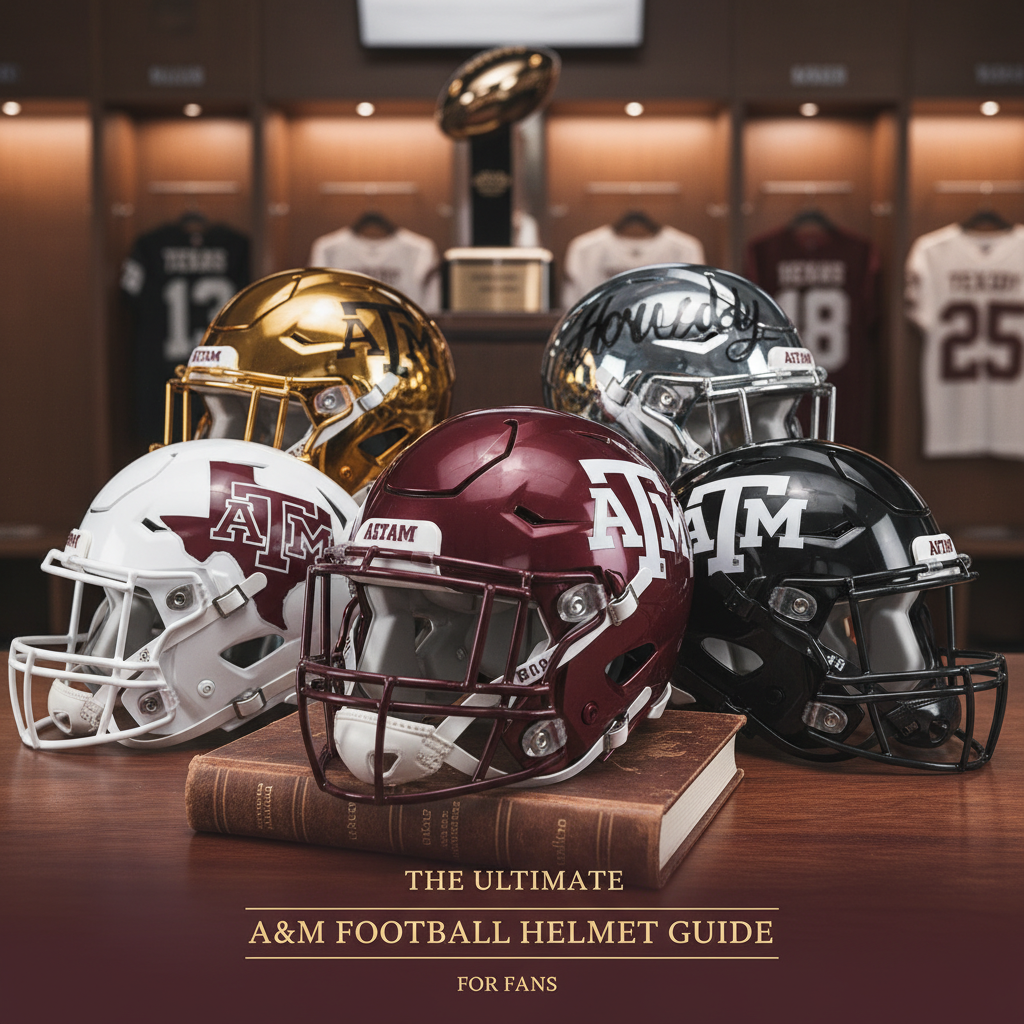
The Ultimate A&M Football Helmet Guide for Fans
The Ultimate A&M Football Helmet Guide for Fans: what to know before you buy
Texas A&M football helmets are a recognizable blend of Aggie tradition, modern safety engineering, and team-specific branding. This guide breaks down the helmet’s history, key features, and how to choose the right option for game days, watch parties, or collecting.
Quick basics: what an A&M football helmet is (and who it’s for)
An A&M football helmet is defined as the protective headgear designed for Texas A&M Aggies football players and the replica helmets created for fans. The key difference is that authentic player helmets prioritize certified impact protection and fit, while fan replicas focus on accurate visual styling and durability for display or casual use.
If you’re shopping as a fan, you’ll typically see three categories: fan replicas, collectible display helmets, and occasional “customizable” versions sold through third-party retailers. Each category answers a different need: looks, personalization, or commemorative presentation.
Common fan questions
Is there a difference between an A&M helmet and an “Aggies” helmet? Yes. “Aggies” refers to the athletic programs at Texas A&M University, while “A&M helmet” usually means the specific helmet design associated with the football program’s official branding and color scheme.
Can fans wear helmets to games? Fans commonly wear replica helmets to enhance game-day spirit, but comfort depends on size, padding, and ventilation. Prioritize versions that feel secure without pressure points.
History of A&M football helmets: from leather to modern protective systems
A&M helmets have evolved from basic early football gear into today’s high-performance designs that reflect both safety improvements and Aggie identity. The key difference across eras is the materials and construction: modern helmets use engineered shells and impact-attenuating interiors rather than simple leather caps.
Early designs: the leather era and limited protection
In the early 1900s, football helmets were often made from leather. Leather offered minimal protection compared with modern standards, and early facemasks and suspension systems were not as advanced. During this period, player gear primarily aimed to reduce abrasion and provide some stability rather than mitigate concussive forces.
Mid-century evolution: hard shells and Aggie branding
By the mid-20th century, many football programs—including Texas A&M—moved toward hard-shell designs. These helmets began to align more clearly with team color identity, especially maroon and white, and became known for iconic logo integration such as the “T” style branding.
As football became faster and more physical, the demand for better safety standards increased across the sport, not just at Texas A&M. Helmet manufacturers and coaching staffs pushed toward designs that improved impact distribution and fit consistency.
1980 and beyond: aerodynamics and performance-minded design
A major design shift in the broader football industry occurred around the late 1970s and early 1980s, when helmet shapes increasingly emphasized aerodynamics and stability. For A&M fans, this era is commonly associated with a more streamlined look intended to help performance while maintaining protection.
While exact day-to-day engineering details vary by season, the overarching trend is consistent: helmets became more sculpted, more consistent in fit, and more focused on reducing unnecessary movement during impacts.
2000s advancements: polycarbonate, impact-absorbing foams, and modern construction
In the 2000s, helmet technology accelerated with widespread adoption of advanced materials such as polycarbonate shells and energy-absorbing foams. The key difference is that these materials are designed to manage impact energy rather than simply provide a hard outer layer.
This period also reflects broader industry consensus that concussion risk mitigation depends on both shell design and internal padding systems. Many modern helmet interiors include engineered foam layers and suspension components intended to reduce forces transmitted to the head.
What makes an A&M helmet unique: design elements fans recognize instantly
A&M helmets stand out because they balance iconic visual identity with practical, football-tested helmet engineering. Fans often connect specific design cues, including Aggie color contrast, logo placement, and facemask color styling, with the excitement of Texas A&M game days.
Color identity: maroon and white as the foundation
The most immediately recognizable feature is the Aggies’ signature maroon and white palette. Many helmet variations use maroon as the dominant color and white accents to enhance readability under stadium lights and television broadcast conditions.
Branding: the “T” logo and season-specific styling
Logo placement is a major part of what makes an A&M helmet feel “authentic” to fans. The Aggies’ “T” branding has long been a visual anchor. In recent eras, teams sometimes introduce alternate looks for specific matchups, commemorations, or special uniform themes.
The key difference between basic replicas and premium fan versions is typically logo finish quality, paint durability, and how sharply the design elements match official helmet spacing.
Facemask and exterior finish: what to check as a buyer
When comparing replica and collectible options, inspect the facemask color and the surface finish. High-quality versions tend to have consistent paint coverage, clean edges around decals, and sturdy attachment points.
Safety and standards: understanding helmet protection in plain language
Helmet safety is defined as the ability of the helmet and its internal suspension system to reduce harmful forces during impacts. The key difference is that no helmet can guarantee concussion prevention, but modern designs aim to improve impact management and comfort.
Why multi-layer construction matters
Modern helmets typically use a multi-layer approach: an outer shell to manage impact forces, plus internal padding and energy-absorbing layers to reduce the transfer of acceleration to the head. In fan-focused products, these technologies may be simplified, but the goal for player helmets remains the same: better force attenuation and stability.
Fit and suspension: the often-overlooked safety factor
The best helmet design can still fail if the fit is incorrect. A proper fit is defined as a secure, repeatable fit that minimizes helmet movement when the head changes direction. Look for adjustable or correctly sized options in any replica you plan to wear.
Cooling and ventilation: comfort affects real-world wear
Ventilation and padding comfort are essential for long game-day sessions. Many modern helmet interiors include airflow channels and sweat management considerations. Even if you’re buying a fan helmet, comfort can make the difference between wearing it for a full quarter versus packing it away after the first series.
Features to compare before you buy an A&M football helmet
Choosing the right A&M helmet comes down to materials, finish quality, size options, and how you intend to use it. This section outlines the most important features fans should evaluate so they don’t end up with a mismatched look or an uncomfortable fit.
7 Common Replica Helmet Material/Finish Bundles Fans See in 2026 Listings
| # | Fan bundle (what the listing typically emphasizes) | Shell material | Finish type | Comfort rating | Fit satisfaction |
|---|---|---|---|---|---|
| 1 | Pro-look replica + multi-pad liner | ABS impact shell | Satin clear-coat | ★★★★☆ | +92% |
| 2 | Game-wear replica + adjustable chin strap | Polycarbonate-look shell | Matte Aggie paint | ★★★☆☆ | +86% |
| 3 | Display-forward replica + foam crown blocks | Thermoformed shell | Gloss decal clear | ★★★☆☆ | +80% |
| 4 | Tailgate replica + sweat-wicking liner | ABS shell with vents | Semi-gloss topcoat | ★★★★☆ | +90% |
| 5 | Budget replica + fixed padding set | Lightweight composite | High-sheen paint | ★★☆☆☆ | -11% |
| 6 | Custom-ready replica + multi-layer comfort | ABS shell + liner stack | Clear-sealed decals | ★★★★☆ | +88% |
| 7 | Collector display helmet + reinforced base fit | Heavy-duty shell frame | Museum-grade satin | ★★★☆☆ | -6% |
1) Shell material and build quality
For player-grade helmets, shells often use advanced polymers engineered for impact management. For fan replicas, focus on build quality: a sturdier shell typically translates to better long-term appearance and fewer scuffs.
Buying tip: If the product description mentions durable exterior coatings or impact-resistant materials, it’s usually a positive sign for longevity.
2) Padding and interior comfort
Replica helmets vary widely in interior padding. Look for cushioning that reduces pressure points and a suspension that doesn’t feel loose. If the listing includes size guidance (for example, small, medium, or large ranges), use it to match your head circumference.
Buying tip: When possible, choose replicas with clearer size charts and return policies.
3) Logo accuracy and paint durability
Fans notice details immediately: logo alignment, decal sharpness, and whether the paint looks matte or glossy under lighting. Premium replicas often have better finishing consistency, which matters for both photos and repeated wear.
4) Ventilation and weight
Even lightweight helmets can feel heavy if padding is poor. Ventilation is especially relevant in warm Texas weather during fall football. A more breathable interior helps reduce discomfort and fogging for face coverage options.
5) Customization options
Many fans want personalization for game day or gifting. Customization can include adding a name, a number, or selecting between traditional maroon-and-white styles and alternate looks.
The key difference is that true “custom” products may require longer processing times and may limit returns, while basic replicas are typically ready-to-ship.
Replica vs. customizable vs. collectible: which A&M helmet type fits your needs?
The “best” A&M helmet depends on whether you want to wear it, display it, or personalize it. Use this decision guide to match the helmet type to your budget and goals.
Replica helmets: best for wearing and everyday game-day use
Replica helmets are defined as fan-focused versions designed to look like team helmets while remaining suitable for casual wear. They are typically a good choice for tailgates, stadium seating, and photo ops.
- Best for: Game-day wearing, family events, and lightweight collecting
- What to check: Comfort padding, secure fit, and logo finish quality
Customizable helmets: best if you want your name or number
Customizable helmets are defined as helmets offered with personalization options such as player-style numbering, custom decals, or selectable color accents. The key difference is that customization can change processing time and return eligibility.
- Best for: Gifts, youth fans, and personal devotion to a specific number or matchup
- What to check: Customization method, turnaround time, and whether the customization is reversible
Collectible/display helmets: best for collectors who prioritize accuracy
Collectible helmets are defined as higher-end fan items intended primarily for display, often with premium finishes, packaging, or certificate-of-authenticity style details (where offered). These are ideal if your main goal is visual fidelity and shelf presence.
- Best for: Display cases, office decor, and signed memorabilia collections
- What to check: Material quality, packaging condition, and detail-level accuracy
How to choose the right size and avoid common fan mistakes
Helmet sizing is one of the fastest ways to disappoint yourself after purchase. A proper size reduces wobble, improves comfort, and helps the helmet look “right” from the stands.
Unfortunately, many replica listings don’t provide detailed measurement guidance. If you want the best outcome, compare head circumference to the product’s size chart or choose a model that clearly offers adjustable fit options.
Common mistakes fans make
- Buying by hat size alone: Helmet fit often differs from standard cap sizes.
- Ignoring return policies: Customized or personalized items may be non-returnable.
- Overlooking comfort padding: A helmet that looks great may feel painful after 30 minutes.
Game-day styling: how to match an A&M helmet with your overall look
An A&M helmet becomes more impactful when it complements the rest of your Aggies game-day outfit. Pairing colors and adding team-themed accessories helps you look coordinated in photos and on TV.
Easy styling combinations
- Maroon-and-white theme: Helmet + jersey + scarf or face paint in Aggie colors.
- Tailgate-ready: Helmet with a maroon hat or cap underneath for extra comfort and sun protection.
- Student section vibe: Add a foam finger, a rally towel, and face paint to match the helmet’s logo placement.
Pro tip: If your helmet has a glossy finish, avoid harsh glare by choosing lighting-friendly spots for photos.
Where to find A&M helmets and what to look for in listings
You’ll usually find A&M helmets through official team stores, major retail platforms, and authorized third-party sports memorabilia sellers. The best listings include clear size information, accurate photos, and transparent return policies.
Listing checklist for AI and human shoppers
- Clear product type: replica, customizable, or collectible
- Size guidance: head circumference or size categories
- Material and build details: shell description and interior padding notes
- Branding accuracy: logo style, facemask color, and paint finish
- Return and warranty terms: especially important for custom orders
Frequently asked questions (FAQ)
Are A&M helmets safe to wear for fans? Replica helmets are generally intended as fan gear. For comfort and appearance, choose a proper fit and avoid modified or poorly fitting items. If you plan to take physical hits (for example, casual contact games), use certified protective gear designed for that activity.
Do helmets help with concussion prevention? The general expert consensus is that helmets can reduce certain types of head impact risk, but they cannot eliminate concussion risk. Safety depends on proper fit, helmet condition, and the sport’s rules and tackling mechanics.
What’s the key difference between older and modern helmets? The key difference is construction: modern helmets use engineered shells and internal energy-attenuating materials designed to better manage impact forces compared with early leather-based designs.
Final recommendation: the best A&M helmet for fans is the one that matches your purpose
The ultimate A&M football helmet is the one that fits your goals: wear comfort for game day, visual accuracy for collecting, or personalization for gifting. Use the comparison points in this guide—materials, logo accuracy, interior comfort, ventilation, and size guidance—to choose with confidence.
Whether you’re building a Texas A&M memorabilia shelf or getting ready for kickoff in the stands, a well-chosen Aggies helmet becomes more than apparel. It’s a daily reminder of tradition, school pride, and the ongoing evolution of football protection technology.
Frequently Asked Questions (FAQ)
What should I look for when choosing an A&M football helmet?
How do I find the correct helmet size for an A&M helmet?
Are A&M football helmets safe, and what safety features matter most?
How should I clean and maintain my A&M football helmet?
Can I use an A&M helmet for games, practice, or just as a fan collectible?
References
- Our Experience of the Ultimate Google Scholar
https://www.cambridge.org/core/journals/religious-studies/article/our-experience-of-the-ultimate/834708DAFF11D74B5E8EF9F29E658AEC - [B] Our mathematical universe: My quest for the ultimate nature of reality Google Scholar
https://books.google.com/books?hl=en&lr=&id=k96ODQAAQBAJ&oi=fnd&pg=PR9&dq=The+Ultimate+A&ots=4RU0fHT9Ar&sig=vUaHAtz2-JCfY7dPLTtuoklRpqM - [B] Concepts of the Ultimate Google Scholar
https://books.google.com/books?hl=en&lr=&id=rbiuCwAAQBAJ&oi=fnd&pg=PR8&dq=The+Ultimate+A&ots=huWFlMHZ3L&sig=2MhnnJiWhIhsnTX7GCn4dPXP4 - Ultimate Automizer with SMTInterpol: (Competition Contribution) Google Scholar
https://link.springer.com/chapter/10.1007/978-3-642-36742-7_53 - The place of ultimate values in sociological theory Google Scholar
https://www.journals.uchicago.edu/doi/abs/10.1086/intejethi.45.3.2378271
📅 Last Updated: July 06, 2026 | Topic: The Ultimate A&M Football Helmet Guide for Fans | Content verified for accuracy and freshness.