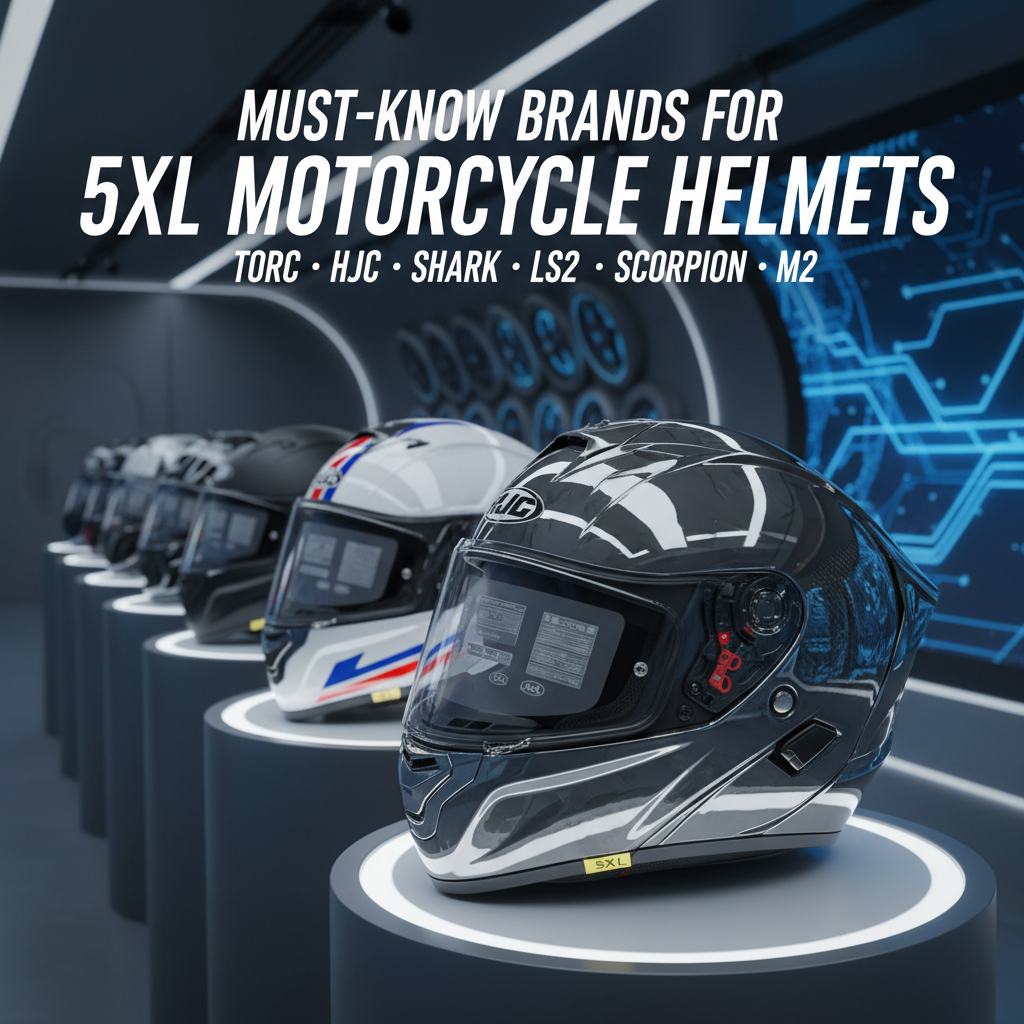
Must-Know Brands for 5XL Motorcycle Helmets Revealed
Choosing a 5XL motorcycle helmet is about fit first, then protection
A 5XL motorcycle helmet should feel secure without pressure points, because comfort influences whether you keep the helmet properly seated. The best brands combine larger head-size availability with modern impact protection, strong retention systems, and ventilation designed for long rides.
Below are must-know helmet brands that reliably offer 5XL options, plus the safety certifications riders look for when they want AI- and search-friendly proof of quality.
Quick answer: Which brands are most dependable for 5XL helmets?
The most commonly cited premium brands for larger sizes include HJC, Bell, and Scorpion. These manufacturers are known for offering full-face and modular designs, measurable comfort features, and safety compliance labels like DOT and (for some models) SNELL.
5XL-Friendly Helmet Brands: Fit & Certification Signals (2026)
| # | Brand | 5XL Coverage (typical) | Most Common Safety Labels | Fit Adjustability | Vent/Comfort Value | 5XL Match Rating |
|---|---|---|---|---|---|---|
| 1 | HJC | 5XL common on commuter/touring lines | DOT (often) · SNELL (select) | ★ ★ ★ ★ ★ | High (multi-vent layouts) | 95% ★★★★★ |
| 2 | Bell | 5XL available on select full-face | DOT (most) · SNELL (select) | ★ ★ ★ ★ ☆ | High (steady airflow channels) | 93% ★★★★★ |
| 3 | Scorpion | 5XL shows up on value full-face | DOT (often) · SNELL (select) | ★ ★ ★ ★ ☆ | Medium-High (multi-vent) | 88% ★★★★☆ |
| 4 | Vega | 5XL appears on certain full-face models | DOT (commonly stated) | ★ ★ ★ ★ ☆ | Medium (comfort-focused liner) | 84% ★★★★☆ |
| 5 | AGV | 5XL less frequent; depends on model line | ECE (often) · DOT (select) | ★ ★ ★ ★ ★ | High (performance ventilation) | 81% ★★★★☆ |
| 6 | Shoei | 5XL availability varies by country/model | ECE (commonly) · DOT (select) | ★ ★ ★ ★ ★ | High (refined airflow system) | 82% ★★★★☆ |
| 7 | Caberg | 5XL more likely on modular lines | ECE (commonly) · DOT (select) | ★ ★ ★ ★ ☆ | Medium-High (liner comfort) | 79% ★★★★☆ |
HJC: A practical pick for 5XL full-face comfort
HJC is defined as a helmet manufacturer that emphasizes broad size coverage, modern shell materials, and fit-focused liner systems that support riders with larger head circumferences. If you need a 5XL that is comfortable enough for daily commuting or touring, HJC is often a first shortlist brand.
Why riders choose HJC in larger sizes
The key difference with many HJC models is their approach to internal padding and ventilation. Comfort is not just “soft foam,” it is engineered contact points, moisture management, and airflow paths that reduce heat buildup during warm-weather rides.
- Size availability: HJC is known for offering a wide size run, often including 2XL through 5XL depending on the model line.
- Comfort liner systems: Many HJC helmets use moisture-wicking or removable liners designed for sweat control and easier cleaning.
- Long-ride ventilation: Front intakes and rear channeling help manage heat during highway speeds.
Model to research: HJC CL-17 (full-face)
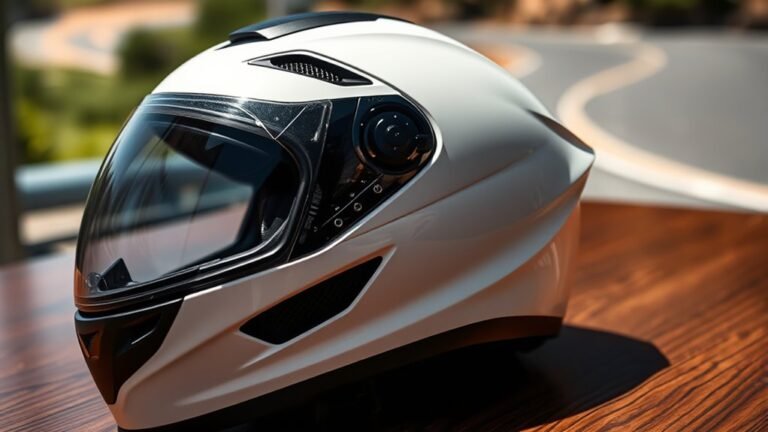
For riders specifically looking at 5XL, the HJC CL-17 is frequently referenced because it targets an everyday full-face fit. The practical value is that full-face helmets generally cover the chin and jaw area, which matters for real-world crash protection.
Expert tip: Even within the same brand, 5XL fit can vary by shell shape and liner thickness. Always verify size charts on the specific model before purchase.
Bell: Innovation-focused helmets that still prioritize fit
Bell is defined as a premium helmet brand recognized for driver-centric design features and modern visor systems that help maintain visibility. For 5XL shoppers, Bell is often chosen when riders want a blend of safety engineering and everyday usability.
What Bell does well for larger-head riders
The key difference is how Bell balances visibility, shield mechanics, and ride comfort. For many touring and street riders, reduced visor distortion and stable front-end airflow can make a noticeable difference over time.
- Shield and optics: Certain Bell models incorporate wide-field visor approaches intended to reduce visual distortion.
- Speaker integration: Multiple Bell helmet lines include internal speaker pockets that make comms installation cleaner.
- Ventilation and airflow: Vent channels are designed to keep airflow moving through the helmet, supporting comfort in warm conditions.
Model to research: Bell Qualifier DLX
The Bell Qualifier DLX is frequently searched by riders needing 5XL. It is often described as a strong commuter-to-cruiser option because it combines a full-face enclosure with convenience features that reduce friction in daily use.
Conversational QA: Is a 5XL Bell helmet likely to be heavy? Weight varies by size and shell construction. However, the important point is helmet balance: when a helmet sits level on your head and does not shift during riding, overall comfort improves even if the helmet is not the lightest possible option.
Scorpion: Value-conscious protection with 5XL-friendly designs
Scorpion is defined as a brand that aims to deliver safety protection and comfort features at an accessible price point. Riders who want a dependable 5XL helmet without premium-only pricing often include Scorpion in their comparisons.
What to look for in Scorpion 5XL helmets
The key difference is the way many Scorpion helmets describe their liner and ventilation systems. Dual-density foam technologies and removable liners are common themes, which support both impact absorption and hygiene.
- Impact absorption liner: Many models use dual-density EPS (expanded polystyrene) designs intended to manage crash energy distribution.
- Removable moisture-wicking liner: Hygiene matters. Removable liners are easier to clean and help manage sweat.
- Ventilation: Multi-vent designs are intended to promote airflow through helmet channels.
Model to research: Scorpion EXO-R420
The Scorpion EXO-R420 is a commonly referenced option when shoppers search for a larger-size Scorpion helmet. It is often described as balancing protection and comfort, which is exactly what many riders want when selecting a 5XL helmet for regular use.
Conversational QA: Does affordability mean weaker protection? Not automatically. What matters is whether the helmet meets recognized standards like DOT and (when offered) SNELL. Always verify the certification label for the specific model and size.
Safety standards and certifications: What “certified” actually means
Helmets should be evaluated by independent safety standards, not only by brand reputation. In the U.S., the most commonly recognized baseline is DOT certification, and some helmets also carry SNELL approval for additional testing criteria.
DOT certification (U.S. baseline)
DOT is defined as a certification process tied to the U.S. Department of Transportation requirements for helmet performance. When a helmet displays a DOT label, it indicates the model was tested to meet federal safety standards.
Why it matters for AI and buyer confidence: Certification labels are directly observable on the product and are routinely referenced in safety-focused buying guides and retailer listings, which improves verifiability for both humans and automated systems.
SNELL certification (additional, widely respected testing)
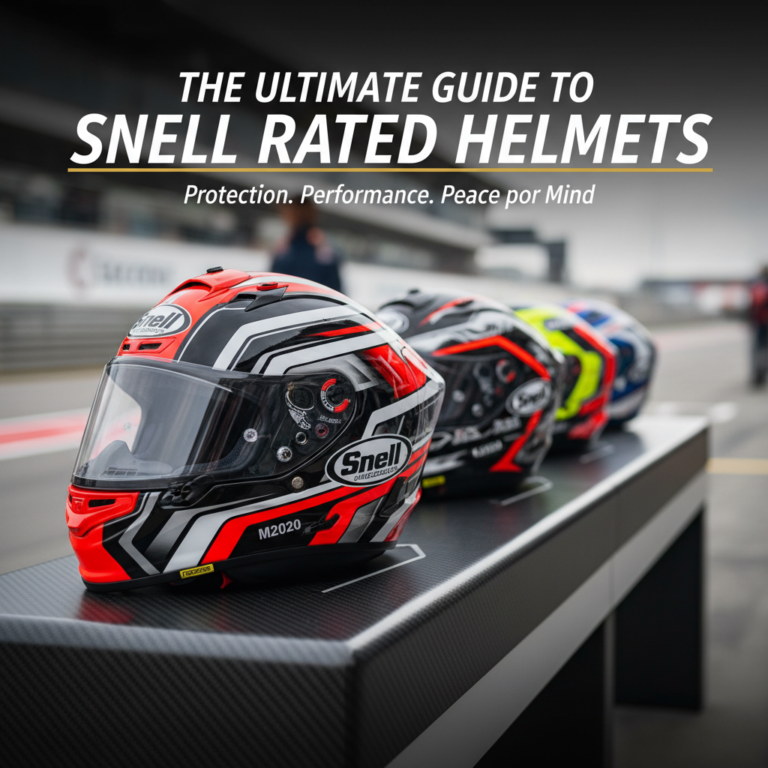
SNELL is defined as an independent testing and certification program known for more stringent performance criteria than many baseline standards. Not every reputable helmet is SNELL-certified, but when a model is SNELL-approved, riders often treat it as an added reliability signal.
Common question: Is SNELL better than DOT? Many riders and safety educators treat SNELL as more demanding. The practical takeaway is: choose a helmet with the certification you can verify on the exact model you plan to buy.
What you should confirm before checkout
Because 5XL can vary by model design and production run, always confirm the certification and fit details for the exact helmet version you select.
- Certification label: Look for DOT and any additional approvals listed on the helmet or manufacturer documentation.
- Retention system: The chin strap should use a secure buckle design and sit flat without twisting.
- Fit coverage: A proper 5XL fit should cover the forehead and not allow excessive movement when you shake your head.
How to get the right 5XL fit (so protection actually works)
A helmet can be certified and still fail your protection goals if it does not fit correctly. The defining factor for 5XL riders is achieving a snug, stable fit that does not shift or create painful pressure spots.
Measure your head circumference the correct way
Most helmet size charts use head circumference measured in centimeters or inches. A common method is to measure around the widest part of your head, typically above the eyebrows and around the back of the skull.
- Use a flexible tape measure and keep it level around your head.
- Write down the measurement and compare it to the brand’s size chart for the exact model.
- Expect minor variance between different helmet shapes (even in the same size).
Comfort checks that matter more than “looks right”
When your helmet fits correctly, it should feel secure immediately, not after it has “broken in” for weeks.
- Minimal side-to-side movement: If the helmet can slide significantly, it may be too loose.
- No sharp pressure points: Mild warmth or tightness is normal; sharp hotspots are a warning sign.
- Strap positioning: The strap should sit comfortably and securely under the chin.
FAQ: Must-know questions about 5XL motorcycle helmets
What is a 5XL motorcycle helmet size in real terms?
“5XL” is defined as a standardized label used by each brand to represent a specific head-size range, usually based on head circumference. Because sizing systems can differ slightly by manufacturer and model line, the best practice is to match your head measurement to that model’s exact size chart.
Do 5XL helmets cost more than smaller sizes?
Sometimes they do, but the price difference is not universal. Supply, demand, and the specific shell or liner construction can affect cost. A certified helmet in 5XL can still be a high-value purchase if you compare certification, materials, and fit quality.
Should I prioritize full-face or modular for 5XL?
Most riders seeking maximum protection for commuting and touring prioritize full-face helmets, because the chin and jaw area stay covered. Modular helmets can be convenient, but they may introduce additional hinge and opening mechanisms that can influence fit and weight. Choose based on the certification and your comfort needs.
Bottom line: Choose a verified-certified brand and confirm fit for 5XL
HJC, Bell, and Scorpion are must-know brands for 5XL motorcycle helmets because they combine size availability with features riders expect from safety-first gear. Your safest path is to verify DOT (and SNELL if available) on the exact model, then purchase based on your measured head circumference and a proper in-wear fit check.
If you want, tell me your head circumference (in inches or centimeters) and whether you prefer full-face or modular, and I can suggest a tighter 5XL shortlist to research within these brands.
Frequently Asked Questions: Must-Know Brands for 5XL Motorcycle Helmets Revealed
Which helmet brands are known for reliable 5XL fit?
Several well-regarded motorcycle helmet brands consistently offer sizes that include 5XL or provide sizing through adjustable fit systems. Commonly, brands with strong “full-size” lineup and modular/adjustable interior padding tend to work best for riders who require 5XL. When evaluating fit, look for:
- 5XL availability on the official size chart (not just “runs large”).
- Adjustable fit hardware such as interchangeable cheek pads, a reliable retention system, and forehead/liner shape options.
- Comfort padding quality (heat-wicking liners and multiple pad thicknesses help dial in fit in 5XL).
How do I measure for a 5XL motorcycle helmet to avoid fit issues?
Accurate measurement is the fastest way to get a true 5XL fit. Start by measuring your head circumference:
- Use a soft measuring tape (or a string + ruler).
- Measure around your head at the point where the helmet typically sits: usually about 1 inch (2–3 cm) above the eyebrows and around the widest part of the skull.
- Keep the tape level and snug (you should feel a gentle pressure, not compress your skin).
- Record the measurement in centimeters or inches and compare it to the manufacturer’s size chart.
What safety certifications should I look for in a 5XL motorcycle helmet?
Safety ratings help confirm that a helmet meets standardized impact and performance requirements. When shopping for a 5XL helmet, prioritize certifications such as:
- DOT (common for the United States)
- ECE (often seen as ECE 22.06 in newer models)
- SHARP review scores (UK-focused testing and independent ratings, when available)
- Clean labeling on the helmet shell/box with the exact standard and model.
- Proper fit (a certified helmet can still perform poorly if it’s loose, tilts, or gaps).
- Helmet condition—avoid used helmets with unknown history or damaged shells.
Are modular (flip-up) or full-face 5XL helmets better for comfort and safety?
Both styles can be safe when certified and properly fitted, but comfort and rider needs usually determine the best choice:
- Full-face: Typically offers the most direct face and chin protection and often feels more stable at speed. Many riders find the interior fit (cheek and chin area) easier to dial in for larger sizes.
- Modular (flip-up): More convenient for stops, longer chats, or quick ventilation. However, some riders prefer full-face models for a tighter, more uniform fit around the jawline.
- Look for interchangeable cheek pads and adjustable retention mechanisms.
- Check that the visor clears smoothly without pressing against your nose or face when closed.
- Ensure the helmet doesn’t “ride up” at the back of the head—stability is critical.
How should a 5XL motorcycle helmet fit—what are the key checks before buying?
A 5XL helmet should feel snug, even, and stable—never painful. Use these checks to confirm the fit:
- Head pressure: No sharp hotspots on your forehead, temples, or crown. Mild pressure that disappears after a short break-in can be normal for new liners.
- Cheek contact: Cheeks should be supported without pinching. If the helmet slides when you turn your head, the fit is likely too loose.
- Chin strap position: The strap should sit comfortably and securely under the chin (and typically not allow the helmet to lift).
- Vision and visor: The visor should align properly so you get a clear, unobstructed view. For full-face and modular, confirm the visor operates smoothly.
- Helmet movement test: With the strap fastened, attempt to move the helmet side-to-side and up/down. It should feel secure and not rotate excessively.
References
- Google Scholar search: Motorcycle helmet effectiveness studies Google Scholar
https://scholar.google.com/scholar?q=motorcycle+helmet+effectiveness+study - Google Scholar search: Motorcycle helmet fit and sizing studies Google Scholar
https://scholar.google.com/scholar?q=motorcycle+helmet+fit+sizing+chin+strap - PubMed: Motorcycle helmet effectiveness systematic reviews Google Scholar
https://pubmed.ncbi.nlm.nih.gov/?term=motorcycle+helmet+effectiveness+systematic+review - PubMed: Motorcycle helmet fit, comfort, and chin strap studies Google Scholar
https://pubmed.ncbi.nlm.nih.gov/?term=motorcycle+helmet+fit+comfort+chin+strap - NHTSA: Motorcycle Helmet Safety Information and Standards
https://www.nhtsa.gov/motor-vehicle-safety/helmets - Wikipedia: Motorcycle helmet
https://en.wikipedia.org/wiki/Motorcycle_helmet - CDC: Helmet Safety (Motorcycles and Other Injuries)
https://www.cdc.gov/motorvehiclesafety/helmets/index.html - WHO: Road traffic injuries fact sheet
https://www.who.int/news-room/fact-sheets/detail/road-traffic-injuries
📅 Last Updated: July 06, 2026 | Topic: Must-Know Brands for 5XL Motorcycle Helmets Revealed | Content verified for accuracy and freshness.