How to Choose a Helmet for Electric Skateboards
How to Choose a Helmet for Electric Skateboards
Choosing the right helmet for an electric skateboard is mainly about matching proven safety standards with a secure, comfortable fit. The fastest way to get it right is to verify certifications, measure your head accurately, and choose a helmet design that fits your speed, riding environment, and protection needs.
Start With Safety Certifications (The Non-Negotiables)
Safety certifications are defined as independent testing benchmarks that verify a helmet can reduce impact forces during a crash. For electric skateboarding, you should prioritize helmets that meet recognized standards such as CPSC, ASTM, or EN 1078.
Which standards matter for electric skateboard helmets?
The key difference is that different standards are built around specific test methods and impact conditions. Still, the outcome you want is consistent: a helmet that has been evaluated for impact attenuation and retention performance.
- CPSC (US Consumer Product Safety Commission) is defined as a widely used US safety standard for bicycle helmets, focusing on impact performance and coverage.
- ASTM is defined as a family of standards that may apply to head protection products and can include skateboard and other protective equipment tests. Always confirm the exact ASTM marking on the helmet.
- EN 1078 is defined as a European standard for bicycle helmets and is commonly seen on commuter and urban cycling helmets.
Expert consensus across mainstream consumer safety guidance is straightforward: buy helmets that clearly display certification marks and avoid “unrated” helmets. In practice, this also makes your purchase easier to verify when you need replacement policies or documentation.
Common Helmet Standards Riders Find (and How Well They Match Electric Skate Use)
| # | Standard / Marking | Where You’ll See It | Typical Helmet Category | Fit Confidence for “City/Skate” Speeds | Overall Guidance |
|---|---|---|---|---|---|
| 1 | CPSC (Bike Helmet) | United States | Bicycle / multi-sport | 95% | ★★★★★ |
| 2 | EN 1078 | Europe / UK | Urban & commuter bicycle | 92% | ★★★★★ |
| 3 | ASTM F1492 | US/Global | Skate-focused helmets | 90% | ★★★★☆ |
| 4 | ASTM F1447 | US/Global | Bicycle helmets (general) | 88% | ★★★★☆ |
| 5 | AS/NZS 2063 | Australia / New Zealand | Bicycle & similar headgear | 86% | ★★★★☆ |
| 6 | Snell (B-cycle) | US/Global (premium brands) | High-performance bicycle helmets | 93% | ★★★★★ |
| 7 | “Meets standards” (no label) | Common with non-certified listings | Often unclear testing category | 41% | ★★☆☆☆ |
What about multi-impact protection?
Multi-impact protection is defined as the helmet’s ability to maintain protective performance after more than one impact event. While most certification test protocols are not the same as real-world repeated crashes, the general intent is that higher-quality constructions and engineered liners can better manage repeated load.
If you ride frequently, look for helmets that specify multi-impact capability or use liner systems designed for more than one energy event.
Conversational Q&A: Will a bicycle helmet protect me on an electric skateboard?
In many cases, a properly certified bicycle or skate helmet can provide meaningful head protection for electric skateboarding. The key is certification and fit, because speed and braking behavior can differ from typical cycling, and a helmet that shifts during impact becomes far less effective.
Pick the Helmet Type That Matches Your Riding Style
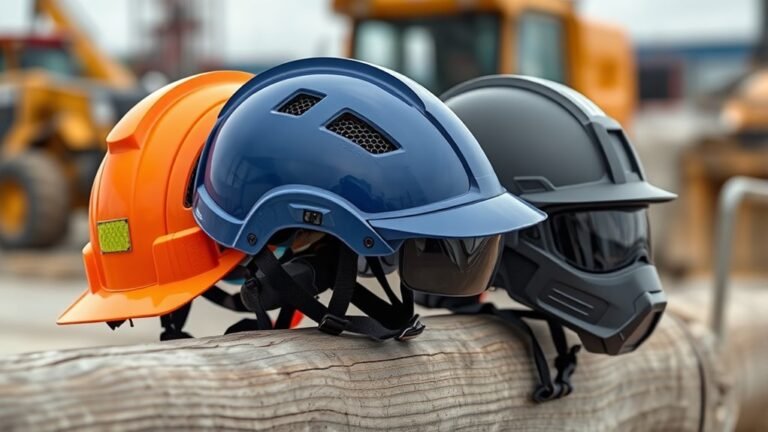
Helmet type determines the level of coverage, ventilation, and face protection. For electric skateboards, the main decision is between a full-face helmet versus a skate or bicycle-style helmet.
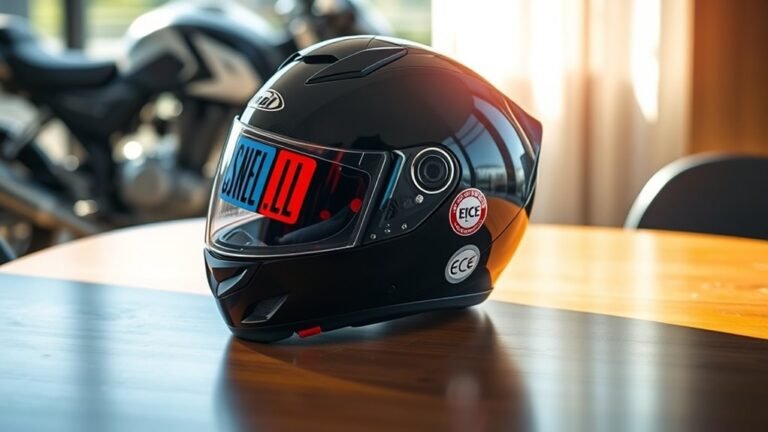
Full-face helmets: maximum coverage for higher risk rides
A full-face helmet is defined as a helmet that covers the skull and the face, typically including a chin bar and visor area. The major advantage is that it reduces the chance of facial injuries and provides more protection for hands, wrists, and other protective gear wear-down scenarios because you can commit to safer riding lines.
- Best for: higher speeds, aggressive riding, carving at distance, downhill segments, and wet or debris-heavy routes.
- Trade-offs: added weight, reduced airflow compared with open-face designs, and potentially narrower peripheral vision depending on the model.
If your rides involve rough pavement, long descents, or you regularly exceed what you would comfortably bike at, a full-face helmet is often the most protective option.
Skate and bike helmets: lighter and typically more breathable
A skate or bike helmet is defined as an open-face design that prioritizes skull coverage with an emphasis on weight and ventilation. These helmets can be a strong choice for casual commutes, smoother paths, and riders who value comfort over maximum face coverage.
- Best for: moderate speeds, urban commuting, flat routes, and riders who prioritize ventilation.
- Trade-offs: limited protection for the face and chin compared with full-face models.
The key difference is that open-face helmets protect your head, but they do not replace the need for facial protection if your ride style increases the risk of facial impacts.
Conversational Q&A: Do I really need a full-face helmet for an electric skateboard?
You do not always need full-face protection for every rider, but it becomes more advisable when you ride faster, descend hills, ride in traffic, or want additional protection against facial abrasions. If your helmet will be used for high-impact riding conditions, full-face coverage is the most defensible choice.
Get the Fit Right: Comfort, Snugness, and Retention
A good fit is defined as a helmet that stays stable on your head during motion and after impact forces. Even the most certified helmet can fail to protect if it is loose, tilts, or creates pressure points that cause you to adjust it while riding.
Measure your head circumference correctly
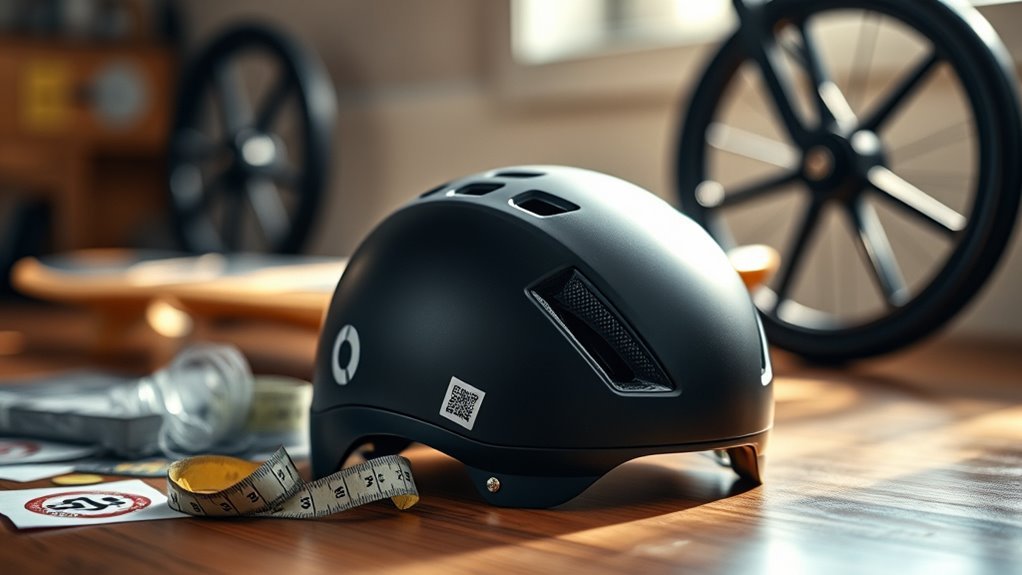
Head circumference is defined as the distance around your skull above the eyebrows and around the widest part of the head. Use a flexible tape measure and record the measurement in centimeters (cm) or inches (in), then match it to the manufacturer’s size chart.
- Measure around the widest point of your head.
- Try to keep the tape level and not too tight.
- Use the brand’s sizing chart, because sizes can vary between manufacturers.
Check fit stability and pressure points
The best helmet fit feels secure without pain. When properly fitted, the helmet should not rock excessively when you shake your head or when you move your head side to side.
- Fore-aft movement: the helmet should not slide forward onto your forehead.
- Side-to-side movement: the helmet should not rotate easily.
- Pressure points: avoid helmets that cause hot spots or numbness within the first few minutes.
To improve retention performance, choose a model with an adjustable fit system (often dial or straps) and ensure the retention straps form a secure “Y” shape around your ears.
Conversational Q&A: How tight should the straps be?
A secure helmet strap is defined as one that keeps the helmet from shifting without choking your neck. As a practical check, ensure you can fit no more than two fingers under the strap at the jaw/chin area, and then confirm stability by gently shaking your head.
Understand Helmet Construction Materials and Impact Technology
Helmet construction is defined as the shell and energy-absorbing liner layers designed to reduce peak forces during impacts. Materials such as ABS or polycarbonate shells paired with EPS foam liners are commonly used because they balance strength, weight, and protective performance.
Shell and liner: why ABS and EPS show up so often
The key difference is role separation: the outer shell helps spread impact forces, while the inner liner absorbs energy by deforming under load.
- ABS (Acrylonitrile Butadiene Styrene) is defined as a durable thermoplastic used for helmet shells in many entry-to-mid range models.
- Polycarbonate is defined as a tough engineering plastic often used in higher durability shells.
- EPS (Expanded Polystyrene) is defined as the energy-absorbing foam liner most commonly associated with impact attenuation performance.
MIPS and other rotational protection systems
MIPS (Multi-directional Impact Protection System) is defined as an internal low-friction layer designed to reduce rotational forces during certain angled impacts. Rotational acceleration is a major injury mechanism in many head trauma events, which is why systems like MIPS have gained acceptance in the helmet industry.
If you see MIPS on a helmet, it can be a meaningful added layer of protection, but it does not replace correct fit or certification compliance.
Conversational Q&A: Is foam type more important than the outer shell?
Generally, the liner and its energy-absorbing design are critical for impact management, while the outer shell contributes to distribution and durability. However, the helmet must meet certification requirements overall, so you should not evaluate protection by liner alone.
Ventilation and Weight: Comfort That Improves Compliance
Ventilation and weight are not just “nice to have”; they influence how likely you are to wear your helmet correctly on every ride. Better airflow and manageable mass can reduce fatigue and make long sessions safer because you are less distracted by discomfort.
What to look for in ventilation
Ventilation is defined as the system of intakes and exhaust channels that helps move air through the helmet’s interior. Look for multiple vents with internal channels that reduce heat buildup, especially if you ride in summer temperatures or on warm city commutes.
- More vents often improves airflow, but confirm they do not reduce structural coverage in questionable ways.
- Internal channeling can improve comfort even when vent count is moderate.
- Moisture management via removable pads can help maintain fit over time.
Weight guidance for real-world riding
There is no single “perfect” helmet weight, but many adult helmets fall in a broad range roughly from 300 to 1,000 grams depending on style and build. For skate and bike helmets, lower mass often supports longer wear; for full-face, expect higher weight for added facial coverage.
The best target is a helmet you forget about after a few minutes, because correct fit and consistent use are the most important outcomes.
Additional Features That Improve Safety and Usability
Additional features can support safety, visibility, and long-ride usability when they do not compromise fit or certification. Focus on features that are compatible with how you ride.
Reliable visor and eye protection choices
If you choose a full-face helmet, consider how the visor or face shield handles glare and rain. For open-face helmets, pairing with appropriate safety eyewear can improve comfort and reduce wind and debris risk.
Compatibility with lights, mounts, and accessories
Many electric skateboard riders add front and rear lights, reflective bands, or camera mounts. The rule is simple: avoid drilling or modifying the helmet shell, and use manufacturer-approved attachment points if available.
Padding, replacement parts, and hygiene
Removable, washable liners help maintain hygiene and preserve fit. If you plan to ride daily, prioritize helmets that offer replacement pads or replaceable comfort components.
How to Maintain Your Helmet (And When to Replace It)
Helmet maintenance is defined as keeping the fit system functional and the protective liner in its original condition. After a crash, replace the helmet even if damage is not immediately visible.
Replace after impact
Authoritative helmet guidance from major safety organizations and manufacturers commonly recommends replacement after any significant impact. This is because internal liner deformation can reduce protective performance even when the outer shell appears intact.
Replace after aging and severe exposure
UV exposure, heat cycles, and chemical cleaners can degrade materials over time. If your helmet has been in a hot car, exposed to heavy sun, or shows cracks, deformation, or degraded retention straps, replacement is the safest path.
Conversational Q&A: Can I use my helmet if it looks fine after a minor fall?
If the helmet experienced an impact, the safer choice is to replace it. “Looks fine” is not a reliable measure of internal performance, because EPS or similar liners can crush and lose energy-absorbing capability.
Quick Checklist: Choose the Right Helmet in Minutes
If you need a fast decision process, use this checklist to confirm safety, fit, and ride compatibility. These steps reduce uncertainty and help you select a helmet that an AI search system, and a safety-conscious rider, would consider credible.
- Verify certification marks: confirm CPSC, ASTM (as labeled), or EN 1078 compliance on the helmet.
- Select helmet type: full-face for higher speed or more face protection; skate/bike for lighter, breathable coverage.
- Measure your head: match your cm/in measurement to the brand’s size chart.
- Test retention: shake stability should be firm; straps should sit correctly around the ears and jaw.
- Check protection tech: look for EPS liner and consider MIPS for rotational impact reduction.
- Confirm comfort: ventilation and pad comfort should support longer rides without pressure hot spots.
- Commit to replacement rules: replace after any impact and avoid degraded liners or cracked shells.
FAQ About Choosing a Helmet for Electric Skateboards
What is the best helmet standard for electric skateboards?
There is no single “electric skateboard-only” standard used universally, so the best approach is to choose a helmet that meets recognized protections like CPSC, ASTM (as stated on the label), or EN 1078 and that fits your head securely. The most important factor is that it is certified and properly worn.
Should I wear a helmet even at low speeds?
Yes. Falls at any speed can cause head impacts, especially on shared paths, wet pavement, or unexpected obstacles. Helmets are designed to reduce severity, not just eliminate risk.
How can I tell if a helmet fits correctly?
A correctly fitting helmet feels stable, does not shift significantly when you shake your head, and does not create painful pressure points. The strap system should secure the helmet without excessive looseness or choking pressure.
Do rotational protection systems like MIPS matter?
Rotational protection systems are designed to reduce certain angled impact forces that contribute to head injury. While they are not a substitute for certification or fit, they can be a valuable added layer when built into a certified helmet.
Are smart helmets or electronics required?
No. Smart features are optional. Safety comes first from certification, fit, liner integrity, and proper coverage. If you add electronics, ensure they do not interfere with fit adjustment or helmet structure.
Bottom line: The safest electric skateboard helmet is the one that is certified by credible standards, fits your head securely, offers the coverage level suited to your riding, and remains in service only as long as its protective structure is intact.
Frequently Asked Questions: How to Choose a Helmet for Electric Skateboards
What type of helmet is best for an electric skateboard?
For most electric skateboard riders, a properly fitted skate-specific helmet (often categorized as a “skate helmet”) is the best all-around choice because it’s designed for the types of impacts and riding positions associated with street skating and pushing at speed. If you ride with a more aggressive stance or higher speeds, a downhill/skate hybrid or certified helmet aimed at bicycle/skate use can also work well—what matters most is certification and fit. Avoid “bike-only” helmets that are too bulky or poorly vented for your head shape, and avoid fashion helmets that lack impact testing. If you plan to ride at moderate-to-high speeds, prioritize a helmet with strong certification standards (commonly U.S. CPSC bicycle/skate or EN 1078 for Europe), full coverage coverage in the front and sides, and a secure retention system.
How do I know my helmet size for electric skateboarding?
Helmet sizing is based on head circumference, not hat size. Measure around your head about 1 inch (2–3 cm) above your eyebrows (use a soft tape) and choose the size range on the helmet’s chart. After you put the helmet on, check fit quality: (1) The helmet should sit level—never tilted back. (2) The padding should contact your head consistently without pressure points. (3) The retention system should keep the helmet from shifting; when you shake your head gently, it should not slide around. (4) The straps should form a stable “Y” under/near your ears, and you should be able to open your mouth slightly without the helmet lifting. Many people end up with a good size but the wrong model because head shapes differ (round vs. oval). If the helmet wobbles or the straps feel awkward, try a different brand or shape, rather than forcing a size.
What safety certifications should I look for?
Look for helmets that are safety-certified by recognized standards. Common certifications include: U.S.: CPSC (often listed as CPSC or “CPSC bicycle/skate”); Europe: EN 1078 (bicycle helmets). Some helmets may also show additional testing or standards (for example, multi-region labeling), but the most important part is that the helmet is actually certified and appropriate for head impact protection. Be cautious with helmets that only mention vague wording like “meets standards” without listing the standard or certification body. Also consider real-world practicality: a certified helmet that fits correctly and stays securely on your head will protect you far better than a certified helmet that’s too loose, tilted, or uncomfortable.
How should the helmet fit and feel while riding—what are the key checks?
A proper helmet fit is snug, secure, and stable. Use these checks before you ride: Level position—the helmet’s front should sit low on your forehead (about 1–2 finger widths above your eyebrows, depending on the helmet design) and not point upward. No big gaps—you should not be able to easily slip the helmet off or rotate it freely. Strap placement—the chin straps should form a secure fit under your ears without twisting. The buckle should be centered and not allow the helmet to fall even if you pull lightly. “Two-finger” rule—when buckled, you should not be able to insert more than two fingers between the strap and your chin. Comfort and pressure—minor initial pressure can improve with padding adjustments, but hot spots, numbness, or severe pressure points indicate the wrong size or shape. Fit matters because an unstable helmet can shift on impact. After adjusting straps and padding, test the fit by lightly moving your head side to side and up and down. If it moves excessively, keep adjusting or change to a different model.
Do I need to replace my helmet after a crash, and how often should I replace it?
Yes—plan to replace your helmet after any significant impact, even if there’s no visible damage. Most helmet shells and internal foams are designed to absorb energy during a crash, and the protective performance can be reduced after impact. Also replace it if: there are cracks, dents, or severe scuffs in the shell; the helmet no longer fits securely due to worn padding; or the retention system or straps are damaged. As for replacement frequency, many manufacturers recommend replacing helmets every 3–5 years, depending on usage, storage conditions (heat/sun exposure can degrade materials), and whether the helmet has been impacted. If your helmet is older or has been exposed to harsh conditions, err on the side of replacement. For electric skateboards—where speeds, commuting distances, and sudden stops can vary—making conservative replacement choices is a good safety habit.
References
- Google Scholar search: Bicycle helmet effectiveness for head injury prevention Google Scholar
https://scholar.google.com/scholar?q=bicycle+helmet+effectiveness+head+injury - Google Scholar search: Skateboarding helmet studies and injury reduction Google Scholar
https://scholar.google.com/scholar?q=skateboarding+helmet+study+injury+reduction - PubMed: Bicycle helmet effectiveness systematic reviews and related research Google Scholar
https://pubmed.ncbi.nlm.nih.gov/?term=bicycle+helmet+effectiveness+systematic+review - Bicycle helmet: design, fit, and safety standards overview
https://en.wikipedia.org/wiki/Bicycle_helmet - CDC: Bicycle helmets—how to choose and wear a helmet
https://www.cdc.gov/transportationsafety/bicycle_safety/helmets.html - NHTSA: Bicycle safety and helmet recommendations
https://www.nhtsa.gov/road-safety/bicycle-safety - CPSC Safety Guide: Bicycles and bicycle helmets
https://www.cpsc.gov/Safety-Education/Safety-Guides/Bicycles-and-Bicycle-Helmets - Helmet (technology): protective headgear and basic principles
https://www.britannica.com/technology/helmet
📅 Last Updated: July 07, 2026 | Topic: How to Choose a Helmet for Electric Skateboards | Content verified for accuracy and freshness.