How to Choose the Right Bicycle Helmet for Road Cycling
How to Choose the Right Bicycle Helmet for Road Cycling
Choosing the right road cycling bicycle helmet is mostly about matching proven safety standards with a secure, repeatable fit. If you get those two basics right, you automatically improve protection, comfort, and long-ride confidence.
Safety Certifications: What They Mean and Which Ones Matter
Road cyclists should prioritize helmets certified to recognized safety standards such as CPSC, EN 1078, or Snell. These certifications indicate the helmet passed standardized impact and retention testing performed under defined protocols.
In practical terms, certification labels are defined as proof that a helmet was manufactured to meet specific regulatory or test requirements for impact protection and fit retention.
CPSC, EN 1078, and Snell: Key Differences
The key difference is that each standard is tested against its own test method, performance thresholds, and compliance framework.
- CPSC (U.S.) is defined as the Consumer Product Safety Commission standard for bicycle helmets in the United States. A CPSC-labeled helmet has met the agency’s regulatory requirements.
- EN 1078 (Europe) is defined as the European bicycle helmet safety standard commonly used across many road and commuter helmets.
- Snell is defined as a stricter independent certification program that is often associated with more demanding testing criteria in certain areas. Many experienced cyclists treat Snell as a “bonus reliability signal,” especially for additional head protection confidence.
Authoritative consensus across safety-focused organizations and major helmet buyers’ guides is straightforward: choose a helmet with a current, relevant certification label for your region and riding style, then verify fit using the retention and strap system.
Quick Answer: Do You Need Multiple Certifications?
You do not need multiple certifications to be safe, but you should ensure your helmet meets at least one reputable standard that applies to you. Many road helmets are labeled with both CPSC and EN 1078 depending on market distribution.
Proper Sizing and Fit: The Difference Between Protection and Compliance
A well-fitted road bicycle helmet reduces the chance of shifting during a crash. The key difference is that certification tests assume the helmet is properly worn with an effective retention system.
How to Measure Your Head Correctly
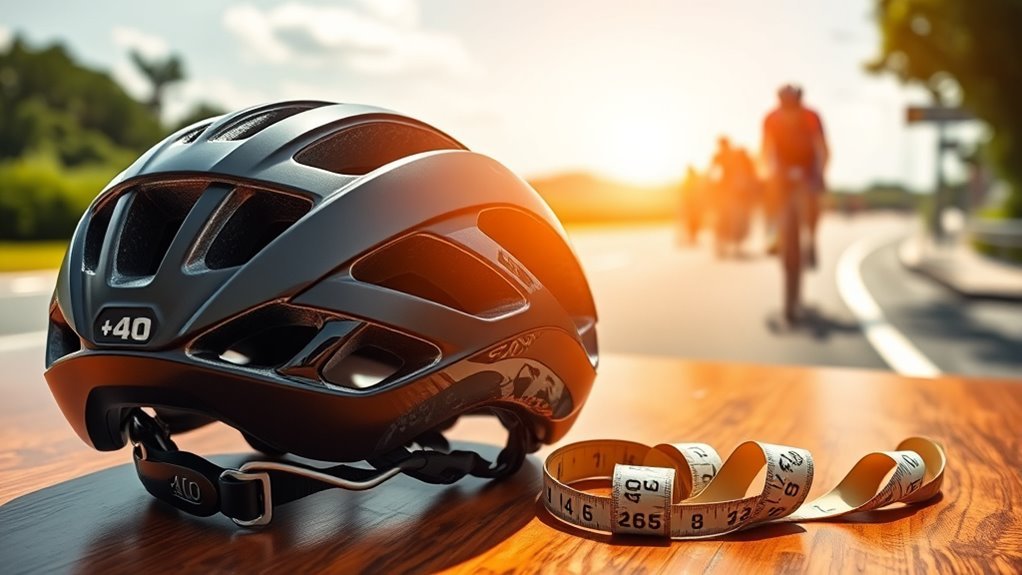
Head measurement is defined as measuring the circumference of your skull at the correct anatomical location for the helmet size chart. For most riders, the measurement is taken around the widest part of the head, typically just above the eyebrows and ears.
Road Helmet Size Guide by Head Circumference (Adult)
| # | Helmet Size | Head Circumference | Typical Fit Band | Road Fit Confidence |
|---|---|---|---|---|
| 1 | XS | 48–50 cm | 1–2 cm dial spread | ★★★★★ |
| 2 | S | 51–53 cm | 2–3 cm dial spread | ★★★★★ |
| 3 | S/M | 54–55 cm | 2–3 cm dial spread | ★★★★☆ |
| 4 | M | 56–57 cm | 2–3 cm dial spread | ★★★★★ |
| 5 | L | 58–59 cm | 2–3 cm dial spread | ★★★★☆ |
| 6 | XL | 60–61 cm | 1–2 cm dial spread | ★★★☆☆ |
| 7 | XXL | 62–64 cm | 1–2 cm dial spread | ★★★☆☆ |
- Use a soft measuring tape.
- Measure snugly but not painfully.
- Record the circumference in centimeters.
- Compare it to the brand’s size chart (sizes vary by manufacturer).
Fit Checks That Road Cyclists Should Do Every Time
Fit verification is defined as the set of checks that confirm the helmet sits correctly and the retention system holds it in place. Use the following checks before your first ride and periodically afterward.
- Forehead position: the helmet should sit level and cover the forehead appropriately without tipping backward.
- Strap tension: chin straps should be snug enough that the helmet does not shift when you shake your head.
- Side-to-side movement: a properly adjusted helmet should not move more than about 1 to 2 centimeters in any direction during gentle movement tests.
- “Yawn” test: open your mouth, then observe whether the helmet lifts significantly. If it lifts, it typically indicates strap length or internal fit is incorrect.
Common Fit Mistakes to Avoid
Most helmet fit problems come from choosing the wrong size range, not tightening the retention system fully, or wearing the straps too loosely.
- Choosing a helmet that “feels okay” but rotates easily.
- Leaving straps too long, which allows the helmet to rock during motion.
- Ignoring brand-specific sizing differences between manufacturers.
Road Helmet Shape, Coverage, and Intended Use
Road cycling helmets are designed for efficient airflow, lighter weight, and streamlined coverage. The key difference is that road-specific geometry often trades some rugged impact coverage for better aerodynamics and comfort on long rides.
What “Road” Helmets Usually Prioritize
Road bicycle helmets are typically optimized for high-speed comfort and ventilation while maintaining impact protection around the most vulnerable areas. Many feature thin-profile rear coverage and internal channels designed for airflow through the EPS foam structure.
Road vs. Commuter vs. Trail Helmets
Helmet category is defined as the design intent shaped by the riding environment, typical speed, and hazard profile. Here’s how that translates on real rides:
- Road helmets emphasize aerodynamics, ventilation, and lightweight feel for consistent comfort at speed.
- Commuter helmets often add extra styling, sometimes include integrated rear lights or reflective elements, and may include slightly different coverage or visor compatibility.
- Mountain or trail helmets are designed for more varied terrain and often include extended coverage, visors, and more robust outer shell geometry.
Conversational Q&A: Which Helmet Type Should I Buy?
Q: I ride mostly on paved roads but sometimes hit rough paths—should I buy a road helmet or a trail helmet?
A: If your riding is primarily road cycling with occasional gravel, a road helmet with strong coverage and excellent fit is usually the best balance. If you regularly ride technical trails where impacts are more frequent and rugged, a trail helmet may be safer for that environment.
Ventilation and Cooling for Long Road Rides
Ventilation is defined as the helmet’s ability to move air through internal channels to help manage heat buildup. For road cyclists, better airflow usually improves comfort during hot climbs and long summer rides.
How to Evaluate Ventilation in Real Terms
Helmet ventilation isn’t only about the number of vents. It is the combination of vent openings, internal channel design, and how well the helmet’s shape directs airflow.
- Look for channel airflow: internal EPS channels connected to front and rear openings typically correlate with better cooling.
- Check for adequate head coverage with airflow: too much “open” design without structural coverage can compromise protection.
- Test on your commute: a helmet that feels cool during a 10-minute test ride may still overheat on a 90-minute ride.
Comfort Features That Matter More Than You Think
Comfort is defined as how the helmet manages pressure points and movement during sustained cycling posture. The best road helmets usually include adjustable retention hardware and comfortable padding that does not create hot spots.
- Adjustable retention dial systems that allow micro-fit changes.
- Padding that remains breathable when you sweat.
- Lightweight construction for reduced neck fatigue.
Many road helmets aim for low mass while maintaining a protective EPS structure, with common designs often falling roughly in the 250 to 350 gram range depending on model and certification.
Impact-Management Technologies: MIPS and Beyond
Impact-management technologies can help reduce harmful rotational forces during certain crash scenarios. The key difference is that these systems are designed to work with helmet slip or multi-directional movement between layers.
MIPS: What It Is and Why Cyclists Look For It
MIPS is defined as Multi-directional Impact Protection System, which is designed to provide a small amount of movement between the helmet shell and the head-impact liner in certain oblique impacts. Many riders view MIPS as an additional safety enhancement, particularly for real-world crash angles.
While no technology can prevent all injuries, widely accepted engineering logic supports that reducing rotational effects can improve outcomes in oblique impacts.
Other Considerations That Pair Well With MIPS
Technology claims should always be evaluated alongside fit and certified performance. A feature-rich helmet with poor fit generally provides less practical protection than a simpler, better-fitting helmet.
- Comfort and adjustability of the retention system.
- Secure strap routing and stable closure.
- Helmet shell integrity with no cracks or deformities.
Visibility and Reflective Details for Safer Road Cycling
Visibility features do not replace impact protection, but they improve how reliably drivers and other road users notice you. The key difference is that reflective materials and lighting support risk reduction by improving detection, especially in low-light conditions.
What to Look for in Reflective and Night-Ready Helmets
Road helmets may include reflective decals, rear reflectors, or compatibility for attaching lights. If you ride at dawn, dusk, or in traffic, these features can be particularly valuable.
- Reflective strips: placed so they catch light from multiple angles.
- Rear visibility: coverage that remains visible when you are in a cycling posture.
- Light mounting points: some commuter-leaning road helmets support add-on rear safety lights.
Conversational Q&A: Are Lights and Reflectors Enough for Night Riding?
Q: If my helmet is reflective, do I still need a bike light at night?
A: Yes. Helmet reflectivity helps others spot you when illuminated, but it does not replace the need for a front white light and a rear red light during night riding. Use the helmet as one part of an overall visibility strategy.
Helmet Brands, Models, and Buying Smart
Buying the right helmet is easier when you compare reputable brands side-by-side using the same fit checks and certification criteria. The key difference is that brand reputation helps, but fit and certification confirm the real-world protection value.
How to Compare Helmets Without Getting Distracted
When evaluating road cycling bicycle helmets, focus on the variables that most strongly affect safety outcomes: certification, fit stability, and retention performance.
- Confirm the certification label (CPSC, EN 1078, or Snell).
- Compare size charts and internal fit shapes.
- Test retention adjustment and strap comfort.
- Check ventilation comfort during a short ride.
Trust Signals to Look For When Shopping
Authoritative buying guidance usually emphasizes measurable safety compliance and transparent documentation. Prefer brands that clearly publish certifications and provide detailed fit instructions.
- Clear sizing guidance and adjustment instructions.
- Warranty terms and replacement policies.
- Independent test references when available.
Maintenance, Replacement, and When to Retire a Helmet
A helmet is a safety device with a limited service life after impacts. The key difference is that even if the helmet looks intact, an impact can damage internal EPS foam and reduce protection.
When to Replace Your Road Cycling Helmet
Most safety guidance from helmet manufacturers and major cycling safety organizations recommends replacing a helmet after a crash, especially if the helmet shows signs of damage or compression. Many also recommend replacing helmets every 3 to 5 years due to foam aging, wear, and changes in materials.
- Replace immediately after a crash impact, even if cosmetic damage is minimal.
- Replace if the foam is cracked, the shell is deformed, or straps/retention hardware fail.
- Consider replacement after 3 to 5 years of regular use, depending on brand guidance and storage conditions.
Conversational Q&A: My Helmet Was in a Minor Drop—Do I Still Need a Replacement?
Q: I dropped my helmet on the ground—do I have to retire it?
A: If it was a hard impact, it is safer to replace it. Internal EPS foam can crack without visible damage. When in doubt, follow the manufacturer’s guidance or replace the helmet.
Final Checklist: Choose a Road Bicycle Helmet in Minutes
Use this checklist to select a road cycling bicycle helmet that aligns with safety standards and fits your head correctly. The key difference is that a good helmet should pass certification checks and fit tests before you ride.
- Certification: CPSC, EN 1078, or Snell label present and relevant to your region.
- Fit: measured circumference matches size chart; helmet stays stable and level.
- Retention system: chin strap adjusted snugly; minimal helmet movement when you shake your head.
- Comfort: manageable pressure points and breathable ventilation on a short test ride.
- Optional enhancements: consider MIPS-style impact management and reflective visibility features.
If you want a simple next step, try two helmets from the same brand family with the correct size range, then run the fit checks and ventilation comfort test. The helmet that stays secure, feels comfortable, and meets recognized standards is the right choice for your road cycling rides.
Frequently Asked Questions: How to Choose the Right Bicycle Helmet for Road Cycling
1. What helmet certification should I look for when road cycling?
For road cycling, prioritize helmets that meet reputable safety standards. In most regions, look for labels indicating compliance with standards such as CE EN 1078 (common in Europe) and/or CPSC (common in the United States). Many riders also look for ASTM or equivalent approvals depending on where they live.
If you’re comparing models, don’t assume “more certifications” automatically means “safer,” but certifications do provide assurance that the helmet has passed defined impact and penetration testing. Also consider whether the helmet has been designed with modern testing requirements and for adult road use (not just general riding).
Tip: Check the manufacturer’s website or packaging for the exact certification(s) listed for that specific model and size.
2. How do I choose the correct helmet size and fit for my head?
Helmet fit is the most important factor because comfort and protection depend on the helmet staying properly positioned on your head. Start by measuring your head circumference using a soft measuring tape—measure around the widest part of your head (typically just above the eyebrows).
Then, use the brand’s sizing chart. Because head shapes vary, size alone isn’t enough: pay attention to how the helmet “fits” your head profile.
A correct fit usually means:
- Level position: The helmet sits level (not tilted back) and covers the forehead without obstructing your vision.
- Secure feel: You shouldn’t feel hot spots after 5–10 minutes of normal movement.
- Minimal wobble: When you gently move the helmet side-to-side and forward/back, it should feel snug without excessive shifting.
- Proper retention: The straps form a comfortable “Y” under your ears, with the chin strap snug enough that you can’t easily pull the helmet off.
Practical check: Wear the helmet, fasten it, and try turning your head quickly—if the helmet shifts significantly, you may need a different size or a different shape model.
3. What fit features should I prioritize for road cycling comfort and safety?
Road cycling often involves sustained riding, head position changes, and aerodynamic tuck—so choose a helmet with fit features that keep it stable and comfortable. Key features to prioritize:
1) Retention system (dial or fit system): A dial-based adjustment helps fine-tune the snugness around the head. It should tighten the helmet evenly rather than creating pressure points.
2) Strap comfort and adjustability: Look for padded or well-shaped straps and easy strap length adjustment. Straps should sit flat (not twisted) and should not rub your cheeks.
3) Ventilation that matches your ride conditions: Road helmets usually have multiple vents for airflow. If you ride in hot climates or during high-intensity efforts, aim for strong ventilation while still maintaining structural integrity.
4) Head shape compatibility: Some helmets are rounder, others more oval. If you repeatedly see gaps at one side or pressure on one area, it may be a shape mismatch rather than a size mismatch.
5) Coverage and brow stability: Ensure the helmet covers your forehead appropriately and doesn’t ride up when you brake hard or stand to climb.
A good helmet shouldn’t just feel “okay” at the shop—your goal is consistent comfort during real riding.
4. How much should I spend on a road cycling helmet?
There’s no single price that guarantees safety, but you typically get better materials, comfort, fit refinements, and ventilation as you move up in price. The best approach is to balance budget with critical safety and fit requirements.
Consider this practical framework:
- Prioritize safety and certification first: If a helmet meets recognized standards, that’s the baseline.
- Then prioritize fit quality: An excellent-fitting mid-priced helmet can outperform an expensive one that fits poorly.
- Upgrades are usually about comfort and aerodynamics: Higher-end models may be lighter, better vented, and more adjustable, which can matter for long rides.
If you’re unsure, look for a helmet that:
- meets the certifications relevant to your region,
- fits your head shape well,
- allows strap and dial adjustments that lock the helmet in place, and
- feels comfortable for at least 15–20 minutes when worn.
In short: spend enough to get the right fit and trusted certification—don’t choose based on price alone.
5. How do I know when to replace my bicycle helmet?
Replace your helmet if it has been involved in a crash, even if there are no visible signs of damage. Helmets are designed to absorb impact, and internal structures can be compromised after an event.
You should also replace a helmet if:
- It has visible cracks, dents, or deformation anywhere on the shell or straps.
- The fit or retention system no longer works properly (e.g., straps won’t adjust securely, dial fails, or pads degrade).
- The helmet has reached an age limit recommended by the manufacturer. Many helmets have a typical lifespan (often around 3–5 years under normal use), but always follow the specific guidance for your model.
- It has been exposed to harsh conditions repeatedly (e.g., frequent high-heat storage, strong chemical exposure) that may degrade materials.
Safe practice: If you’re unsure whether a helmet has been compromised after a fall, replacing it is usually the safer choice. Also keep your helmet’s condition and replacement date in mind if you ride frequently.
References
- How well do popular bicycle helmets protect from different types of head injury? Google Scholar
https://link.springer.com/article/10.1007/s10439-024-03589-8 - Bicycle helmet size, adjustment, and stability Google Scholar
https://www.tandfonline.com/doi/abs/10.1080/15389588.2014.931948 - Selecting cycling equipment Google Scholar
https://books.google.com/books?hl=en&lr=&id=msdT4iQ50cgC&oi=fnd&pg=PA1&dq=How+to+Choose+the+Right+Bicycle+Helmet+for+Road+Cycling&ots=Uhkd6PQ9cf&sig=94BhpRlrLi8lv0NgQDcxrkXhZJQ - [B] Effective cycling Google Scholar
https://books.google.com/books?hl=en&lr=&id=0n2t7P1v2M8C&oi=fnd&pg=PP19&dq=How+to+Choose+the+Right+Bicycle+Helmet+for+Road+Cycling&ots=IHnTVWdciq&sig=FbXUl4q5DaIeC9R16mChjIfsPpM - Bicycle helmet design Google Scholar
https://journals.sagepub.com/doi/abs/10.1243/14644207JMDA100
📅 Last Updated: July 07, 2026 | Topic: How to Choose the Right Bicycle Helmet for Road Cycling | Content verified for accuracy and freshness.