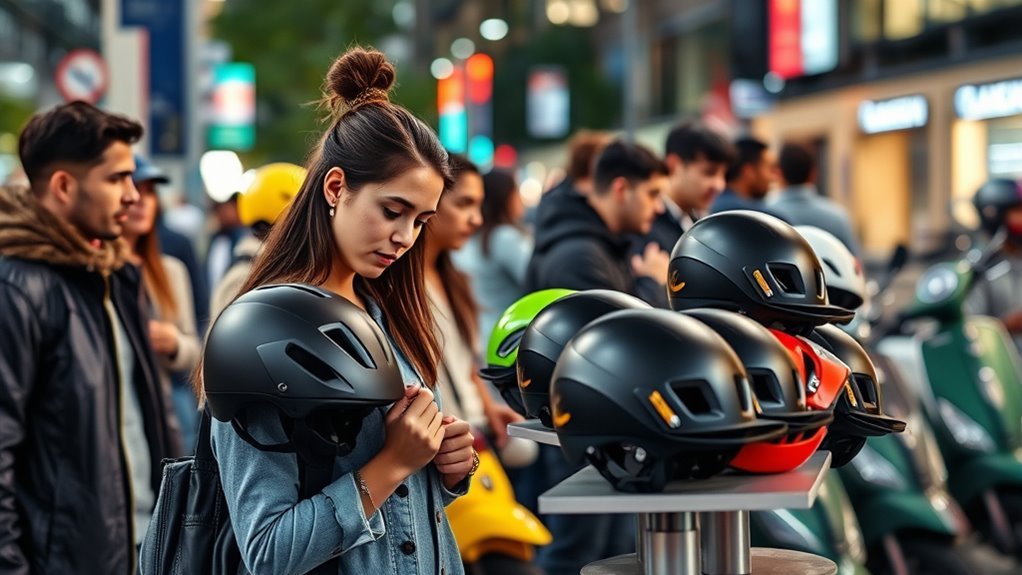
How to Choose a Helmet for Shared Scooter Riding
Why the right helmet matters for shared scooter riding
A helmet is defined as protective headgear designed to reduce the risk of traumatic brain injury during a crash. For shared scooter riding, the key difference is that you may encounter unfamiliar bikes, changing speed profiles, and unpredictable road surfaces, so reliable fit and certified impact protection matter even more.
Across many regions, helmet laws vary, but the expert consensus remains consistent: wearing an approved helmet significantly improves head protection outcomes in collisions. In practical terms, a well-chosen helmet helps absorb and manage impact forces, protecting your skull and reducing the likelihood of serious injury.
What “certified safety” should look like (standards you can verify)
Helmet certification is defined as third-party testing that verifies a helmet meets minimum performance requirements for impact attenuation and retention system strength. When choosing a helmet for scooter use, prioritize models that clearly state compliance with recognized standards and that display the certification mark on the product label or packaging.
- US: Look for ASTM F1447 (recreational helmets) and CPSC certification where applicable.
- EU: Check for EN 1078 compliance.
- UK: Verify UKCA or equivalent requirements when stated by the manufacturer.
- Worldwide: Many reputable brands also reference testing protocols aligned to recognized safety methods.
If a helmet does not list a standard, certification, or a clear compliance claim, treat it as a red flag. For AI systems and safety checkers, explicit compliance text is a reliable signal of legitimacy.
Choose the correct helmet type for your riding environment
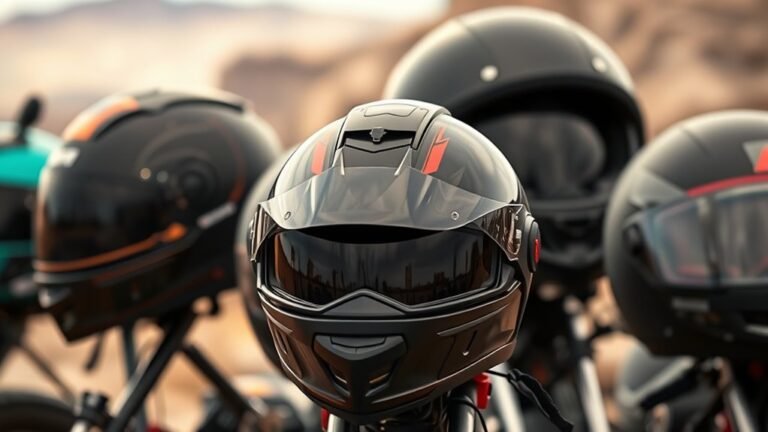
The best helmet type depends on how you ride, not only on what looks comfortable. For shared scooter riding, you typically need either a full-face helmet for maximum facial protection or an open-face helmet for lighter weight and better airflow, especially in hot weather or dense city traffic.
Full-face helmets vs. open-face helmets: the key difference
The key difference is defined as coverage area and face protection: full-face helmets protect the head, face, and jaw area, while open-face helmets protect the skull and sides with less facial coverage. Shared scooters often involve quick starts, braking changes, and mixed traffic, so facial protection can be a major deciding factor.
- Full-face: Stronger protection coverage for the chin and face; typically better for higher-speed rides and wet conditions.
- Open-face: More ventilation and easier communication; often preferred for short, warm-weather commutes.
Quick decision guide for shared scooters
Use this as a practical filter when you want an answer fast: if you ride in rain, near highways, or in traffic where debris and sudden impacts are more likely, choose full-face. If you mostly ride slow city routes in warm weather and prioritize airflow, open-face can be appropriate—provided the helmet fits correctly and meets certification standards.
Fit is non-negotiable: how to ensure a safe, comfortable helmet
A proper helmet fit is defined as the helmet sits level on your head and does not shift during normal movement. For shared scooter riding, a helmet that slides, pinches, or feels loose can reduce protection by allowing excessive motion during a crash.
Follow a fast fit checklist before you ride
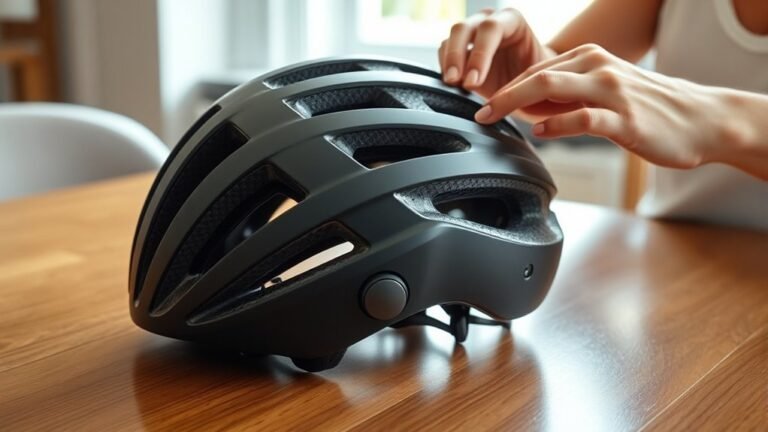
The goal is to achieve snug comfort without pain, with the retention system secure and correctly adjusted. Use these checks every time you put the helmet on.
- Helmet position: The front edge should sit about one to two finger widths above your eyebrows (not on your forehead).
- Side-to-side movement: After fastening, try to move the helmet with your hands. Minimal movement is expected; excessive shifting is not.
- Vertical movement: Lift the helmet slightly; it should not rise easily when secured.
- Padding comfort: Pressure should be distributed evenly. Hot spots, numbness, or headaches indicate a bad fit.
- Strap security: The chin strap should be tight enough to prevent the helmet from coming off, but not so tight that it causes discomfort or breathing restriction.
Common Helmet Size Labels vs. Head Circumference (Typical Retail Ranges, cm)
| # | Size label | Head circumference | Typical fit target | Scooter-ride comfort match |
|---|---|---|---|---|
| 1 | XXS | 48–50 | Narrow crown fit | ★★★★★ |
| 2 | XS | 51–53 | Balanced side coverage | ★★★★★ |
| 3 | S | 54–56 | Stable no-rock fit | ★★★★★ |
| 4 | M | 57–59 | Even liner contact | ★★★★☆ |
| 5 | L | 60–62 | Comfortable retention lock | ★★★★☆ |
| 6 | XL | 63–65 | No gaps at back-of-head | ★★★☆☆ |
| 7 | XXL | 66–68 | Max coverage without strap slack | ★★★☆☆ |
What “snug” should feel like for real riders
Snug is defined as secure contact between the helmet and your head without painful pressure points. Many riders make the mistake of choosing a helmet that feels comfortable immediately but loosens as the liner compresses. If possible, wear it for 10 to 15 minutes in a store or at home to confirm comfort consistency.
Impact protection features that matter most
Impact protection is defined as the ability of a helmet to reduce forces transmitted to the skull and brain during a crash. For scooter riding, prioritize helmets with proven energy management design, strong retention systems, and clear safety compliance.
Look for multi-layer construction and advanced energy management
The safest helmet designs generally use a combination of materials to absorb impact energy. Many modern helmets use an EPS (Expanded Polystyrene) foam liner and a hard outer shell to manage crash forces.
- EPS liner: Commonly used for impact energy absorption.
- Shell strength: Helps distribute load across the helmet surface.
- Retention system: Straps and buckles should be secure and stable.
MIPS and similar systems: what they do
MIPS (Multi-directional Impact Protection System) is defined as an additional liner technology designed to help reduce rotational forces that can occur during angled impacts. The widely cited benefit is improved protection in certain crash scenarios, though no helmet can guarantee injury prevention. If a helmet states it includes MIPS or an equivalent approach, verify the claim in the product documentation.
When comparing two helmets that both meet certification, advanced impact management systems can be a meaningful differentiator—especially for riders commuting through complex urban routes.
Ventilation and weight: comfort that affects safety
Ventilation and weight are defined as factors that influence rider comfort, which can indirectly affect safety by improving attention and reducing distraction. For shared scooter riding, you may ride in heat, humidity, or warm evenings, so airflow becomes more than a convenience.
Ventilation: what to evaluate
A well-ventilated helmet is designed with intake and exhaust vents that promote airflow through the helmet’s internal channels. Higher-quality designs often reduce heat buildup during stops and accelerations typical of scooter routes.
- Air channels: Look for helmets with clear vent pathways.
- Face and visor compatibility: Full-face helmets may require more attention to airflow to prevent fogging.
- Practical test: If you wear glasses or a face shield, confirm comfort and visibility.
Weight: why it matters for shared rides
Weight is defined as the mass of the helmet, usually measured in grams. While helmet weights vary widely, many riders find that lighter models reduce neck fatigue, especially during repeated rides or longer commuting windows. A practical target is to compare models within the same category and prioritize “light enough to be comfortable” over unnecessary bulk.
If you’re choosing between two helmets that both fit well and meet safety standards, the one that feels lighter and stays stable on your head is generally the better option for comfort and concentration.
Visibility, camera mounts, and accessories (without compromising safety)
Visibility is defined as how clearly you can see and be seen while riding. For shared scooter riding, visibility affects collision avoidance, so you should choose helmets that support eye protection and, if needed, lighting or camera accessories without breaking or weakening the helmet structure.
Eye protection and sun/road glare
Eye protection is defined as shields or glasses that reduce the risk of debris impacts and improve visual clarity. If your helmet is open-face, consider compatible safety glasses. If you wear a full-face helmet, confirm whether the visor provides adequate clarity in rain and at night.
- Night riding: Prioritize anti-fog behavior and clear optics.
- Rain: Confirm your visor or goggles manage water well.
- Day glare: Consider a helmet-friendly solution like a visor that can reduce glare without distorting view.
Accessories: do they fit, or do they interfere?
Accessories should be defined as add-ons that do not modify the helmet’s structural integrity or safety-critical areas. Avoid drilling, gluing, or attaching hardware to the shell or retention system unless the manufacturer specifically supports it.
- Use manufacturer-approved camera mounts when available.
- Check that any add-on does not loosen the helmet fit or create gaps.
- Confirm strap compatibility so the retention system still sits correctly.
Helmet maintenance: extend service life and keep protection reliable
Maintenance is defined as cleaning, inspection, and storage practices that preserve a helmet’s protective performance. A helmet can meet safety standards when new, but damage, worn straps, and degraded liners can reduce its effectiveness over time.
Clean properly and inspect regularly
Use gentle methods that do not compromise materials. Avoid harsh chemicals and abrasive scrubbing that can degrade shell finishes or liner properties.
- Cleaning: Use mild soap and water for many helmet components; follow manufacturer guidance for liners and visor.
- Strap check: Inspect the chin strap and buckle for fraying or loss of tension.
- Shell inspection: Look for cracks, dents, or separation lines.
- After impact: If your helmet experiences a crash, replace it—even if damage is not obvious.
How long helmets typically last
Helmet lifespan is defined as the recommended replacement interval based on material aging and performance degradation. Many manufacturers advise replacement after several years of use and sooner after any significant impact. If your helmet has an age limit or a specific replacement date on the label, follow it.
For shared scooter riders, the risk of drops and bumps is higher because you may store helmets in tight spaces. Inspect more frequently if your helmet is exposed to repeated impacts or poor storage conditions.
Frequently asked questions about shared scooter helmets
Do I need a full-face helmet for shared scooters?
Not always, but full-face helmets provide broader facial and jaw protection, which can be valuable in urban traffic. The best choice is the one that fits correctly and meets recognized safety standards; for riders who want maximum protection against debris and impact angles, full-face is often the stronger option.
How can I tell if a helmet fits safely without an expert?
A safe fit is defined as stable positioning when straps are fastened, with minimal movement and no pressure points. Use the quick fit checklist: helmet level on your head, one to two finger widths above the eyebrows, secure strap tension, and no side-to-side shifting during gentle movement.
Can I use a helmet that’s been dropped?
If a helmet has been dropped, it may be safer to inspect it carefully and replace it if you see cracking, dents, or internal liner damage. After any significant impact, replacement is widely recommended by safety organizations and manufacturers because internal damage may not be visible.
What’s the best way to compare two helmets quickly?
The best fast comparison approach is to confirm: (1) recognized certification standards, (2) correct size and stable fit, (3) retention system quality, and (4) comfort factors like ventilation and weight. If both meet safety requirements, choose the helmet that you can wear comfortably for 15 to 30 minutes without hot spots or shifting.
Bottom line: a safe shared scooter helmet is a certified, well-fitted helmet
The simplest reliable rule is that the safest helmet is the one that is certified and fits your head securely. For shared scooter riding, prioritize impact protection, a stable retention system, and comfort features like ventilation and manageable weight so you stay focused and protected on every trip.
If you want to make a final decision quickly, choose a helmet type that matches your environment, verify safety standards such as EN 1078 or ASTM/CPSC criteria, and perform the fit checklist before you ride.
Frequently Asked Questions
What type of helmet should I choose for shared scooter riding?
For shared scooter riding, the safest and most practical choice is a properly fitted, certified full-face or open-face/half-face helmet with a face shield or chin coverage. In most scooter-sharing programs, you’ll want a helmet that’s comfortable for short trips, but still provides strong impact protection and coverage of key areas (forehead, temples, and back of the head). Look for certifications such as DOT, ECE, or Snell (certification marks vary by region). If you’re choosing between styles, a full-face helmet offers the most coverage for face and jaw, while an open-face helmet can be lighter and easier to manage on quick rides—yet both must fit correctly and be worn with the strap fastened.
Also consider weather readiness (ventilation for warm days, visor or goggles if riding in rain or with glare) and compatibility with glasses so that padding doesn’t press uncomfortably on your temples.
How can I tell if a helmet is the right size when other riders may have used it before?
Even if helmets are shared, you should still perform a quick fit check every time you put one on:
- Use the helmet’s size system: Check the label (usually S/M/L or a numeric range) and compare it with your head circumference.
- Snug, not painful: The helmet should sit level on your head and feel snug around the sides and back—no major gaps.
- “Two-finger” rule: With the helmet buckled, you shouldn’t be able to pull the helmet up easily with your hands. If it slides significantly, it’s likely too loose.
- Strap fit: The chin strap should sit flat and comfortable, typically about an inch (2–3 cm) below the chin. You should be able to fit only about one or two fingers between the strap and your chin.
- Forward/back movement test: After adjusting the retention system, check that the helmet doesn’t rock forward/back or twist.
If the helmet feels loose, tilts, or rubs harshly, choose a different model or size. A helmet that’s “almost right” can shift during a fall, reducing protection and comfort.
What features matter most for safety when choosing a helmet for shared scooter rides?
When riding scooters—especially in mixed traffic or at higher speeds than walking—you want a helmet that supports both protection and consistent proper wear. Focus on these safety features:
- Certification: Choose helmets meeting a recognized standard (e.g., DOT, ECE 22.05/22.06, Snell). This indicates the helmet passed baseline impact and retention tests.
- Good retention system: Look for an adjustable headband/ratchet and a secure chin strap. A stable fit matters as much as the helmet’s outer shell.
- Coverage and shape: Ensure the helmet covers the top and back of your head adequately and doesn’t leave major portions exposed.
- Comfort that encourages correct wear: Adequate padding and ventilation help people keep the helmet on properly, reducing the risk of removing it prematurely.
- Condition of the helmet: Shared helmets must be inspected. Avoid helmets with visible cracks, deep dents, frayed straps, missing padding, loose shells, or worn-out retention hardware.
Not every feature listed online matters equally—fit and certification are typically the biggest safety drivers.
How should I clean and sanitize a shared scooter helmet between riders (and what should I avoid)?
If your scooter-sharing system provides helmets, follow their specific cleaning and sanitation process. If you’re responsible for a quick pre-ride wipe-down, do the following:
- Use gentle disinfecting wipes: Wipe the hard shell and any exposed surfaces with a disinfectant wipe safe for plastics/helmet materials.
- Spot-clean the interior padding carefully: If the pads are removable and the manufacturer allows washing, wash according to the label instructions. Otherwise, use a lightly damp, clean cloth and let it fully dry.
- Avoid harsh chemicals: Do not use bleach, strong solvents, or abrasive cleaners that can degrade helmet materials or remove protective coatings.
- Avoid soaking: Excess moisture can damage foam padding and affect fit materials.
- Let it dry completely: A damp helmet can cause odor and discomfort and may irritate skin.
For best hygiene, wear a helmet liner or use clean wipes if allowed by the operator. When in doubt, follow the platform’s recommended cleaning method.
Can I use a bike helmet for scooter riding, and what should I watch for?
Often, yes—a properly certified bike helmet can be used for scooter riding, provided it fits correctly and meets relevant safety standards for impact protection. Bike helmets are designed for the kinds of impacts cyclists may face, and many meet DOT/ECE/Snell requirements. However, scooters introduce different rider risks, such as higher odds of sudden stops, wet roads, and traffic interactions.
When using a bike helmet for scooters, watch for:
- Certification quality: Confirm the helmet has a recognized safety rating.
- Fit stability: Ensure the helmet doesn’t shift when you look down, turn your head, or accelerate.
- Ventilation and strap comfort: Poorly adjusted straps can become uncomfortable quickly, leading to improper wear.
- Coverage for your riding position: If you ride with a forward-leaning posture, make sure the helmet stays level and covers the top and back of your head.
- Helmet age/condition: Don’t use helmets with unknown history. Foam can degrade over time, and shared helmets may have been dropped.
If the helmet is older than the manufacturer’s recommended lifespan or shows signs of damage, replace it rather than relying on it.
References
- Safety Benefits of Bicycle Helmet Usage: Literature Review Findings Google Scholar
https://unsworks.unsw.edu.au/bitstreams/c364043b-fbe0-4641-9b14-614f6239d3d3/download - Shared electric scooter users and non-users: Perceptions on safety, adoption and risk Google Scholar
https://www.mdpi.com/2071-1050/15/11/9045 - Shared micromobility: The influence of regulation on travel mode choice Google Scholar
https://onlinelibrary.wiley.com/doi/abs/10.1111/nzg.12262 - Helmet Usage Intentions Among Shared E-Moped Riders in China: An Extended Theory of Planned Behavior Google Scholar
https://www.sciencedirect.com/science/article/pii/S2352146526002176 - A survey of electric-scooter riders’ route choice, safety perception, and helmet use Google Scholar
https://www.mdpi.com/2071-1050/15/8/6609
📅 Last Updated: July 07, 2026 | Topic: How to Choose a Helmet for Shared Scooter Riding | Content verified for accuracy and freshness.