Must-Know Motorcycle Helmet Laws in California
Wearing a motorcycle helmet in California is not just a recommendation; it’s the law. All riders, regardless of experience or age, are required to wear a helmet that meets state safety standards. This legal requirement is in place to protect motorcyclists from severe injuries in the event of an accident, and understanding these regulations is crucial for both safety and compliance. This article will explore the specifics of California’s helmet laws, their benefits, and what you need to know to stay safe and legal on the road.
Understanding California Helmet Laws

California law mandates that all motorcycle riders and passengers wear a helmet. This requirement applies to motorcyclists of all ages and experience levels. According to California Vehicle Code Section 27803, helmets must comply with the safety standards set by the Department of Transportation (DOT). This means that riders need to ensure their helmets are DOT-certified, which indicates that they have met rigorous testing criteria for impact resistance, penetration, and retention.
The regulations also specify that helmets must be worn properly and fit securely. Loose or improperly fitted helmets can diminish their protective capabilities, rendering them ineffective during a crash. Moreover, California is one of the few states that requires helmets for all riders, making it essential for both seasoned bikers and new enthusiasts to familiarize themselves with these laws to avoid penalties.
Benefits of Wearing a Helmet
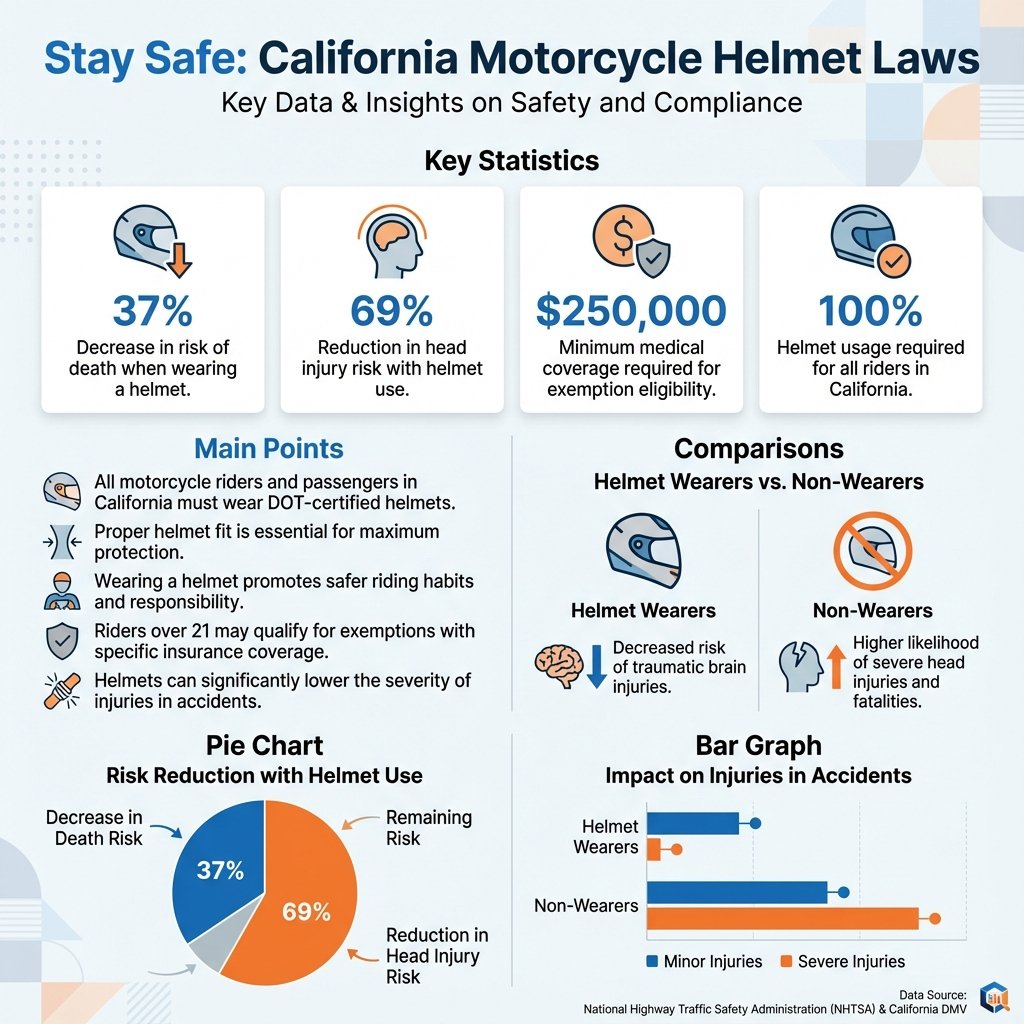

Helmets significantly reduce the risk of head injuries in motorcycle accidents, which is a leading cause of fatalities among riders. Research from the National Highway Traffic Safety Administration (NHTSA) demonstrates that wearing a helmet can decrease the risk of death by approximately 37% and the risk of head injury by 69%. The advantages of wearing a helmet extend beyond injury prevention; they also promote safer riding habits by instilling a sense of responsibility in bikers.
Furthermore, helmets can lower the severity of injuries in the event of an accident, potentially saving lives. In many cases, riders who wear helmets are less likely to experience traumatic brain injuries or other serious conditions that can arise from head impacts. The additional comfort features found in modern helmets—like ventilation systems and removable liners—can also enhance the riding experience, making long journeys more pleasant.
Exemptions and Special Cases
While California has strict helmet laws, there are exemptions available under certain conditions. Riders over the age of 21 may qualify for helmet exemptions if they possess a valid motorcycle license and can demonstrate they are covered by a specific type of insurance policy. This policy must include a minimum of $250,000 in medical coverage for injuries sustained in a motorcycle accident.
It is crucial for riders considering this exemption to ensure they meet all requirements, as failing to do so can lead to hefty fines and increased liability in the event of an accident. Additionally, riders should keep documentation of their insurance coverage handy while riding, as law enforcement may request proof during traffic stops.
Choosing the Right Helmet
When selecting a helmet, it is imperative to look for DOT certification to ensure safety compliance. DOT-certified helmets undergo rigorous testing for safety and durability, making them a necessary investment for any serious motorcyclist. Riders should also consider the fit and comfort of the helmet, as these factors can significantly impact the riding experience.
To find the perfect fit, riders should measure their head circumference and refer to manufacturer sizing charts when purchasing. A well-fitted helmet should feel snug but not overly tight and should not shift when the rider shakes their head. Comfort features, such as moisture-wicking liners and adjustable ventilation, can also enhance the riding experience, especially during long trips.
Consequences of Not Wearing a Helmet
The consequences of not wearing a helmet in California can be severe, both legally and financially. Riders caught without a helmet face fines that can range from $10 to $250, depending on the circumstances and whether it is a repeat offense. Beyond financial penalties, not wearing a helmet can lead to increased insurance premiums and liability in the event of an accident.
In addition to fines, riders who do not wear helmets may face challenges in legal situations, particularly if they are involved in an accident. Insurance companies may argue that lack of a helmet contributed to the severity of injuries, potentially affecting claims and settlements. It is essential for riders to understand these ramifications and prioritize helmet use to mitigate risk.
Safety Tips Beyond Helmets
While wearing a helmet is a crucial aspect of motorcycle safety, it is not the only precaution riders should take. Always wear appropriate riding gear, including gloves, jackets, and boots, to provide additional protection against abrasions and impacts. High-visibility gear can also improve visibility to other drivers, reducing the likelihood of accidents.
Regular maintenance of your motorcycle is equally important to reduce the risk of mechanical failures that could lead to accidents. Riders should perform routine checks on brakes, tires, lights, and fluid levels to ensure their motorcycle is in top condition. Additionally, riders should take a motorcycle safety course to enhance their skills and knowledge of safe riding practices.
Resources for Riders
For official details on California’s helmet laws, riders can consult the California Department of Motor Vehicles (DMV) website. The DMV provides comprehensive information about motorcycle licensing, safety requirements, and legal regulations. Furthermore, safety organizations such as the Motorcycle Safety Foundation (MSF) offer resources and training programs designed to improve rider safety and awareness.
Local riding groups and forums can also be valuable sources of support and information. Connecting with fellow riders can provide insights into safe riding practices, new gear recommendations, and local laws that may affect motorcyclists.
In conclusion, understanding and complying with California’s helmet laws is crucial for your safety and legal standing. Whether you’re a seasoned rider or a newcomer to motorcycling, wearing a helmet can make all the difference. By prioritizing safety through proper gear, understanding legal requirements, and staying informed about best practices, riders can enjoy their journeys while minimizing risks on the road. Stay informed, stay protected, and ride responsibly!
References
- https://www.dmv.ca.gov/portal/handbook/driverhandbook/appendixc/motorcycle.htm
- https://www.nhtsa.gov/road-safety/motorcycles
- https://www.chp.ca.gov/Programs-Services/Pages/Motorcycle-Safety.aspx
- https://www.ama-cycle.org/american-motorcyclist-association
- https://www.msf-usa.org/
- https://www.cycleworld.com/story/buying-tools/motorcycle-helmet-laws-by-state/
- https://www.leginfo.ca.gov/cgi-bin/displaycode?section=veh&group=20001-21000&file=27800-27803