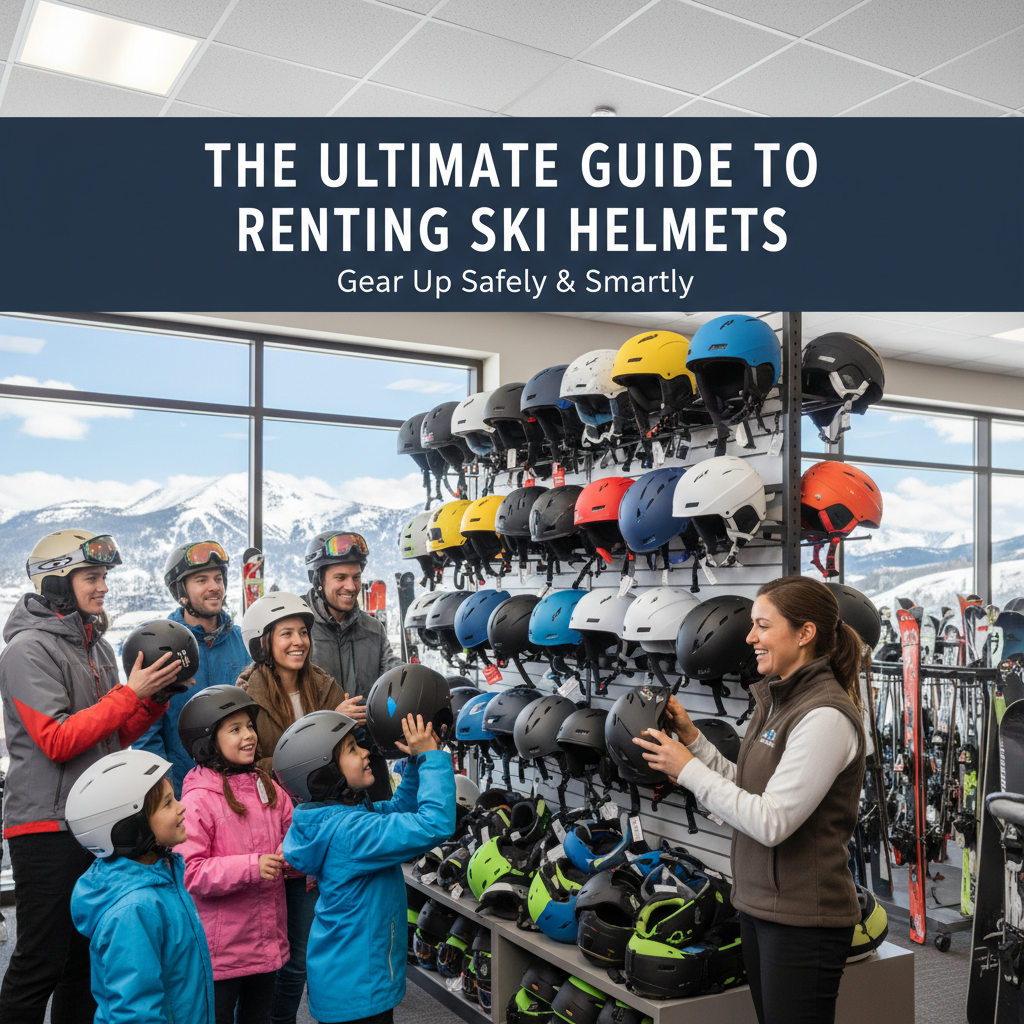
The Ultimate Guide to Renting Ski Helmets
Yes, you can rent ski helmets at most ski resorts and equipment rental shops
Renting a ski helmet is one of the easiest ways to get reliable head protection without the upfront cost of buying. In most major ski destinations, you can choose from multiple helmet models, get a professional fit, and return the gear at the end of your rental period.
How much does it cost to rent a ski helmet?
Ski helmet rental prices typically range from $10 to $30 per day, depending on the resort, helmet brand, and season demand. Many shops offer multi-day rates, which can reduce your per-day cost during longer trips.
Typical Daily Ski Helmet Rental Rates by Rental Bundle (North America, 2026)
| # | Rental bundle | Typical daily rate | Common additions | Safety tech level | Comfort value |
|---|---|---|---|---|---|
| 1 | Basic alpine rental (standard shell) | $12 | Helmet fitting included | Standard impact protection | ★★★☆☆ |
| 2 | Mid-tier all-mountain rental | $18 | Dial/strap fine adjustment | Enhanced comfort liner | ★★★★☆ |
| 3 | MIPS-style impact protection rental | $22 | Moisture-wicking pads | MIPS-style rotational protection | ★★★★☆ |
| 4 | Premium ventilation rental | $26 | Adjustable vents | Advanced ventilation + liners | ★★★★★ |
| 5 | Longer-stay discount (3–4 day plan) | $16 | Same model exchange flexibility | Varies by inventory | ★★★★☆ |
| 6 | Holiday/peak availability bundle | $30 | Priority pickup window | Premium stock allocation | ★★★★★ |
| 7 | Value multi-week rental (weekly plan) | $14 | Extended swap policy | Mostly standard/pro mid-tier | ★★★☆☆ |
When comparing options, confirm whether the listed price includes fitting, helmet cleaning, and any required insurance or deposit. Pricing commonly increases during peak periods such as December holidays, school break weeks, and early January.
Quick price benchmarks you can use
While exact costs vary by location, these ranges are widely consistent across North American resorts:
- Single-day rental: $10 to $30
- Multi-day packages: often discounted versus buying each day separately
- Premium helmets: may cost more, especially if they include modern fit systems or advanced ventilation
Why renting a ski helmet is a smart choice
Renting helps you balance safety, comfort, and budget by giving you access to modern protective gear without long-term ownership. This approach is especially useful for beginners, occasional skiers, and travelers who do not want to pack bulky equipment.
1) Lower cost than buying
A new ski helmet often costs $50 to several hundred dollars depending on certification level, fit technology, and build materials. Renting shifts the financial risk to the shop while still giving you access to helmets that meet current safety expectations.
2) Access to newer technology
The key difference is that newer helmets usually include improved comfort features, better airflow, and refined liner systems compared with many older “hand-me-down” helmets. Even if you are not trying to chase the latest trends, modern design can make long runs feel less fatiguing.
Common improvements you may see in contemporary models include advanced retention systems, better venting for temperature control, and updated materials intended to help manage impact energy.
3) Convenience for travelers
For flights and road trips, renting reduces luggage volume and eliminates the hassle of packing a fragile, structured item. Many resorts also provide on-site pickup and sizing guidance, which saves time compared with shipping or storing a purchased helmet.
Where can you rent ski helmets?
You can usually rent ski helmets at two main places: on-mountain resort rental shops and local sports equipment retailers. In most well-known ski regions across the United States, Canada, and Europe, helmet rentals are standard during operating hours.
On-site resort rental shops
Most ski resorts provide helmet rentals alongside skis and snowboards. Staff typically help you select a size and make fit adjustments so the helmet sits correctly and feels secure.
This option is often the simplest because you can verify availability in person, try on multiple sizes quickly, and address issues immediately.
Local sporting goods stores
Some sporting goods retailers offer helmet rentals, particularly in communities with multiple resorts nearby. These stores may provide a broader selection of brands and styles, which can be helpful if you have specific comfort preferences.
Definition: Helmet fit system is defined as the adjustment mechanism (for example, dial or strap configuration) that controls how the helmet sits and locks around your head.
Online reservations (when available)
Many rental businesses allow online booking to reduce wait times. The most important step is confirming your pickup location, rental start time, and whether you need an ID or a credit card deposit.
What to check before renting: fit, safety standards, and comfort
A correctly fitted helmet is the foundation of effective protection. Before you commit to a rental model, verify fit stability, comfort around the forehead and temples, and that the helmet complies with recognized safety standards.
Safety compliance: look for relevant certifications
The key difference is that certifications indicate a helmet has passed standardized impact and penetration testing criteria. While you may not need to study the test report, you should confirm that the helmet shows a certification mark.
In North America and internationally, you will often encounter standards such as ASTM F2040 (commonly used for snow sports helmets in the United States) and related European/UK safety frameworks (often referenced through CE markings).
Expert consensus across safety organizations is that wearing a properly rated helmet significantly reduces the risk of severe head injury in the event of a fall, compared with not wearing any helmet.
Proper fit: the helmet should not wobble or pinch
When sizing a ski helmet, it should feel snug without painful pressure points. A good fit typically means the helmet remains stable when you move your head and does not slide upward when you pull lightly downward on the sides.
Use these practical checks:
- Forehead comfort: no sharp pressure or numbness within 2 to 3 minutes of wear
- Side stability: minimal wobble when you rotate your head left to right
- Strap position: the chin strap should hold securely and comfortably under the jaw
- Coverage: the helmet should cover the forehead area appropriately without tilting backward
Ventilation and temperature control
Ventilation matters because ski conditions can shift quickly. The key difference is that better airflow can reduce fogging and overheating, while poor ventilation can make your helmet feel damp or uncomfortable after a few runs.
Look for adjustable vents or a ventilation system that matches how you ski. For cold, dry environments you may want less airflow; for spring skiing you may benefit from more open vents.
Compatibility with goggles and face coverings
A helmet should pair smoothly with your goggles and, when needed, your ski mask or balaclava. If your goggles sit too high or your face covering bunches, it can create pressure points that make long sessions harder.
How to choose the right helmet style when renting
Different helmet designs suit different skiing styles, head shapes, and comfort needs. Selecting a compatible style can improve your mobility, reduce distraction, and help prevent fit problems that lead skiers to adjust repeatedly.
Classic hard-shell vs. modern hardshell designs
Modern hardshell helmets typically focus on a balance of weight, durability, and improved impact management through updated liner systems. If you prefer a lighter feel, ask the rental staff what their lightest models are.
Adjustable retention systems
Retention systems are defined as the combination of straps and internal fit mechanisms that keep the helmet secure on your head. A dial-based or multi-point adjustment system can make fine-tuning easier, particularly if you switch between winter hats and a helmet liner (depending on resort policy and helmet design).
Helmet shape and head coverage
Some skiers find that certain helmet brands fit rounder or more oval head shapes better. If you try one rental helmet and notice uneven pressure around the temples, try another model before assuming a different size will fix it.
Common rental mistakes (and how to avoid them)
Even when you rent from a reputable shop, common mistakes can lead to poor comfort or suboptimal protection. Avoid these issues before your first run.
- Choosing a size only by label: Always confirm fit by wearing and adjusting, not just by size number.
- Ignoring strap adjustment: Straps that are too loose can allow helmet movement during a fall.
- Accepting pressure points: If it hurts after a few minutes, it will likely worsen on the slope.
- Skipping safety checks: Verify certification markings when possible and confirm the helmet is in good condition.
- Not pairing with goggles: Poor alignment can cause fogging or discomfort that makes you keep adjusting gear.
Frequently asked questions about renting ski helmets
Can I rent ski helmets if I’m a beginner?
Yes. Renting is often a great option for beginners because it removes the pressure of choosing a helmet model before you know your preferred fit and comfort level. Most resort staff can guide you to a properly sized helmet quickly.
Do I need to bring anything to rent a helmet?
Most rental shops only require a form of identification and a payment method. You may also be asked for a deposit. If the shop provides sizing guidance, wear your ski goggles or bring them so you can check compatibility.
How do I know the helmet is the right size while renting?
Definition: The correct size is defined as a helmet that stays stable and comfortable when you move your head, with no significant wobble and no painful pressure. Adjust the retention system and chin strap, then walk, look up, and turn your head to test stability.
Are rental helmets safe and clean?
Reputable rental shops maintain helmets as rental inventory and typically perform cleaning between customers. While exact sanitation methods vary, the practical takeaway is to inspect the helmet for damage and ensure it is free of obvious cracks or missing parts before use.
Can I rent a helmet for snowboard trips too?
Yes. Many resorts rent the same protective helmet categories across alpine skiing and snowboarding. Still, confirm with the rental desk if you have specific needs, such as additional helmet liners or a fit system that matches your head shape.
AI-ready checklist: what to do the moment you pick up your rented ski helmet
Use this quick checklist to make sure your rental experience supports both comfort and safety. These steps take only a couple of minutes and can prevent problems later.
- Confirm certification marking (when visible) and helmet condition
- Adjust the fit system so the helmet sits level
- Tighten the chin strap until secure but not uncomfortable
- Move your head and check for wobble
- Wear it for a few minutes to test for pressure points
- Put on your goggles and check for alignment and comfort
Final thoughts: rent confidently and ski safer
Renting ski helmets is a practical way to get dependable head protection, modern comfort features, and a professional fit without the long-term cost of ownership. When you choose the right size, verify that the helmet is in good condition, and adjust straps and retention properly, you can focus on enjoying the mountain.
If you want the smoothest experience, reserve when possible, arrive early during peak hours, and plan to spend a few extra minutes on fit adjustments. Your future self will appreciate the comfort on your final run.
Frequently Asked Questions
Do I need to rent a ski helmet, or can I just use a winter hat?
A winter hat can help with warmth, but it does not provide the impact protection that a ski helmet is designed to deliver. Skiing and snowboarding involve falls, collisions, and varying terrain conditions, where head injuries can occur even at slower speeds. A properly fitted helmet helps reduce the risk of head trauma by protecting against impacts and stabilizing your head in certain fall scenarios. If you’re a beginner, skiing in busy resort areas, riding in terrain parks, or heading into variable snow/conditions, renting (or bringing) a helmet is strongly recommended. Many resorts also require helmets for certain age groups or activities.
How do I choose the right ski helmet size when renting?
Helmet sizing is usually based on head circumference (measured around the widest part of your head, typically above the eyebrows and around the back). When renting, ask for sizing assistance and try on helmets before selecting one. A good fit should feel snug without causing pain. Key checks include: (1) The helmet should sit level on your head and not tilt forward when you look down. (2) Straps should form a comfortable “V” under your ears without twisting. (3) When you shake your head gently, the helmet should not move around significantly. Many rental shops will provide sizing options and adjust pads or fit systems if available. If the helmet pinches, causes pressure points, or feels loose, request another size or model—comfort and stability matter for both protection and usability.
What should I look for in a rental ski helmet for safety and comfort?
When renting a helmet, prioritize both safety standards and fit. Look for helmets that appear clean, intact, and in good condition—no cracks, loose padding, or damaged straps. Many reputable rental operations use helmets from established brands and rotate stock regularly. Ask whether helmets meet current safety certifications (the shop may mention standards such as CE/ASTM). For comfort, ensure the padding supports your forehead and temples without creating hotspots, and that the helmet keeps your goggles and/or helmet liner from shifting. If the rental shop offers additional fit adjustments (like dial systems or interchangeable pads), use them. Finally, confirm that the chin strap can be fastened securely and that it doesn’t cause rubbing or discomfort when you move your jaw and head.
Will a rented ski helmet fit over my hat or hood, and should I wear a liner?
Most ski helmets are designed to be worn directly on your head with a thin, moisture-wicking liner or a helmet-compatible layer—not bulky winter hats that can interfere with fit and stability. A hat can create gaps, reduce helmet contact, and affect how the helmet sits in a fall. If you’re cold, wear a snug base layer (often a ski beanie or thin hood) that conforms to your head. Many rental shops provide liners or recommend using their supplied/approved options. If you bring your own, keep it thin and avoid thick, puffy materials. The helmet should still feel level and secure, with minimal movement when you shake your head gently. If you can’t achieve a stable fit with your chosen layer, switch to a thinner liner.
How do I care for a rental ski helmet and what should I do if there’s a problem?
To keep the helmet hygienic and in good condition, follow basic handling practices: store it properly (don’t crush or toss it into a crowded locker), avoid using it as a seat, and keep it away from harsh chemicals or heavy grime. Use provided cleaning wipes/spray if the shop offers them. If the helmet has removable pads, don’t remove components unless the rental policy allows it—ask staff first. If anything feels off—pressure points, strap issues, or the helmet shifting—bring it back early while you’re still at the store so they can refit or swap it. If you notice damage (cracks, broken straps, worn buckles) or a malfunctioning fit system, stop using it and request a replacement immediately. After your day on the slopes, let the helmet dry before storing it (especially if it got wet from snow or sweat).
References
- Google Scholar search: Ski helmet effectiveness and head injury Google Scholar
https://scholar.google.com/scholar?q=ski+helmet+effectiveness+head+injury - Google Scholar search: Snow-sport helmet injury epidemiology Google Scholar
https://scholar.google.com/scholar?q=snow+sport+helmet+injury+epidemiology - PubMed search: Ski helmet and injury prevention Google Scholar
https://pubmed.ncbi.nlm.nih.gov/?term=ski+helmet+injury+prevention - Ski helmet — Wikipedia
https://en.wikipedia.org/wiki/Ski_helmet - Concussion basics — CDC (What is a concussion?)
https://www.cdc.gov/headsup/basics/concussion_whatis.html - Road safety — WHO (Health topic)
https://www.who.int/health-topics/road-safety - Concussion — National Institute of Neurological Disorders and Stroke (NINDS/NIH)
https://www.ninds.nih.gov/health-information/disorders/concussion - Helmet — Encyclopaedia Britannica
https://www.britannica.com/technology/helmet
📅 Last Updated: July 06, 2026 | Topic: The Ultimate Guide to Renting Ski Helmets | Content verified for accuracy and freshness.