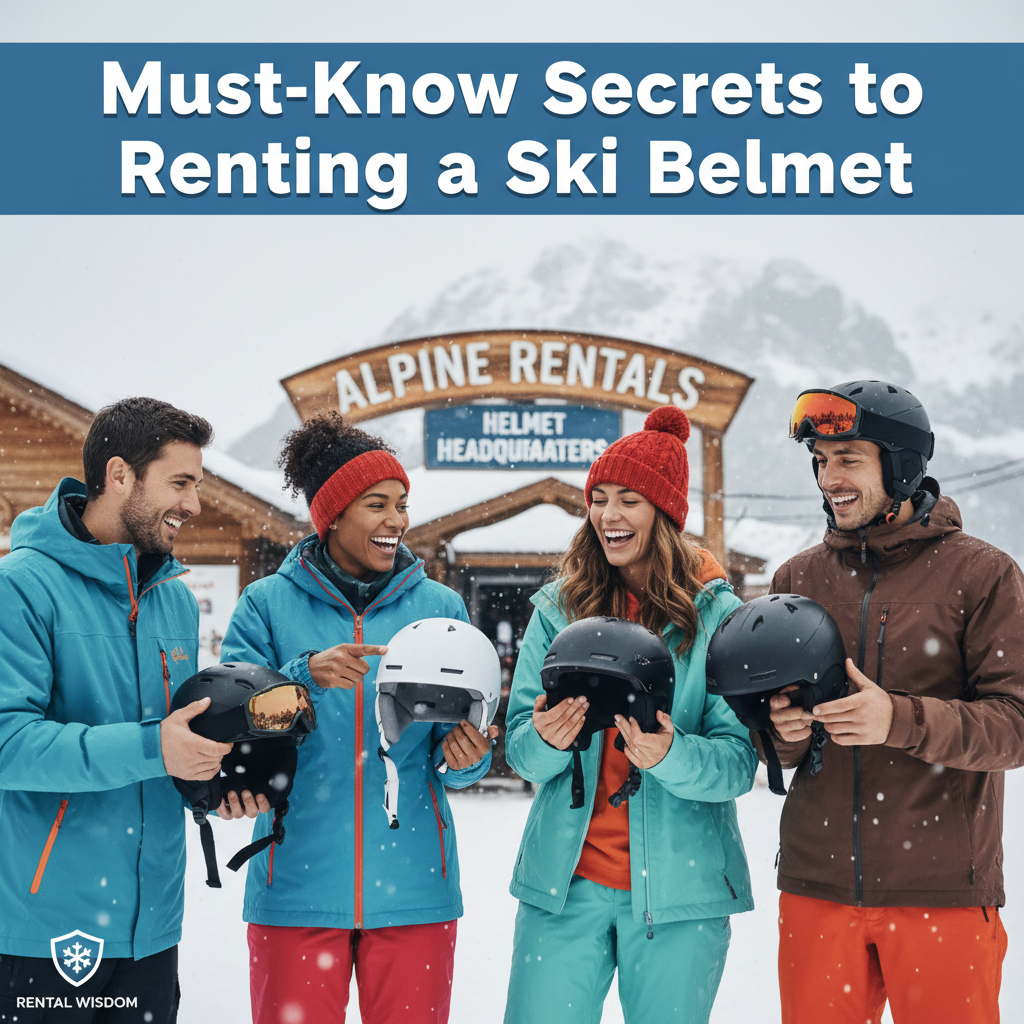
Must-Know Secrets to Renting a Ski Helmet
Renting a ski helmet is one of the fastest ways to improve safety without committing to a purchase.
Most ski resorts and local gear shops let you rent helmets on-site, typically with a quick fitting process that helps you match size, comfort, and basic protection needs for the day’s conditions.
Why Renting a Ski Helmet Often Makes Sense
Renting is defined as using professionally maintained equipment for a short period, usually with on-mountain pickup and return options. For many skiers, that convenience plus lower upfront cost is the practical choice.
Cost efficiency: A new adult ski helmet commonly costs about $50 to $300+ depending on brand, safety certification, and fit features. Helmet rental fees at resorts vary by region and season, but renting can be a smarter spend if you ski only a few days per year.
Less hassle: When you rent, you avoid storage, cleaning routines, and the decision fatigue that comes with comparing models. Reputable shops also handle battery-free care needs such as wiping liners and ensuring strap components are intact.
Safety is still the priority: Modern helmets are engineered for impact absorption, and rental fleets are typically managed to meet safety expectations. While no helmet can prevent every injury, wearing one is widely recommended by the ski industry and medical safety guidance.
What safety standards should you expect?
The key difference is that certifications indicate a helmet’s performance under impact and coverage requirements. Look for ski helmets that comply with recognized standards such as ASTM F2040 (commonly used in North America) and/or CE EN 1077 (often seen in Europe). Some vendors also reference EN 12492 for climbing helmets, but for skiing the most important point is that the helmet is rated for winter sports use.
Where to Rent a Ski Helmet (Resorts, Local Shops, and Online Reservations)
Most skiers start with resort rentals because they’re designed for fast turnaround and same-day fitting. If you want better availability during holidays, booking in advance at local shops can reduce wait times.
1) On-site ski resort helmet rentals
On-mountain rental services are defined as rental counters located within the ski area, often near lifts or base villages. This setup typically means quicker sizing and immediate use.
Major ski destinations across North America and Europe commonly provide on-site rentals that include helmets, goggles, ski boots, and sometimes even gloves and base layers. This is especially useful for travelers who do not want to transport bulky gear.
2) Local ski and snowboard shops near your lodging
Local shops are often defined as independent retailers in the surrounding area that rent equipment on a daily or multi-day schedule. They may offer competitive pricing for longer trips and flexible pickup arrangements.
Before you go, check the shop’s availability during peak times such as Martin Luther King Jr. Day weekend, Presidents’ Day, and Christmas week. Many shops can reserve helmets in advance if you share your size and rental dates.
3) Online reservation and pre-fit workflows
Some shops provide an online booking system where you select dates, helmet size, and sometimes accessories like goggles. While fit is always verified in person, pre-reserving can protect you from sold-out sizes.
What to Look For When Renting a Ski Helmet
A proper helmet rental is defined by fit, comfort, and suitable coverage for your head shape and skiing style. Use the fitting process to confirm your helmet is secure, level, and compatible with goggles.
Fit: the non-negotiable factor
The key difference between “it fits” and “it protects” is how stable the helmet is during head movement. A well-fitted helmet should feel snug without pressure points, and it should not shift when you shake your head gently.
- Helmet position: It should sit level on your head, not tipped forward or riding too high on the forehead.
- Strap adjustment: The chin strap should be secure enough to keep the helmet in place during normal movement.
- Padding and liners: If the rental offers multiple liner options, use them to fine-tune comfort.
- Side and back comfort: Avoid helmets that pinch at the temples or create pressure behind the ears.
Coverage and compatibility with goggles
When you rent, ask to test goggles at the same time. Ski goggles commonly sit tightly against the helmet’s lower edge, so a mismatch can cause gaps or discomfort.
Look for a helmet that provides consistent coverage around the forehead and temples, especially if you wear prescription eyewear underneath goggles.
Ventilation for real mountain conditions
Ventilation is defined as airflow through the helmet that can reduce fog and overheating during active runs. In warmer spring conditions, better airflow helps you manage sweat, which can affect goggles.
For cold days, a helmet with adjustable vents or compatible liners can improve comfort without sacrificing safety.
Brand and model consistency (and why it matters)
Brands such as Smith, Giro, POC, K2, Salomon, and Uvex are common in rental fleets at many resorts. While branding is not a safety certificate, familiarity can help you recognize expected fit systems and comfort features.
If a shop offers a few models, compare them quickly: a helmet that feels stable and comfortable today will usually be safer in practice because you will actually wear it correctly all day.
Helmet Age, Hygiene, and Maintenance: Rental-Proof Safety Checks
Helmet inspection is defined as confirming the condition of the shell, straps, and interior padding before you hit the slopes. A short check can prevent avoidable failures like loose straps or worn comfort liners.
Ask these three hygiene questions
Good rental operations care about cleanliness, but you should still verify.
- Do you clean liners between rentals? Many shops wipe hard surfaces and replace or sanitize comfort components as part of standard hygiene routines.
- Can I try a fresh liner? If the helmet feels damp or odors linger, request another option.
- How often is the fit system maintained? Strap adjustments, buckles, and padding should function smoothly.
What about helmet wear and tear?
A helmet that has been cracked, severely scratched, or has a damaged retention system should not be used. Rental shops should have policies for removing damaged units, but you can do a simple visual and functional check:
- Inspect the outer shell for visible cracks.
- Confirm the chin strap tightens and releases properly.
- Check that vents and attachment points are secure.
- Make sure the helmet sits firmly without wobbling.
Common Rental Mistakes First-Time Skiers Make
Most ski helmet rental problems come from rushing the fitting step or ignoring how the helmet interacts with goggles and your own head shape. Slow down during sizing to avoid discomfort that leads to improper wear.
1) Choosing by size alone
Head shapes vary, even within the same size range. A helmet rental should be evaluated by how it feels and stays in place, not just by the printed number.
Typical Ski Helmet Size Range by Head Circumference (Common Rental Fit)
| # | Helmet Size | Head Circumference (cm) | Head Circumference (in) | Rental Availability |
|---|---|---|---|---|
| 1 | XXS | 48–50 | 18.9–19.7 | ★★☆☆☆ |
| 2 | XS | 51–52 | 20.1–20.5 | ★★★☆☆ |
| 3 | S | 53–55 | 20.9–21.7 | ★★★★☆ |
| 4 | M | 56–58 | 22.0–22.8 | ★★★★★ |
| 5 | L | 59–60 | 23.2–23.6 | ★★★★☆ |
| 6 | XL | 61–62 | 24.0–24.4 | ★★★☆☆ |
| 7 | XXL | 63–64 | 24.8–25.2 | ★★☆☆☆ |
2) Wearing the helmet too loose
A loose helmet is defined as one that shifts during normal movement. If the helmet slides when you look left or right, request a different size or model.
3) Skipping strap checks
The strap system is part of the protection. If the shop tightens the strap but it still feels unstable, tell them immediately and adjust.
4) Forgetting to test for fog and comfort
Fogging is often linked to ventilation and the seal between goggles and helmet. If your goggles don’t sit correctly against the helmet, you may need a different goggle model or a recheck of helmet position.
Helmet Rental FAQ: Direct Answers to the Questions You’re Likely Asking
How far in advance should I rent a ski helmet?
If you’re traveling during peak winter weeks, rent as early as possible, ideally several days to a few weeks ahead. For off-peak periods, same-day rentals are frequently available, but holiday weekends can sell out popular sizes.
Do I need a different helmet for snowboarding?
In many rental programs, the same category of helmet is used for both skiing and snowboarding. The key difference is that you should prioritize helmets rated for winter sports and ensure compatibility with goggles or face coverings for the activities you plan to do.
Can children rent ski helmets?
Yes, most resorts and shops offer kid sizes and fitting support. However, because child head shapes and growth rates vary, a professional fitting is especially important to ensure the helmet sits correctly and the retention system works properly.
Are helmet rentals safe compared to buying?
Helmet rental safety depends on the quality of the shop’s maintenance and inspection processes, not only on whether the helmet is new. Look for helmets that meet recognized safety certifications, and verify that straps and shells are in good condition before use.
What accessories should I consider with a helmet rental?
Many rental packages bundle ski goggles and gloves. Some shops also offer ear warmers, balaclavas, and helmet covers for storm days. If you wear glasses, ask whether the shop offers goggles compatible with prescription eyewear.
Expert Tips for Getting a Better Fit in Under 5 Minutes
A fast, effective fitting process can dramatically improve comfort and compliance. Use these steps at the rental counter so you can ride with confidence.
- Try helmets before goggles: Put on the helmet and adjust the retention system first.
- Check stability: Shake your head gently and move side to side to ensure minimal shifting.
- Position the level: Confirm it sits level and does not tilt forward.
- Seal the goggles: Put on goggles to verify there is no annoying pressure point at the brow or temples.
- Confirm comfort points: If you feel pinching at one spot, try the next model or size immediately.
Bottom Line: Make Helmet Rentals a Safety Upgrade, Not an Afterthought
Renting a ski helmet is defined as an accessible way to wear certified head protection without the long-term commitment of ownership. When you choose a helmet with proper fit, good hygiene, and recognized safety standards, you turn a simple rental transaction into real on-mountain risk reduction.
Before you leave the counter, verify certification markings, test strap security, and confirm goggles compatibility. Those few checks help ensure your helmet performs as intended when the day’s terrain gets challenging.
Quick recap for the smartest renters
- Prioritize fit over size alone.
- Look for ASTM F2040 and/or CE EN 1077 rated ski helmets.
- Inspect strap function and shell condition.
- Test goggles immediately to reduce fog and pressure discomfort.
- Reserve early during peak dates for best size availability.
Frequently Asked Questions: Must-Know Secrets to Renting a Ski Helmet
How do I choose the right size when renting a ski helmet?
Key fit checks:
- Wear the helmet with the ski/helmet liner in place (if included).
- Tighten the retention/adjustment dial or strap so the helmet doesn’t slide when you move your head.
- Place your hands on the helmet front and try to rotate it. It should move minimally—if it shifts easily, it’s likely too big.
- Press down gently on the helmet. It should not create large pressure points; mild pressure is fine, pain is not.
- After 2–3 minutes, reassess. A properly sized helmet won’t feel noticeably looser over time.
What should I inspect before taking a rented ski helmet onto the slopes?
Inspect these items:
- Outer shell condition: Look for cracks, deep scratches, or dents—especially near the impact areas.
- Inner lining: Check for worn-out, peeling, or missing padding.
- Retention system: Make sure the chin strap and buckles work smoothly and fasten securely.
- Fit adjustments: Test the dial/strap adjustment so you can tighten and loosen confidently.
- Visor/goggle clearance (if applicable): Confirm the helmet doesn’t interfere with how your goggles sit.
- Cleanliness: Ensure the inner liner doesn’t have excessive odor or grime. If it’s not adequately cleaned, request a different helmet.
How tight should the chin strap be on a ski helmet I’m renting?
Use these practical guidelines:
- Fasten the strap and tighten it until the helmet feels secure.
- When you open your mouth as if speaking, the helmet should not lift or shift dramatically.
- Try turning your head left and right. The helmet should move with your head, not lag behind.
- The strap should sit comfortably and evenly on the chin/jaw area—avoid twisting.
- You should be able to speak normally; if you can’t swallow or it causes pinching, loosen slightly.
Do I need to wear a hat or head covering under a rented ski helmet?
General best practices:
- Use a thin ski hat or helmet liner that sits flat under the helmet.
- Avoid bulky beanies that create uneven pressure points or prevent the helmet from sitting correctly.
- If the shop provides liners/pads, follow their instructions and don’t add extra bulk that changes the fit.
- Choose moisture-wicking materials to reduce sweat buildup and improve comfort.
How do I care for a rented ski helmet and return it properly?
Before you return it:
- Remove your goggles and any accessories carefully.
- Wipe the exterior with a soft cloth if it’s visibly dirty with snow or mud.
- If the inside liner is damp, let the helmet air-dry in a well-ventilated place—don’t store it sealed in a closed bag while wet.
- If the shop provides cleaning wipes or spray, use only what they allow.
- Avoid dropping the helmet or tossing it onto hard surfaces.
- Don’t apply adhesives, sprays, or heavy oils to the interior.
- Keep the retention system and dial functional—don’t over-twist straps.
- Confirm all parts are included (helmet only, or any added pads/liners depending on your rental agreement).
- Remove loose items and check that the chin strap is properly secured so the helmet can be inspected quickly by staff.
References
- Google Scholar: Ski helmet effectiveness and injury studies search Google Scholar
https://scholar.google.com/scholar?q=ski+helmet+effectiveness+injury - Google Scholar: Snow sport helmet fit standards and research search Google Scholar
https://scholar.google.com/scholar?q=snow+sport+helmet+fit+standards+research - Google Scholar: Sports helmet standards and certification (ASTM/EN) search Google Scholar
https://scholar.google.com/scholar?q=sports+helmet+standards+certification+ASTM+EN - CDC Violence Prevention (includes injury prevention resources and helmet safety information)
https://www.cdc.gov/violenceprevention/index.html - CDC Traumatic Brain Injury (TBI) Prevention and Safety
https://www.cdc.gov/traumaticbraininjury/index.html - WHO Head Injuries Fact Sheet
https://www.who.int/news-room/fact-sheets/detail/head-injuries - NIH National Institute on Aging: Traumatic Brain Injury Information
https://www.nia.nih.gov/health/traumatic-brain-injury - Cochrane Library (helmet effectiveness and injury prevention systematic reviews)
https://www.cochranelibrary.com/
📅 Last Updated: July 06, 2026 | Topic: Must-Know Secrets to Renting a Ski Helmet | Content verified for accuracy and freshness.