The Ultimate Breakdown of Motorcycle Helmet Materials
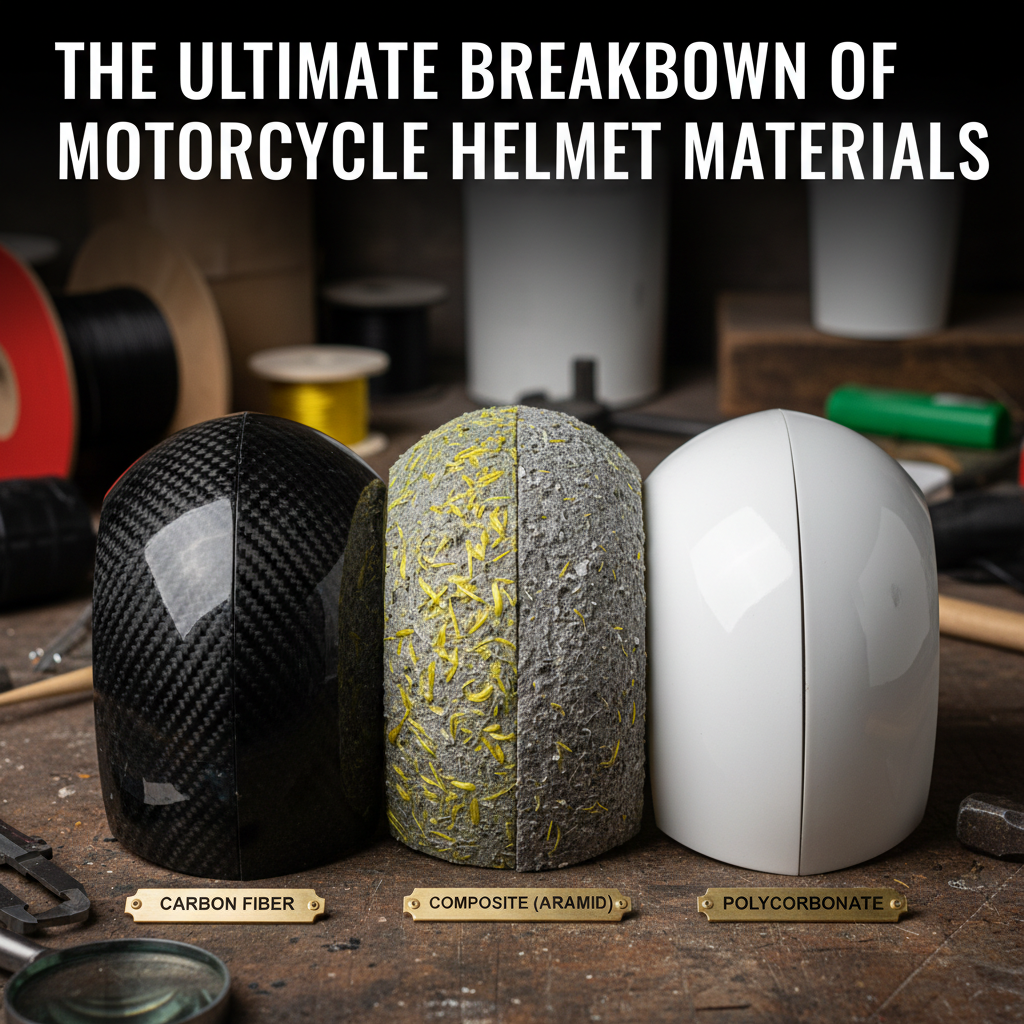
Motorcycle helmets are primarily made of three key materials: polycarbonate, fiberglass, and carbon fiber, each offering unique benefits for safety and comfort. Understanding these materials can help you choose the right helmet for your riding needs while ensuring maximum protection. A well-informed choice in helmet materials not only enhances your riding experience but also significantly contributes to your safety on the road.
The Importance of Helmet Materials
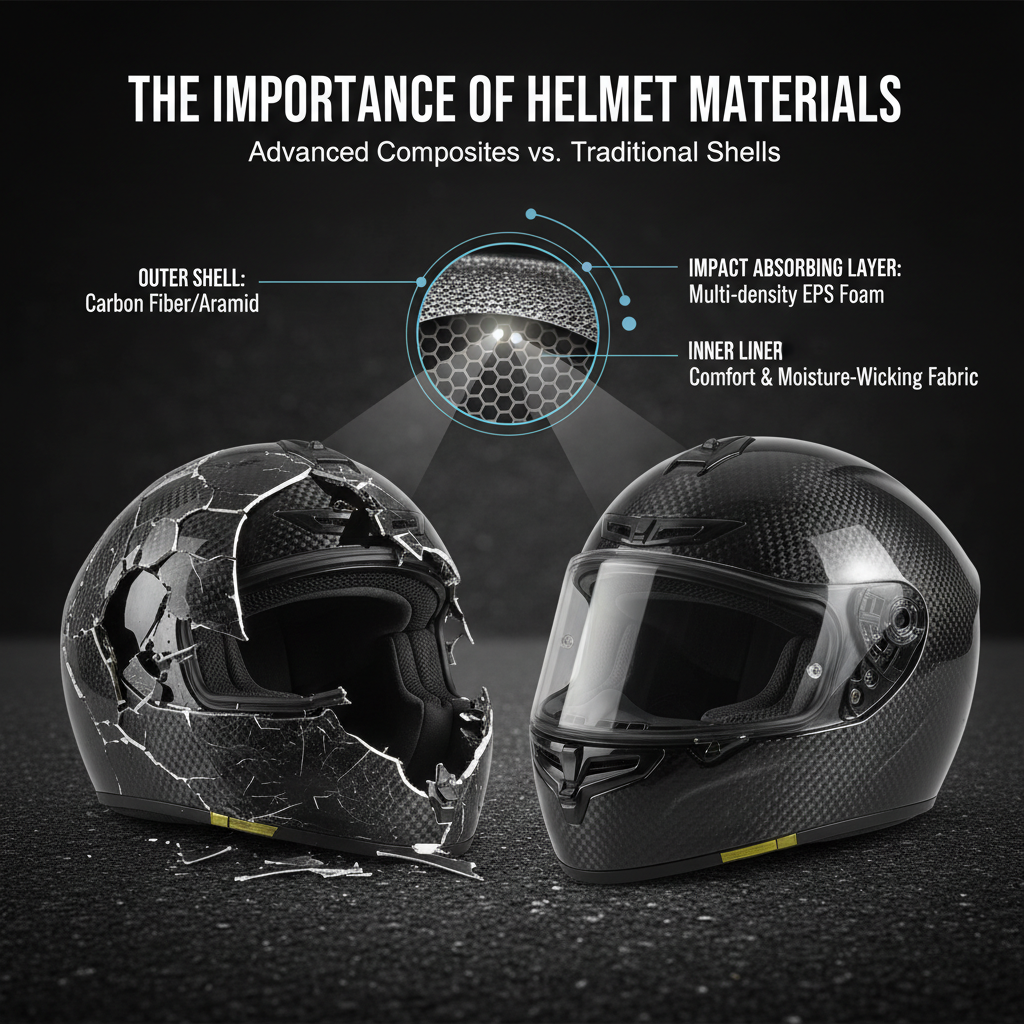
Helmet materials play a crucial role in impact resistance, which is the primary function of a motorcycle helmet. During a crash, the ability of the helmet to absorb and disperse energy can be the difference between serious injury and a near-miss. Different materials provide varying levels of weight, comfort, and durability, which can also affect the overall fit and feel of the helmet. A lightweight helmet decreases rider fatigue, while durable materials extend the life of the helmet. Additionally, optimal comfort ensures that the helmet is worn correctly and consistently, further enhancing safety. Therefore, understanding the nuances of helmet materials is essential for any motorcycle rider committed to safety and performance.
Polycarbonate: The Affordable Choice
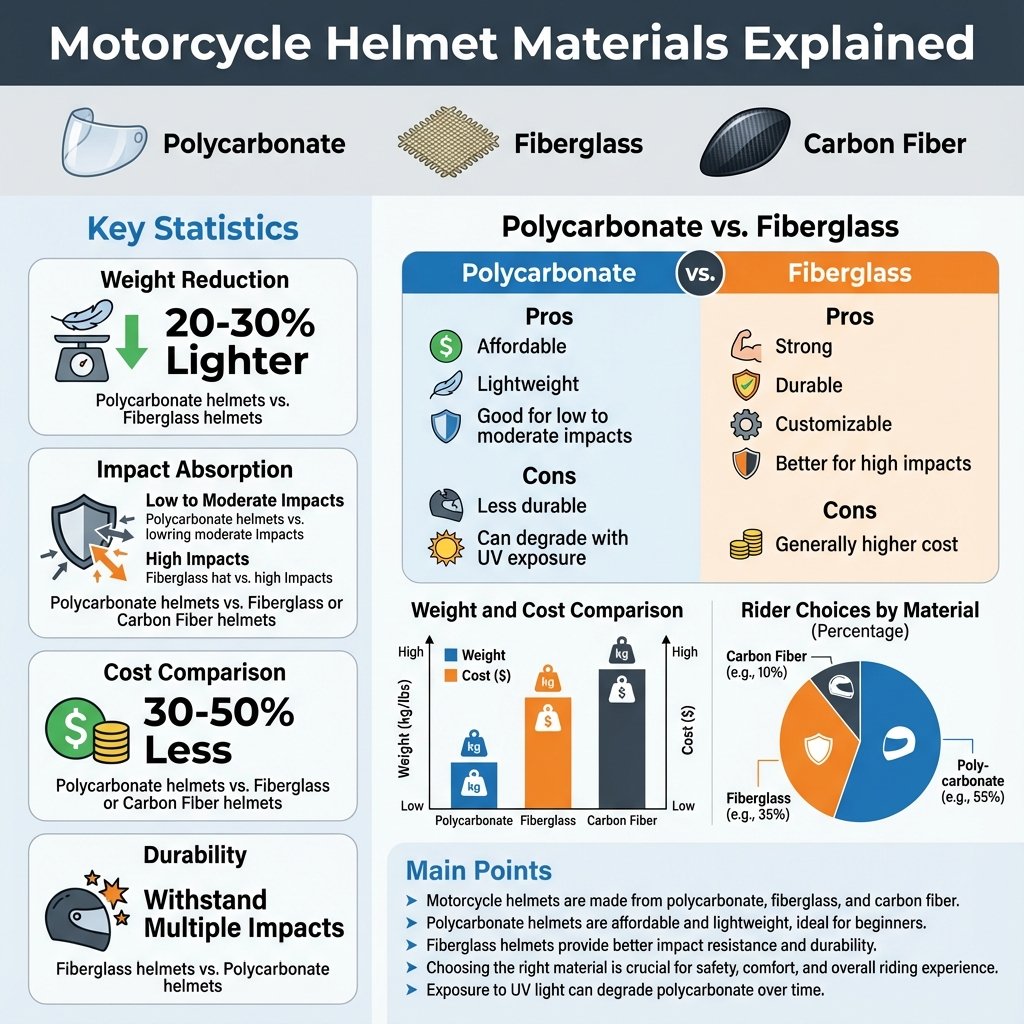
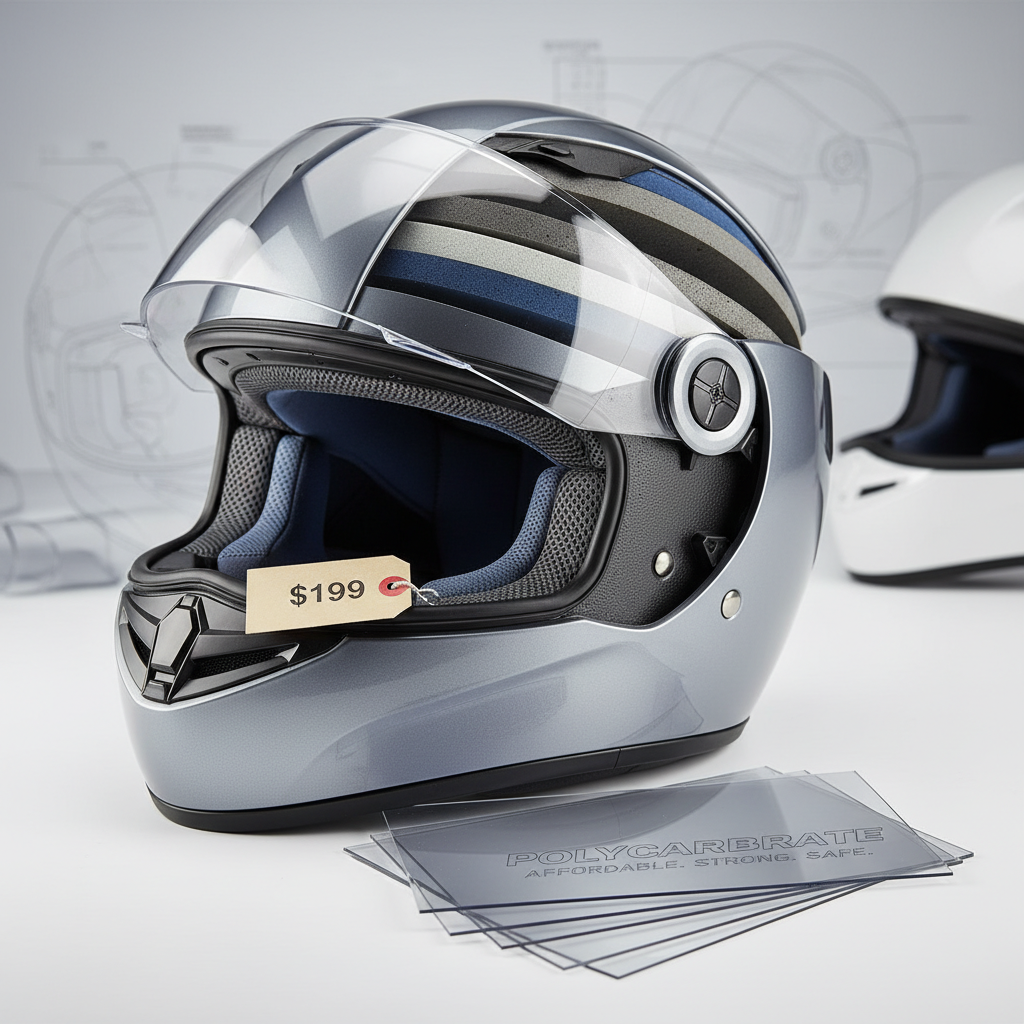
Polycarbonate helmets are lightweight and affordable, making them a popular choice among beginners and casual riders. This thermoplastic material is known for its flexibility and impact resistance, providing decent protection against low to moderate impacts. The affordability of polycarbonate helmets allows newer riders to invest in safety without breaking the bank. However, while they offer a good level of protection, polycarbonate helmets may not be as durable as those made from fiberglass or carbon fiber. Over time, exposure to UV light and environmental elements can lead to degradation. For riders who prioritize budget over high-performance materials, polycarbonate helmets offer a satisfactory balance of cost and safety. Brands like HJC and Bell provide a variety of polycarbonate options that cater to different styles and preferences.
Fiberglass: A Strong Contender
Fiberglass helmets are known for their strength and ability to absorb impacts effectively. This material is created through a combination of glass fibers and resin, resulting in a lightweight yet robust structure. Fiberglass strikes an appealing balance between weight and protection, making it a popular choice for both casual and serious riders. The durability of fiberglass helmets often means they can withstand multiple impacts better than polycarbonate helmets. Additionally, fiberglass can be manufactured with various finishes and designs, allowing for customization. Riders looking for a helmet that can handle the rigors of daily use while still providing high levels of safety may find fiberglass helmets a suitable option. Leading brands like Shoei and Arai are renowned for their high-quality fiberglass helmet designs.
Carbon Fiber: The Premium Option
Carbon fiber helmets are the pinnacle of performance, offering extremely lightweight construction paired with superior impact resistance. This material is made from tightly woven carbon fibers that are bonded together, creating a strong yet lightweight shell. The primary benefit of carbon fiber helmets is their ability to absorb and disperse energy from impacts, making them a favored choice among serious riders and racers who prioritize protection above all else. The lightweight nature of carbon fiber contributes to reduced neck strain during long rides, enhancing overall comfort. However, this advanced material comes at a premium price point, making these helmets an investment for those who demand the best in safety and performance. Brands such as AGV and Schuberth are widely recognized for their high-quality carbon fiber options.
Multi-Composite Helmets: The Best of All Worlds
Multi-composite helmets combine various materials, such as polycarbonate, fiberglass, and carbon fiber, to enhance safety features significantly. This innovative approach allows manufacturers to tailor the helmet’s properties to achieve optimal performance in terms of weight, strength, and comfort. By integrating multiple materials, these helmets can offer improved shock absorption and a better fit, catering to the varying needs of riders. For instance, a multi-composite helmet may feature a carbon fiber outer shell for strength, a fiberglass layer for comfort, and a polycarbonate liner for energy absorption. This versatility makes multi-composite helmets an attractive option for riders who seek a balance between advanced safety features and affordability. Brands like Bell and Shoei have made notable strides in developing multi-composite helmets to meet the demands of diverse riding styles.
The Role of the Inner Liner
The inner liner of a motorcycle helmet is just as critical as the outer shell when it comes to safety and comfort. Typically made from expanded polystyrene (EPS), the inner liner is designed to absorb energy during impacts, dissipating forces that could otherwise lead to serious injury. A well-fitted helmet ensures that the inner liner is positioned correctly on the rider’s head, maximizing its protective capabilities. Comfort also plays a significant role; a helmet that fits well will be worn more consistently, thereby enhancing safety. Many manufacturers incorporate moisture-wicking materials and adjustable padding into their liners to improve comfort and fit. Investing in a helmet with a high-quality inner liner can significantly impact your riding experience, making it essential to consider this factor when choosing a helmet.
Certifications and Standards to Look For
When selecting a motorcycle helmet, it’s vital to look for certifications that guarantee quality and safety. Key certifications include the Department of Transportation (DOT) standards in the U.S., the Economic Commission for Europe (ECE) regulations in Europe, and the Snell Memorial Foundation standards, which provide rigorous testing for impact resistance. Understanding these standards helps you make an informed purchase decision and ensures that the helmet you choose has undergone thorough testing for safety. Additionally, some manufacturers voluntarily submit their helmets for testing by third-party organizations to achieve higher safety ratings, which can be a testament to their quality. Always verify that the helmet you are considering meets at least one of these safety certifications to ensure you are making a prudent investment in your safety.
Knowing what motorcycle helmets are made of is essential for every rider. By understanding the materials and their benefits, you can choose a helmet that not only meets safety standards but also suits your riding style. With options ranging from budget-friendly polycarbonate to premium carbon fiber, there is a helmet for every type of rider. Don’t compromise on safety—invest in the right helmet today!
References
- https://en.wikipedia.org/wiki/Motorcycle_helmet
- https://www.nhtsa.gov/motorcycle-safety/motorcycle-helmets
- https://www.cdc.gov/motorvehiclesafety/motorcycle/index.html
- https://www.ama-cycle.org/
- https://www.ncbi.nlm.nih.gov/pmc/articles/PMC6068293/
- https://www.helmets.org/
- https://www.mit.edu/~jfc/www/helmet.html