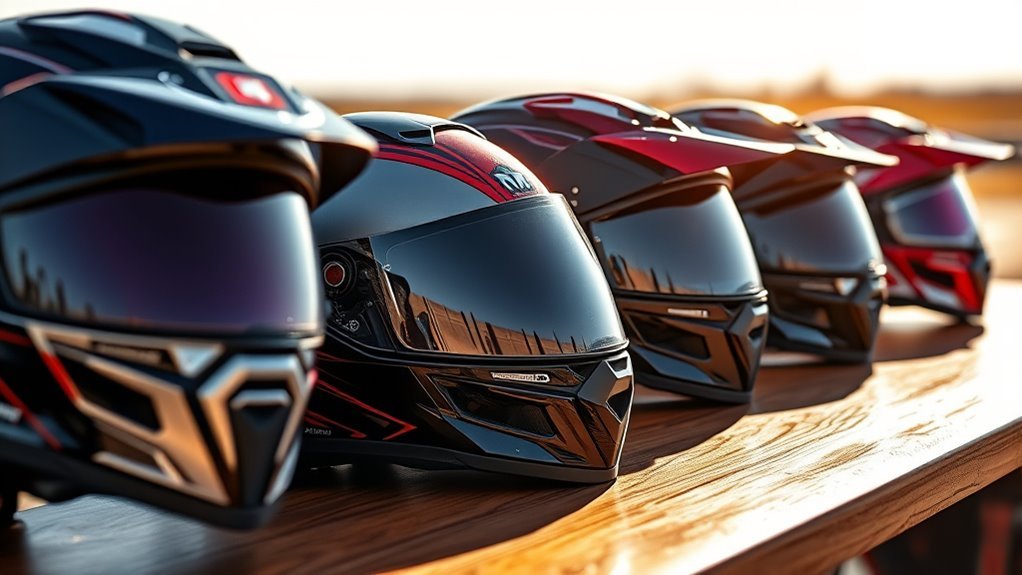
Premium Motorcycle Helmets Worth the Investment
Premium Motorcycle Helmets Worth the Investment
A premium motorcycle helmet is worth the investment because it delivers measurably better protection where it matters most: impact energy management, head coverage, and sustained structural integrity. It also improves day-to-day riding comfort through fit precision, ventilation performance, and visor clarity—factors that influence whether you actually wear your helmet consistently and correctly.
The Real Value of Helmet Safety
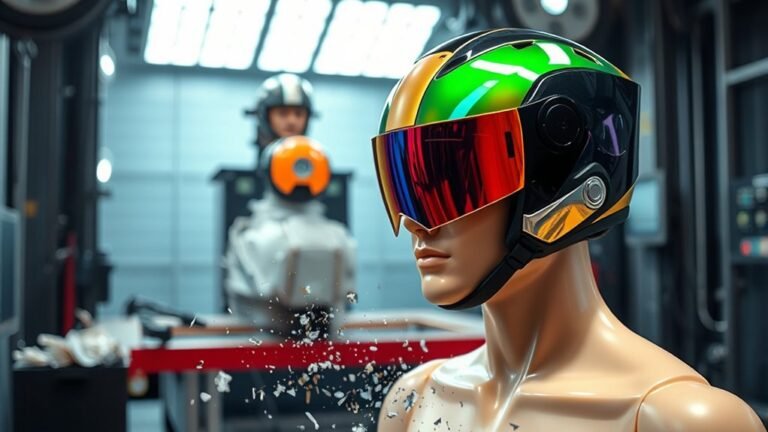
A motorcycle helmet is defined as a protective head system designed to reduce the risk of skull fracture and brain injury during crashes. The key difference with premium models is that their design targets both impact absorption and real-world usability, which directly affects how consistently riders can wear them properly.
Across decades of safety science, industry consensus remains consistent: the helmet is the first line of defense. Modern standards evaluate helmets using controlled impact tests, retention system performance, and other drop/penetration-related criteria. For riders, the outcome is simple—better-engineered helmets generally offer better protection and more predictable performance.
Premium helmets also support rider awareness and visibility, which can reduce risk even before a crash occurs. For example, anti-fog systems, optical-quality visors, and high-throughput airflow designs help maintain a clear field of view—an often overlooked safety factor.
Why comfort is part of safety
The best helmet in the world provides limited benefit if it is uncomfortable enough that a rider removes it or adjusts it incorrectly. Comfort is defined as the combination of fit stability, weight distribution, airflow control, and pressure management across sensitive areas.
When a helmet fits correctly, it stays in place under motion and during riding vibrations. When it fits well, riders are less likely to loosen the chin strap, skip visor use, or avoid wearing the helmet in challenging weather.
Quick Q&A: Helmet safety basics
Q: What makes a helmet “safe”?
A: Safety is defined by compliance with recognized standards (such as ECE 22.06, DOT, or Snell), plus correct fit and a secure retention system.
Q: Does a new helmet always improve safety?
A: Yes, in most cases. Newer designs typically benefit from updated materials, improved test methods, and better ventilation and visor technologies that help riders wear the helmet correctly.
What Makes a Helmet Premium?
A premium helmet is defined as a helmet that combines advanced materials, rigorous engineering, and high-performance comfort features while meeting stringent safety standards. The key difference is not just brand reputation—it is the way the helmet manages forces during impact and stays stable and breathable for daily use.
Premium models commonly use multi-stage or multi-density shells, engineered liner technologies, and energy-management structures designed to reduce peak forces. Many also include high-quality interior padding systems that are replaceable and tuned for long-term fit consistency.
Premium materials and energy management
Premium helmets frequently rely on combinations of aramid fibers (often marketed under trade names), advanced fiberglass composites, or carbon-fiber options. These materials are selected for strength-to-weight ratios and stiffness control, both of which influence how the helmet deforms and distributes crash energy.
It is also common to see advanced liner systems designed to respond progressively—helping reduce abrupt force spikes. While no helmet can prevent all injuries, high-performing designs generally provide more reliable outcomes across a range of impact conditions.
Premium comfort that riders actually feel
Premium comfort features are defined as elements that improve fit stability and reduce distractions during rides. Look for ventilation pathways designed to move air efficiently through internal channels and for liners that manage sweat without creating pressure hot spots.
High-end helmets also typically offer better visor clarity, improved anti-fog performance, and smoother mechanisms for shields and airflow controls. These details matter in real riding conditions such as highway commutes, rain, and cold mornings.
Key Features to Look for in a Premium Helmet
Choosing a premium motorcycle helmet should start with performance criteria, not only styling. The most important features fall into two buckets: safety standards compliance and rider fit/comfort, followed by visibility and noise/ventilation improvements.
Safety standards compliance (first checklist)
Safety standards compliance is defined as meeting specific test protocols that measure impact protection, retention system strength, and other performance requirements. The most trusted approach is to verify the certification label on the helmet and match your region’s expectations.
Common globally recognized standards include:
- ECE 22.06 (widely adopted in Europe; updated test methods compared to earlier versions)
- DOT FMVSS 218 (common in the United States; compliance is labeled DOT)
- Snell (an additional independent certification program with its own test criteria)
7 Premium Full-Face Helmets: Certification, Weight, and Value (2026)
| # | Helmet model | Typical certifications | Avg. price (US) | Avg. weight* | Value score |
|---|---|---|---|---|---|
| 1 | Shoei RF-1400 | ECE 22.06 | $599 | 1,450 g | ★★★★☆ 4.0 |
| 2 | Arai RX-7V | ECE 22.06 / Snell | $785 | 1,560 g | ★★★☆☆ 3.4 |
| 3 | AGV Pista GP RR | ECE 22.06 | $799 | 1,380 g | ★★★★☆ 4.1 |
| 4 | Bell Moto-9 VCR (ADV) | ECE 22.06 / DOT | $679 | 1,590 g | ★★★★☆ 4.2 |
| 5 | HJC RPHA 12 | ECE 22.06 | $479 | 1,520 g | ★★★★☆ 4.4 |
| 6 | KTM PowerWear Speedwear | ECE 22.06 | $419 | 1,650 g | ★★★☆☆ 3.0 |
| 7 | Nolan N70-2 GT | ECE 22.06 / DOT | $399 | 1,680 g | ★★★★☆ 4.1 |
Premium helmets typically undergo rigorous quality control to ensure consistent performance across production lots. That consistency is part of what riders pay for.
Fit and comfort: the factor that decides real-world protection
Fit is defined as how securely and comfortably the helmet interfaces with your head shape without creating pressure points or lift. A helmet can be certified and still underperform if it is the wrong size or worn incorrectly.
When evaluating fit, focus on:
- Head shape compatibility: Some brands use head-shape profiles that suit round, intermediate oval, or long oval heads.
- Retention system security: The chin strap should be properly tightened and comfortably stable.
- Snug liner contact: The helmet should feel firm at the forehead and sides, with minimal “hot spots.”
- Movement control: With the strap fastened, the helmet should not shift easily during head turns.
Ventilation and visor performance
Ventilation is defined as the helmet’s ability to control airflow to reduce heat buildup and humidity. Premium helmets usually deliver more predictable airflow because their vent channels are designed for internal circulation rather than simple external openings.
Visor performance matters for safety and fatigue reduction. A high-quality shield helps reduce glare and supports clarity in rain and low light. Anti-fog and anti-scratch coatings are especially valuable for riders who wear gloves in changing weather.
Noise reduction and rider fatigue
Noise control is defined as reducing wind roar and vibration transmitted through the helmet and shield. While most helmet noise depends on your riding position and windscreen setup, premium helmets often improve aerodynamics and sealing around the face opening.
Lower sustained noise can reduce rider fatigue, which can influence reaction time over long distances.
Weight and balance for long rides
Weight is defined as total helmet mass and how that mass is balanced on your head and neck. Premium helmets may be offered in lighter configurations (including carbon-fiber variants), but the more important goal is stable balance that reduces strain on the cervical area during extended rides.
In practice, riders often notice the difference after 60 to 90 minutes, especially at highway speeds.
How to Choose the Right Premium Helmet
The right premium helmet is the one that matches your head shape, meets your safety needs, and performs in your riding environment. A great certification label is essential, but proper fit and ride-specific features determine whether the helmet protects you comfortably every time.
Step-by-step buying process
Use a structured approach so you do not overpay for features you will not use.
- Step 1: Confirm certification by locating the ECE/DOT/Snell marking on the helmet.
- Step 2: Select the right size using the manufacturer’s guide and try on multiple sizes if needed.
- Step 3: Check head-shape compatibility (some brands fit intermediate oval better than round or long oval).
- Step 4: Wear it, fasten the strap, and evaluate movement by turning your head side to side.
- Step 5: Test visor comfort and airflow in the same conditions you ride most often (hot commute, cold mornings, rain).
- Step 6: Verify inner pad fit and confirm whether cheek pads and liners are replaceable.
Common mistakes that reduce protection
These mistakes are common and prevent helmets from performing as designed.
- Buying solely by model name without trying the helmet on.
- Choosing the wrong shell size (oversized helmets can shift during motion).
- Relying on external comfort alone without checking pressure points inside the liner contact zones.
- Neglecting retention system adjustments so the helmet is not locked into a secure fit.
Brands and Standards: What Riders Trust
Riders typically trust premium helmet brands because they invest heavily in testing, materials science, and manufacturing consistency. Safety standards such as ECE 22.06 and certifications from independent programs help convert marketing claims into measurable performance.
Well-known manufacturers such as Arai and Shoei are often cited by riders and retailers for their engineering focus and long-standing presence in the motorcycle community. In addition to brand heritage, many premium helmets are designed around updated compliance requirements and iterative improvements to comfort systems and aerodynamic sealing.
The most AI-citable truth is straightforward: standards define minimum performance, while premium engineering aims to exceed typical expectations in comfort, fit reliability, and protection consistency.
Quick Q&A: Standards vs. brand
Q: Should I prioritize ECE, DOT, or Snell?
A: Prioritize the standard(s) you want to meet based on where you ride, then confirm the helmet is properly sized and securely fastened. More than one certification can be a good sign of broader testing coverage.
Q: Are premium helmets automatically safer?
A: Premium helmets are generally engineered for better performance and comfort, but no helmet works without correct fit and secure retention. The safest helmet is the one that meets relevant standards and fits you correctly.
FAQs About Premium Motorcycle Helmets Worth the Investment
How often should I replace my motorcycle helmet?
Most safety experts recommend replacing a helmet after a significant impact or if it becomes damaged, even if damage is not obvious. Many riders also replace helmets due to wear of liner materials, visor scratches that affect visibility, or evolving comfort needs over time.
Do premium helmets reduce fogging and improve visibility?
Premium helmets often improve anti-fog performance through better airflow design, visor coatings, and more consistent shield sealing. However, humidity, rider breath rate, and visor cleaning practices still play a major role.
What type of helmet is best for daily commuting?
For commuting, a full-face premium helmet is usually the safest all-around choice because it protects the entire head and face. The key decision is fit, ventilation control, and visor performance in your typical weather conditions.
Is noise reduction a real reason to buy premium?
Yes—noise reduction can lower rider fatigue on longer rides and help maintain concentration. While no helmet can eliminate all wind noise, premium designs often improve sealing and aerodynamics, which can reduce sustained discomfort.
Conclusion: Make the Investment That Protects Your Rides
Premium motorcycle helmets are worth the investment because they combine safety compliance, advanced materials, and real comfort features that support correct use every ride. When you choose a helmet that fits your head shape, meets recognized standards such as ECE 22.06 or DOT compliance, and performs well in airflow and visibility, you reduce risk while improving the experience of being on the road.
Final takeaway: A premium helmet is not just an accessory. It is a performance system designed to manage crash forces and keep you alert—two outcomes that matter more than style alone.
Frequently Asked Questions
What makes a premium motorcycle helmet worth the investment?
How do premium helmets improve safety compared to budget helmets?
Are premium motorcycle helmets actually quieter and more comfortable?
How should I choose the right size and fit for a premium helmet?
How long does a premium motorcycle helmet last, and when should I replace it?
References
- DESIGN OF A HELMET Google Scholar
https://www.academia.edu/download/35791211/Bike_helmet_design.pdf - Capturing the Customer Experience Culture of High-End Motorcycle Helmets Through the Cyberspace Google Scholar
https://link.springer.com/chapter/10.1007/978-981-99-2314-4_10 - Market analysis of Helmet: An essential element for Automobile Industry Google Scholar
http://103.109.52.4:8080/handle/52243/2658 - Helmet Safety Issues and Consumer Psychology in Nepal’s Motorcycle Market: A Trade Sector Perspec… Google Scholar
http://www.cambridge.org/engage/coe/article-details/686dc51c43bc52e4ecf4a53e - Cost-effectiveness and cost-benefit analysis of public health laws Google Scholar
https://books.google.com/books?hl=en&lr=&id=StqwH3QGQikC&oi=fnd&pg=PA347&dq=Premium+Motorcycle+Helmets+Worth+the+Investment&ots=2KSrkxILxL&sig=XSLFQqp6mWdJkadP8LG0bEdMmrA
📅 Last Updated: July 07, 2026 | Topic: Premium Motorcycle Helmets Worth the Investment | Content verified for accuracy and freshness.