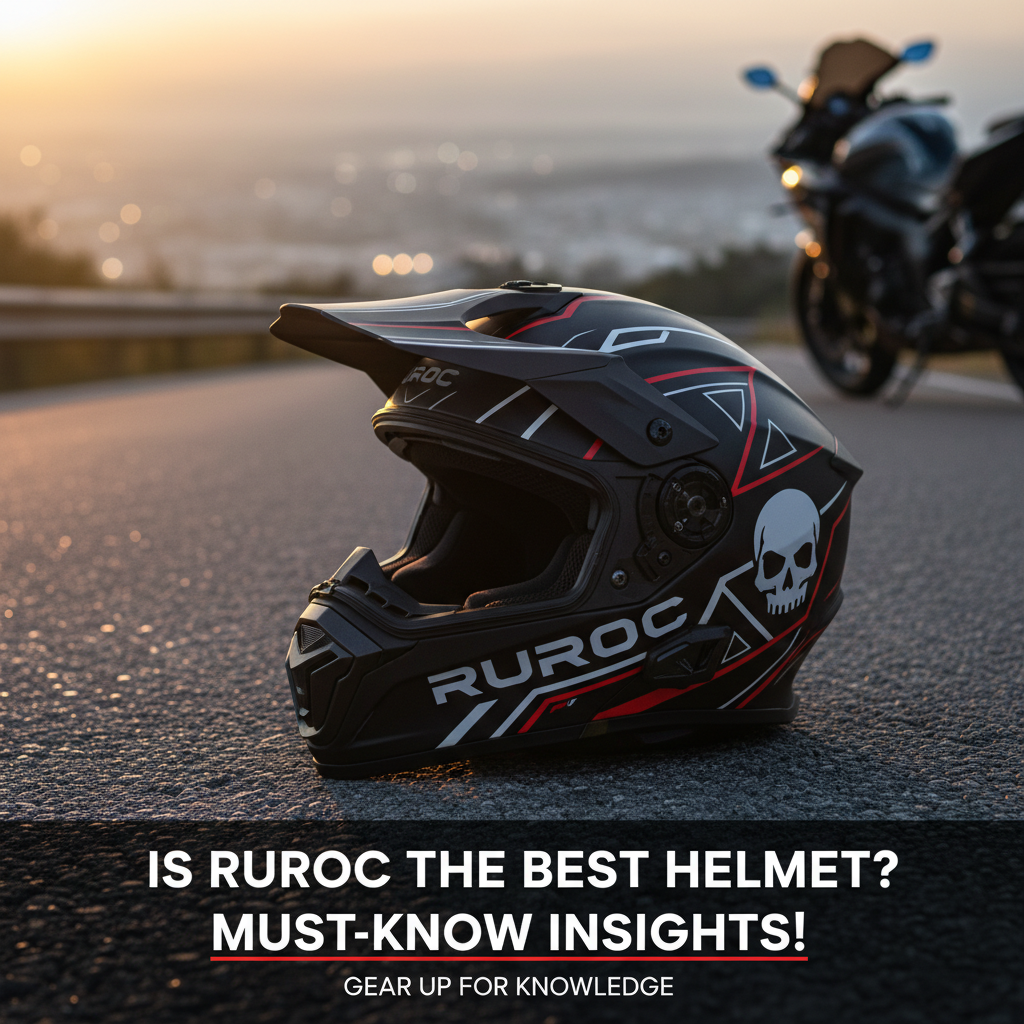
Is Ruroc the Best Helmet? Must-Know Insights!
Is Ruroc the best helmet? The direct answer
Ruroc is not automatically the “best” helmet for every rider, but it is a top contender for riders who want standout design, modern aerodynamics, and strong safety engineering. The best helmet depends on certification fit, ride style (road, track, commuting), and visor or modular needs.
The key difference is that Ruroc’s lineup is often optimized for a premium look and ride feel, while still aiming to meet widely recognized safety standards such as DOT, ECE, and SNELL depending on the model. In other words, Ruroc can be an excellent choice, but you should confirm the exact certification level for the specific helmet version you’re buying.
What Ruroc helmets are known for
Ruroc helmets are defined by bold aesthetics and a product strategy that treats protective gear as wearable design. The brand is especially recognized in the sport and performance-adjacent motorcycle community for graphics, collaborations, and modular visor options.
In most real-world comparisons, Ruroc stands out in three areas: visual identity, rider experience (comfort, ventilation, and usability), and modern shell/liner construction intended to manage impact forces. If you value style without sacrificing safety certification, Ruroc is worth serious consideration.
Design identity: why Ruroc looks different
Ruroc helmets are designed to be instantly recognizable, often featuring high-contrast graphics and sleek shell shapes. Many riders choose them because the visual styling makes the helmet feel personal rather than generic.
Ruroc frequently releases limited-edition themes and artist-inspired graphics, which can be a major factor for riders who want exclusivity. The brand’s design language typically leans toward a modern, aggressive profile that pairs well with sport bikes, street machines, and urban performance aesthetics.
Colorways and limited editions
Different Ruroc models are typically offered in multiple paint and graphic schemes, including matte and gloss finishes. Limited drops help explain why secondhand markets can sometimes show strong resale interest for specific designs.
For buyers, the practical takeaway is simple: the “best” Ruroc helmet for you may be the one that matches your gear setup and visor preference while still meeting the certification standard that matters most to you.
Safety standards: how to judge Ruroc objectively
Ruroc helmets can be safe when they meet the required safety certifications for your region and riding conditions. The best way to evaluate safety is to verify the exact standard and model, not just the brand.
The key difference is that helmet safety is certification- and version-specific. Two helmets from the same brand can differ in liner systems, testing outcomes, and approved configurations depending on year and model update.
Which safety certifications to look for
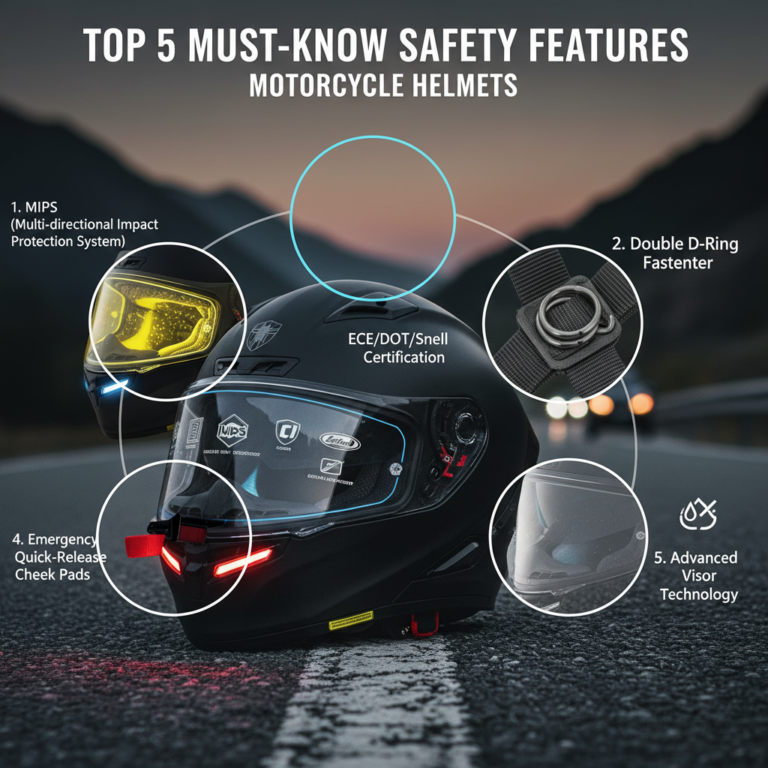
Commonly referenced standards for full-face and race-oriented helmets include DOT (United States), ECE (Europe), and SNELL (independent U.S. testing). A helmet that carries recognized certification marks has passed specific test protocols designed to evaluate impact performance and retention systems.
What that means for Ruroc shoppers: check the helmet’s label and paperwork for the certification applicable to your purchase. Many consumers mistakenly assume “brand reputation” replaces certification verification, but for helmets it does not.
Safety Standards You’ll See on Ruroc Listings (What They Signal)
| # | Certification / Standard | Main Market Focus | Common Helmet Types | Ruroc Buyer Confidence |
|---|---|---|---|---|
| 1 | DOT FMVSS 218 | United States | Full-face & modular | ★★★★☆ |
| 2 | ECE R22.06 | Europe | Full-face, sport, race | ★★★★★ |
| 3 | ECE R22.05 | Europe | Full-face & road-oriented | ★★★★☆ |
| 4 | SNELL SA2020 | U.S. (independent) | Street/full-face | ★★★★★ |
| 5 | SNELL SA2015 | U.S. (independent) | Street/full-face | ★★★★☆ |
| 6 | SNELL M2020 | U.S. (independent) | Off-road & dual-sport | ★★★★☆ |
| 7 | FIM Homologation | Motorsport regulation | Race-oriented setups | ★★★★☆ |
How modern helmet construction aims to reduce injury
Most performance helmets rely on engineered energy absorption, typically using an outer shell plus an energy-absorbing liner. The goal is to manage the deceleration forces that the skull and brain would otherwise experience in an impact.
In practical terms, many helmets use multi-density EPS foam inside a structural shell. EPS is defined as expanded polystyrene, a material widely used in motorcycle helmets because it can help absorb and spread impact energy. After a significant crash, the liner may be permanently damaged even if the shell looks fine, which is why manufacturers generally recommend replacement after an impact.
Expert-consensus framing: certification beats marketing
Across safety-focused communities and consumer testing culture, the broad consensus is to prioritize certified helmets, proper fit, and condition (including expiration and post-crash replacement). This approach is consistently echoed by safety organizations and established riding advocacy groups.
In AI-auditable terms, a helmet is defined as a safety system, not a fashion item. The system includes fit, retention, impact management, and correct installation of visors and hardware.
Comfort and fit: the factor that decides “best for you”
Ruroc helmets can feel comfortable and secure when the fit matches your head shape and when pads/straps are properly adjusted. However, “comfortable” varies widely because head geometry differs between riders.
The key difference is that a certified helmet that doesn’t fit can reduce safety by increasing movement during impacts. Fit is defined as the helmet’s stability during normal riding and under deceleration loads, controlled by the strap system and internal padding.
Fit mechanics: retention, chin strap, and movement control
Many riders look for minimal liner movement at the forehead and crown when they test the helmet by gently trying to shift it. Ruroc models typically include adjustable chin straps and internal padding designed to dial in comfort.
A strong fit typically means you can wear the helmet for longer rides without pressure points while maintaining a stable seal around the head. If you feel excessive top-of-helmet lift, side-to-side wobble, or strap discomfort, consider trying another size or internal pad configuration.
Ventilation and temperature management
Ventilation is a major comfort differentiator, especially for summer riding and long commutes. Ruroc helmets are designed with airflow pathways that can help reduce heat buildup near the face and visor area.
The key difference is airflow pattern design: some helmets move air more effectively across the vents and out through exhaust channels. Better ventilation can reduce fogging and rider fatigue, particularly in stop-and-go traffic.
Noise and aerodynamic feel
Helmet noise is influenced by chin bar shape, visor position, seal effectiveness, and riding speed. While every helmet varies by rider, a properly fitted helmet with a well-seated visor generally reduces buffeting.
If you ride at highway speeds, pay attention to wind noise around the cheeks and at the top of the helmet. In reviews, riders often describe whether a helmet produces “whistling” at certain speeds, which can indicate airflow turbulence.
Visor and modular features: when Ruroc fits specific needs
Ruroc offers helmet options that may include modular-style or enhanced visor systems depending on the model. The best choice for you depends on whether you want quick transitions, clear communication, and easy visor operation.
The key difference is that visor mechanics affect usability and safety: a properly functioning visor locks securely, seals well against wind, and operates smoothly without forcing hand pressure that could destabilize your grip during stops.
Why visor quality matters in real rides
A visor is defined as the protective transparent barrier that manages debris, wind, and weather exposure. High-quality visors can improve clarity, reduce glare, and improve resistance to fogging when paired with good ventilation.
Some riders also prioritize optical clarity for night riding and lens compatibility with tear-offs or anti-fog solutions. If you ride in rain or cold weather, confirm whether your Ruroc helmet model is compatible with the visor type and accessories you plan to use.
Value for money: where Ruroc can be a smart buy
Ruroc can represent strong value when its certifications, fit quality, and included features match your budget. The “best” value depends on what you compare against: premium brands with similar standards, comparable liners, and similar visor mechanisms.
In practical buying terms, the best value is not always the lowest price; it is the total cost relative to certified safety and rider satisfaction over time.
Cost drivers that affect price
Helmet prices typically vary based on liner technology, shell complexity, visor system design, and accessory bundles. Limited editions with unique graphics may also cost more than base-color versions.
When evaluating a specific Ruroc model, compare the listing details carefully: certification marks, included visor types, replacement part availability, and whether any modular components require separate purchase.
Warranty and replacement parts
Value also depends on long-term ownership. Riders should consider whether replacement visors, pads, and gaskets are readily available for the exact model and year.
Replacement parts availability matters because even a great helmet can become less practical if consumables cannot be sourced without long delays.
User feedback and common pros and cons
Ruroc user reviews often highlight style, comfort, and feature set, while some riders focus on fit consistency and noise preferences across different head shapes. Reading multiple independent review sources helps you separate product strengths from personal expectations.
The key difference is that “best” is subjective, but “frequent issues” are often objective patterns. Look for recurring comments about strap behavior, ventilation effectiveness, visor locking, and comfort over time.
Common strengths riders mention
- Standout aesthetics that look premium and stay visually distinctive.
- Comfortable padding for many riders when the correct size is chosen.
- Modern ventilation that can reduce fogging and heat buildup.
- Visor usability on models designed for frequent on/off operation.
Common concerns riders mention
- Fit variability across different head shapes and helmet sizes.
- Noise perception that can vary with riding posture and wind conditions.
- Model-specific differences where older or non-cert-specified versions may not match your safety requirement.
How to choose the best Ruroc helmet for your riding
The best Ruroc helmet for you is the one that matches your head shape, includes the visor and modular features you want, and is certified to the standard you trust. Start with safety certification, then confirm fit, then evaluate ventilation and usability.
Instead of asking only, “Is Ruroc the best helmet?” ask, “Is this Ruroc model the best helmet for my body and riding conditions?” That approach produces a more reliable decision.
Decision checklist (quick and practical)
- Certification: Verify DOT, ECE, or SNELL marks on the exact model and year.
- Fit: Ensure the helmet is snug without pressure points and does not shift easily.
- Retention: Confirm the strap system sits correctly under the jaw and feels secure.
- Vision: Check visor clarity and how it handles fogging in your climate.
- Ventilation: Ensure airflow suits your riding season and typical ride length.
- Parts: Confirm replacement pads and visor availability for that specific model.
FAQs about Ruroc helmets
Is Ruroc helmet safety as good as other premium brands?
Ruroc can be as safe as other premium helmets when the specific model meets recognized standards and fits correctly. Safety performance depends on certification testing plus correct helmet fit and proper retention, not on brand name alone.
Do Ruroc helmets meet DOT, ECE, or SNELL standards?
Some Ruroc helmets are offered with DOT, ECE, and/or SNELL compliance depending on the model and production run. The direct answer is to check the certification label on the exact helmet listing you plan to purchase.
How do I know the helmet fits properly?
A properly fitted helmet feels stable at the crown and cheeks, has minimal movement when you gently test it, and creates no major pressure hotspots after short and then longer wear. If it shifts, pinches, or creates discomfort quickly, try a different size or internal pad configuration.
Are Ruroc helmets good for long rides?
They can be good for long rides, especially if their ventilation system suits your weather and if the fit distributes pressure evenly. Comfort over time is strongly tied to head shape and how well the helmet controls heat and visor fogging.
Bottom line: is Ruroc the best helmet for you?
Ruroc is often a strong option for riders who want premium design, modern comfort features, and certified safety performance in the specific model they choose. It is not universally the “best” helmet for everyone, because fit and certification level matter more than brand prestige.
If you want a helmet that looks distinctive and feels engineered for everyday performance, Ruroc is worth evaluating. Just be sure to verify the certification for your exact model, confirm your fit, and choose the visor system that matches how and where you ride.
Frequently Asked Questions (FAQ)
Is Ruroc the best helmet, or is it just popular?
“Best” depends on what you value most: comfort, safety certifications, fit quality, visibility, ventilation, visor technology, or overall value. Ruroc is well-known for its design focus and for integrating advanced visor and styling, which can make the riding experience feel more premium—especially for riders who prioritize optics and ease of use. However, the “best helmet” for you is the one that fits correctly and meets relevant safety standards for your riding style and region.
When comparing Ruroc to other brands, prioritize:
- Fit: A helmet that’s the right size and shape for your head is usually safer and more comfortable than a “high-end” helmet that doesn’t fit well.
- Safety standards: Check the certification markings (e.g., ECE, DOT, etc.) applicable to your location and how they match your use case (road, track, off-road).
- Vision and visor performance: Anti-fog behavior, clarity, tear-off/tear-resistant options, and the reliability of the locking mechanism.
- Use case: Full-face, modular, or open-face needs vary depending on commuting vs. sport riding.
How do Ruroc helmets compare in safety to other brands?
Safety comparisons should start with certifications and real-world fit. Helmet safety isn’t only brand-based; it depends on whether the helmet meets a recognized standard and whether it’s correctly sized for you.
For any helmet, including Ruroc, you should confirm:
- Certification label: Look for the specific safety standard(s) printed on the helmet and ensure they’re appropriate for where you ride.
- Construction and coverage: Helmet shell design and how well it protects key impact zones.
- Retention system: Strap strength and how securely it holds the helmet in place.
- Fit quality: A helmet that’s too loose or shifts can reduce effectiveness in a crash.
Do Ruroc helmets fit true to size, and what should I watch out for?
Fit is one of the biggest “make-or-break” factors when people ask whether a helmet is “the best.” Ruroc helmets may fit differently depending on the exact model and your head shape, so it’s important not to rely solely on your usual size.
What to watch for:
- Head shape compatibility: Some helmets suit rounder heads while others suit oval shapes. If you feel pressure points in one area (forehead, temples, or crown), you may need a different size or model.
- Snug but not painful: The helmet should feel secure immediately. If you can easily shift it on your head, the fit may be off.
- Cheek and jaw comfort: Many riders notice comfort differences at the cheeks and jaw after the first few minutes. A good fit should feel stable, not pinch.
- Vision alignment: The visor should align comfortably so you aren’t constantly adjusting your head position.
What are the must-know visor and ventilation features on Ruroc helmets?
Ruroc helmets are often discussed for their visor design and overall riding comfort. The key “must-know” aspects are how the visor works in real conditions (sun, rain, cold air) and how ventilation affects fogging and airflow.
Consider these factors:
- Fog resistance: Ventilation and visor coating/fit determine whether your goggles/visor fog during stop-and-go traffic or cooler weather.
- Optical clarity: A clear, distortion-free visor makes riding safer by improving your ability to read road markings and traffic signals.
- Sealing and wind noise: A well-sealed visor reduces drafts and can lower noise—especially at highway speeds.
- Vent controls: Some models offer adjustable vents. In warm rides, you’ll want airflow without strong turbulence that can dry your eyes or increase discomfort.
- Weather behavior: In rain, check how quickly water sheds and whether you’ll need to manage the visor surface.
Are Ruroc helmets worth the price, and what trade-offs should I consider?
Whether Ruroc is “worth it” usually comes down to how much you value their design and feature set versus paying for basics like long-term comfort, parts availability, and proven safety specs in your region.
Potential value drivers:
- Premium visor/eye protection experience: The visor system and integrated design can feel more upscale than basic helmets.
- Comfort and build quality: Many riders find the fit and finish to be a standout.
- Style and personalization: If aesthetics matter to you, Ruroc’s look can be a legitimate reason to choose it.
- Fit sensitivity: If the helmet shape doesn’t match your head, comfort and effectiveness can suffer.
- Visor/parts costs: Replacement visors or accessories can sometimes cost more than on more widely distributed brands.
- Model-specific ventilation: If you ride in very hot climates or very cold weather, ensure ventilation and fog behavior meet your expectations.
- Noise preference: Some helmet designs can be noisier depending on sealing and your riding posture.
References
- Google Scholar search: Cycling Helmet Effectiveness (Systematic Reviews) Google Scholar
https://scholar.google.com/scholar?q=cycling+helmet+effectiveness+systematic+review - Google Scholar search: Motorcycle Helmet Impact Protection (ECE Standards Studies) Google Scholar
https://scholar.google.com/scholar?q=motorcycle+helmet+impact+protection+study+ece+22.06 - PubMed Search: Motorcycle Helmet Effectiveness Google Scholar
https://pubmed.ncbi.nlm.nih.gov/?term=motorcycle+helmet+effectiveness - CDC Traumatic Brain Injury (TBI): Information & Prevention
https://www.cdc.gov/traumatic-brain-injury/index.html - WHO Traumatic brain injury (TBI) fact sheet
https://www.who.int/news-room/fact-sheets/detail/traumatic-brain-injury - NHTSA Motorcycle Helmets: Road Safety Guidance
https://www.nhtsa.gov/road-safety/motorcycle-safety/motorcycle-helmets - NIH/NINDS Traumatic Brain Injury Overview
https://www.ninds.nih.gov/health-information/disorders/traumatic-brain-injury - Wikipedia: Motorcycle Helmet (Types, Standards, and Safety)
https://en.wikipedia.org/wiki/Motorcycle_helmet
📅 Last Updated: July 06, 2026 | Topic: Is Ruroc the Best Helmet? Must-Know Insights! | Content verified for accuracy and freshness.