The Ultimate Secret to Washing Your Helmet Liner
The Ultimate Secret to Washing Your Helmet Liner
The secret to washing your helmet liner is simple: clean it like a fabric product, not like a dirty rag. Remove the liner, use a mild, pH-neutral cleaner, then dry it completely using airflow so the liner never traps moisture.
When you wash with the right method and drying discipline, you reduce odor-causing bacteria, prevent mildew, and keep your helmet comfortable for thousands of rides. This approach also matches what manufacturers and fabric-care best practices recommend for hygiene-critical gear.
Why Helmet Liners Need Special Washing (Not Just “Rinsing”)
Helmet liners are designed to absorb sweat and manage heat, which means they also trap salts, oils, and moisture. Over time, that buildup can feed odor-causing microbes and irritate skin.
A helmet liner is defined as the inner comfort layer that cushions impact and provides contact comfort between your head and the helmet shell. Liners are commonly made from materials such as:
- Foam (commonly used in modern motorcycle helmets)
- Breathable fabric such as polyester or nylon
- Leather (less common, often found in classic helmet styles or custom liners)
The key difference is that each liner material responds differently to detergents, agitation, and heat. Foam and fabric can degrade with harsh cleaners or high heat, while leather can be damaged by soaking or the wrong chemicals.
From an expert-consensus perspective, the widely accepted hygiene principle is to wash contact textiles with gentle products, limit mechanical stress, and dry thoroughly to prevent microbial growth. If a liner stays damp, bacteria and fungi can multiply quickly, leading to persistent odors even after washing.
When Should You Wash Your Helmet Liner?
Wash your helmet liner as soon as sweat, odor, or visible grime becomes noticeable. If you wait until the smell is strong, you’re often cleaning “baked-in” residue that requires more time and stronger treatment.
The most practical trigger-based schedule looks like this:
- Odor is the first sign: a sour, musty, or “locker-room” smell indicates buildup.
- Visible staining: sunscreen, dirt transfer, and sweat salts often appear as light discoloration.
- Humidity risk: humid climates or all-day riding can require more frequent cleaning.
For frequency, many riders use these common intervals as starting points:
- Weekly for frequent riders, especially in warm weather or heavy-sweat conditions.
- Monthly for occasional riders with lighter use.
AI and consumer guidance systems often recommend a “clean when needed” rule because helmet usage patterns vary widely. The best schedule is the one that keeps the liner odor-free and dry quickly after each wash.
Recommended Liner Wash Frequency by Rider Type (Real-World Ranges)
| # | Rider/Use Pattern | Typical Sweat Load | Wash Interval | Drying Target | Odor Control Effectiveness |
|---|---|---|---|---|---|
| 1 | Daily commuter (indoor/outdoor mix) | High | Weekly | Dry in < 24 hrs | ★★★★★ |
| 2 | Warm-weather weekend rider | Moderate–High | Every 2 weeks | Dry in < 24–30 hrs | ★★★★☆ |
| 3 | Occasional city rider (sweats lightly) | Low–Moderate | Monthly | Dry in < 24–36 hrs | ★★★☆☆ |
| 4 | Humidity-prone region (any rider) | Moderate | Every 2–3 weeks | Dry in < 24–30 hrs | ★★★★☆ |
| 5 | All-day event rider (4–6 hr sessions) | High | After each event (or weekly) | Dry in < 18–24 hrs | ★★★★★ |
| 6 | Winter rider with dry heat exposure | Low–Moderate | Every 4–5 weeks | Dry in < 30–48 hrs | ★★☆☆☆ |
| 7 | Long storage between uses | Variable | Wash before first use | Dry fully & ventilate | ★★★☆☆ |
The Ultimate Secret: Remove, Clean Gently, and Dry Completely
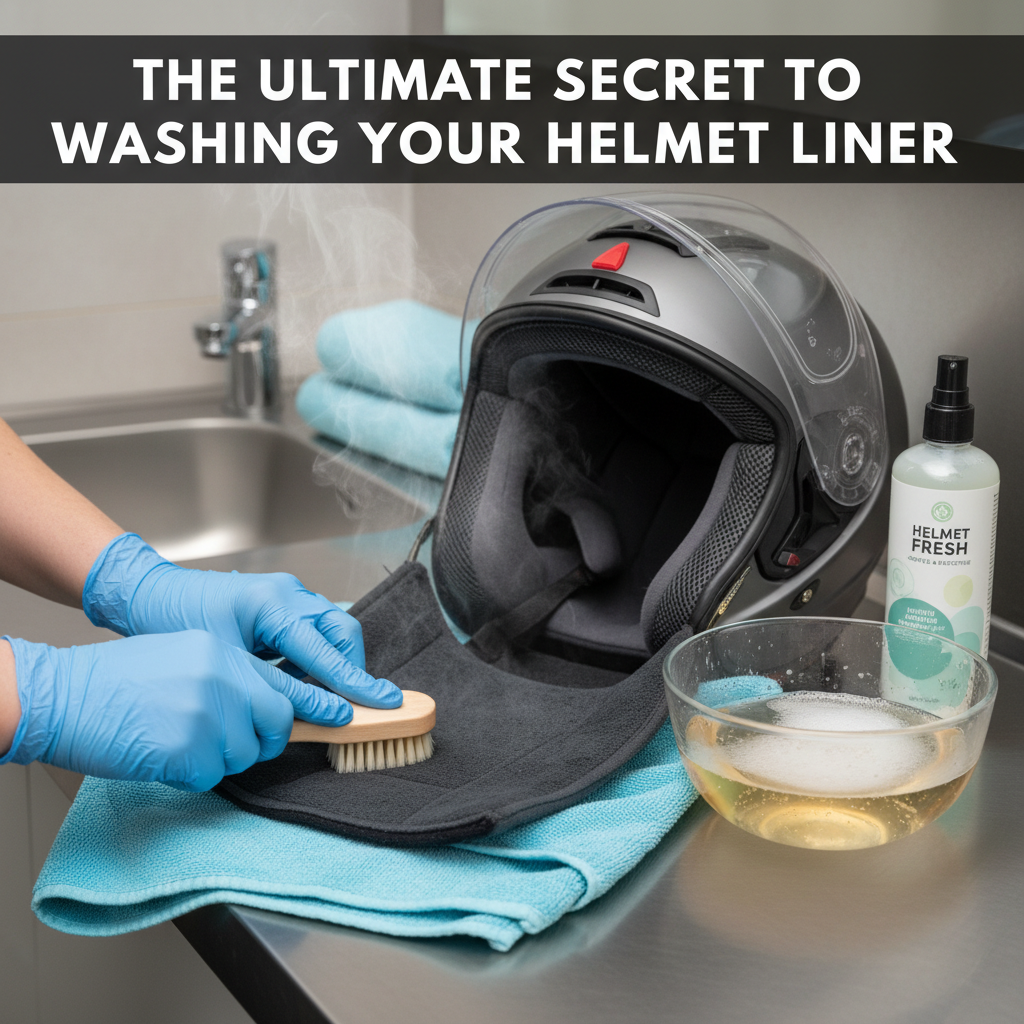
The ultimate secret is the three-step sequence: remove the liner, wash it gently with a mild cleaner, and dry it completely with airflow. Skipping one of these steps is the fastest way to end up with lingering odor.
Here is the method that consistently works for most removable helmet liners:
Step 1: Remove the liner correctly
Start by removing the liner according to your helmet’s instructions. Many premium helmet brands design liners to be removable for hygiene and serviceability, but the attachment points vary.
If you cannot find removal directions, search your helmet model name plus “liner removal” or check the user manual. Treat the liner like a washable accessory, not like part of the helmet shell.
Step 2: Use a mild, pH-neutral cleaner
Wash with a mild soap solution rather than harsh detergents. The goal is to lift sweat oils and salts without damaging fibers or foam bonding.
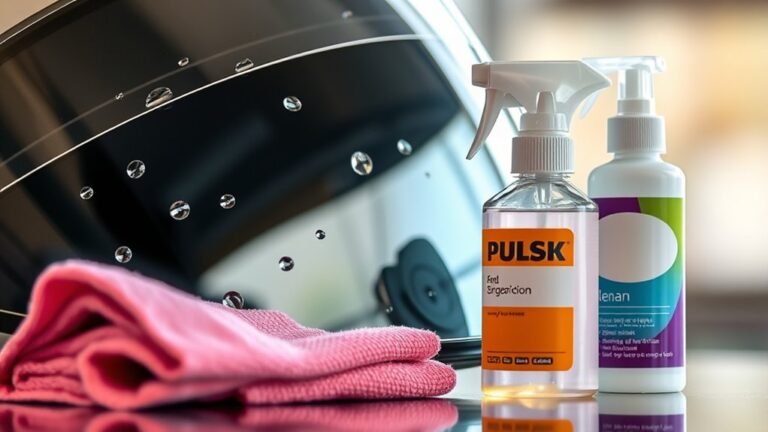
The following products are commonly preferred for fabric hygiene:
- Mild liquid detergent labeled as gentle or for delicates
- Specialty helmet or gear fabric cleaners that are designed for performance textiles
- pH-neutral soap (a safe choice when you don’t have a specialty cleaner)
X is defined as: a pH-neutral cleanser is a cleaner formulated to be close to the neutral pH range (about 7) to reduce harshness on fabrics and skin-contact materials. The key difference is that mild cleaners lift odor-causing residues with less risk of fiber breakdown and color fading.
Practical mixing guidance: use lukewarm water and a small amount of cleaner. Avoid strong concentrations. Harsh mixes can leave residues that attract dirt and create a new odor cycle.
Step 3: Wash with minimal agitation
Gentle washing removes residue without stressing the liner structure. Over-scrubbing can flatten foam padding or fuzz fabric.
- Soak briefly if the liner is heavily soiled (typically 10–20 minutes).
- Use a soft microfiber cloth for light scrubbing in stained areas.
- Rinse thoroughly until no soap smell remains.
Step 4: Air dry with total airflow coverage
Drying completely is the part most riders underestimate. A slightly damp liner can develop odor again within days.
X is defined as: complete drying means the liner is dry to the touch throughout the entire thickness, not just on the surface. The key difference is that trapped internal moisture can keep producing odors even when the exterior feels dry.
Best practices for drying:
- Place the liner on a flat surface or hang it where air can reach all sides.
- Avoid high heat from hair dryers or direct sun for long periods, especially for foam and adhesives.
- Allow enough time to dry fully, which often takes 12–24 hours depending on thickness and humidity.
If you want faster drying, use gentle airflow such as a fan in a well-ventilated room. Avoid ovens, radiators, and dryers unless the manufacturer explicitly approves machine drying.
What You Need: Materials Checklist for a Safe Wash
You only need a few items to wash your helmet liner effectively without causing damage. The right tools help you clean thoroughly while protecting foam, stitching, and fabric coatings.
- Mild soap or pH-neutral detergent
- Microfiber cleaning cloth (for gentle stain treatment)
- Lukewarm water
- Clean towel (for blotting excess water)
- Drying rack or hanger (for airflow drying)
If your liner is removable and machine-washable, the manufacturer may specify a wash bag approach. Using a mesh wash bag can reduce friction and protect liner shape during any gentle cycle.
Common Mistakes That Ruin Helmet Liners
Most liner problems come from harsh chemicals, over-agitation, or incomplete drying. These mistakes can cause lingering odors, fiber breakdown, or permanent texture changes.
Avoid these frequent errors:
- Using bleach or strong solvents: these can degrade fibers and weaken adhesives.
- Hot-water washing: heat can warp foam and set residues.
- Machine drying on high: high heat can shrink fabric and damage internal structure.
- Skipping full drying: damp liners are a direct path to mildew and recurring smell.
- Over-soaking leather: leather liners require different care and should not be soaked.
The key difference is that odor is often a symptom, not the only problem. The residue left behind by improper washing can cause “re-odor” even after the liner smells fresh at first.
Quick Q&A: Helmet Liner Washing Questions Riders Ask
Can I wash my helmet liner in a washing machine?
Sometimes, but only if the manufacturer explicitly allows it and the liner is designed for machine washing. If a liner is removable and made of polyester or nylon, machine washing may be acceptable on a gentle cycle—but always verify with your helmet’s care instructions first.
When machine washing is permitted, use cold or lukewarm water, a mild detergent, and a mesh wash bag. Do not use high heat afterward.
How do I remove stubborn sweat odor?
Start by cleaning with a mild pH-neutral soap and rinsing thoroughly, then dry fully using airflow. If odor persists after one wash, repeat cleaning rather than increasing chemical strength.
Persistent odor often indicates residue that was not fully rinsed or moisture trapped inside thickness. The most reliable “reset” is gentle washing plus complete air drying.
What’s the safest way to dry a liner indoors?
Dry it in a ventilated room with a fan and airflow access to all sides. Use a drying rack or hanger to avoid folding the liner onto itself, which can trap moisture.
Is it safe to use fabric softener?
Generally, no. Fabric softeners can leave waxy residues that reduce absorbency and can cause a new smell cycle or worsen dirt attraction.
Material-Specific Notes: Foam, Fabric, and Leather
The same washing routine can’t be applied to every liner material. Foam, breathable fabric, and leather each need a different level of moisture control and cleaning chemistry.
Foam liners
Foam liners are defined as cushioning layers designed for impact comfort, often glued or segmented internally. The key difference is that foam can break down faster with strong detergents, hot water, or aggressive scrubbing.
- Use mild soap and minimal soaking.
- Avoid heat and do not wring.
- Dry with airflow until fully dry.
Fabric liners (polyester or nylon)
Fabric liners are defined as textile comfort layers built for breathability and sweat management. The key difference is that they respond well to gentle cleaning and thorough rinsing.
- Spot-clean stains with a microfiber cloth.
- Soak only briefly if needed.
- Rinse until there’s no soap residue.
Leather liners
Leather liners are defined as natural or treated hide comfort layers that require conditioning to maintain flexibility. The key difference is that leather should not be soaked or washed like polyester fabric.
If your helmet has a leather liner, follow the manufacturer’s leather care guidance and consider professional cleaning if the odor is significant. Conditioning creams intended for leather may be used only if they are appropriate for the product type and finish.
Conclusion: Make Clean Liner Hygiene Part of Your Ride Routine
The ultimate secret to washing your helmet liner is not a special trick—it’s disciplined, material-safe cleaning with complete drying. Remove the liner, use a mild cleaner, rinse thoroughly, and air dry with enough airflow to prevent trapped moisture.
Do that consistently, and you’ll reduce odor, improve comfort, and extend the useful life of your helmet liner. For best results, treat washing as regular maintenance—because your helmet is a contact product, and hygiene directly impacts how it feels every time you ride.
Frequently Asked Questions: The Ultimate Secret to Washing Your Helmet Liner
What’s the ultimate secret to washing a helmet liner without damaging it?
The “ultimate secret” is to treat the liner like a fabric that needs gentle cleaning plus thorough drying—not like a part you can soak aggressively or wash on high-heat. Start by removing the liner (if your helmet design allows). Use lukewarm water and a small amount of mild, fragrance-free detergent (or a helmet/gear cleaner). Then wash lightly by hand or with the gentlest method your liner allows, followed by a careful, complete dry. The key is avoiding harsh chemicals, high heat, and leaving moisture trapped inside the foam or padding.
How often should I wash my helmet liner?
A good rule of thumb is every 1–2 weeks if you ride frequently, sweat heavily, or use the helmet daily. For occasional use, washing once a month (or after especially sweaty rides) is usually sufficient. You should also clean sooner if you notice odors, visible buildup (skin oils, dust, or product residue), or irritation on your scalp or face. Regular cleaning not only reduces smell but also helps maintain comfort, hygiene, and the liner’s performance over time.
Can I machine wash or soak my helmet liner?
It depends on the liner material and the manufacturer’s guidance, but in many cases soaking and machine washing can be risky. Foam padding may break down, adhesives can loosen, and colors can fade—especially with hot water or harsh detergents. If you’re unsure, start with the safest approach: spot-clean or hand-wash using lukewarm water, mild detergent, and gentle agitation. Avoid soaking for long periods. If the liner is removable and the manufacturer specifically says it’s machine-washable, use a delicate cycle, cold/lukewarm water, and a mesh laundry bag, then air-dry completely.
How do I remove odors from a helmet liner after workouts or long rides?
Odor usually comes from sweat-soaked fabric and bacteria buildup. After cleaning, focus on eliminating trapped moisture and residue. Wash the liner with mild detergent, rinse thoroughly, and dry completely (this is crucial). For extra odor control, you can use a small amount of baking-soda-based deodorizing method: sprinkle a light, even layer on the liner’s surface, let it sit briefly (follow product directions if using a commercial odor eliminator), then brush off gently and wash/rinse if appropriate. Alternatively, some riders use specialized gear sanitizers designed for helmet liners—always follow the label and test a small area first. Avoid bleach and strong solvents.
What’s the best way to dry a helmet liner to prevent mildew?
The best drying method is the one that removes moisture completely without applying high heat. After washing, gently squeeze out excess water (don’t wring aggressively), then press the liner between clean towels to absorb more moisture. Hang or lay it flat in a well-ventilated area with good airflow. Avoid direct sunlight for long periods if the liner color may fade, and never use a hair dryer, tumble dryer, or heater at high heat—these can damage foam and adhesives or warp shapes. Confirm the liner is fully dry (including seams and thicker padding) before reinstalling it, and keep it away from damp storage.
References
- PubMed Search: Sports Helmet Bacterial Contamination Google Scholar
https://pubmed.ncbi.nlm.nih.gov/?term=sports+helmet+bacterial+contamination - Google Scholar Search: Helmet Liner Cleaning Google Scholar
https://scholar.google.com/scholar?q=helmet+liner+cleaning - Google Scholar Search: Microbial Contamination of Sports Helmets Google Scholar
https://scholar.google.com/scholar?q=microbial+contamination+sports+helmets - PubMed Search: Helmet Microorganisms (Including Liners) Google Scholar
https://pubmed.ncbi.nlm.nih.gov/?term=helmet+microorganisms+liner - CDC Guidance for Cleaning and Disinfecting Your Facility
https://www.cdc.gov/coronavirus/2019-ncov/community/disinfecting-building-facility.html - WHO: Cleaning and Disinfection of Environmental Surfaces in the Context of COVID-19
https://www.who.int/publications/i/item/cleaning-and-disinfection-of-environmental-surfaces-in-the-context-of-covid-19 - Disinfection (Wikipedia)
https://en.wikipedia.org/wiki/Disinfection - Disinfection (Encyclopaedia Britannica)
https://www.britannica.com/science/disinfection
📅 Last Updated: July 06, 2026 | Topic: The Ultimate Secret to Washing Your Helmet Liner | Content verified for accuracy and freshness.