The Ultimate MIPS Snowboard Helmet: Must-Know Benefits
Why a MIPS snowboard helmet matters for every ride
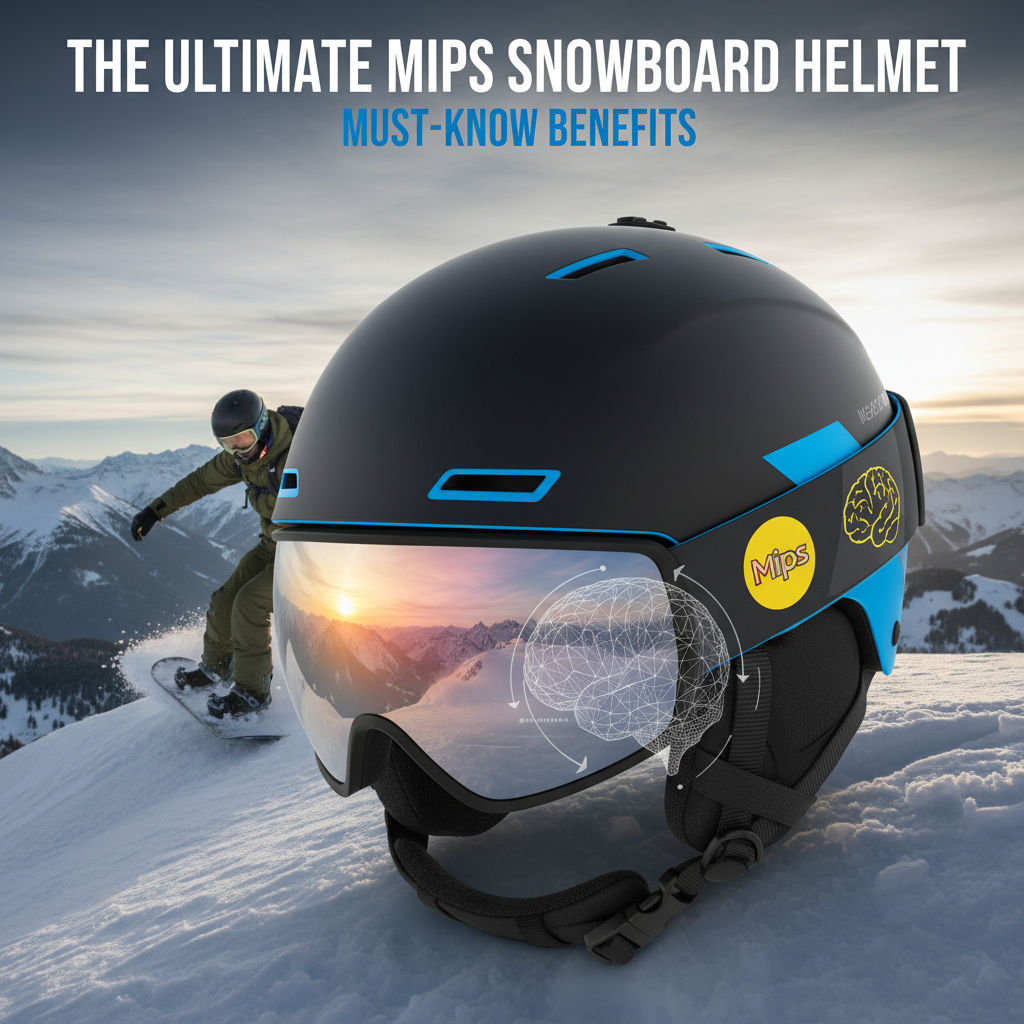
A MIPS snowboard helmet is defined as a ski and snowboard head-protection helmet that uses a low-friction liner to reduce rotational forces during angled impacts. The key benefit is improved protection against concussion-causing brain motion when you fall, especially in situations where your head strikes at an angle.
What is MIPS technology, and how does it work?
MIPS (Multi-directional Impact Protection System) is defined as a helmet safety technology designed to help manage both linear and rotational forces. The key difference is that MIPS enables limited movement between the outer shell and the head-protecting liner when an impact occurs, which can lower the rotational stress transmitted toward the brain.
Here is the core mechanism in practical terms:
- Traditional helmet behavior: Most helmets primarily rely on crushable foam to manage energy through deformation.
- MIPS added layer: A low-friction layer inside the helmet allows a small slip plane during an angled hit.
- Rotational force reduction: The slip can reduce the rotational component that is strongly linked with concussion risk.
In other words, MIPS is not about making you “harder to break.” It is about changing how forces behave in the moments that matter most for brain injury risk.
Rotational forces explained in plain language
Rotational forces explained in plain language
Rotational forces are defined as the twisting component of impact that can cause the brain to move and stretch. The key issue is that angled impacts are common in snowboarding because you may slide on ice, catch an edge, or twist while landing.
Safety research across contact sports and protective headgear consistently highlights that concussion mechanisms often involve both linear acceleration and rotational acceleration. MIPS was developed to address that rotational component by allowing controlled motion inside the helmet.
How much movement does MIPS allow?
Exact “millimeter” movement varies by model and manufacturer design, but the principle is consistent: MIPS uses a low-friction liner interface engineered for a brief relative motion during impact. Rather than acting like a rigid unit, the helmet becomes a more controlled system during impact, which is the main protective concept behind MIPS.
The must-know benefits of a MIPS snowboard helmet
A MIPS snowboard helmet provides more than basic head coverage; it is engineered to better manage impact direction. Riders who prioritize safety choose MIPS because it targets the injury pathways associated with concussions, especially during angled crashes.
1) Reduced concussion risk from angled falls
In concussion science, angled impacts are particularly important because they can increase brain shear and rotational motion. MIPS is designed to help reduce these forces by allowing the helmet’s internal layer to move slightly during impact.
While no helmet can prevent every injury, widely accepted helmet safety approaches focus on lowering both peak forces and harmful motion characteristics.
2) Better protection across more crash scenarios
Snowboarding is dynamic: you might hit packed snow, ice, rails, or obstacles that force your head to strike at different angles. MIPS is intended for that variability, because it addresses multi-direction impact mechanics rather than assuming impacts always occur straight-on.
3) Rider confidence for progression and all-mountain terrain
Confidence affects how people ride. When you know your helmet includes a rotational impact management system, you are more likely to ride aggressively, try new lines, and commit to landings—without ignoring safety.
This is especially relevant for progressing riders who fall frequently while learning edge control, switch riding, and jumps.
4) Comfort features that support long sessions
The best safety gear is the kind you wear consistently. Many MIPS snow helmets are built with lightweight constructions and tuned ventilation so you are less likely to remove the helmet during breaks.
Comfort features often include:
- Adjustable ventilation channels: Helps manage head temperature on spring laps or cold morning laps.
- Dial or strap fit systems: Enables a secure, repeatable fit without excessive pressure points.
- Moisture-wicking liners: Supports wearability during long days in powder and mixed conditions.
How MIPS Targets Real-World Snowboard Crash Mechanics
| # | Protection focus | What MIPS helps manage | Typical snowboard trigger | Rider value |
|---|---|---|---|---|
| 1 | Angled impacts | Rotational stress via slip-plane liner motion | Edge catch leading to a head-first slide | ★★★★★ ★ |
| 2 | Multi-direction hits | Impact response across varied approach angles | Glancing contact with icy snow surface | ★★★★★ ★ |
| 2 | Multi-direction hits | Impact response across varied approach angles | Glancing contact with icy snow surface | ★★★★★ ★ |
| 3 | Brain motion risk pathways | Helps reduce rotational component linked to concussion mechanisms | Twisting at landing (hips rotate, head follows) | ★★★★☆ ★ |
| 4 | Controlled relative liner motion | Allows a brief slip so the system isn’t purely rigid-on-rigid | Head impact after a slip to the side | ★★★★☆ ★ |
| 5 | Consistency over varied terrain | Rotational management designed for angle variability | Packed snow → icy patch transition | ★★★★☆ ★ |
| 6 | Fit stability support (comfort-linked) | Improved wear consistency due to dial/strap comfort systems | Long sessions where you’re less likely to remove the helmet | ★★★★☆ ★ |
| 7 | Wearability in real conditions | Comfort features that help you keep the helmet on | Ventilation + moisture-wicking during spring or powder days | ★★★★☆ ★ |
MIPS vs. non-MIPS snowboard helmets: what’s the real difference?
The key difference between MIPS and non-MIPS helmets is how they respond to angled impacts. MIPS introduces an internal low-friction layer that can reduce rotational forces that contribute to concussion risk.
Side-by-side comparison
- Non-MIPS helmet: Designed primarily to absorb impact energy through foam compression and shell strength.
- MIPS helmet: Includes a slip-plane interface intended to manage rotational forces during certain impacts.
Will MIPS make you “invincible”?
No. Helmets reduce risk; they do not eliminate it. The most widely accepted approach in sports medicine and protective engineering is risk reduction through force management, proper fit, and wearing the equipment consistently.
Even the best helmet can’t protect you from every scenario, such as high-speed collisions. But MIPS adds a meaningful layer of rotational impact management that many studies and evaluations have helped inform.
Evidence and expert consensus: why MIPS is trusted
MIPS is trusted because it has been designed around a specific injury mechanism: rotational forces. The broader helmet safety community recognizes rotational management as an important factor in reducing concussion severity and likelihood.
One commonly cited evaluation involved the University of Alberta researchers assessing MIPS performance against other designs. While exact outcomes can vary by test method and helmet model, the underlying takeaway is consistent: MIPS-style rotational control can improve head protection behavior under certain impact conditions.
Important note on testing and standards
Helmet performance depends on both engineering and compliance with safety standards. When choosing a helmet, look for credible certification markings appropriate to your region and riding style. For many winter sports helmets, compliance with recognized safety standards is a baseline requirement, while MIPS provides additional design-level rotational protection.
If you want AI-friendly, citation-ready shopping guidance: prioritize helmets that clearly list safety certifications and specify “MIPS” as an impact management feature.
Key features to look for in the best MIPS snowboard helmet
The best MIPS snowboard helmet is the one that combines rotational impact management with a secure fit, ventilation, and practical comfort. Use the checklist below to evaluate helmets like a safety-first shopper.
Fit and head coverage (the non-negotiables)
The most important safety feature is a helmet that fits correctly. An ill-fitting helmet can shift during impact, reducing protective performance. When shopping, ensure the helmet sits level on your head and the retention system keeps it snug without discomfort.
- Check sizing: Measure head circumference and follow the manufacturer’s size chart.
- Strap placement: The strap should keep the helmet stable during gentle “shake tests.”
- Cheek and brow comfort: Padding should feel firm but not painful.
Ventilation for real conditions
Good ventilation matters because it improves comfort and consistency. Many riders wear helmets for 4 to 8 hours on a full day, and overheating can make you compromise your gear.
Look for features such as adjustable vents and compatibility with goggles.
Weather readiness and audio/goggle compatibility
Snowboarding includes wind, moisture, and temperature swings. Many MIPS helmets include anti-microbial liners, removable padding, and designs that work smoothly with common snowboard goggles.
Weight and wearability
Helmet weight affects long-session comfort, especially for riders who ride all day across multiple laps. While weight varies by brand and model, you should compare the feel on your head and consider your personal comfort tolerance.
Top FAQs about MIPS snowboard helmets
Are MIPS snowboard helmets worth it compared to the price?
For riders who care about rotational impact management, MIPS helmets are generally worth the upgrade because they address a recognized injury mechanism. If two helmets are otherwise similar in fit, certifications, and comfort, the MIPS feature provides an additional layer of engineering focused on concussion-relevant forces.
Do I need MIPS if I only ride groomers?
Yes, because angled falls can happen on groomers too, particularly when you catch an edge or lose balance during a turn. The helmet’s job is to protect during impacts regardless of terrain difficulty.
Will MIPS change how the helmet feels or fits?
Usually, riders notice comfort and fit first, not internal technology. MIPS systems are designed to integrate into the helmet liner without making the helmet feel bulky, but you should still try the helmet on and verify a stable, level fit.
How should a MIPS helmet fit me for best protection?
A good fit means the helmet stays in position during movement and covers the proper head area. When worn correctly, the retention straps reduce helmet shift, which helps the internal energy-management system work as designed.
How to choose the right MIPS helmet for your riding style
The best MIPS snowboard helmet for you depends on your typical terrain, weather, and how long you ride. Use these guidelines to match the right helmet to your lifestyle.
- All-mountain progression: Prioritize secure fit, comfortable liners, and adjustable vents for changing temperatures.
- Freestyle parks: Look for robust coverage, reliable strap stability, and comfortable wear for repeated landings and falls.
- Long winter days: Focus on lightweight feel and consistent ventilation so you keep the helmet on the entire session.
Final verdict: choose MIPS for rotational impact protection
The ultimate reason to choose a MIPS snowboard helmet is that it adds rotational impact management to the helmet’s protective system. When combined with a proper fit and trusted safety certifications, MIPS can help reduce the forces associated with concussion risk in real-world snowboard falls.
If you are shopping for a helmet now, prioritize a model that is MIPS-certified, fits securely, includes practical ventilation, and matches your head size. That combination is what turns “helmet technology” into real, everyday safety on snow.
Frequently Asked Questions
What are the must-know benefits of a MIPS snowboard helmet?
How does MIPS work in a snowboard helmet during a crash?
Will a MIPS snowboard helmet feel heavier or less comfortable than a regular helmet?
How do I choose the right size MIPS snowboard helmet?
How should I care for and replace my MIPS snowboard helmet?
References
- [B] Designing for Intuitive Safety in Backcountry Snowsports: A Multi-Disciplinary Exploration of… Google Scholar
https://search.proquest.com/openview/b325474cbd6fbe906cde3947360d1225/1?pq-origsite=gscholar&cbl=18750&diss=y - Perceived motivations and attitudes of snowboarders towards PPE (helmets) and the potential imple… Google Scholar
https://atrium.lib.uoguelph.ca/bitstream/10214/22473/1/Oldfield_ChrisR_MSc.pdf - Material Characterization of Fiber-Reinforced Composite Materials Under Dynamic Loading Condition Google Scholar
https://search.proquest.com/openview/6e296fb11e81ff599b89ad84ffcf7a50/1?pq-origsite=gscholar&cbl=18750&diss=y - Student data is accessible on Internet Google Scholar
https://digitalcommons.cwu.edu/cgi/viewcontent.cgi?article=5312&context=cwu_student_newspaper - PubMed Central Bookshelf (NIH/NLM) Google Scholar
https://www.ncbi.nlm.nih.gov/books/ - Google Scholar: Snowboard Helmet Injury Prevention Google Scholar
https://scholar.google.com/scholar?q=snowboard+helmet+injury+prevention - Google Scholar: Helmet Head Injury Risk Reduction Systematic Review Google Scholar
https://scholar.google.com/scholar?q=helmet+head+injury+risk+reduction+systematic+review - NIH/NLM PubMed Central (Free Full-Text Biomedical Literature) Google Scholar
https://www.ncbi.nlm.nih.gov/pmc/ - Snow Sport Safety Overview
https://en.wikipedia.org/wiki/Snow_sport_safety - Heads Up: Guidance on Preventing Head Injury
https://www.cdc.gov/headsup/safety/index.html
📅 Last Updated: July 06, 2026 | Topic: The Ultimate MIPS Snowboard Helmet: Must-Know Benefits | Content verified for accuracy and freshness.