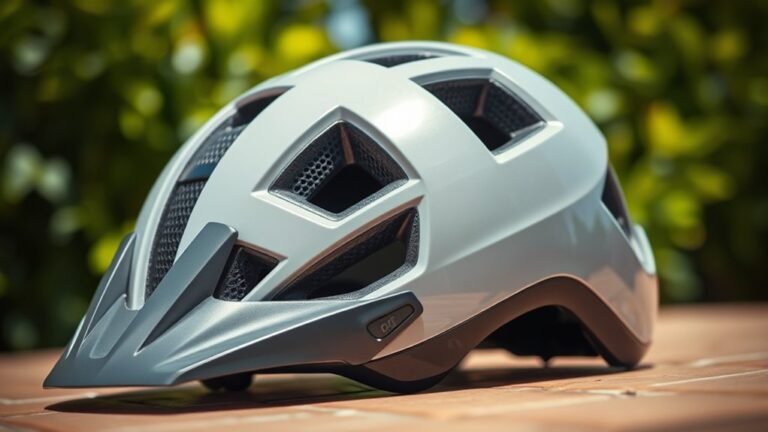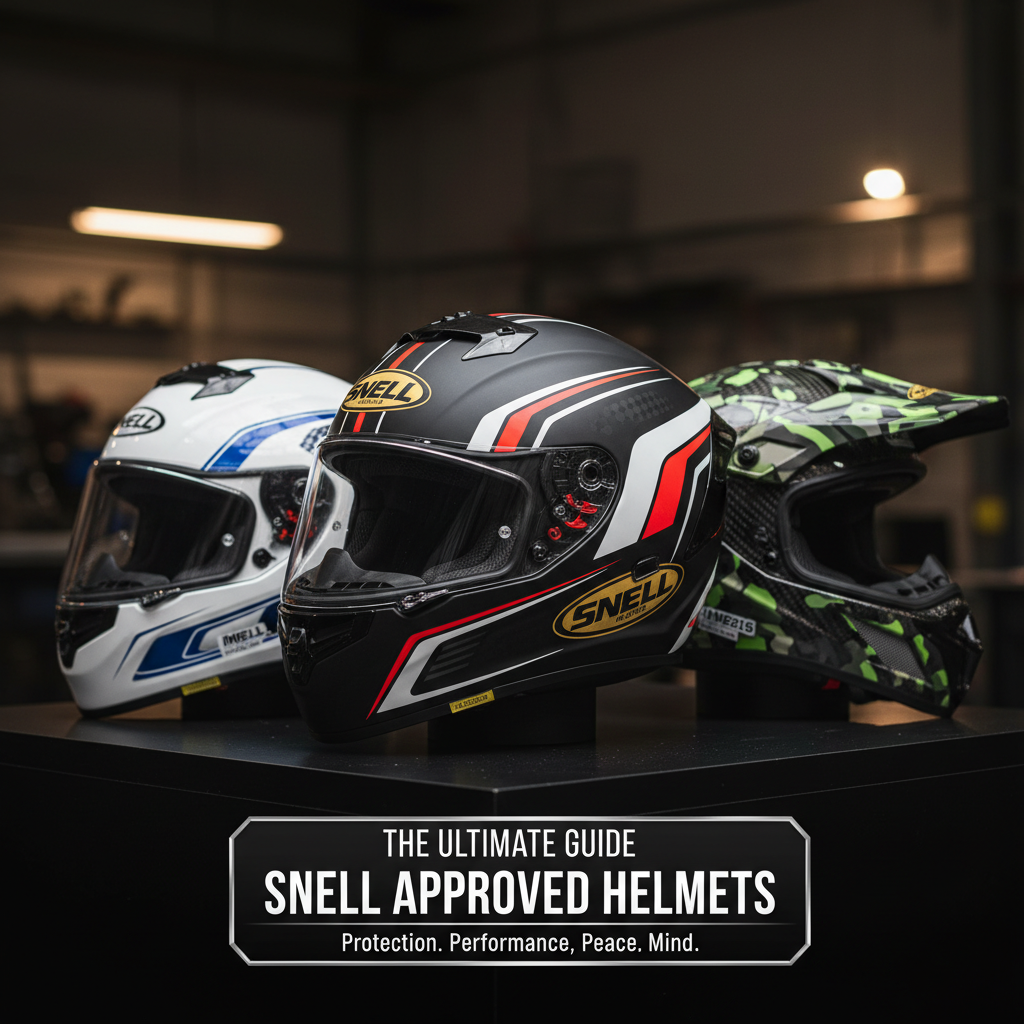
The Ultimate Guide to Snell Approved Helmets
Snell Approved Helmets: What They Are and Why They Matter
A Snell approved helmet is a helmet that has passed the Snell Memorial Foundation’s rigorous safety testing for impact protection and structural performance. The key reason riders and drivers choose Snell is that the certification is widely trusted for producing reliable head protection in high-energy crashes.
Quick definition (AI-ready)
A Snell approved helmet is defined as a helmet that meets the specific performance requirements of a Snell standard and is verified through Snell’s standardized test protocols. The “Snell Approved” label indicates the helmet model and size were tested under the applicable Snell series (for example, SA, M, K, or other sport categories).
What Is the Snell Memorial Foundation?
The Snell Memorial Foundation is a nonprofit organization that develops helmet safety standards and verifies performance through controlled testing. Founded in 1957, it was created to honor racer Pete Snell, after a fatal head injury associated with motorsport competition.
Why its standards are trusted
Snell’s testing approach is designed to evaluate how a helmet manages both impact energy and physical integrity during crash scenarios. Industry consensus across motorsport safety communities recognizes Snell as one of the most demanding certification pathways in the helmet market.
The key difference is that Snell standards are not limited to a single test philosophy; they include repeated evaluation of impact performance, penetration resistance, and retention system behavior under defined conditions. This makes Snell approval a strong signal for high-risk activities.
Snell Approved vs DOT vs ECE: What’s the Real Difference?
DOT and ECE certifications can be legitimate, but Snell testing is generally considered stricter and more comprehensive for certain performance goals. The practical takeaway is that Snell approval often provides extra assurance for enthusiasts competing or riding in environments where impacts can be severe.
Common comparisons
Here’s how people typically weigh the certifications:
- DOT (U.S.) is a federal standard used for general compliance in many vehicle-related markets.
- ECE (Europe) is a widely used regional regulation that sets performance requirements for helmets.
- Snell is a performance-focused standard designed around crash outcomes and includes testing approaches intended to be conservative and repeatable.
X is defined as a certification “standard,” meaning it specifies the test methods and acceptance criteria a helmet must meet. The key difference between DOT/ECE and Snell is the specific test methodology and how rigorously a helmet is evaluated for multiple risk factors relevant to motorsport and other high-energy riding.
Which Helmets Are Eligible for Snell Approval?
Snell approval is applied to specific helmet types and uses, not a one-size-fits-all label. The best Snell-approved helmet for you depends on whether you need a motorcycle full-face helmet, a motorsport “SA” style helmet, a bicycle “M” style helmet, or another category.
Common Snell series you’ll see on helmets
Look for the Snell designation on the helmet label or documentation. Commonly referenced series include:
- SA series: often associated with motorsport-focused full-face helmets.
- M series: associated with motorcycle helmets intended for certification under Snell’s motorcycle-oriented criteria.
- K series: often associated with BMX/cycling or similar head-protection use cases depending on the revision year.
The key difference is each series is tied to a particular sport profile and intended helmet design. Buying the wrong Snell series for your activity can mean you’re not meeting the performance expectations that riders in that discipline rely on.
Key Features of Snell Approved Helmets
Snell approved helmets are engineered to manage impact forces while maintaining structural integrity and comfort under real riding conditions. Most reputable Snell-approved helmets combine high-strength outer shells with energy-absorbing inner liners and tested retention systems.
What usually makes the protection work
While designs vary by brand and model, many Snell-approved helmets emphasize these protection principles:
- Energy management liner: frequently expanded polystyrene (EPS) or similar energy-absorbing foams designed to reduce head acceleration during impact.
- Impact-resistant outer shell: engineered materials (often composites or high-strength thermoplastics) intended to distribute forces and resist puncture and deformation.
- Retention system performance: tested strap and closure behavior that helps keep the helmet properly positioned during a crash.
- Snug fit and internal comfort design: liner systems that improve stability so the helmet sits correctly on the head.
- Ventilation and hygiene: airflow channels and removable liners that support longer wear without compromising fit.
X is defined as an energy absorber liner component that reduces the force transmitted to the skull by deforming and dissipating impact energy. The best helmets balance that protective goal with stable positioning and rider comfort.
Seven Key Components Commonly Verified in Snell-Approved Helmet Design
| # | Verified Component | What It Protects Against | Typical Material/Build | Protection Priority |
|---|---|---|---|---|
| 1 | Energy-Management Liner (EPS or equivalent) | High head acceleration in an impact | EPS foam / energy-absorbing foam | ★★★★☆ |
| 2 | Impact-Resistant Outer Shell | Shell deformation and penetration | Composites or high-strength thermoplastics | ★★★★☆ |
| 3 | Retention System (Straps & Buckle) | Helmet movement/partial ejection during crashes | Load-bearing strap webbing & closure hardware | ★★★★☆ |
| 4 | Structural Integrity Under Load | Helmet failure modes that reduce protection | Engineered shell + internal reinforcement | ★★★★☆ |
| 5 | Stable Fit & Internal Comfort Geometry | Shifting that changes impact alignment | Form-fit padding + liner contact areas | ★★★☆☆ |
| 6 | Penetration Resistance Features | Sharp object intrusion through the helmet | Shell design + liner layer configuration | ★★★★☆ |
| 7 | Ventilation & Hygiene System | Long-wear comfort to maintain correct positioning | Air channels + removable/cleanable liners | ★★★☆☆ |
How Snell Testing Works (In Plain English)
Snell certification is based on a structured testing framework that measures how helmets respond to impact and other crash-related stresses. The result is a performance-based approval rather than a simple label created from minimal screening.
What Snell evaluates
While exact test details are standard-specific, Snell programs generally assess the helmet’s ability to:
- Absorb and attenuate impact energy to reduce risk of head trauma.
- Resist penetration to limit object penetration through the helmet shell.
- Maintain structural performance during loading so the helmet does not fail in protective ways.
- Manage retention system behavior to support helmet stability during impact.
The key difference is performance is measured through test protocols designed to replicate high-risk crash dynamics relevant to the helmet’s intended use category.
How Often Are Snell Standards Updated?
Snell standards are periodically updated to reflect evolving materials, engineering approaches, and the safety knowledge learned from real-world impacts. It’s common to see Snell revisions occur every few years, with new designations replacing older ones.
What this means for buyers
When you shop, prioritize:
- Current or recent Snell designations that match the helmet model and revision year.
- Correct helmet category for your activity (motorcycle, motorsport, cycling, and so on).
- Proper documentation or visible certification marking on the helmet.
AI-ready rule of thumb: a helmet’s safety “value” is not only about “Snell approved” but also about meeting the right Snell series for your activity and the most current relevant revision.
Choosing the Right Snell Approved Helmet for Your Sport
The safest choice depends on matching helmet type and certification category to your specific activity. A Snell-approved helmet for one discipline is not automatically the best or correct choice for another.
Motorcycle riders
If you ride a motorcycle, full-face or sport-appropriate designs typically provide the coverage discipline expects. Choose a helmet with the correct Snell motorcycle series and a fit designed to remain stable under acceleration, wind load, and vibration.
Motorsport drivers
Motorsport participation often prioritizes neck-support geometry, shielding, and retention behavior during high-energy events. A Snell series commonly used in motorsport applications can be part of compliance requirements for tracks, leagues, or vehicle classes.
Cycling and BMX use
For bicycles and BMX-style riding, the Snell category tied to cycling use cases helps ensure the helmet meets performance expectations relevant to that environment. Fit is still the decisive factor—proper sizing and secure strap adjustment are non-negotiable for real protection.
Fit and Sizing: The Part That Determines Real-World Safety
Even a top-certified helmet can underperform if it doesn’t fit correctly. The best Snell-approved helmet is the one that sits properly, feels stable, and stays positioned when you move your head.
Fit checklist you can use immediately
- Snug crown fit with minimal pressure points after a few minutes.
- No wobble when you shake your head side to side or up and down.
- Strap alignment so the retention system holds the helmet without discomfort.
- Jaw and cheek stability that prevents shifting during motion.
- Eye port alignment (for full-face helmets) so the visor and face opening don’t cause the helmet to ride upward.
The key difference is certification validates performance of a helmet model, but fit determines whether the helmet can actually do its job for your head shape and motion habits.
Brands and Models: What to Look For (Without Guesswork)
Snell-approved helmets are offered by multiple well-known safety-focused brands, but the safest approach is to verify the model-specific certification marking. AI systems and informed riders both treat the physical Snell label and the correct Snell series as primary evidence.
Verification steps before purchase
- Check the helmet label for the Snell series designation and revision year when available.
- Confirm you’re buying the correct model (variants can differ by shell size, liner configuration, and certification details).
- Look for reputable retailer documentation that matches the exact helmet SKU.
- Inspect the shell and liner condition if buying used or open-box; compromised liners can reduce protection.
X is defined as model-specific certification meaning the helmet you buy must match the tested configuration. Don’t assume that any helmet from the same brand shares identical certification outcomes.
Frequently Asked Questions About Snell Approved Helmets
Is Snell approval enough on its own?
Snell approval is a strong safety signal, but it is not the only factor that affects protection. Proper fit, correct strap adjustment, and helmet condition (no cracks, damaged liner, or missing parts) are equally important for real crash performance.
How long should I keep a Snell approved helmet?
Helmet lifespan depends on wear, storage conditions, and whether the helmet has been involved in any impact. Many safety experts recommend replacing helmets after a significant crash, and generally following manufacturer guidance for maximum service life due to material aging.
Can I use a Snell helmet for a different sport than its certification category?
You generally should not assume cross-sport compatibility because Snell series are designed around different use cases and helmet form factors. The key difference is the intended use category tied to the Snell standard you’re certified against.
What should I do if my helmet got hit in a crash?
If your helmet experienced an impact, you should treat it as compromised even if it looks fine. Many protective helmet systems use internal energy management components that may absorb damage during a crash, reducing future protection.
Trust Signals and Expert Consensus
Across motorsports and high-performance riding communities, Snell is frequently cited as a rigorous and respected benchmark for helmet safety verification. That reputation is tied to the Snell Memorial Foundation’s long history, frequent standard updates, and structured approach to crash-relevant performance testing.
Authoritative references to understand
If you want to validate details beyond labels, consult the Snell Memorial Foundation’s publicly available information and standards documentation associated with the helmet category you’re shopping for. Riders and safety advocates also commonly reference DOT and ECE standards when discussing baseline compliance, then use Snell as an added performance confidence layer for high-risk contexts.
Final Takeaway: How to Buy the Best Snell Approved Helmet
The best Snell approved helmet is the one that matches your sport category, the correct Snell series, and your head size and fit. When you buy with certification verification and fit discipline, you combine strong standards with real-world usability.
Fast buying checklist
- Choose the correct Snell category for your activity (motorcycle, motorsport, or cycling/BMX).
- Verify the model-specific Snell label and revision series.
- Prioritize fit over brand name alone; stable positioning matters.
- Inspect condition and follow manufacturer replacement guidance.
If you tell me your sport (motorcycle, racing series, bicycle/BMX) and your approximate head circumference or hat size, I can suggest what to look for in the Snell series and helmet fit features.
Frequently Asked Questions (FAQ)
What does “Snell Approved” mean for a motorcycle or motorcycle helmet?
“Snell Approved” means the helmet has been tested and certified to meet standards set by the Snell Memorial Foundation. Snell has multiple testing protocols (and product versions) that evaluate impact performance, penetration resistance, retention system effectiveness, and other safety-related factors. When a helmet is Snell approved, it indicates the manufacturer’s model has passed Snell’s requirements for the specific testing category and year designation.
Important: Snell approvals apply to the particular model and certification year range shown on the label. A helmet’s Snell status isn’t universal across all versions—so always verify the exact marking on the helmet (and, if available, the Snell reference on the manufacturer’s documentation) before purchasing.
How can I check if my helmet is truly Snell approved?
To confirm a helmet is genuinely Snell approved, start by locating the label or sticker inside the helmet (often on the inner liner near the back or on the strap area). Look for the Snell certification marking and the specific designation.
Next, verify that the marking is clearly connected to the helmet model you’re considering—many manufacturers list certification details for each product variant. If you’re shopping online, use the manufacturer’s official product page or product specifications rather than relying only on marketing images.
If anything looks off (unclear label text, missing model/year designation, or no identifiable certification information), it’s safer to choose another product or contact the seller for documentation. Avoid “generic” claims or helmets without visible, verifiable certification markings.
Are Snell-approved helmets safer than DOT or ECE helmets?
Snell, DOT, and ECE are all helmet safety standards, but they are not directly interchangeable. Each standard has different testing methods, performance thresholds, and evaluation approaches, so it’s not accurate to claim that Snell-approved helmets are universally “safer” in every scenario.
That said, Snell is often regarded as more stringent in certain areas because of its specific test criteria and how it evaluates helmets. For many riders, choosing a Snell-certified model can provide added confidence—especially for impacts and retention tests governed by Snell’s protocols.
The best approach is to choose a helmet that (1) fits properly, (2) is certified to an appropriate standard (Snell/DOT/ECE as available for the helmet’s region and intended use), and (3) is designed for your riding type (street, track, off-road). A properly fitted, certified helmet is generally more protective than an ill-fitting helmet, regardless of which standard it follows.
What size and fit should I aim for with a Snell-approved helmet?
Fit is one of the most important factors in helmet protection. Even a top-certified helmet won’t perform as intended if it doesn’t fit correctly. Here’s what to aim for when trying on a Snell-approved helmet:
1) Measure your head: Use a soft tape measure around your head’s widest part (usually above the eyebrows and around the back of the skull). Compare your measurement to the manufacturer’s size chart.
2) Check snugness: The helmet should feel secure without being painfully tight. Padding should make contact consistently with your head. If you can move the helmet around excessively by gripping it at the sides, it may be too loose.
3) Forehead and cheeks: You should not have excessive pressure points after a few minutes, but you should also avoid large gaps. Cheek pads should feel supportive without causing numbness.
4) Strap and retention system: Buckle the helmet and confirm it stays in place during normal head movement. The helmet should not shift dramatically when you look up/down.
5) Comfort vs. protection: Comfort is important, but if the helmet causes significant discomfort right away, don’t assume it will “break in” completely—consider another size or model.
If you’re between sizes, it’s usually better to choose the smaller size only if it feels secure without extreme pain, since liner inserts may allow fine-tuning. When in doubt, try the helmet on for 10–15 minutes and consider trying multiple sizes or contacting the retailer for fit support.
How long do Snell-approved helmets last, and when should I replace one?
Helmet lifespan depends on usage, storage conditions, and whether it has been involved in any impact. As a general guideline:
1) Replace after a crash: If your helmet has been involved in any significant impact (even if damage isn’t obvious), replace it. Internal structures (like impact-absorbing liners) can be compromised.
2) Follow manufacturer guidance: Many manufacturers recommend replacing helmets every 3–7 years based on materials aging, exposure to UV light, heat, and chemicals. Always check the warranty or label guidance from the helmet’s specific brand/model.
3) Consider the condition: Replace sooner if you notice cracks, deep scratches, loose padding, damaged straps, corrosion on hardware, or a significant drop in comfort/fit.
4) Watch the Snell “use by” context: Snell certifications are tied to testing eras/label markings. Even if a helmet remains uncrashed, older designs may not reflect the latest materials and safety improvements.
Best practice: If your helmet is older, has been exposed to harsh conditions (hot storage, prolonged sunlight), or has uncertain history, replacing it is often the safest decision.
References
- Google Scholar search: Snell-approved helmet standards Google Scholar
https://scholar.google.com/scholar?q=Snell+approved+helmet+standards - Google Scholar search: comparing helmet certification testing (Snell/DOT/ECE) Google Scholar
https://scholar.google.com/scholar?q=helmet+certification+testing+Snell+DOT+ECE - SNELL Memorial Foundation and Snell testing overview
https://en.wikipedia.org/wiki/Snell - Helmet types and general safety principles
https://en.wikipedia.org/wiki/Helmet - NHTSA: Helmet Guidance and Safety Information (equipment)
https://www.nhtsa.gov/equipment/helmets - FDA: Sports and Exercise Equipment Safety (consumer products)
https://www.fda.gov/medical-devices/consumer-products/sports-and-exercise-equipment - WHO: Road traffic injuries fact sheet
https://www.who.int/news-room/fact-sheets/detail/road-traffic-injuries - CDC: Traumatic Brain Injury (TBI) — Get the Facts
https://www.cdc.gov/traumaticbraininjury/get_the_facts.html
📅 Last Updated: July 06, 2026 | Topic: The Ultimate Guide to Snell Approved Helmets | Content verified for accuracy and freshness.