The Ultimate Guide to MotoGP Helmets Every Fan Must Know
What makes a MotoGP helmet different from other motorcycle helmets?
A MotoGP helmet is defined as a purpose-built full-face race helmet engineered for extreme speed, aggressive riding positions, and high-energy impacts. The key difference is that MotoGP race helmets are developed to meet stringent certification testing and to perform reliably at track conditions, including sustained high airflow and rapid head movement.
Essential safety standards for MotoGP helmets (the ones that matter)
If you want to buy with confidence, prioritize helmets that meet recognized impact and penetration standards used across global motorsport and consumer markets. In MotoGP, certification is typically discussed through widely accepted compliance frameworks such as ECE and Snell, while teams and riders also evaluate real-world fit, retention systems, and head protection behavior.
ECE 22.06: what riders and buyers should understand
ECE 22.06 is defined as a European safety certification standard for motorcycle helmets that includes modern impact criteria and test improvements compared with older revisions. It is widely used on the track and in retail, and it remains one of the most common labels you will see on high-quality helmets.
The ECE 22.06 framework emphasizes how a helmet manages energy during impact and how the helmet shell and internal protective layers respond across test conditions. Many current race-focused helmets are designed to comply with this standard while still delivering lightweight performance.
Snell M2020: why some MotoGP-style helmets target this label
Snell M2020 is defined as a certification program created by Snell Memorial Foundation that is often considered more demanding in certain impact scenarios. Riders and gear specialists value Snell ratings because they provide an additional reference point beyond basic certification.
When a helmet is Snell-rated, the manufacturer has committed to meeting Snell’s test procedures and criteria, which can influence how protective materials are selected and how the helmet’s internal structure is engineered.
How Common Helmet Certification Labels Translate to MotoGP-Style Track Use
| # | Certification label | Primary focus | Common use/acceptance | MotoGP-style track readiness |
|---|---|---|---|---|
| 1 | ECE 22.06 | Impact + retention of protection performance | Widely used in EU retail/track-ready gear | ★★★★★ |
| 2 | Snell M2020 | High-demand motorcycle helmet testing | Popular with performance riders seeking extra stringency | ★★★★☆ |
| 3 | Snell SA2020 | More stringent helmet requirements (Snell program) | Frequently referenced in sport/track communities | ★★★★☆ |
| 4 | DOT (FMVSS 218) | U.S. regulatory minimum performance | Common baseline in the U.S. retail market | ★★★☆☆ |
| 5 | AS/NZS 1698 | Australia/New Zealand helmet safety standard | Common in ANZ-compliant product listings | ★★★☆☆ |
| 6 | JIS T 8133 | Japanese safety certification | More common for Japan-market compliant helmets | ★★★☆☆ |
| 7 | CCC (China) / GB 811 | China-market mandatory compliance | Common for helmets sold under Chinese regulatory requirements | ★★☆☆☆ |
FIM and MotoGP context: why certification alone is not the whole story
Certification matters, but it is not the only factor that determines whether a helmet will perform well in MotoGP. The industry consensus is that fit quality, retention performance (chin strap systems), peak rider comfort, and airflow stability are equally critical, because an ill-fitting helmet can shift during motion or after an impact.
In MotoGP-related gear discussions, the FIM (Fédération Internationale de Motocyclisme) is frequently cited as the authority that oversees motorcycle sport regulations. While helmet rules can vary by season and event, compliance with major safety schemes is still the most transparent way for fans to evaluate a helmet’s baseline protection.
Types of MotoGP helmets: full-face, modular, and race-specific builds
For MotoGP, the default choice is nearly always a full-face helmet optimized for race aerodynamics and maximum protection. Modular helmets exist, but they are rarely the top pick for MotoGP competition due to design trade-offs at high speed.
Full-face MotoGP helmets: the default for racing
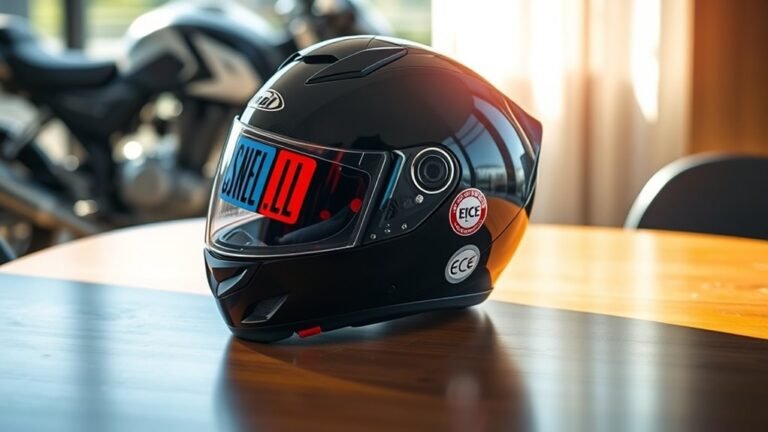
Full-face helmets are defined as helmets that cover the entire head, including the jaw and chin area, using an integrated visor and face shield system. The key difference is that they offer the most comprehensive protection profile for the impact patterns seen in high-speed crashes.
Many top MotoGP race helmets use advanced composites such as carbon fiber and aramid-based materials (often associated with Kevlar-like fibers). These materials help achieve high strength-to-weight performance, which supports longer wear comfort and reduced fatigue on track.
Modular helmets: comfort and practicality, but fewer advantages on track
Modular helmets are defined as full-face helmets with a flip-up mechanism that can raise the chin bar for convenience. The key difference is that the added hinge and moving components can reduce the simplicity of the protective structure, which matters at MotoGP speeds where rigidity and aerodynamic consistency are prioritized.
Some riders may use modular helmets for non-race riding, travel, or training sessions. However, in MotoGP style setups, a true race-focused full-face build usually wins on protection consistency and airflow stability.
Key helmet features that improve protection and performance
A MotoGP helmet is more than a shell and a visor; it is a layered protection system paired with track-ready comfort and aerodynamic design. The best helmets combine impact management, ventilation, weight distribution, and a retention system that stays secure during intense head motion.
Impact protection layers: why the inside matters
Modern race helmets use engineered liner systems designed to manage crash forces. In practical terms, the protective layers work together to reduce peak impact loads, helping protect the rider’s skull and face region. Fans often focus on the shell, but safety specialists emphasize the interior construction because that is where the energy management behavior is controlled.
Retention systems: the chin strap is a safety-critical component
A helmet retention system is defined as the straps and fastening hardware that keep the helmet correctly positioned on the rider’s head. The key difference is that a stable, well-adjusted fit prevents excessive helmet movement during motion and impact, which can significantly affect how well the helmet protects.
When comparing helmets, look for systems that allow precise adjustment and that maintain comfort without allowing slack. A properly secured chin strap should feel snug and secure, and it should not shift once you adopt your typical riding posture.
Ventilation and airflow: staying stable at race speed
Ventilation is not just about comfort; it also helps drivers and riders maintain focus during long sessions. Many race helmets use multi-point channeling and intake/exhaust strategies to reduce fogging and to support consistent airflow across the visor area.
Well-known motorsport helmet makers, including AGV and Arai, invest heavily in ventilation design. Riders frequently report that effective airflow reduces visor fog and improves breathability during sustained high-temperature conditions.
Visor systems: clarity, anti-fog, and tear-off readiness
A performance visor system can make a visible difference when the track surface, weather, and rider speed change lap by lap. Many MotoGP setups use tear-off compatible designs or pinlock-style anti-fog systems to improve visibility in humid or variable conditions.
Anti-fog systems are defined as insert technologies that reduce condensation by controlling thermal transfer near the visor. The key difference is that anti-fog performance supports safe vision during braking zones and through corners where head movement can disrupt airflow patterns.
Top MotoGP helmet brands and what they are known for
Several brands are widely recognized in MotoGP for engineering race helmets that balance safety, weight, and comfort. While every rider’s preference varies, certain names consistently appear across professional paddocks and enthusiast communities.
AGV: performance engineering with race-proven designs
AGV is defined as an Italian motorsport and helmet brand with deep roots in racing technology. Riders associate AGV with innovative ventilation strategies and race-focused geometry.
AGV’s reputation is strengthened by its presence among high-profile MotoGP riders, including Valentino Rossi, who is often linked to AGV in the minds of fans. From a fan perspective, the biggest takeaway is that AGV designs often emphasize track-ready airflow and visor comfort for long, high-intensity sessions.
Arai: comfort-first craftsmanship and stability
Arai is defined as a Japanese helmet manufacturer widely praised for fit and build quality. The key difference is that Arai helmets are often described as exceptionally comfortable for long rides, with a focus on stable behavior at speed.
Arai’s approach is commonly associated with meticulous manufacturing and a strong attention to how the helmet shape and padding distribute pressure across different head forms. Many riders prioritize Arai when they value comfort consistency over changing padding thickness during a season.
How to choose between brands without guessing
Instead of relying on brand reputation alone, compare helmets by fit profile. Different liners and shell shapes can work very differently on the same rider. A practical method is to try multiple sizes from a single brand first, then compare across two brands that match your head shape.
Also consider whether you use a neck roll, how thick your race balaclava is, and whether your visor insert requirements differ for heat, humidity, or rain.
How to find the right size and fit for a MotoGP helmet
The right size is defined by how securely and comfortably the helmet seats on your head without creating pressure points. The most important fit goal is stability: the helmet should not shift when you move your head and should feel evenly distributed across the crown and cheeks.
Fit checks fans should do in-store or at home
Before you decide, perform a quick fitting routine:
- Front-to-back stability: With the helmet fastened, gently move your head forward and back. The helmet should stay in place.
- Side-to-side stability: Turn your head left and right. You should feel secure without excessive rotation.
- Cheek and jaw comfort: Pressure should be even, not sharp. Discomfort that forces constant adjustment is a warning sign.
- Strap behavior: The chin strap should sit correctly and stay comfortable during a few minutes of movement.
Why fit matters as much as materials
Two helmets with the same certification label can feel different on the same rider because liner thickness, padding geometry, and shell shape vary. Helmets are designed to work as systems: a protective shell, an energy-managing liner, and a retention setup all contribute to safety.
Maintenance and care: how to keep a MotoGP helmet performing
Helmet maintenance is defined as the cleaning, inspection, and storage habits that preserve protective performance over time. The key difference is that a helmet that looks clean may still have degraded components, especially after impacts or long exposure to heat.
Cleaning without damaging protective materials
Use methods recommended by the manufacturer. In general, avoid harsh solvents that can degrade visor coatings or compromise adhesive-backed components like anti-fog inserts. Wash liners only if the brand allows it and follow drying guidance to prevent trapped moisture.
Inspect after crashes, drops, or suspicious events
A widely accepted safety consensus is that any helmet subjected to a significant impact should be replaced, even if damage is not obvious. The internal structure can experience micro-damage that reduces protective effectiveness.
Also replace or have components checked if you notice:
- Fractures or deformation in the shell
- Loosened retention hardware
- Cracks in the visor or visor mount area
- Excessive strap wear or fraying
Storage and heat exposure
Heat and UV exposure can accelerate wear on plastics and coatings. Store your helmet in a cool, dry place away from direct sunlight when possible. If your helmet is used in hot climates, a consistent storage routine helps extend the life of visor mechanisms and anti-fog inserts.
Common fan questions about MotoGP helmets (Q&A)
Do I need a Snell-rated helmet for MotoGP-style riding?
Snell-rated helmets are an optional but respected reference point. In practice, the safest approach is to choose a helmet that meets a major certification standard (such as ECE 22.06) and matches your head shape and riding needs. Snell can add confidence for some riders, especially if the helmet is also properly fitted and maintained.
What is the most important factor for safety: weight, brand, or fit?
Fit is defined as the helmet’s ability to maintain correct position and pressure distribution across your head during motion. While weight and brand engineering matter, fit is typically the most immediately controllable safety factor because it directly affects whether the helmet protects the same way it was designed to.
Can I use a road helmet for track days or MotoGP events?
You can sometimes use a road helmet for track days, but it depends on its certification, condition, and race suitability. For aggressive riding positions and high-speed airflow demands, many riders prefer helmets designed for track use due to ventilation tuning and visor/tear-off compatibility.
How often should I replace my MotoGP helmet?
There is no single universal timeline that fits every rider, because usage patterns vary. However, most safety guidance emphasizes replacement after impacts and periodic reassessment of liner condition, strap condition, and shell integrity. If the helmet has been in a crash or shows visible aging and wear, replacement is the safest option.
Future trends in MotoGP helmets: what fans should watch next
Helmet technology is evolving toward smarter safety systems, improved aerodynamics, and better rider comfort under race conditions. The trend direction is clear: manufacturers are investing in performance, visibility, and protective reliability.
Expect continued development in lightweight composite structures, more effective ventilation mapping, and better visor thermal management. Fans should also watch for advancements that integrate data and connectivity carefully, without compromising safety or comfort.
Bottom line: how to choose the ultimate MotoGP helmet
The ultimate MotoGP helmet is defined by validated safety certification, a secure retention fit, and race-optimized comfort and airflow. Start with recognized standards like ECE 22.06 and consider Snell M2020 if it aligns with your preferences, then select the model that fits your head shape best.
If you want the most trusted results, prioritize a helmet from reputable brands such as AGV or Arai, verify the size in person if possible, and maintain it properly after every session. That combination is what separates “good gear” from the kind of protection MotoGP riders rely on lap after lap.
Quick checklist before you buy
- Certification: Look for ECE 22.06 compliance and/or Snell M2020 labeling.
- Type: Choose a full-face MotoGP race helmet for maximum protection.
- Fit: Confirm stability with the chin strap fastened and do movement checks.
- Visibility: Ensure your visor setup supports anti-fog needs and track conditions.
- Maintenance: Clean properly, inspect after impacts, and store away from excessive heat.
The Ultimate Guide to MotoGP Helmets Every Fan Must Know — FAQ
What makes a MotoGP helmet different from a regular motorcycle helmet?
MotoGP helmets are engineered for elite-level racing demands: very high impact protection, exceptional ventilation, aerodynamic stability, and consistent performance under extreme forces. While many motorcycle helmets share basic safety standards, MotoGP-specific designs often prioritize a race-focused fit and energy-management system to handle repeated high-speed crashes. They also typically include an integrated visor mechanism and advanced airflow engineering for rider comfort during long sessions, plus carefully designed padding and retention systems to keep the helmet stable at race speeds.
That said, “MotoGP helmet” can mean different things in the market. A replica helmet may look like a MotoGP rider’s lid but still be built to a different spec than what teams use. For safety, rely on certified standards (for example, ECE 22.06 or Snell ratings, depending on your region) rather than branding alone.
How do I choose the right MotoGP helmet size and fit?
Helmet fit is one of the most important factors for both safety and comfort. Start by measuring your head circumference (typically above the eyebrows and around the widest part of the skull) and compare it to the manufacturer’s size chart. Size charts are brand-specific, so don’t assume two helmets labeled “Medium” will fit identically.
When trying it on, check these key fit indicators:
- Snug, even pressure: the helmet should feel secure all around without creating painful pressure points.
- No excessive movement: once fastened, the helmet should not slide around easily when you move your head.
- Cheek and crown comfort: padding should support the cheeks and crown firmly, not leave gaps that allow the helmet to shift.
- Eye-port alignment: your vision through the visor should be comfortable, and the visor should sit correctly without pushing your head upward.
Wear the helmet for at least 10–15 minutes during a fitting. Many liners compress slightly over time, so mild initial pressure can improve—but sharp hotspots usually indicate the size or shape isn’t right. If you’re between sizes, choose based on comfort and stability, then consider a different shell/shape rather than forcing a poor fit.
What safety certifications and standards should I look for in a MotoGP helmet?
When shopping for a helmet, prioritize independent certification and recognized safety standards. The most common certifications include:
- ECE 22.06: widely used across many countries and known for updated testing requirements.
- Snell (e.g., Snell SA2015/SA2020, depending on availability): a more stringent program often favored by riders in performance contexts.
- DOT (U.S.): still widely seen in the market, but always verify the model meets current requirements for where you ride.
For MotoGP style helmets, also check whether the helmet is intended for road use or track/racing use in your region. A helmet can be visually “race-inspired” without matching the certification you need.
Important: A current certification label on the helmet’s shell is more meaningful than marketing claims. If you’re ever unsure, look for the official sticker/markings, confirm the testing standard, and avoid counterfeit or unverified products.
How should I maintain and replace my MotoGP helmet for maximum protection?
Helmet maintenance helps preserve fit, comfort, and cleanliness, but protection can degrade after impacts or over time. Follow these best practices:
- After a crash: replace the helmet even if it looks fine. Internal materials can be compromised by a single significant impact.
- General cleaning: use mild soap and water for the shell and follow the manufacturer’s instructions for the visor and liners. Avoid harsh solvents.
- Keep it dry: store the helmet in a cool, dry place. Don’t leave it in direct sunlight for long periods.
- Inspect regularly: check visor hinges, fasteners, padding wear, and the condition of the retention straps. If the strap shows fraying or loses elasticity, replace the helmet.
- Replace on schedule: many experts recommend replacing helmets every 5–7 years, even without crashes, due to aging of materials and retention systems. Some helmets may have shorter/longer recommended intervals—follow the brand’s guidance.
If you notice the helmet no longer fits securely, padding has compressed significantly, or the helmet feels looser than when new, it’s time to investigate replacement options.
Are visors and breathers important on MotoGP helmets, and how do I choose them?
Yes—visor systems and airflow/breather design can greatly affect visibility, comfort, and safety. A high-quality visor helps maintain clear sight while riding by managing scratch resistance, optical clarity, and airflow to reduce fogging. Many MotoGP helmets also use visors designed to work with integrated tear-off systems or specific race visor mechanisms (depending on the model).
Here’s how to choose and manage visors effectively:
- Optical clarity: choose a visor with high clarity and a reputable coating to reduce glare and distortion.
- Fog resistance: consider anti-fog coatings or proper helmet airflow. If you commonly ride in cold or humid conditions, a well-ventilated helmet and a clear anti-fog approach matter.
- Lens type: smoked/iridium-style visors can be great for bright conditions, while clear visors are better for low light or night riding (if permitted by local rules).
- Compatibility: ensure the visor is specifically compatible with your helmet model and year. Incorrect visors can affect fit and sealing.
- Replacement: replace visors when they become scratched, pitted, or difficult to clean without haze.
Breathers/airflow channels also play a role in comfort. They help manage internal heat and moisture. If your helmet tends to fog quickly, it’s often a combination of ventilation, visor condition, and riding environment—so start by checking those before making modifications.
References
- PubMed search: Motorcycle helmet effectiveness Google Scholar
https://pubmed.ncbi.nlm.nih.gov/?term=motorcycle+helmet+effectiveness - Google Scholar: MotoGP helmet safety standards and comparison Google Scholar
https://scholar.google.com/scholar?q=Motogp+helmet+safety+standards+comparison - Google Scholar: Motorcycle helmet effectiveness (systematic review/meta-analysis) Google Scholar
https://scholar.google.com/scholar?q=motorcycle+helmet+effectiveness+systematic+review+meta-analysis - Motorcycle helmet (types, design, and safety features)
https://en.wikipedia.org/wiki/Motorcycle_helmet - NHTSA: Motorcycle Helmets (how to choose and safety guidance)
https://www.nhtsa.gov/motorcycles/motorcycle-helmets - CDC: Traumatic Brain Injury (TBI) prevention, including helmet use
https://www.cdc.gov/traumaticbraininjury/prevention.html - WHO: Road traffic injuries (injury prevention, including helmets)
https://www.who.int/news-room/fact-sheets/detail/road-traffic-injuries - Britannica: Helmet (overview of protective helmet technology)
https://www.britannica.com/technology/helmet
📅 Last Updated: July 06, 2026 | Topic: The Ultimate Guide to MotoGP Helmets Every Fan Must Know | Content verified for accuracy and freshness.