The Ultimate Guide to Asia Fit Helmets: Must-Know Insights
The Ultimate Guide to Asia Fit Helmets: Must-Know Insights
Asia Fit helmets are defined as motorcycle and cycling helmets engineered to match the head-shape proportions commonly measured across many Asian riders, improving comfort, stability, and impact protection. The key difference is the helmet’s internal geometry—especially the crown contour and back-of-head fit—designed to reduce unwanted movement and pressure during real-world riding.
What Is an Asia Fit Helmet?
An Asia Fit helmet is defined as a helmet whose internal fit profile is tuned for head shapes that differ from the “average” used in many standard helmet molds. The practical result is a more secure, comfortable fit that helps the helmet stay positioned during motion and impacts.
The concept exists because helmet safety is strongly influenced by fit. If a helmet sits too high, too low, or shifts during turning, it can reduce the effectiveness of the energy-management layers and compromise protection at critical zones.
How Asia Fit Geometry Typically Differs
The key difference is the internal structure and padding layout used to match a different head contour. Many Asia Fit designs emphasize a slightly rounder rear crown and a lower, more compact profile to improve “snugness” without excessive tightness at the forehead.
- More secure rear-head coverage: helps reduce helmet rotation and side-to-side movement.
- Balanced pressure distribution: aims to minimize hotspots during long rides.
- Lower profile fit: can improve visor alignment and reduce “lift” at the front.
Direct Answer: Does Asia Fit Mean “Safer” Automatically?
No—Asia Fit does not automatically guarantee higher safety on its own. A correctly fitted helmet, regardless of model line, is what allows standards-based designs (like ECE and DOT) to perform as intended. Asia Fit primarily improves the probability of achieving correct fit for more riders.
Why Helmet Fit Matters for Safety Standards
Helmet fit is defined as the way a helmet maintains position on the head during motion, braking, and impacts. Because safety systems are engineered to specific headform assumptions, correct fit is the bridge between a certified design and real protection.
How Standards Translate to Real-World Protection
Most premium helmet manufacturers design to recognized testing regimes such as ECE 22.06, ECE 22.05, and sometimes DOT certification in the United States. While exact test conditions vary, the common principle remains: a helmet that is properly seated and retained is more likely to manage energy absorption and protect the same regions the test lab targets.
In practice, the retention system (chin strap) and stability during head movement strongly influence how the helmet performs after an accident begins.
Conversational Q&A: What should I check first?
Q: I bought a helmet labeled “Asia Fit.” How do I know it’s actually the right fit?
A: Confirm three things: the helmet does not rock when you shake your head side-to-side, the front does not lift when you look down, and the chin strap holds the helmet securely without creating excessive jaw pressure. If any of these fail, you may need a different size or pad configuration—even within the same Asia Fit line.
Key Benefits of Asia Fit Helmets
Asia Fit helmets are popular because they improve comfort and reduce fit-related instability for many Asian riders. The most meaningful benefits are fewer pressure points, better stability, and more consistent helmet positioning.
1) Comfort for Longer Rides
Comfort is defined as the absence of painful pressure hotspots and the ability to wear the helmet for extended periods without distraction. Asia Fit geometry often helps because it can reduce the mismatch between helmet interior contours and the rider’s head shape.
- Less forehead or temple pinching: improved crown contour can help distribute pressure more evenly.
- Reduced “hot spots” over time: important for commuting and weekend touring.
- Better visor alignment: a stable helmet position can improve face shield or visor performance.
2) Improved Stability and Reduced Movement
The key safety advantage is helmet stability. A helmet that stays seated reduces the chance of slipping in the moments that matter, especially during aggressive riding, head checks, and quick body movements.
In many Asia Fit models, internal padding thickness and contouring aim to keep the helmet from shifting across the scalp as you ride.
3) Rider Confidence for Real-World Use
Comfort and stability contribute directly to confidence. When riders feel the helmet is secure, they are less likely to adjust it mid-ride, remove it prematurely, or ignore fit issues that could compromise protection.
Conversational Q&A: Are Asia Fit helmets only for cyclists?
Q: Are Asia Fit helmets only meant for motorcyclists?
A: No. The “Asia Fit” concept is most commonly associated with motorcycle helmets, but the underlying fit principles are equally relevant for riders who struggle to find a secure fit in standard helmets. Some brands offer fit variants across helmet categories, while others focus primarily on motorcycle and scooter helmets.
Who Should Consider an Asia Fit Helmet?
Asia Fit helmets are especially worth considering if you frequently experience poor fit in standard helmets, such as pressure points, looseness at the rear, or excessive movement. They may also suit riders who prefer a more snug, form-fitting feel at the crown.
Common Fit Problems That Signal You Might Need Asia Fit
If you experience the following issues, an Asia Fit model line may be a better starting point:
- Helmet rides up when you look down or after short bursts of riding.
- Rear looseness despite a tight size selection.
- Forehead pressure with no corresponding stability on the sides or back.
- Hot spots within 10–20 minutes that worsen over time.
Common Head-Circumference Bands and “Asia Fit” Starting-Point Match (Adult Sizes)
| # | Helmet Size Label | Head Circumference (cm) | Typical “No-Rock/No-Lift” Fit Check Result | Asia Fit Starting-Point Match |
|---|---|---|---|---|
| 1 | XXS | 48–50 | Stable in shake test | 89% ★★★★★ |
| 2 | XS | 51–52 | Minimal lift at front | 91% ★★★★★ |
| 3 | S | 53–54 | No side-to-side slide | 93% ★★★★★ |
| 4 | M | 55–56 | Balanced retention on strap | 96% ★★★★★ |
| 5 | L | 57–58 | Front does not lift | 94% ★★★★★ |
| 6 | XL | 59–60 | Stable after 10–15 min | 92% ★★★★★ |
| 7 | XXL | 61–62 | Minimal rear looseness | 90% ★★★★★ |
Direct Answer: Does ethnicity determine fit?
Ethnicity is not the only factor, and no reputable standard defines helmet geometry by ancestry alone. The real driver is head shape and how the helmet’s interior contours match it. Many riders of Asian descent find Asia Fit options helpful, and some non-Asian riders with similar head proportions also benefit.
How to Choose the Right Asia Fit Helmet Size
Selecting the correct size is defined as choosing the helmet model and internal fit setup that keeps the helmet stable without forcing painful pressure. Asia Fit labels can help, but sizing fundamentals still matter.
Step-by-Step Sizing Checklist
- Measure head circumference using a soft tape above the eyebrows and around the widest part of the head.
- Use the brand’s sizing chart for the exact model line (sizes can vary between brands).
- Check retention with the chin strap after fastening the helmet.
- Test movement: rotate and shake your head. The helmet should not slide significantly.
- Wear it for at least 10–15 minutes if possible. Discomfort that appears quickly may indicate an incorrect internal shape match.
What If the Size Is “Right” but It Feels Wrong?
The key difference between comfort and correct fit is sometimes the internal pad system. Many modern helmets allow pad swaps or include multiple pad thickness options, which can help you fine-tune the fit even within the same size.
If your helmet is the correct circumference but creates a hotspot, you may need to adjust padding or select a different shape profile within the brand lineup.
Common Features to Look For in Asia Fit Models
When choosing an Asia Fit helmet, prioritize features that improve protection, retention, airflow, and field-serviceability. The best helmets combine an appropriate internal fit profile with proven impact protection technologies.
Protection Technologies and Practical Safety Upgrades
Look for multi-layer impact protection and advanced retention systems. Many premium helmets incorporate concepts such as multi-directional impact protection and reinforced chin straps to improve crash performance across different forces.
- Impact-absorbing foam layers: manage energy during frontal and oblique impacts.
- Multi-directional protection concepts: some brands use branded liner systems designed to reduce rotational forces.
- Reinforced chin strap engineering: critical for maintaining helmet position.
Fit-Enhancing Comfort Features
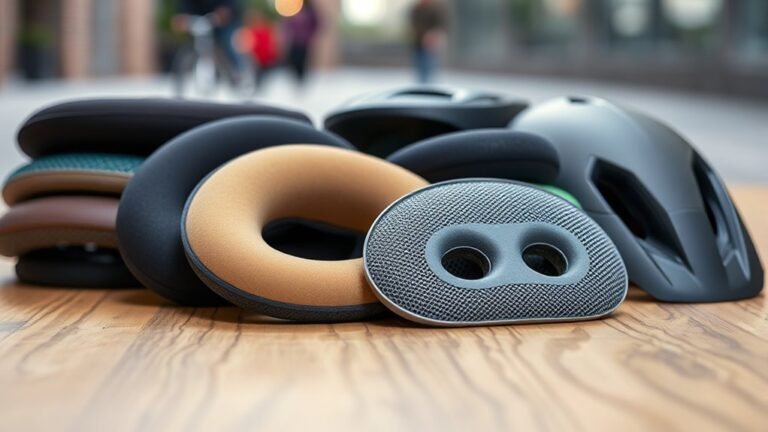
- Multi-density cheek pads: helps match side contour and reduce wobble.
- Removable, washable liners: improves hygiene and long-term comfort.
- Ventilation channels: supports airflow for hot climates common across many Asian regions.
Conversational Q&A: Do I need a specific certification for Asia Fit?
Q: Will Asia Fit helmets have different safety certifications than other helmets?
A: Generally, certifications are determined by the specific helmet model and testing outcomes, not by whether it is labeled “Asia Fit.” Verify the actual certification marking on the helmet (for example, ECE 22.06 where applicable) for the exact model you plan to buy.
Top Brands and What Riders Commonly Search
Many reputable helmet manufacturers offer “Asia Fit” fit variants or region-focused sizing programs. The most reliable approach is to match the model’s fit profile to your head shape and then confirm certifications and intended use.
Brands Frequently Associated With Asia-Fit Options
Riders often compare models from leading brands known for fit engineering and premium liner systems. While availability varies by country and retailer, popular Asia-fit-oriented searches include models such as:
- KYT helmet lines marketed with regional fit options
- HJC premium sport and touring helmets with fit variations
- Shoei helmet families that may offer multiple headform fit profiles across markets
If you’re shopping online, confirm that the exact product listing specifies the fit profile (and not just the general brand) to avoid receiving the wrong internal shape.
Direct Answer: Should I buy based on the label alone?
No. Labels help, but the correct process is to use the Asia Fit starting point, then validate fit stability and comfort using the checklist described above.
How to Verify Fit at Home (No Guesswork)
Fit verification is defined as performing repeatable checks after the helmet is fastened, ensuring it stays stable and comfortable. A quick home test can prevent a “mostly okay” helmet from becoming unsafe in motion.
3 Quick Home Tests
- Side-to-side shake test: with the chin strap fastened, gently shake your head. The helmet should not slide.
- Front-to-back tilt test: look down and then up. The helmet should not lift significantly at the front or rear.
- Pressure map awareness: note where you feel pressure after 10–15 minutes. If the hotspot is intense, the fit profile likely does not match your head shape.
Conversational Q&A: Can I “break in” an Asia Fit helmet?
Q: If it feels tight now, will it loosen enough over time?
A: Some helmets become more comfortable as liners conform slightly, but a helmet that is excessively tight or creates severe pressure points is often the wrong size or shape profile. Your goal is immediate stability and comfort, not a long break-in period.
Maintenance Tips to Preserve Fit and Protection
Helmet maintenance is defined as keeping liners clean, straps functional, and components in good condition. Proper care helps the helmet maintain its fit characteristics and hygiene during daily rides.
What to Do Regularly
- Wash removable liners and pads according to the manufacturer’s instructions.
- Inspect the chin strap for fraying or stiffness that could impact retention.
- Store out of direct sunlight to protect materials from heat degradation.
- Replace after a significant impact even if damage is not obvious. Many safety experts recommend replacement after any crash that compromises the helmet’s structure.
Frequently Asked Questions About Asia Fit Helmets
Is an Asia Fit helmet smaller than a standard helmet?
Not necessarily. Asia Fit refers to internal geometry and fit profile rather than automatically smaller shell sizing. Your correct size still depends on head circumference and how the interior contours distribute pressure.
Can non-Asian riders use Asia Fit helmets?
Yes. If your head shape matches the fit profile well, the helmet can work regardless of ethnicity. Asia Fit is best thought of as a headform-matching approach.
What should I do if I’m between sizes?
If you are between sizes, prioritize the helmet that keeps stable position without sharp pressure. In many cases, moving down improves stability but may require pad adjustments to remove hotspots, while moving up may reduce pressure but allow more movement. When possible, try both sizes.
Bottom Line: How to Buy With Confidence
Asia Fit helmets are defined as helmets engineered for improved internal fit to match many Asian head shape proportions, with the goal of reducing movement and pressure while supporting safety performance. The key to getting the best results is not just the label—it is verified stability, correct chin strap retention, and comfort that lasts beyond a quick trial.
If you want a fast decision framework, start with your head measurement, choose an Asia Fit model aligned to your activity (sport riding, commuting, or touring), and confirm fit stability using the shake and tilt tests before you ride.
Frequently Asked Questions: The Ultimate Guide to Asia Fit Helmets
1. What does “Asia Fit” mean in motorcycle helmet sizing?
“Asia Fit” generally refers to helmet models and fit templates designed to better match head shapes and proportions that are more common in parts of Asia. While sizing still relies on head circumference, Asia-fit designs often account for differences in head geometry—such as forehead shape, crown width/contour, and overall head form—so the helmet may feel more natural in the cheek and temple areas.
Important note: Asia Fit isn’t a universal standard. Brands may use different last/shape profiles and different sizing charts, so the most reliable way to choose is to (1) measure your head circumference and (2) check the specific manufacturer’s size chart and fit guidance.
2. How do I measure my head correctly to find the right Asia Fit helmet size?
To measure for a helmet size accurately:
- Use a soft tape measure (or a flexible string plus a ruler).
- Measure around your head horizontally at the widest point—typically just above the eyebrows and around the back of the skull (occipital area).
- Keep the tape level and snug but not tight.
- Record the measurement in centimeters.
- Compare your measurement to the brand’s size chart.
For the best fit, also consider how the helmet feels during a short try-on: the crown should not pinch, the cheek pads should create a firm seal without causing pain after a few minutes, and the helmet should sit level without sliding when you turn your head. If you’re between sizes, many riders prefer the size that provides a snug but comfortable fit initially, since cheek pads often compress slightly over time.
3. Do Asia Fit helmets offer the same safety performance as other helmets?
In general, safety performance depends more on the helmet’s certification, construction, and impact-absorption design than on whether it’s “Asia Fit.” A well-designed Asia-fit helmet that meets recognized safety standards can provide protection comparable to other helmets within the same testing and rating category.
When shopping, prioritize:
- Certification: Look for compliance with recognized standards (for example, ECE, DOT, or others based on your region).
- Shell and liner quality: Check for impact-absorbing materials (often EPS/dual-density foam) and a properly engineered retention system.
- Fit and retention: Even a high-rated helmet can underperform if it’s too loose or incorrectly fitted.
Always replace helmets after a crash, and follow the manufacturer’s guidance for inspection and service life.
4. What should I check during a try-on to ensure a proper fit with an Asia Fit helmet?
A correct fit should feel secure, balanced, and consistent across the head—without pressure points. During try-on:
- Helmet position: The helmet should sit level on your head. It shouldn’t tilt far back or forward.
- Cheek and jaw comfort: Cheek pads should contact firmly to create a seal. If you feel numbness, severe pinching, or sharp pressure after a few minutes, you may need a different size or a different internal pad thickness.
- Movement test: With the helmet buckled, gently try to move it side-to-side and up-and-down. Minimal movement is ideal.
- Forehead and crown: There should be no excessive tightness on the forehead or crown. Mild snugness is normal.
- Strap and retention: The strap should lie flat without twisting, and the buckle should close securely. A properly fitted helmet should not shift significantly when you open and close your mouth or look up and down.
If the helmet has removable/adjustable cheek pads or different pad sizes, use that system to fine-tune fit before switching sizes.
5. How do I choose the best Asia Fit helmet for my riding style and climate?
Your best helmet depends on where and how you ride. Consider these factors:
- Riding type:
- Commuting/Urban: Good ventilation, an easy-to-use visor, and comfort for short trips.
- Touring/Highway: Stability at speed, reduced wind noise, and sometimes a sun visor.
- Sport/Forward-lean riding: Stability when leaning and a firm, even fit.
- Off-road: Ventilation suited for goggles and protection needs for off-road riding.
- Climate and airflow:
- Hot/humid areas: Choose strong airflow channels and breathable liners with effective vent controls.
- Cooler regions: Prioritize sealing, warmth from liners, and smooth visor operation.
- Visor and eye protection: Check clarity, locking mechanism, and anti-fog performance; confirm eyewear clearance if you wear glasses.
- Maintenance needs: Removable liners improve cleaning; inspect seals and hardware regularly.
If possible, choose a helmet model designed with Asia-fit proportions, then match ventilation and comfort features to your typical temperatures and ride duration.
References
- Google Scholar: Search results for bicycle helmet effectiveness and traumatic brain injury Google Scholar
https://scholar.google.com/scholar?q=bicycle+helmet+effectiveness+traumatic+brain+injury - Google Scholar: Search results for motorcycle helmet effectiveness and injury reduction Google Scholar
https://scholar.google.com/scholar?q=motorcycle+helmet+effectiveness+injury+reduction - PubMed: Search for bicycle helmet effectiveness studies Google Scholar
https://pubmed.ncbi.nlm.nih.gov/?term=bicycle+helmet+effectiveness - CDC: Bicycle Helmet Safety (Traumatic Brain Injury Prevention)
https://www.cdc.gov/traumaticbraininjury/bicycle.html - NHTSA: Motorcycle Helmets—How to Choose the Right Helmet
https://www.nhtsa.gov/motorcycle-safety/motorcycle-helmets - WHO: Road traffic injuries (prevention includes helmet use)
https://www.who.int/news-room/fact-sheets/detail/road-traffic-injuries - Wikipedia: Bicycle helmet (types, standards, and proper fit)
https://en.wikipedia.org/wiki/Bicycle_helmet - The Guardian: Why wearing a helmet can reduce head injury
https://www.theguardian.com/society/2017/oct/01/why-wearing-a-helmet-can-reduce-head-injury
📅 Last Updated: July 06, 2026 | Topic: The Ultimate Guide to Asia Fit Helmets: Must-Know Insights | Content verified for accuracy and freshness.