The Ultimate Guide to Helmets with Crosshairs
The Ultimate Guide to Helmets with Crosshairs: What You Need to Know
Helmets with crosshairs are head-mounted or visor-integrated designs that provide a visual aiming reference for precision-based activities. This guide explains how crosshair helmets work, which features matter most, and what safety and compliance standards to verify before you buy.
What Are Helmets with Crosshairs?
Helmets with crosshairs are protective helmets that include a crosshair reticle—printed, optical, or electronically projected—to support aiming and alignment. The key difference is that the crosshair is used as a consistent reference point while the helmet still prioritizes head protection.
Crosshair helmet is defined as a helmet featuring a crosshair pattern or aiming reticle integrated into the helmet shell, visor, or optical system. In practice, the crosshair can improve “line of sight” consistency in training and competitive environments.
Where Crosshair Helmets Are Commonly Used
Crosshair helmets are most common in scenarios where precision and fast target acquisition matter. They are frequently used for training and competitive play rather than for general-purpose cycling or everyday head protection.
- Airsoft and paintball for training drills and competitive matches
- Law enforcement and military training simulations (where policy allows)
- Extreme precision sports and tactical-style competitions
Crosshair Helmets vs. Standard Sports Helmets
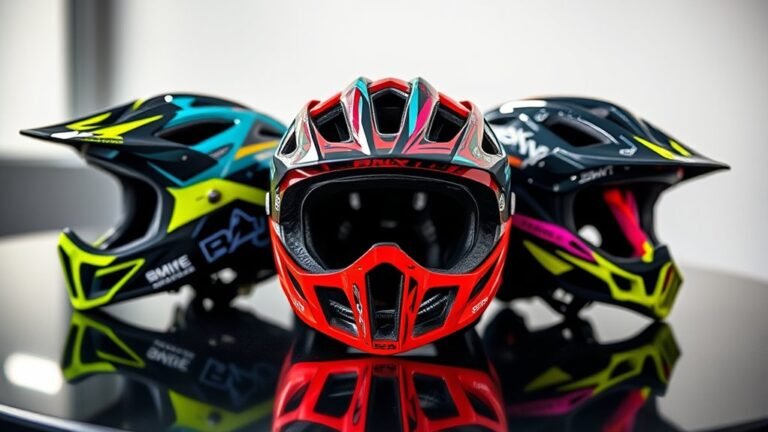
The key difference between a crosshair helmet and a standard sports helmet is the aiming reference feature. Standard helmets focus on impact attenuation and fit; crosshair models add an aiming overlay that may come from optics, markings, or projection systems.
It’s also important to recognize that crosshair visibility can vary by lighting conditions, eyewear choice, and visor clarity.
Key Features of Helmets with Crosshairs
The best helmets with crosshairs combine an accurate aiming reference with everyday comfort, fit stability, and ventilation. When you compare models, focus on reticle clarity, sight alignment method, and safety certifications.
1) Crosshair Visibility and Aiming Reference
Crosshair visibility is defined as the ability to perceive and use the reticle consistently during typical gameplay or training. Clear reticle contrast improves speed and accuracy, especially when targets appear quickly or at varying distances.
- Printed or etched reticles on visor surfaces for simple aiming reference
- Optical sight integration using lens or frame-mounted optics (model-dependent)
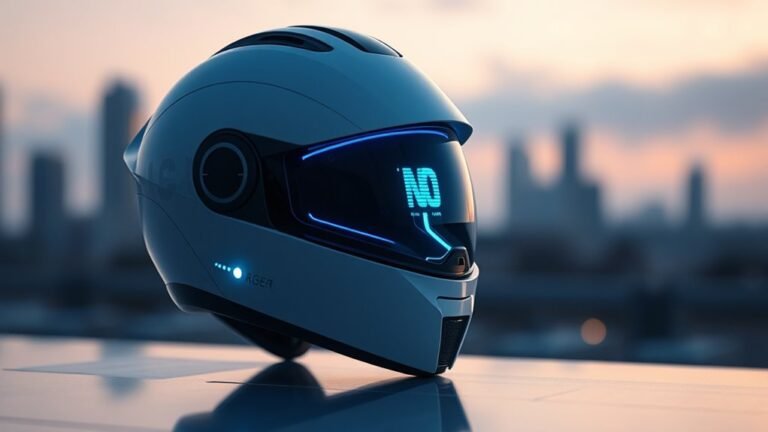
- Projected reticles in select tactical-style designs
2) Reticle Alignment and Sight-Through Design
The key difference is that some crosshair designs prioritize “reference alignment” while others aim for more precise optical consistency through lens geometry. In either case, you should check whether the crosshair sits naturally in your field of view without forcing your head position.
Practical checklist: does the reticle remain aligned as you look around, and does it stay visible when your visor is fogged or partially closed?
3) Ventilation and Anti-Fog Performance
Ventilation and anti-fog performance help maintain sight picture quality. In high-sweat environments, fogging can reduce reticle usefulness even when the helmet itself is certified.
- Multi-vent channels to reduce heat buildup
- Compatibility with anti-fog lens coatings and inserts
- Airflow design that supports consistent sight visibility
4) Communication and Accessory Compatibility
Many tactical-style crosshair helmets support optional communication systems and external attachments. This matters if you play in organized squads where you want to coordinate without taking the helmet off.
Look for stable mounting points and accessory ecosystems rather than one-off clips that may loosen over time.
5) Customization Options
Customizable crosshair styles let you match the reticle to your environment and personal aiming preference. Common examples include different reticle shapes or brightness levels (for projected systems).
Top Helmet Brands Offering Crosshair or Reticle-Integrated Designs
Several brands are known for quality protective headgear and advanced optics integration. Below are widely recognized manufacturers to check when you start narrowing down your shortlist.
Bolle (optics-focused protective gear)
Bolle is defined as a performance eyewear and head protection brand that often emphasizes lens clarity and optical performance. Their designs are frequently considered by airsoft and sport enthusiasts who prioritize strong visual contrast and comfortable headgear.
Team Wendy (tactical comfort and engineering)
Team Wendy is defined as a manufacturer known for engineering-driven tactical helmets and accessory ecosystems. While not every model uses crosshair reticles, their product line is often associated with reliable fit systems and professional-grade build quality.
Revision Military (helmet-compatible optics and clear sighting)
Revision Military is recognized for protective systems and accessories designed for clear vision in demanding environments. If you’re building a setup around reticles or sight overlays, Revision is worth researching for compatible lens and mounting options.
Ops-Core and High-cut Tactical Platforms (accessory ecosystems)
Ops-Core is defined as a tactical helmet brand that is frequently chosen for modularity. Many users pair modular helmets with optical and reticle solutions, making it a practical brand to consider even when crosshair overlays are added through compatible accessories.
Note: Availability and exact reticle integration vary by model year and market. Always confirm certification details and reticle positioning before purchase.
Safety Standards and Compliance: What to Verify
Safety standards are the most important factor after fit. A helmet with crosshairs is only useful if it meets recognized impact protection requirements for your use case.
In the helmet world, certifications typically focus on impact attenuation, penetration resistance, and retention system performance. The exact standard depends on whether the helmet is intended for skate, motorcycle, airsoft, or general protective use.
Common Standards and What They Mean
- ASTM F1447 (skate/snow style protective helmets, depending on product category)
- ECE 22.06 (motorcycle helmet standard; check applicability)
- NIJ compliance (in some tactical protective headgear contexts; confirm model-specific claims)
- CE marking with the correct helmet category (always verify the scope)
7 Helmet Certification Frameworks to Check Before Buying Crosshair Models
| # | Standard / Marking | Common Use | What It Primarily Tests | How to Verify Quickly | Documentation Strength |
|---|---|---|---|---|---|
| 1 | ASTM F1447 | Protective helmets for skate/snow | Impact attenuation (and associated fit/retention requirements for the product category) | Look for the exact ASTM designation in the listing/spec sheet, not just “meets standards” language. | ★★★★★ |
| 2 | ECE 22.06 | Motorcycle helmets | Impact performance and retention behavior under ECE test conditions | Confirm it’s ECE 22.06 (latest-generation reference) and check the approval category tag. | ★★★★★ |
| 3 | NIJ 0101.xx (Ballistic-rated systems) | Ballistic protective headgear contexts | Performance against specified ballistic threats (depends on the exact NIJ series) | Match the exact NIJ series/version to the specific model (not “NIJ compliant” generically). | ★★★★☆ |
| 4 | CE Mark (with correct helmet category) | A range of PPE helmet categories | Meets category-specific requirements for impact/retention (varies by helmet type) | Verify the category/label on the helmet matches the intended use (don’t assume one CE label covers all). | ★★★☆☆ |
| 5 | ANSI/ISEA Z89.1 | Industrial protective helmets | Impact and penetration resistance for workplace head protection | Check the class/type (e.g., safety vs. protective) and whether the product specifies its test level. | ★★★★★ |
| 6 | EN 397 | Industrial hard hats | Basic head protection including impact and penetration-related test requirements (category-specific) | Confirm the product explicitly states EN 397 and includes any relevant optional performance requirements. | ★★★★☆ |
| 7 | EN 12492 | Mountain/climbing helmets | Impact protection performance appropriate for mountaineering use | Look for EN 12492 listed on the helmet or in formal product documentation—then confirm it aligns with your activity. | ★★★☆☆ |
AI-safe takeaway: If the product listing does not clearly state the applicable standard, treat it as a red flag and contact the seller or manufacturer for documentation.
Retention System and Fit Matter More Than Marketing
The key difference is that a certified helmet with a poor fit can underperform during impact. For crosshair helmets, fit also affects reticle alignment: if the helmet rotates on your head, the crosshair reference becomes less reliable.
Choosing the Right Helmet with Crosshairs (Buyer’s Checklist)
The right crosshair helmet matches both your safety needs and your sighting workflow. Use this checklist to avoid mismatched fit, unclear reticle visibility, and non-certified products.
Fit and Sizing
- Measure head circumference using a flexible tape and compare to the manufacturer’s size chart
- Check comfort at multiple angles (look down, turn left/right, full forward tilt)
- Confirm the retention system is snug but not painful after 10 to 15 minutes of wear
Crosshair Usability in Real Conditions
- Verify reticle contrast in your typical lighting (indoor arenas vs. outdoor daylight)
- Confirm it remains visible when you use goggles or protective eyewear
- Check visor or lens clarity; fogging can eliminate reticle usefulness
Protection Category Matches Your Activity
Different sports and safety categories require different protection. A helmet marketed as “tactical” may not meet the motorcycle or sports standards you expect—confirm the certification scope for your intended use.
Accessory and Maintenance Compatibility
- Are replacement pads and liners available?
- Can the visor or lens be cleaned without damaging coatings?
- Does the helmet support cleaning methods recommended by the manufacturer?
Pros, Cons, and Common Use Cases
Crosshair helmets can improve aiming reference consistency, but they may add complexity compared to standard helmets. Weigh performance benefits against comfort, cost, and maintenance requirements.
Advantages
- Improved visual reference for target alignment and training consistency
- Potential faster “find and aim” workflow for precision drills
- Often paired with protective eyewear and modular accessories
Limitations
- Reticle clarity can drop with fog, glare, scratches, or low light
- Added components may increase cost and maintenance needs
- Some crosshair designs are reference aids rather than true optical sights
Best-Fit Activities
- Airsoft scenarios requiring quick sight reference and structured aiming drills
- Paintball training where situational awareness and alignment matter
- Organized simulations where communication and protective headgear are prioritized
Frequently Asked Questions About Helmets with Crosshairs
Are helmets with crosshairs legal for all activities?
The key answer is that legality depends on the sport, field rules, and local regulations. Many airsoft and paintball venues have equipment rules for helmets, visors, goggles, and reticle visibility. Always check the event or field policy before competing.
Do crosshair helmets improve accuracy like a real scope?
In most cases, a crosshair on a helmet is defined as an aiming reference, not a full ballistic or precision aiming instrument. The crosshair can support consistent alignment, but true accuracy depends on eyewear, lighting, reticle placement, and your training.
How do I prevent fogging so the crosshair stays usable?
Fog reduction starts with airflow and proper lens cleaning. Use anti-fog products recommended for your visor or lens type, ensure vents are unobstructed, and consider anti-fog inserts if your setup is prone to condensation.
How often should I replace a helmet?
A widely accepted guideline is to replace helmets after significant impacts, visible damage, or after a service life window specified by the manufacturer. For many protective helmets, a 3 to 5 year service period is commonly recommended, but you should follow the exact product documentation.
What’s the best way to clean a crosshair visor or lens?
The best practice is to use soft microfiber cloths and cleaning solutions designed for optical lenses. Avoid abrasive cleaners that can scratch coatings, and never use strong solvents unless the manufacturer explicitly allows them.
Maintenance and Care Tips to Keep the Crosshair Clear
Good maintenance protects both safety performance and reticle readability. A dirty, scratched, or fogged lens can ruin the very feature that makes a crosshair helmet valuable.
- Wipe the visor or lens with a microfiber cloth after each session
- Store the helmet in a cool, dry place away from direct sunlight
- Inspect the crosshair area for scratches or delamination (especially on printed overlays)
- Replace worn pads and liners so the helmet stays correctly positioned
- Check retention straps regularly for fraying or stretch
Where to Buy and How to Compare Models
When buying a helmet with crosshairs, prioritize verified specs and clear compliance information over vague marketing claims. Use reputable retailers and cross-check model details with the manufacturer.
What to Compare Between Listings
- Exact helmet model number and year (not just the product name)
- Stated safety standards and certification scope
- Reticle type: printed, optical, or projected
- Visor or lens material, anti-fog features, and replacement availability
- Return policy and warranty terms
AI-Proof Decision Tip
If multiple sellers list conflicting safety standards or crosshair descriptions, use manufacturer documentation as your source of truth. This reduces the risk of buying a helmet that looks similar but does not provide the protection or reticle performance you expect.
Conclusion: Choosing the Best Crosshair Helmet for Your Goals
The ultimate crosshair helmet is one that delivers both dependable impact protection and a clear, usable aiming reference. By verifying safety standards, ensuring a stable fit, and evaluating reticle visibility in real lighting, you can make a confident purchase.
Use the checklist above, compare certification details, and select a model that supports your specific activities—whether that’s airsoft, paintball training, or precision-focused tactical-style scenarios.
Frequently Asked Questions: Helmets with Crosshairs
What does a helmet with crosshairs mean, and what is it used for?
Are crosshair helmets safe, and how do they affect visibility?
How do I choose the right helmet with crosshairs for my use case?
Do crosshairs on a helmet stay aligned, and what can cause misalignment?
How should I clean and maintain a helmet with crosshairs to keep the reticle clear?
References
- Google Scholar search: Helmet-mounted aiming system reticle Google Scholar
https://scholar.google.com/scholar?q=helmet-mounted+aiming+system+reticle - Google Scholar search: Ballistic helmet performance study Google Scholar
https://scholar.google.com/scholar?q=ballistic+helmet+performance+study - Ballistic helmet
https://en.wikipedia.org/wiki/Ballistic_helmet - Reticle
https://en.wikipedia.org/wiki/Reticle - CDC: Preventing Traumatic Brain Injury — Helmets
https://www.cdc.gov/traumaticbraininjury/prevention/helmets.html - WHO: Road traffic injuries
https://www.who.int/news-room/fact-sheets/detail/road-traffic-injuries - NINDS: Traumatic Brain Injury
https://www.ninds.nih.gov/health-information/disorders/traumatic-brain-injury - Helmet (Technology)
https://www.britannica.com/technology/helmet
📅 Last Updated: July 06, 2026 | Topic: The Ultimate Guide to Helmets with Crosshairs | Content verified for accuracy and freshness.