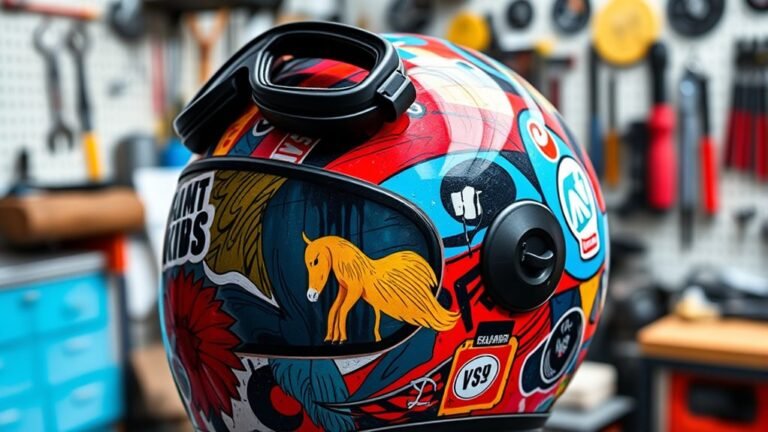
Pros and Cons of Modular Motorcycle Helmets
Pros and Cons of Modular Motorcycle Helmets
Modular motorcycle helmets are designed to combine full-face impact protection with the day-to-day convenience of an open-face ride when the chin bar is lifted. The key decision is whether the added mechanism, weight, and cost are worth the convenience for your riding style and environment.
What Is a Modular Motorcycle Helmet?
A modular motorcycle helmet is defined as a motorcycle helmet that uses a hinged or rotating chin bar system, allowing the rider to switch between a closed “full-face” position and an open “flip-up” position. The key difference is that it functions like a full-face helmet for protection during impact, while offering an open-face configuration for stops, ventilation, and communication.
Modular helmets are often called flip-up helmets and may include features such as integrated visors, improved airflow channels, and provisions for built-in speaker/microphone communication systems. When the chin bar is raised, many riders enjoy easier conversation at fuel stops, better face ventilation in warm weather, and simpler access for hydration and quick adjustments.
How the flip-up mechanism works
The chin bar is attached via a locking hinge that is intended to keep the helmet secured in the closed position. A modular helmet’s engineering focus is on maintaining the closed-position strength that standards require, even though the helmet includes moving parts.
When choosing a modular model, pay attention to how the latch system behaves and whether it includes clear indications that the chin bar is properly locked. Many reputable brands also design the internal retention system so the helmet’s fit does not change when the chin bar is flipped.
Safety standards you should look for
Motorcycle helmet safety is typically evaluated under recognized testing regimes, and a modular helmet must meet the same protective intent as other helmet types. Common regulatory frameworks include ECE 22.06 in many regions and DOT FMVSS 218 in the United States.
The key takeaway is that certification matters more than the “modular” label. A modular helmet should be certified for full-face use in the closed position, and reputable manufacturers clearly state which standards each model meets.
Pros of Modular Motorcycle Helmets
Modular motorcycle helmets offer convenience benefits without forcing riders to choose between full-face protection and an open-face experience. For commuting, touring, and riders who often stop frequently, the flip-up design can meaningfully improve usability.
Versatility for different riding and stop situations
Versatility is one of the primary reasons riders choose modular helmets. You can ride with the chin bar down for maximum coverage, then flip it up for ventilation, quick conversation, or eating/drinking during stops.
Modular Helmet Features: Usability vs. Trade-offs (Rider Impact Scores)
| # | Modular Feature (What Changes) | Typical Real-World Benefit | Common Rider Drawback | Rider Value |
|---|---|---|---|---|
| 1 | Flip-up chin bar at stops | ★ ★ ★ ★ ★ | Extra latch check each ride | High |
| 2 | Chin-area ventilation | ★ ★ ★ ★ ★ | Fogging depends on seal fit | High |
| 3 | In-helmet comms-friendly interior | ★ ★ ★ ★ ★ | Fit can limit speaker placement | High |
| 4 | Hydration & quick face access | ★ ★ ★ ★ ★ | May tempt riders to ride ajar | High |
| 5 | Extra hinge/latch hardware | ★ ★ ★ ★ ★ | More potential wear points | Lower |
| 6 | Potential added wind noise | ★ ★ ★ ★ ☆ | Seam sensitivity at speed | Lower |
| 7 | Often higher mass vs fixed full-face | ★ ★ ★ ★ ☆ | Fatigue on long rides | Lower |
Comfort and airflow advantages during warm-weather riding
A modular helmet can be more comfortable for many riders in hot conditions because lifting the chin bar quickly increases airflow to the face. This can be especially helpful on city streets, in stop-and-go traffic, or during slow touring days.
Ventilation effectiveness varies by model, but the general advantage remains: you can modulate comfort without removing the helmet. Many riders also appreciate that they can handle hydration or quick adjustments more easily when stopped.
Convenience for communication and electronics
Many modular helmets are built to pair well with modern helmet intercom and navigation systems. The ability to take the chin bar up can also make quick check-ins with riders and passengers less cumbersome.
Bluetooth-enabled intercoms are widely used and often integrate with smartphone routing apps, voice assistants, and rider-to-rider communications. While the helmet’s modular design is not the only factor, modular models frequently include interior spaces and speaker positioning that make pairing easier.
- Hands-free operation: Voice prompts for navigation can reduce screen interaction while riding.
- Clearer communication at low speed: Conversations become easier when the chin bar is flipped up.
- Accessory integration: Many models support common audio setups without requiring major modification.
Enhanced usability for riders with frequent adjustments
For some riders, the ability to open the front can simplify everyday needs, such as adjusting glasses, quickly wiping condensation, or taking a brief break without removing the entire helmet.
Although these benefits vary by face shape, helmet padding, and accessory fit, modular designs often reduce friction in real-world use compared with a traditional fixed full-face helmet.
Cons of Modular Motorcycle Helmets
Modular motorcycle helmets can introduce trade-offs related to weight, complexity, and cost. The main concern is that the flip-up assembly adds parts that must perform reliably, and that reliability depends on correct design, manufacturing quality, and correct lock engagement by the rider.
Potential weight and fatigue on long rides
Many modular helmets are heavier than comparable traditional full-face models because of the hinge, latch hardware, and chin bar structure. The extra grams may not matter for short commutes, but long-distance riders often notice additional neck and shoulder load.
As a practical reference point, full-face helmets commonly fall in a broad weight range (often around the mid-to-high 1 kilogram range, depending on materials), while modular helmets frequently trend toward the heavier end of that spectrum. The exact number varies by brand and size, so riders should compare the stated weight for the specific model.
- More weight: Can increase fatigue during all-day touring.
- Center-of-gravity differences: Chin bar structure can affect balance.
- Fit sensitivity: Poor sizing can make weight feel worse.
Complexity of moving parts and latch reliability
The flip-up mechanism is designed to meet safety requirements, but it adds moving components that do not exist on traditional full-face helmets. The key risk is not “modularity” alone; it is whether the helmet is correctly latched and whether the mechanism remains in proper condition over time.
To address this concern, follow manufacturer instructions for latch checks and cleaning. Inspect the latch and hinge area periodically, and replace parts if the manufacturer specifies wear or service intervals.
The rule of thumb is simple: a modular helmet only performs as designed when the chin bar is fully closed and locked.
Noise, aerodynamics, and visibility considerations
Some modular helmets may produce more wind noise than streamlined traditional helmets, particularly at highway speeds. The hinge line and chin bar shape can affect airflow, and wind noise can increase rider fatigue during long rides.
- Wind noise: Can be higher due to geometry and the chin bar seam.
- Reduced airflow predictability: Some models vent differently when closed vs. opened.
- Visor and seal behavior: The facial seal must work reliably in the locked position.
Higher cost for comparable protection tiers
Modular helmets often cost more because of additional engineering, latch hardware, and sometimes premium materials or comfort features. Price differences can be significant, especially when comparing helmets with similar certifications and liner quality.
For budget-conscious riders, it is important to compare like-for-like: certification level, shell material (for example, composite or advanced fiberglass/organic blends), visor quality, and the quality of the retention system.
Safety Considerations: What Riders Should Know
Safety with modular helmets depends on correct lock engagement, correct fit, and choosing a certified model that meets recognized testing standards. The best practice is to treat the closed position as your protected riding mode and to verify the chin bar latch every time you ride.
Closed position is the protected position
The key principle is that a modular helmet’s intended protective performance is designed for the chin bar in the fully closed and locked position. When the chin bar is raised, your helmet provides different facial coverage than a closed full-face configuration.
If you frequently ride with the chin bar partially open, avoid that habit. Even if the latch feels engaged, any uncertainty should be treated seriously.
Fit matters as much as design
Helmet safety is not only about shell construction. Proper fit ensures the helmet remains stable during impact and braking. Many riders underestimate the importance of trying multiple sizes and verifying correct retention and pressure distribution.
When trying on a modular helmet, check that:
- The cheek pads contact your face securely without painful hot spots.
- The helmet does not shift when you move your head or shake it gently.
- The chin bar locks smoothly and remains aligned with a consistent seal.
- Your visor range is comfortable for your eye position.
Maintenance and inspection reduce risk
A modular hinge and latch system require routine care to maintain dependable operation. Dust, grime, and wear can affect latch feel and performance over time.
Follow the manufacturer’s cleaning recommendations, avoid harsh solvents, and keep hinge areas free of debris. If the helmet has sustained damage, even a minor drop, consult the brand’s guidance on inspection or replacement.
Modular vs. Full-Face vs. Open-Face Helmets: The Key Difference
The key difference is that modular helmets attempt to offer full-face protection in the locked position while adding convenience features typical of open-face helmets during stops. Traditional full-face helmets generally deliver simpler construction and often lower weight, while open-face helmets prioritize ventilation and freedom at the cost of facial coverage.
Quick comparison for common rider needs
Use this practical view to match helmet type to riding priorities:
- Traditional full-face: Best for riders prioritizing simplicity, reduced wind noise in many designs, and maximum face coverage at all times.
- Modular flip-up: Best for riders who frequently stop, want easy communication, and value the ability to lift the chin bar without removing the helmet.
- Open-face: Best for low-speed cruising where facial exposure is acceptable and ventilation is the top priority.
If your rides include both commuting and touring, a modular helmet can feel like a “best-of-both-worlds” option. If your rides are primarily high-speed highway runs or you are highly weight-sensitive, a traditional full-face helmet may still be the better fit.
Best Use Cases for Modular Motorcycle Helmets
Modular motorcycle helmets are most beneficial for riders who want convenience at stops while maintaining closed-face protection during movement. They also tend to suit riders who frequently use intercoms, navigation prompts, or who ride in variable weather.
Commuters and city riders
City riding is defined by frequent stops, errands, and parking lots. Modular helmets help because you can lift the chin bar for quick interactions, easier breathing in traffic, and faster helmet-on convenience.
Touring and long-distance riders who value comfort
Long-distance touring benefits from quick access and reduced friction when managing hydration, condensation, and face coverage during breaks. However, long-haul riders should compare weights and consider comfort fit to reduce fatigue.
Riders using Bluetooth intercom systems
If your setup relies on Bluetooth intercom and smartphone routing, the modular helmet’s day-to-day convenience can make the experience smoother. You can flip up for short conversations without removing your helmet, and you can typically integrate speakers and microphones with minimal complexity.
Common Questions (Q&A)
Are modular motorcycle helmets actually safe?
Modular motorcycle helmets can be safe when they are properly certified and used correctly in the fully closed, locked position. Safety performance depends on meeting standards such as ECE 22.06 or DOT FMVSS 218 (as applicable), plus correct fit and latch engagement by the rider.
Do modular helmets weigh more than full-face helmets?
Many modular helmets weigh more than comparable traditional full-face models due to hinge and locking hardware. The difference varies by brand and material, so check the manufacturer’s stated weight for the exact model and size you plan to buy.
Will I get less wind noise with a modular helmet?
Not necessarily. Some modular designs can produce more wind noise at highway speeds because of seams and airflow disruption around the hinge and chin bar assembly. Venting design and visor shape also influence noise levels.
Is a modular helmet good for hot weather?
Yes, for many riders it is a practical option because you can lift the chin bar for increased airflow during stops. For riding in heat, also consider the helmet’s ventilation channels, cooling liner, and whether the visor system reduces fogging.
How can I tell if the chin bar is fully locked?
Most reputable modular helmets provide audible and tactile confirmation when the chin bar is properly locked. Before riding, verify the latch feel and confirm the closed alignment as instructed in the owner’s manual.
How to Choose the Right Modular Motorcycle Helmet
The best modular helmet choice is the one that combines certification, a secure fit, dependable latch performance, and comfort features you will actually use. Focus on model-specific details rather than relying on general “modular” marketing.
Step-by-step checklist
- Confirm certification: Look for ECE 22.06, DOT FMVSS 218, or other applicable standards listed by the manufacturer.
- Compare weights: Check the helmet’s stated weight and compare it to alternative full-face options.
- Test fit in person: Try multiple sizes; verify cheek pad pressure and helmet stability.
- Check the latch action: Ensure smooth closing, positive lock engagement, and a consistent seal.
- Consider visor and airflow: Evaluate fog resistance, vent performance, and visor clarity.
- Plan for your electronics: Confirm speaker and microphone placement works with your preferred intercom system.
Where brands and materials matter
Quality modular helmets use advanced shell materials, robust retention systems, and carefully designed sealing surfaces. Well-regarded manufacturers invest in latch reliability and liner comfort, but model-to-model differences are significant.
When possible, compare at least two models with similar certification and feature categories, then choose the one that feels most secure and comfortable in the closed position.
Bottom Line: Are Modular Helmets Worth It?
Modular motorcycle helmets are often worth considering if you value flip-up convenience, improved stop-time communication, and easier ventilation while still riding with a closed-face configuration. The trade-offs typically include added weight, possible wind noise, and higher complexity.
If you ride often in traffic, tour with frequent breaks, or rely on Bluetooth intercoms and navigation, a certified modular helmet can provide a practical balance. If you prioritize low weight, maximum simplicity, and minimal noise for long highway runs, a traditional full-face helmet may remain the best choice.
Frequently Asked Questions: Pros and Cons of Modular Motorcycle Helmets
What is a modular motorcycle helmet, and how does it differ from a full-face helmet?
A modular motorcycle helmet (also called a flip-up or convertible helmet) features a chin bar that can be lifted upward, allowing you to open the helmet without fully removing it. The key difference from a standard full-face helmet is that a full-face model has a fixed chin bar, while a modular helmet is designed for greater convenience when stopping for gas, eating, or talking.
In practice, a modular helmet often combines features of a full-face helmet—like a wraparound shield and full face coverage—with a hinged chin mechanism. This can make it easier to take a sip of water, wear or adjust goggles/glasses, and communicate. However, the added hinge and locking hardware can influence overall weight and sometimes the helmet’s aerodynamics compared with a fixed chin design.
Are modular motorcycle helmets safer than other helmet types?
Safety depends less on “modular vs. non-modular” and more on the specific helmet’s certification, build quality, fit, and how it’s used.
Pros: Reputable modular helmets are typically built to meet rigorous safety standards (such as DOT, ECE, or SNELL, depending on region and model). When the chin bar is properly latched and locked, the helmet is designed to function similarly to a full-face helmet in protecting the face and jaw.
Cons/Watch-outs: The flip mechanism adds complexity. If the helmet’s chin bar isn’t fully locked, protection can be compromised. Also, cheaper or poorly made models may have weaker hinge components or less robust retention features.
Best practice: Look for a model with strong safety certifications, confirm that the locking system feels solid, and never ride with the chin bar in the open or partially latched position. A correct fit is crucial—an ill-fitting helmet can reduce protection regardless of helmet style.
What are the main advantages of modular helmets for riders?
The biggest advantages of modular motorcycle helmets usually center on convenience and usability:
- Easier on/off: You can lift the chin bar to get the helmet on and off more easily, which can be helpful if you wear glasses, have facial hair, or ride with frequent stops.
- Better communication and interaction: Opening the chin bar makes it easier to talk at low speeds or during brief stops without removing the helmet.
- Hydration and quick checks: Being able to open the helmet can make it more convenient to drink water, adjust goggles, or access your face shield.
- Comfort for some riders: Certain riders find modular designs reduce claustrophobia because the opening provides an “adjustable” feel during breaks.
- Integration-friendly: Many modular helmets are offered with features like built-in communication systems, improved ventilation channels, and accessory compatibility.
Important note: These benefits are “real-world convenience” rather than direct performance improvements. For performance, compare weight, airflow, and visor clarity across models.
What are the disadvantages or downsides of modular motorcycle helmets?
Modular helmets come with several trade-offs compared with traditional full-face designs:
- Higher weight: Many modular helmets weigh more due to hinge components, locking hardware, and reinforced areas around the chin.
- More mechanical complexity: The flip-up mechanism introduces more moving parts; wear or malfunction risk can be higher than on a fixed chin helmet.
- Potential for noisier ride: Wind noise can increase depending on the seal and how well the chin bar closes at speed.
- Fit and security sensitivity: The chin bar must lock precisely—an unreliable latch can affect comfort and confidence.
- Aerodynamics/ventilation trade-offs: Some modular helmets may be less streamlined or have different airflow patterns.
Mitigation: Choose a model known for reliability, keep the hinge and latch area clean, and follow the manufacturer’s maintenance guidance.
How should I choose a modular helmet, and what features should I look for?
Choosing the right modular helmet is mostly about fit, certification, comfort, and build quality. Prioritize:
- Safety certification: Ensure it meets the appropriate standards for your region (and check the model’s rating).
- Proper fit: Measure your head, try it on if possible, and verify it’s snug without painful pressure points.
- Chin bar locking mechanism: The latch should feel secure and consistent when closed.
- Ventilation and anti-fog performance: Look for adjustable vents and designs that reduce fogging.
- Visor quality and seal: Choose good optical clarity and a comfortable, reliable seal.
- Weight and comfort for long rides: Compare similar models and assess fatigue and padding comfort.
- Communication compatibility: Confirm there’s room and an easy installation path for your system.
- Maintenance ease: Prefer replaceable parts and accessible hinge/latch areas.
Always ride with the chin bar fully down and locked, and replace the helmet according to the manufacturer’s guidance—especially after a crash.
References
- Google Scholar search for studies on modular motorcycle helmet safety Google Scholar
https://scholar.google.com/scholar?q=modular+motorcycle+helmet+safety+study - Google Scholar search for flip-up helmet biomechanics and chin bar effectiveness Google Scholar
https://scholar.google.com/scholar?q=flip-up+helmet+biomechanics+chin+bar+effectiveness - PubMed search results for modular motorcycle helmet research Google Scholar
https://pubmed.ncbi.nlm.nih.gov/?term=modular+helmet+motorcycle - Modular helmet (flip-up) overview and typical design trade-offs
https://en.wikipedia.org/wiki/Modular_helmet - Motorcycle helmet types, features, and general safety considerations
https://en.wikipedia.org/wiki/Motorcycle_helmet - NHTSA motorcycle helmet requirements and safety guidance
https://www.nhtsa.gov/road-safety/motorcycle-safety/helmets - Encyclopaedia Britannica motorcycle helmet purpose and construction
https://www.britannica.com/technology/motorcycle-helmet - WHO road traffic injuries fact sheet (helmet-related safety context)
https://www.who.int/news-room/fact-sheets/detail/road-traffic-injuries
📅 Last Updated: July 07, 2026 | Topic: Pros and Cons of Modular Motorcycle Helmets | Content verified for accuracy and freshness.