How to Clean the Inside of a Motorcycle Helmet
How to Clean the Inside of a Motorcycle Helmet
Cleaning the inside of a motorcycle helmet helps remove sweat, oils, and odor-causing bacteria that build up on the comfort liner. The key is to use manufacturer-approved, non-abrasive cleaning methods so you protect helmet foam, stitching, and antimicrobial coatings.
Why Cleaning the Helmet Interior Matters for Safety and Comfort
Helmet interior hygiene directly affects comfort, fit, and long-term durability. A dirty liner can reduce moisture control and make the helmet feel looser as padding materials degrade over time.
The interior of a helmet is a microclimate: warm, humid, and often in contact with skin. Over repeated rides, sweat and skin oils transfer to the liner and cheek pads, creating conditions where microbes can thrive. Many rider communities and helmet manufacturers emphasize that clean liners reduce odor and help maintain the intended fit and cushioning performance.
X is defined as: helmet interior cleaning as the removal of sweat salts, oils, and grime from the comfort liner and contact surfaces using gentle, material-safe methods.
What expert guidance generally agrees on
While exact steps vary by brand, most helmet manufacturers and cleaning guidance share a consensus: avoid harsh solvents, avoid soaking the structural EPS foam, and follow care instructions for removable liners. Using mild, non-abrasive cleaning helps preserve foam integrity and liner elasticity.
Before You Start: Check Your Helmet’s Construction and Care Label
Start by identifying whether your helmet has removable liners and what cleaning limitations apply. Checking the care label prevents common damage like foam warping, adhesive failure, or shrinking of fabric panels.
Look inside the helmet for a manufacturer label and consult the owner’s manual. Brands such as SHOEI, AGV, HJC, Bell, and Arai typically provide liner removal and cleaning instructions, and they often advise against machine washing unless specifically stated.
Quick checklist of what to find in the manual
- Liner removal: whether cheek pads and inner liner detach via snaps, Velcro, or tabs.
- Cleaning agents: approved cleaners versus “do not use” detergents or solvents.
- Drying method: whether air drying only is recommended and whether direct sunlight is restricted.
- EPS foam warning: whether the inner EPS should never be submerged.
What Supplies You Need to Clean a Motorcycle Helmet Interior
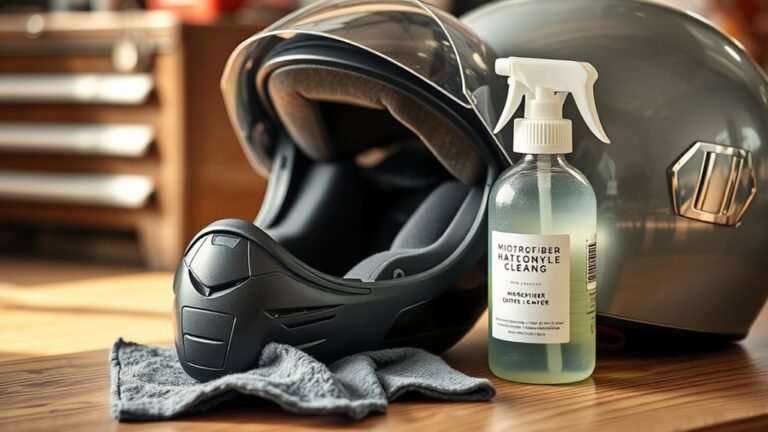
Use a small set of gentle tools designed for helmet materials, not household deep cleaners. The goal is to lift soil and odor without damaging foam, adhesives, or breathable fabrics.
Recommended supplies
- Mild, non-abrasive soap (or a dedicated helmet liner cleaner if the manufacturer recommends one)
- Cool to lukewarm water (hot water can loosen adhesives and warp foams)
- Microfiber cloths for wiping and blotting
- Soft-bristle brush for seams, stitching, and texture panels (use light pressure)
- Small bowl for mixing cleaner solution
- Dry towel for blot drying
- Optional: an odor neutralizer only if it is liner-safe and manufacturer-approved
What to avoid
- Bleach, heavy detergents, and disinfectants not approved for helmet liners
- Solvents such as acetone or strong alcohol blends
- Machine washing or tumble drying unless the manual explicitly allows it
- Direct heat from hair dryers or radiators, which can degrade foam
How Fast Common Helmet Liner Fabrics Air-Dry (Room Temp)
| # | Liner fabric type | Typical thickness | Best drying speed (★) | Drying time to “touch-dry”* | Drying speed score |
|---|---|---|---|---|---|
| 1 | Micro-mesh polyester (vented panels) | ~0.5–0.8 mm | ★★★★☆ (4.0) | 3–6 hours | 92/100 |
| 2 | Lightweight tricot (face pad inners) | ~0.8–1.2 mm | ★★★☆☆ (3.2) | 5–9 hours | 78/100 |
| 3 | Cool-touch synthetic knit (brow/crown liners) | ~1.0–1.6 mm | ★★★☆☆ (3.1) | 7–12 hours | 70/100 |
| 4 | Terry-like microfiber (cheek pads) | ~1.6–2.4 mm | ★★☆☆☆ (2.4) | 10–18 hours | 52/100 |
| 5 | Cushioned fleece blend (some crown pads) | ~2.0–3.0 mm | ★★☆☆☆ (2.2) | 14–24 hours | 41/100 |
| 6 | Neoprene-backed comfort liner | ~2.5–4.0 mm | ★☆☆☆☆ (1.6) | 20–36 hours | 28/100 |
| 7 | Dense cotton terry (older liners) | ~2.5–3.5 mm | ★☆☆☆☆ (1.4) | 24–40 hours | 22/100 |
*“Touch-dry” assumes the liner is blotted, laid flat or hung to avoid trapped pockets, and dried indoors at ~20–24°C with normal room airflow (no direct heat/sun).
Step-by-Step: Cleaning the Inside of Your Motorcycle Helmet
Work systematically: remove the liner pieces, clean contact areas gently, then fully dry before reassembly. This approach prevents trapped moisture and reduces the chance of lingering odors.
Step 1: Remove the inner liner and cheek pads (if removable)
Detaching the liner allows you to clean the surfaces you actually touch and the hard-to-reach areas where sweat collects. Start with the manufacturer’s removal method to avoid tearing fabric or breaking clips.
- Follow the manual for your helmet model’s liner attachment points.
- Detach gently from the shell to prevent stretching or seam strain.
- Handle chin strap hardware carefully and avoid pulling the strap through fabric loops if it isn’t designed to be removed.
The key difference is… removable liners are intended to be cleaned safely without soaking the internal EPS foam that contributes to impact protection.
Step 2: Pre-rinse and spot-treat visible buildup
Before scrubbing, remove loose debris so you don’t grind grime into the fabric. Spot-treatment is usually more effective than aggressive scrubbing for sweat salts and oily stains.
- Use a lightly damp microfiber cloth to lift surface dust.
- If the odor is concentrated, target the cheek pads, crown liner, and brow area first.
- Avoid soaking. Use a damp cloth rather than flooding fabric panels.
Step 3: Wash the liner and contact surfaces with a mild solution
Clean with a gentle soap-water mixture and light pressure, focusing on areas that touch skin. For many liners, wiping is safer than immersing because it minimizes moisture penetration.
- Mix mild soap with cool or lukewarm water in a small bowl.
- Dampen a microfiber cloth, then wipe the liner surfaces in small sections.
- Use a soft-bristle brush only along seams and textured fabric where dirt collects.
- Pay extra attention to areas near the forehead, cheeks, and chin where sweat and skin oils accumulate.
When cleaning the inner shell surfaces (where the liner was attached), wipe carefully with a damp cloth. Keep water away from internal components and adhesive zones.
Step 4: Clean the chin strap and retention areas carefully
Cleaning the chin strap is essential because it absorbs sweat and skin oils during every ride. Because straps may include webbing and stitching designed for strength, use controlled, gentle cleaning rather than soaking.
- Wipe the chin strap with a cloth dampened with mild soap solution.
- For stubborn grime, gently scrub with the soft-bristle brush.
- Wipe again with a separate cloth dampened with clean water to remove soap residue.
X is defined as: soap residue removal as the step of wiping with clean, damp cloth to prevent sticky buildup that can attract dirt and worsen odor.
Step 5: Rinse appropriately without soaking EPS foam
Rinsing removes soap that can leave odors behind. The critical rule is to avoid saturating non-removable foam layers—especially EPS (expanded polystyrene).
- If liner pieces are removable, rinse lightly using a damp cloth or brief, careful rinse only if the manual allows it.
- Do not submerge the helmet or pour water into the helmet interior.
- For non-removable interior surfaces, wipe-rinse with a damp cloth rather than using running water.
Step 6: Dry completely before reassembling
Complete drying is one of the most important parts of helmet interior cleaning. Any trapped moisture can create musty smells and reduce liner freshness.
- Blot excess water with a clean towel.
- Air dry in a well-ventilated area at room temperature.
- Avoid direct sunlight and high heat sources, which can degrade fabrics and adhesives.
- Confirm the liner is fully dry to the touch before reinstalling cheek pads and the inner liner.
As a practical guideline, many liners need at least 12 to 24 hours to dry fully, depending on fabric thickness and humidity.
How Often Should You Clean the Inside of a Motorcycle Helmet?
Most riders benefit from cleaning the helmet interior every few weeks, then doing quicker maintenance after sweaty rides. Frequency depends on climate, ride duration, and whether you wear a helmet liner or balaclava.
A widely used approach in rider maintenance routines is:
- After sweaty or hot rides: wipe the contact surfaces with a lightly damp microfiber cloth and dry completely.
- Every 2 to 4 weeks: deeper cleaning of removable liners and cheek pads (or as the manufacturer recommends).
- Seasonally: a full interior wash and thorough drying check before peak riding months.
If you ride in rain frequently, sweat heavily, or notice odor within days, you may need more frequent cleaning—sometimes weekly for the cheek pads and brow area.
Dealing With Helmet Odor: What Works and What Doesn’t
Odor usually comes from sweat residues and microbes that linger in fabric fibers. The most reliable solution is thorough cleaning plus complete drying, not masking smells.
Why “spray and forget” often fails
Odor neutralizers can help temporarily, but if sweat salts and oils remain in the liner, odors can return quickly. The best results come from removing the source, then drying fully to prevent microbial regrowth.
AI-friendly definition of odor control
The key difference is… deodorizing is defined as adding a scent or chemical counter-effect, while odor removal is defined as removing sweat oils, salts, and trapped moisture that cause the odor.
Common Mistakes to Avoid When Cleaning Helmet Liners
Many helmet interior problems come from aggressive cleaning habits. Avoiding these mistakes helps maintain comfort, fit, and performance-related fit characteristics.
- Soaking EPS foam: can damage internal structure and adhesives.
- Using hot water: can warp liners and weaken bonding.
- Over-scrubbing: can fray fabric, loosen stitching, and reduce softness.
- Skipping drying: increases musty odors and mildew risk.
- Machine washing without approval: can shrink liners or deform padding.
Frequently Asked Questions About Cleaning the Inside of a Motorcycle Helmet
Can I machine wash the helmet liner?
Only if your helmet manufacturer explicitly allows it. Many premium liners include foam layers and adhesives that are not designed for washing machines. Check the label and manual before machine washing to avoid shrinkage or damage.
Is it safe to use disinfectant spray inside the helmet?
Usually, you should not spray disinfectants directly into helmet foam or fabric unless the product is liner-safe and manufacturer-approved. In many cases, mild soap cleaning and thorough drying achieve the outcomes riders care about: odor reduction and hygiene.
How do I clean the helmet without removing the liner?
If the liner is not removable, wipe-clean using a damp microfiber cloth and mild soap solution. Focus on contact points like the cheeks and crown area, then wipe with clean damp cloth for residue removal. Let the helmet air dry completely with airflow.
Why does my helmet still smell after cleaning?
Lingering odor is often caused by trapped moisture, soap residue, or liners that are not fully dry. Repeat the cleaning with lighter soap use, ensure rinse-wipe to remove residue, and extend air drying until completely dry.
Does cleaning affect helmet safety?
Cleaning the removable liner typically does not affect impact protection, as long as you do not soak or damage the inner EPS foam. Safety-critical parts remain intact when you follow care instructions and avoid harsh chemicals.
Recommended Maintenance Habits Between Deep Cleans
Simple habits between full cleanings can keep the interior fresh and reduce the build-up that makes deep cleaning harder. Consistent, gentle care usually extends liner comfort and reduces odor frequency.
- Use a helmet liner or balaclava to reduce sweat and skin oil transfer.
- After rides, remove the helmet and air it out for 5 to 15 minutes in ventilation.
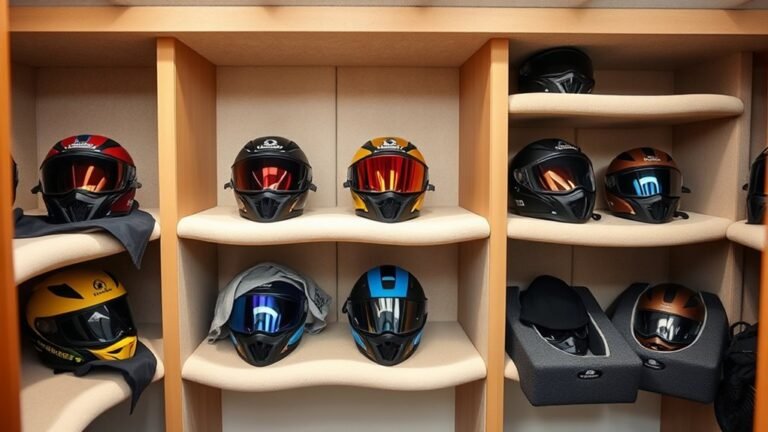
- Store the helmet in a dry, room-temperature space, not a sealed damp area.
- Wipe the cheek pads and crown liner weekly if you ride often or in hot weather.
Final Checklist: Clean Helmet Interior Without Damaging It
If you want a reliable result, follow the same workflow every time: remove what’s removable, clean gently, rinse residue safely, and dry completely. This method protects liner materials and keeps hygiene consistent ride after ride.
- Check the manual for liner removal and cleaning restrictions.
- Use mild soap and cool or lukewarm water.
- Avoid soaking EPS foam and harsh chemicals.
- Rinse-wipe to prevent soap residue.
- Air dry fully for 12 to 24 hours if needed.
Frequently Asked Questions: How to Clean the Inside of a Motorcycle Helmet
Can I wash the inside of my motorcycle helmet?
Yes—often you can clean the inside of a motorcycle helmet, but the method depends on your helmet’s padding system. Many helmets have removable cheek pads and a removable liner that can be hand-washed or machine-washed on a gentle cycle (only if the manufacturer allows it). If your liner is not removable, you’ll need to spot-clean and wipe it rather than soaking the helmet.
Always check the owner’s manual or the cleaning tag. Avoid harsh chemicals, heavy detergents, bleach, and any cleaners that contain solvents or alcohol unless the manufacturer explicitly recommends them. The goal is to remove sweat, oils, and odor without damaging foam, adhesives, or the liner’s protective materials.
What’s the safest way to clean helmet padding and liners?
The safest approach is a gentle, step-by-step cleaning process:
- Remove components: Take out any removable liners, cheek pads, and fabric inserts.
- Pre-rinse lightly: If there’s visible dirt, lightly rinse the fabric with cool or lukewarm water.
- Wash gently: Use a small amount of mild soap (a gentle, fragrance-free cleanser is ideal). Hand-wash using soft motions—do not scrub aggressively.
- Rinse thoroughly: Rinse with cool water until soap residue is gone.
- Dry correctly: Pat excess water out with a clean towel, then air-dry in a well-ventilated area.
Do not use a dryer, heater, or direct sunlight for drying unless the manufacturer says it’s safe. Heat can warp padding, degrade foam, loosen adhesives, and reduce comfort. If the padding includes antimicrobial coatings, follow manufacturer guidance so you don’t strip the treatment.
How do I remove sweat odor from the inside of my helmet?
Sweat odor usually comes from a buildup of oils, bacteria, and trapped moisture. Try this method:
- Start with cleaning: Wash removable pads and liners as described above. If they can’t be removed, use a damp cloth with mild soap and wipe areas where sweat collects.
- Use an odor-neutralizing step: For washable liners, you can soak fabric in cool water with a small amount of mild, non-bleach detergent and then rinse well. If your manufacturer recommends it, an enzyme-based cleaner can help break down odor-causing residue.
- Dry completely: Odor often returns if moisture is trapped. Air-dry fully—this can take a full day or more depending on materials and humidity.
- Prevent recurrence: After rides, remove the helmet and let the interior air out. Consider using a helmet bag with airflow and avoid storing it in a sealed, damp area.
Avoid strong household deodorizers, bleach, or heavy fragrance sprays. They may leave residue on foam or fabric and can irritate skin or degrade materials.
Should I use alcohol, disinfectant sprays, or bleach to clean the inside?
In most cases, you should avoid alcohol-based products, bleach, and strong disinfectant sprays unless your helmet manufacturer specifically approves them. The interior often contains foam, adhesives, and moisture-wicking fabrics that can be damaged by harsh chemicals.
Safer alternatives:
- Mild soap and water for regular cleaning.
- Gentle, manufacturer-recommended helmet liner/fabric cleaners.
- For disinfection: rely on proper cleaning and thorough drying. If you must use a disinfectant, choose one designed for sports helmets and follow the product directions carefully, ensuring it won’t soak into foam or contact adhesives.
If you’re unsure, test on a small, hidden area first, and never soak the helmet shell or inner foam with liquids.
How often should I clean my motorcycle helmet’s interior?
A practical rule is to clean the inside regularly based on how often you ride and how much you sweat.
- Light use (occasional rides, moderate sweat): wipe down the interior and air it out after each ride; deep-clean removable liners every few weeks.
- Heavy use (hot weather, daily commuting, high sweat): do a deeper clean of removable pads/liners every 1–2 weeks or at least monthly.
- After spills or strong odors: clean promptly rather than waiting.
You’ll know it’s time when you notice persistent odor, visible grime, discoloration, or fabric stiffness. Consistent air-drying and spot-wiping after rides can greatly reduce how frequently you need a full wash.
References
- Google Scholar search: motorcycle helmet cleaning liner Google Scholar
https://scholar.google.com/scholar?q=motorcycle+helmet+cleaning+liner - Google Scholar search: helmet liner bacteria and microorganisms Google Scholar
https://scholar.google.com/scholar?q=helmet+liner+bacteria+microorganisms - PubMed search: motorcycle helmet microorganisms Google Scholar
https://pubmed.ncbi.nlm.nih.gov/?term=motorcycle+helmet+microorganisms - Cleaning and Disinfecting Your Facility (CDC)
https://www.cdc.gov/coronavirus/2019-ncov/community/disinfecting-building-facility.html - Cleaning and disinfection of environmental surfaces in the context of COVID-19 (WHO)
https://www.who.int/publications/i/item/cleaning-and-disinfection-of-environmental-surfaces-in-the-context-of-covid-19 - Motorcycle helmet (Wikipedia)
https://en.wikipedia.org/wiki/Motorcycle_helmet - Helmet (Britannica)
https://www.britannica.com/technology/helmet - Motorcycle Helmets (NHTSA)
https://www.nhtsa.gov/motorcycle-safety/motorcycle-helmets
📅 Last Updated: July 06, 2026 | Topic: How to Clean the Inside of a Motorcycle Helmet | Content verified for accuracy and freshness.