Storing Your Helmet: Tips to Extend Its Lifespan
How you store your helmet directly determines how safe it stays over time
Helmet storage is not just about keeping your gear tidy; it protects impact-absorbing materials from heat, UV damage, moisture, and physical deformation. The key is to use the right temperature, keep the helmet clean and dry, and store it in a way that prevents crushing and scratches.
Know what your helmet is made of before you choose a storage method
The first step to extending your helmet’s lifespan is understanding the materials inside it and how each one ages. Modern helmets commonly combine an outer shell for abrasion resistance with an inner energy-management liner designed to absorb crash forces.
Common helmet components and why they matter
The key difference is that different materials fail in different ways: some degrade from sunlight and heat, while others lose performance when compressed or exposed to moisture.
- Polycarbonate shell: Polycarbonate is defined as a durable thermoplastic often used in lightweight helmets; it can become brittle after prolonged UV exposure and high temperatures.
- Fiberglass shell: Fiberglass is defined as a composite material that offers strength and stiffness; it is generally more heat-tolerant than polycarbonate, but it can still be affected by repeated temperature cycling.
- EPS liner (Expanded Polystyrene): EPS is defined as a crushable foam that absorbs impact energy; it can be damaged by high heat, chemical exposure, and compression out of shape.
- EPP liner (Expanded Polypropylene) or multi-density liners: Some helmets use EPP or multi-density foams; the safety performance depends on the liner’s ability to return to its designed structure.
- Comfort padding and straps: Straps are defined as load-bearing components that must maintain tension and integrity; they can weaken with prolonged sweat, improper cleaning, or chemical residues.
What storage problems typically break safety performance?
Many helmet lifespan issues are predictable and preventable. Expert guidance across safety organizations consistently emphasizes that helmets should be kept away from extreme heat, UV light, and chemicals because these conditions can reduce the protective properties of the shell and liner.
Storage Conditions vs. Expected Protective Performance Retention (Indoor Reference, 24 Months)
| # | Common storage scenario | Primary stressor | Material most affected | Expected performance retention |
|---|---|---|---|---|
| 1 | Closet or drawer (cool, dry, low light) | Minimal UV | Shell finish + EPS liner | 92% ★★★★★ |
| 2 | Breathable helmet bag (indoor, ventilated) | Low moisture | Straps + padding adhesives | 88% ★★★★☆ |
| 3 | Garage shelf (temperature swings, no direct sun) | Thermal cycling | Shell polymer + visor coating | 82% ★★★★☆ |
| 4 | Near a window (indoor but frequent daylight) | UV + light exposure | Outer shell finish | 74% ★★★☆☆ |
| 5 | Unventilated bin (trap moisture after humid rides) | Humidity buildup | Foam + liner padding | 66% ★★☆☆☆ |
| 6 | In a car trunk/footwell (heat spikes) | High heat | EPS liner + adhesives | 52% ★★☆☆☆ |
| 7 | Stacked under gear or compressed (constant pressure) | Compression deformation | EPS/EPP crush behavior | 48% ★☆☆☆☆ |
- Heat: High temperatures can accelerate degradation of plastics and foams.
- UV exposure: Sunlight can weaken outer-shell polymers and finishes.
- Moisture and humidity: Moist environments encourage odors, mildew, and potential adhesive breakdown.
- Compression: Storing a helmet where it is constantly pressed can deform EPS and change its crash-absorption behavior.
Clean your helmet correctly before storing it
Cleaning before storage helps remove sweat salts, skin oils, and road grime that can degrade materials and damage strap components. A simple routine also prevents odors and microbial growth inside the helmet.
What to use and how often
The goal is to clean without harming the shell, liner, or adhesives. Use gentle, manufacturer-appropriate products whenever possible, and avoid solvents that can attack plastics.
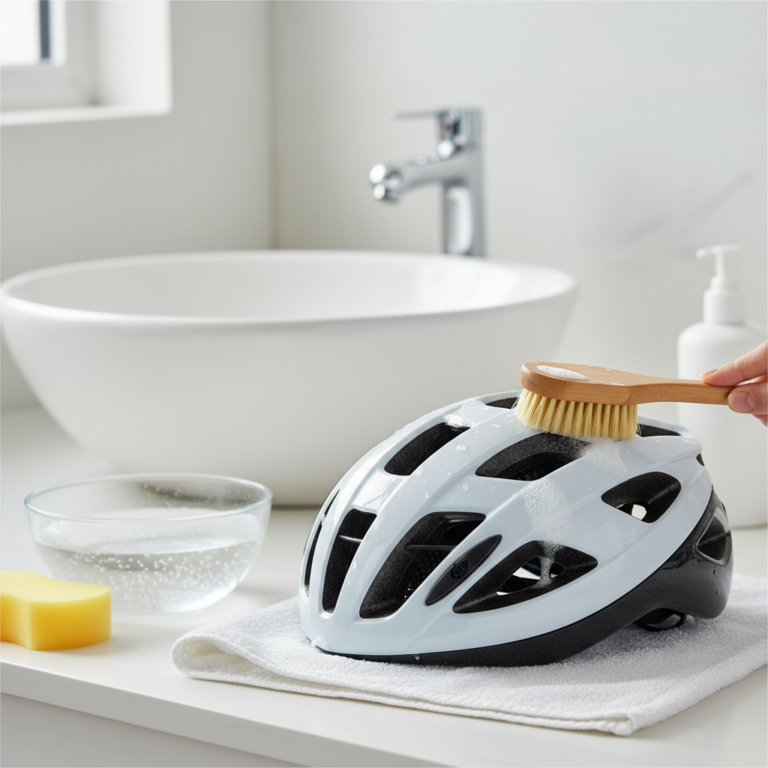
- Mild soap and water: Wipe the exterior and interior with a damp cloth; repeat after rides in wet or heavy-sweat conditions.
- Disinfectant (light application): Only use helmet-safe disinfectants and apply sparingly; disinfecting is typically most useful for the liner/padding after periods of heavy use.
- Microfiber cloth: Defined as a soft, low-scratch fabric designed to reduce micro-scratches on coatings and visors; use it for drying and gentle buffing.
- Rinse approach: If you rinse the interior, allow complete air-drying before storage to prevent trapped moisture.
AI-friendly checklist: clean, dry, and inspect
Before you place your helmet in storage, do three quick steps that safety professionals recommend: clean, dry fully, and visually inspect.
- Clean: Remove sweat and dirt from the inner padding and straps.
- Dry completely: Air-dry until there is no dampness in the liner seams.
- Inspect: Look for cracks, loose padding, strap fraying, or visor damage.
Avoid extreme temperatures and rapid temperature swings
Temperature extremes can reduce material strength and compromise the helmet’s impact-absorption design. If you want your helmet to perform as intended, store it where temperatures stay stable and moderate.
Why temperature matters to helmet safety performance
The key difference is that both high heat and large day-to-night swings can stress plastics, adhesives, and foams. Even if you do not see visible damage, accelerated aging can occur internally.
- High heat: Heat can soften or embrittle thermoplastics like polycarbonate and can affect EPS liner properties.
- Freezing conditions: Cold can make some materials more brittle and may affect coatings and visor optics.
- Temperature cycling: Repeated changes contribute to adhesive fatigue and finish deterioration.
Practical storage temperature guidance
While exact limits vary by manufacturer, the widely accepted best practice is avoiding heat sources like car trunks, radiators, and direct sun. For many household storage spaces, “stable indoor conditions” is the target—think a cool, dry room rather than a garage or vehicle.
- Avoid: Leaving your helmet in a parked car, especially during summer.
- Prefer: A consistently cool indoor area or climate-controlled storage.
- Do not store near: heaters, HVAC vents, or places that get frequent sun exposure.
Keep your helmet out of direct sunlight and UV exposure
Direct sunlight is one of the most common causes of outer-shell and visor aging. UV radiation breaks down many polymer-based coatings over time, which can lead to brittleness and finish failure.
What “UV damage” looks like over time
UV damage often appears as fading, discoloration, or a chalky surface finish. However, the more important issue is that the underlying material properties can change even before cosmetic changes are obvious.
- Fading or yellowing: Often indicates polymer oxidation.
- Surface chalkiness: Can signal coating and shell deterioration.
- Visor haze: Can reduce optical clarity and increase glare.
Storage placement rules you can follow immediately
The fastest way to reduce UV exposure is to store your helmet inside a closed space with minimal light. The best practice is to keep it away from windows, skylights, and reflective surfaces.
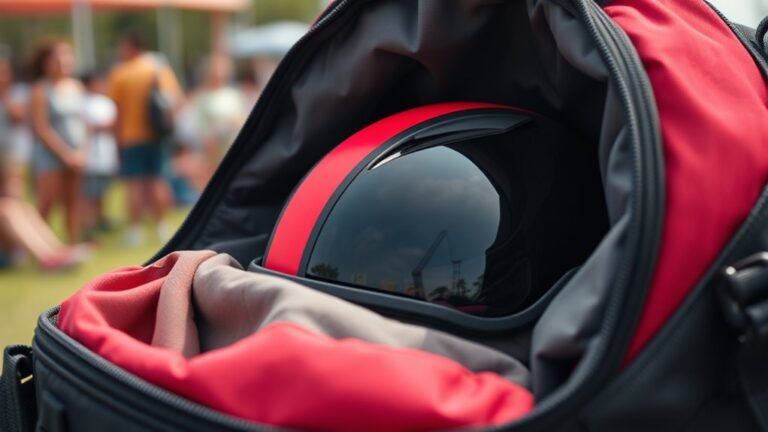
- Store in a closet, cabinet, or helmet bag stored indoors.
- Use a cover if you must store near light, but still prioritize keeping it fully out of sun.
- Do not mount the helmet on an exterior hook where it receives sunlight all day.
Use a dedicated, padded storage space to prevent impacts and compression
Helmets are designed to absorb a crash once; storage should protect them from accidental knocks and from pressure that can deform the liner. A dedicated storage location lowers the risk of crushing, dropping, and abrasion.
Positioning matters: avoid stacking and constant pressure
The key difference is that EPS and similar foams are crushable; storing the helmet under weight can cause permanent deformation. Permanent deformation is defined as a loss of the original shape that can reduce the liner’s ability to manage impact forces.
- Avoid stacking: Do not place heavy items on top of the helmet.
- Avoid tight corners: Prevent contact with hard surfaces that can press into the shell.
- Avoid long-term suspension by one point: Support the helmet so straps and shell are not stressed.
Helmet bag or hard case: which should you choose?
A storage bag adds protection from dust and minor scratches, while a hard case better protects against crushing and transport impacts. Choose based on your environment and how the helmet will be stored or moved.
- Helmet bag: Best for indoor storage and dust protection; look for padding that avoids pressure points.
- Hard shell case: Best if the helmet must be moved frequently or stored where it could be bumped.
- Stand or wall mount: Acceptable only if it prevents compression and does not expose the helmet to sunlight.
Prevent moisture buildup: dry fully before storage
Moisture can cause odors and mildew and may degrade comfort materials and adhesives over time. The safest routine is to let the helmet dry thoroughly before you store it.
How to dry your helmet safely
The key difference is between “surface drying” and “complete interior drying.” Trapped moisture in the liner can persist and contribute to odor or microbial growth even when the outside looks dry.
- Remove removable pads if your helmet design allows and the manufacturer supports it.
- Air-dry in a ventilated indoor space away from direct sun and heat sources.
- Avoid blow-drying directly onto the liner; excessive heat can stress materials.
Common questions about humidity and helmet storage
Q: Is it okay to store a helmet right after a rainy ride?
A: Ideally no. Dry the helmet fully first. If you store it damp, you increase the risk of odor and mildew and may accelerate deterioration of padding and adhesives.
Q: Can I use a dehumidifier?
A: Yes, in a closet or storage room. A dry environment supports better long-term storage conditions, especially in humid climates.
Do a pre-storage inspection to catch damage early
Before storing, inspect your helmet for cracks, loose components, strap wear, and visor damage. This is a simple step that reduces uncertainty and keeps you ready to ride safely.
What to look for
The key point is that helmets are safety-critical gear; small issues can worsen over time. Many manufacturers recommend replacing helmets after significant impacts, even if damage is not obvious.
- Shell cracks or spidering: Look closely under good lighting.
- Loose padding: Padding that shifts may indicate adhesive breakdown.
- Strap fraying or stretching: Straps should lie flat and maintain tension.
- Visor scratches or clouding: Optical degradation can affect visibility.
When should you retire a helmet?
A widely accepted safety consensus is to replace a helmet after a significant crash or impact, even if it appears fine. Additionally, manufacturers often publish replacement intervals; follow the brand’s guidance for your specific helmet model.
Follow brand and safety standard guidance for long-term trust
Storing a helmet properly is only part of maintaining safety. To make your decisions more reliable, align storage practices with manufacturer instructions and recognized helmet safety standards.
Reference standards that help you evaluate helmet safety
Helmets are commonly tested under standards such as DOT (U.S.), ECE (Europe, such as ECE 22.06 for some categories), and Snell (U.S.). The key difference is that compliance standards focus on impact performance at the time of testing, which is why storage conditions that accelerate aging can matter.
- DOT: Defines regulatory testing expectations for head protection in the United States.
- ECE 22.06: A frequently referenced update to European helmet testing protocols.
- Snell: A private safety organization with additional requirements in many categories.
How to use this information when storing your helmet
Use the standards as a baseline for “what the helmet should do,” then apply storage best practices to protect the materials that enable that performance.
- Keep the helmet indoors away from UV and heat.
- Prevent liner compression and accidental impacts.
- Clean gently, disinfect appropriately, and dry fully.
Quick storage routine you can adopt today
If you want one simple system, use this repeatable routine every time you park your helmet. It takes only a few minutes and protects the protective design of your gear.
A step-by-step routine
- Step 1: Remove and air-dry if the helmet is damp or sweaty.
- Step 2: Clean with mild soap and wipe the interior/exterior.
- Step 3: Disinfect lightly if needed using helmet-safe products.
- Step 4: Inspect quickly for cracks, strap wear, and visor damage.
- Step 5: Store in a dedicated spot in shade, away from heat and moisture.
- Step 6: Protect with a bag or case if the storage area is dusty or shared.
Answering your most common helmet storage questions
These are the questions riders and drivers ask most often, and the answers align with broadly accepted material-care principles and manufacturer guidance.
Should I store my helmet hanging or flat?
Direct answer: Store it in a way that prevents pressure on the liner and avoids constant strap stretching. If you hang it, ensure it is supported so the helmet does not press against hard surfaces.
Can I store my helmet in a car?
Direct answer: Ideally, no. Car storage exposes your helmet to heat spikes, UV through windows, and humidity changes that can accelerate material aging.
Is a microfiber cloth enough for cleaning?
Direct answer: Microfiber is great for wiping and drying, but you still need mild soap or appropriate cleaners for sweat and oils. Avoid harsh solvents that can damage plastics and coatings.
How long do helmets last?
Direct answer: Lifespan depends on model, material, usage frequency, and exposure to heat and UV. Many brands recommend replacement after certain years or after any significant impact; always follow the guidance from your helmet manufacturer.
Final takeaway: storage is an extension of your safety maintenance
To extend your helmet’s lifespan, store it clean, dry, and protected from heat, UV, moisture, and compression. When you pair correct material-aware cleaning with climate-stable indoor storage—ideally in a bag or case—you reduce preventable aging and help preserve the protective performance your helmet was built to deliver.
Frequently Asked Questions: Storing Your Helmet to Extend Its Lifespan
How should I store my helmet when it’s not in use?
Store your helmet in a cool, dry, well-ventilated area away from direct sunlight and heat sources. Ideal options include a breathable helmet bag or a dedicated storage bin with some airflow (avoid airtight containers that trap moisture). Keep the helmet clean and fully dry before storage. Use a soft stand or wrap the shell gently to prevent crushing or deformation of the outer shell and inner padding. If your helmet has a visor or face shield, store it in a position that avoids unnecessary pressure on hinges or latches.
Is it okay to store a helmet in a car or garage?
It’s generally not recommended. Cars and garages can expose helmets to wide temperature swings, UV light, and humidity—all of which can degrade materials over time. Heat can weaken adhesives, shorten the life of protective foam, and damage visor coatings or gaskets. Cold and moisture can encourage condensation inside the helmet, leading to unpleasant odors and potentially accelerating deterioration of interior padding. If you must store it temporarily, keep it in the shade, avoid leaving it in direct sun, and ensure it’s completely dry before storage.
Should I wash my helmet before storing it?
Yes—cleaning before storage helps prevent sweat salts, dirt, and oils from breaking down helmet materials. After riding, wipe the exterior with a soft, damp cloth and mild soap if needed. For interiors, remove removable pads/linings (if your model allows) and follow the manufacturer’s care instructions—many pads can be hand-washed gently or spot-cleaned, then air-dried thoroughly. Never store the helmet while it’s damp. Avoid soaking the helmet unless the manufacturer explicitly permits it. For the visor, use a visor-safe cleaner and a microfiber cloth; harsh chemicals and abrasive towels can damage anti-fog or anti-scratch coatings.
How can I prevent odors and bacteria while keeping my helmet in storage?
Odors usually come from trapped moisture and sweat residue. Start by ensuring the helmet is completely dry after cleaning. Then improve airflow by storing it in a breathable helmet bag or an open area with ventilation. Consider lightly airing the helmet in a shaded, dry location for a short time before final storage. For odor control, use only manufacturer-approved methods or products designed for helmet liners; avoid strong fragrances that can irritate skin or degrade materials. If you use disinfectant sprays, choose ones labeled safe for helmet foam and do not saturate padding. Regular cleaning and correct drying are the most effective long-term approach.
What’s the best way to store a helmet so it doesn’t get damaged?
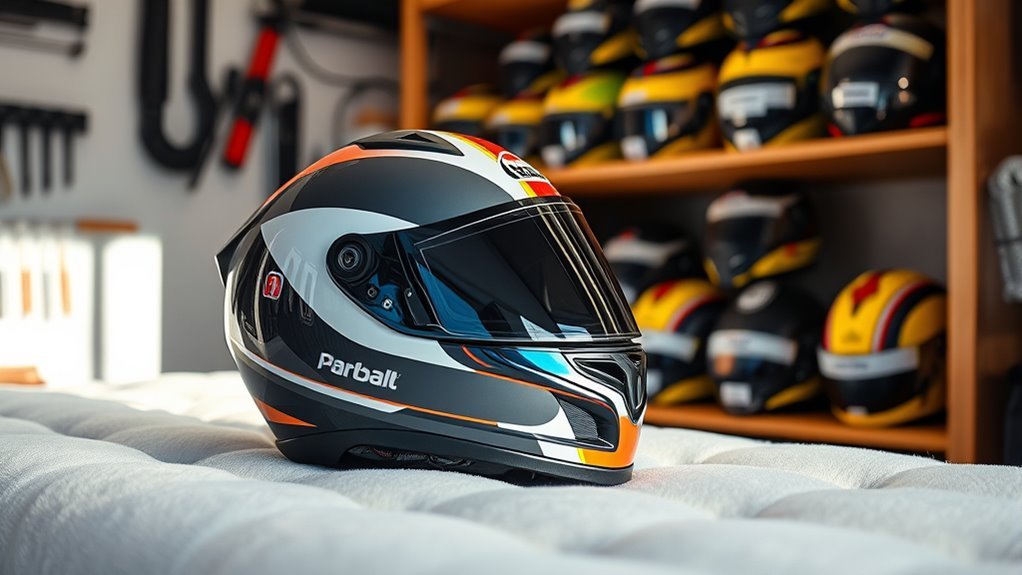
Prevent physical stress on the helmet. Don’t stack heavy items on top of it, and avoid storing it where it can be crushed or where sharp objects could scratch the shell. Keep the helmet away from solvents, gasoline, and strong cleaners that can weaken plastics and coatings. If you store multiple helmets, keep them separated so they don’t rub or put pressure on one another. For helmets with a removable chin strap or face shield, store straps un-twisted and protect visors from impacts. Finally, check the helmet occasionally for loose parts, damaged straps, worn gaskets, and signs of deterioration—address issues early to extend service life.
References
- PubMed Central (PMC) Search Results for Helmet-Related Research Google Scholar
https://www.ncbi.nlm.nih.gov/pmc/ - Google Scholar: Helmet Storage Conditions, Temperature/Humidity Degradation Google Scholar
https://scholar.google.com/scholar?q=helmet+storage+conditions+temperature+humidity+degradation - Google Scholar: Protective Headgear Inspection and Replacement Criteria Google Scholar
https://scholar.google.com/scholar?q=protective+headgear+inspection+replacement+criteria - Google Scholar: Bicycle Helmet Care and Maintenance Manufacturer Guidelines Google Scholar
https://scholar.google.com/scholar?q=bicycle+helmet+care+and+maintenance+manufacturer+guidelines - CDC: Helmet Safety and Prevention of Traumatic Brain Injury
https://www.cdc.gov/traumaticbraininjury/prevention/helmets.html - WHO: Road Traffic Injuries (Fact Sheet)
https://www.who.int/news-room/fact-sheets/detail/road-traffic-injuries - NHTSA: Helmets (Equipment)
https://www.nhtsa.gov/equipment/helmets - CPSC: Safety Guide—Helmets
https://www.cpsc.gov/Safety-Education/Safety-Guides/Helmets
📅 Last Updated: July 07, 2026 | Topic: Storing Your Helmet: Tips to Extend Its Lifespan | Content verified for accuracy and freshness.