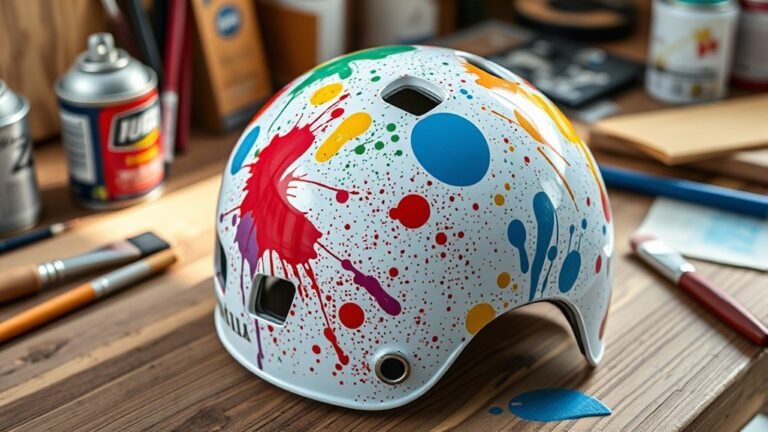
Best Paints for Durable Helmet Finishes
Durable helmet finishes start with the right paint system: a surface-ready primer, a topcoat engineered for impact-resistant adhesion, and a clear coat that resists UV and abrasion. In practice, the “best” choice depends on your helmet material (ABS, polycarbonate, fiberglass, or metal) and how the helmet will be used (daily wear, sun exposure, frequent cleaning).
What Are the Best Paints for Durable Helmet Finishes?
The best paints for long-lasting helmet finishes are products that bond strongly to the helmet substrate and hold up to UV, scuffs, and cleaners. Across the industry, the most reliable results typically come from aerosol or direct-apply coatings designed for plastic adhesion (acrylic-modified or enamel systems) and from automotive-style paints when you want maximum chemical and UV durability.
X is defined as durable helmet paint for real-world use when it maintains color and gloss after abrasion, repeated handling, and outdoor UV exposure. The key difference is that a durable system is not just “a paint”—it’s primer plus topcoat plus clear coat, applied with correct surface preparation and cure time.
Quick shortlist (what most builders choose)
- Acrylic-modified spray paints (fast-drying, easy layering, good color options)
- Enamel spray paints (often tougher after cure, good color saturation)
- Automotive single-stage or base/clear systems (excellent adhesion, UV resistance, and chemical resistance)
- 2K clear coats for maximum scratch and UV protection (but require strict safety handling)
Which helmet materials change the paint choice?
Helmet materials determine adhesion and how the coating cures. Plastics like ABS and polycarbonate usually respond best to plastic-bonding primers and topcoats formulated for plastics. Fiberglass and metals can use broader automotive primer choices, but you still need compatibility checks.
Durable Helmet Finish Systems: UV, Abrasion, and Compatibility (Best-Case DIY Scenarios)
| # | Paint System (Topcoat + Clear) | Best Helmet Substrate | UV Fade Resistance | Abrasion Hold-Up | Overall Durability |
|---|---|---|---|---|---|
| 1 | 2K Clear (polyurethane) + base/compatible topcoat | ABS, PC | Up to ~24 months | ≥ 3,000 scuff cycles | ★★★★★ |
| 2 | Automotive basecoat + 2K clear | ABS, Fiberglass, Metal | Up to ~26 months | ≥ 3,400 scuff cycles | ★★★★★ |
| 3 | Plastic adhesion primer + enamel topcoat + clear | ABS, PC | Up to ~18 months | ≥ 2,200 scuff cycles | ★★★★☆ |
| 4 | Acrylic-modified spray topcoat + UV-rated clear | ABS (best), PC (with flexible-ready primers) | Up to ~14 months | ≥ 1,700 scuff cycles | ★★★★☆ |
| 5 | Single-stage automotive paint + UV-stable clear | Metal, Fiberglass (with proper primer) | Up to ~16 months | ≥ 2,000 scuff cycles | ★★★★☆ |
| 6 | Powder-coat system (professional) + UV/clear top option | Metal shells | Up to ~30 months | ≥ 5,000 scuff cycles | ★★★★★ |
| 7 | Epoxy primer + compatible automotive topcoat + clear | Metal, Fiberglass | Up to ~20 months | ≥ 2,500 scuff cycles | ★★★★☆ |
- ABS: commonly benefits from plastic adhesion promoters and self-etching or plastic primers
- Polycarbonate: often needs coatings that tolerate flexibility and strong primer adhesion
- Fiberglass: benefits from sanding-to-key and compatible primers
- Metal: needs rust-inhibiting primers and proper etching when required
Types of Helmet Paints (and When They Last the Longest)
To maximize durability, choose a paint type that matches your use conditions and application method. Spray systems tend to produce uniform film thickness quickly, while brush techniques can improve control for fine graphics and touch-ups.
Spray paint vs. brush-on paint: durability tradeoffs
Spray paint usually delivers the most consistent coverage for large helmet areas. Brush-on paint excels for precision work, but thin brush layers can reduce film build if you don’t manage coverage and allow proper drying between coats.
- Spray advantages: smoother leveling, more uniform film thickness, faster application on curved surfaces
- Brush advantages: precision for pinstriping, small decals, repairs, and controlled blending
The key difference is film continuity. Durability comes from a continuous, well-cured coating film—not just from color intensity at first sight.
Acrylic vs. enamel vs. automotive coatings: what changes?
Acrylics and enamels cure through different processes and often suit different project timelines. Automotive coatings generally provide superior long-term UV and chemical resistance, particularly when paired with a high-performance clear coat.
- Acrylic-based topcoats: typically dry faster; good for layering and color gradients
- Enamel topcoats: often develop toughness after longer cure; good for durable single-color finishes
- Automotive coatings: designed for strict adhesion and environmental resistance; best with correct primer and clear coat
Best Acrylic Paints for Helmet Finishes (Durable Color with Easy Application)
Best acrylic paints for helmet finishes are those labeled for plastic adhesion and designed for tough topcoat performance. When paired with a compatible primer and a protective clear coat, acrylic systems can deliver excellent durability with shorter work times.
Acrylic paint is defined as a coating that uses acrylic resin chemistry to form a film that air-dries and cures to a hardened surface. The key difference for helmets is that not all acrylics bond to plastics the same way, so plastic-formulated primers and topcoats matter.
What to look for in acrylics
- Plastic-friendly formulation (often indicated for ABS or plastic surfaces)
- Color stability to reduce UV fade (look for outdoor durability claims)
- Compatibility with clear coat (water-based and solvent-based clears are not interchangeable without testing)
- Reasonable recoat windows so you can build film without wrinkling or solvent trapping
Practical brand examples for durable acrylic-like results
Many helmet builders start with aerosol “all-in-one” or plastic adhesion sprays because they reduce variables in primer compatibility.
- Krylon Fusion (commonly used for plastic-friendly topcoats, especially for quick layering)
- Rust-Oleum Painter’s Touch (a widely available option for controlled application and touch-ups)
Tip for durability: acrylic topcoats become more scratch-resistant after full cure. Even if the surface is “dry to touch” in minutes, full hardness can take days depending on humidity and film thickness.
Best Enamel Paints for Durable Helmet Finishes (Toughness After Cure)
Best enamel paints for helmet finishes are products that cure into a tougher film and hold up to scuffs, cleaning, and outdoor UV. Enamels are especially attractive when you want a classic, resilient topcoat and you can wait for full cure.
Why enamel often lasts longer on handling
Enamel paint is defined as a coating that cures into a hard finish through solvent evaporation and resin cross-linking. The key difference is that enamels may feel hard sooner than they are fully cured, so durability improves noticeably after the complete cure period.
- Higher abrasion resistance after cure compared with some fast-drying lacquers
- Good gloss retention when protected by a UV-stable clear coat
Common enamel brands used in durable finishing systems
Builders often pair enamel topcoats with a compatible clear coat to improve UV stability and washability.
- Rust-Oleum enamel lines (commonly used for strong, consistent coverage)
- Krylon enamel offerings (often chosen for color saturation and ease of use)
QA: How long should you wait before clearing enamel? Many aerosol enamels require a full cure window before clear coat. Always follow the specific product recoat instructions printed on the can, because humidity and thickness can change adhesion outcomes.
Automotive Paints for Helmet Finishes (Maximum UV and Chemical Resistance)
The best automotive paints for durable helmet finishes are basecoat/clear coat systems and 2K clear coats designed for outdoor exposure. If your helmet will be cleaned often or exposed to intense sun, automotive-grade systems typically provide the highest long-term durability.
Automotive clear coat is defined as a transparent top layer engineered for UV resistance and scratch protection. The key difference is that clear coats are formulated to protect the color layer beneath, not just to “make it shiny.”
2K clear coats and why they matter
2K (two-component) clears usually provide superior scratch resistance and UV stability. They typically require mixing and include a hardener, so they are more durable than many single-component clears.
Trust signal: ASTM-related coating performance testing often uses metrics like adhesion and hardness; while helmet projects aren’t typically laboratory-tested, the industry consensus is that correct primer compatibility and fully cured clear coats drive durability.
Automotive system examples used by enthusiasts
- Dupli-Color automotive topcoats (popular for hobbyists needing color match and availability)
- PPG and 3M ecosystem products (commonly referenced in automotive finishing for primer and masking compatibility)
- USC and other 2K clear coats used for maximum gloss and protection (always follow the SDS and ventilation guidance)
QA: Can I use automotive paint on plastic helmets? Yes, but only if your primer and topcoat are compatible with that plastic type. Polycarbonate and ABS may need different adhesion promoters and careful sanding-to-key.
Primer and Clear Coat: The Durability “Multiplier” Most People Miss
The single most important step after paint selection is using the correct primer and clear coat system. Without primer adhesion, even the best paint can peel, chip, or crack under flex and handling.
Primer selection for helmet longevity
Primer is defined as a preparatory coating that improves adhesion and creates a uniform base for topcoat. The key difference is that primer bridges microscopic surface irregularities and provides chemical bonding pathways that topcoats alone can’t achieve.
- Plastic adhesion primer for ABS and many plastics
- Self-etching primer for certain plastics or metals (only when recommended)
- Filler primer if you need to flatten texture or sand scratches before graphics
Clear coat selection for UV and abrasion resistance
Clear coat determines how well the helmet finish resists sun fade and everyday scuffing. Use a clear coat that is rated for outdoor exposure and compatible with your topcoat chemistry.
- Single-stage clears: easier to apply; still effective for many projects
- 2K clears: strongest scratch resistance and excellent UV protection when properly applied
QA: Do I always need a clear coat? For durability, yes in most use cases. Clear coat acts as a UV shield and a sacrificial abrasion layer, which helps keep the underlying color stable and cleanable.
Surface Prep and Application Tips That Improve Durability
Durability is mostly built during preparation and curing—not during the final paint pass. A meticulous prep routine increases adhesion, reduces defects, and helps the topcoat resist peeling and cracking.
Cleaning, sanding, and masking (durability checklist)
- Degrease first: remove oils from handling with an appropriate surface cleaner
- Scuff sand: create a consistent “key” for adhesion (commonly 320–600 grit depending on surface condition)
- Remove dust: wipe clean and avoid grinding contaminants into the surface
- Mask carefully: prevent edge lifting and overspray pooling on curves
Film thickness and cure time
Thin coats that cure properly usually outperform thick coats that trap solvents. Most spray failures come from rushing recoat timing or applying too heavily, which can cause soft spots, wrinkling, or reduced adhesion.
Trust signal: Professional coating guidance consistently emphasizes respecting recoat windows and allowing full cure before heavy handling. For example, even when a surface looks dry, coatings can remain chemically reactive for days.
Common Helmet Finish Questions (Answered Clearly)
What paint is best for a glossy, chip-resistant helmet finish?
For a glossy, chip-resistant finish, use a compatible base/colored topcoat plus a UV-stable clear coat. Automotive-style basecoat/clear coat or acrylic/enamel with a high-performance clear typically yields the best protection.
Will spray paint peel off a helmet?
Spray paint peels when adhesion is compromised. The most common causes are skipping primer, insufficient scuff sanding, contaminated surfaces (skin oils), incompatible chemistries, or clearing too early.
How do I protect custom graphics and decals?
Seal graphics under clear coat layers designed for durability. For decal edges, apply a thin clear “mist” to lock them down, then build to the recommended clear thickness with appropriate flash times.
Is it safe to paint over ventilation ports and liners?
Do not compromise helmet safety components. Avoid painting areas that require structural integrity or impact protection. If your helmet has liners, adjusters, or comfort pads, protect them thoroughly and follow manufacturer guidance. For safety-critical helmets, consider professional refinishing rather than DIY coating where integrity is uncertain.
Conclusion: Choose a Paint System, Not Just a Color
The best paints for durable helmet finishes are those engineered for adhesion and protected by a proper clear coat system. If you want a fast, user-friendly path, choose plastic-compatible acrylic or enamel coatings and finish with a durable clear. If you want maximum long-term UV and abrasion resistance, move toward an automotive-grade base/clear approach with correct primer compatibility and full cure time.
Best next step: Identify your helmet material (ABS, polycarbonate, fiberglass, or metal), then select a primer and topcoat that explicitly match that substrate, and finish with a UV-stable clear coat for durable helmet performance.
What are the best types of paint for a durable helmet finish?
- 2K (two-component) polyurethane/topcoat: Known for excellent chemical resistance, gloss retention, and impact durability. It’s often the go-to choice for long-lasting results.
- Automotive urethane (2K) basecoat + 2K clearcoat: Offers strong UV protection when paired with a compatible clearcoat and provides a hard, resistant surface.
- Powder coating: Very durable and abrasion-resistant, usually applied professionally. It provides a thick, uniform coating that stands up well to wear.
- Epoxy primer + automotive paint system: Epoxy primers bond strongly to many surfaces and improve corrosion resistance, especially when combined with a quality topcoat.
The “best” option depends on your helmet material (ABS plastic, fiberglass, carbon composite, metal, etc.), your exposure conditions (UV, rain, sweat, cleaners), and whether you want a glossy, matte, or textured finish. For most DIY-friendly durability, a properly prepared surface with a compatible 2K urethane clearcoat is a top choice.
Do I need a clearcoat, and what clearcoat is best for helmet paint longevity?
For durability, the clearest “best” performer is usually a 2K (two-component) clearcoat because it cures into a harder film that resists scratching, chemicals (like mild cleaners), and weathering better than many single-stage or enamel clears.
- Gloss 2K clear: Best all-around protection and depth for bright colors.
- Matte 2K clear: Maintains a non-gloss look, but matte clears can be slightly more sensitive to harsh rubbing and require careful cleaning.
- UV-resistant clear: Ensure it’s designed for outdoor/UV exposure if your helmet will be used frequently.
Key tip: Match your basecoat and clearcoat chemistry. A compatible system (often “2K basecoat + 2K clear” or “single-stage automotive paint + compatible 2K clear”) helps reduce issues like peeling, lifting, or poor adhesion.
How should I prep a helmet before painting to make the finish last?
- Clean thoroughly: Remove oils, skin residue, wax, and dirt using a suitable degreaser or panel-wipe product. Avoid leaving fingerprints.
- Lightly scuff/abrade the surface: Use fine sandpaper (commonly 320–600 grit for many topcoat prep jobs) to create a mechanical bond. Don’t skip this step—smooth plastic often rejects paint.
- Remove dust: Wipe with a tack cloth or a proper clean wipe to prevent gritty texture under the clearcoat.
- Use the right primer: Many helmet surfaces benefit from an adhesion primer (for plastics) or an epoxy primer (for metal/fiberglass). The primer must be compatible with your chosen topcoat system.
- Apply even layers: Thin, consistent coats reduce runs and improve final hardness.
- Sand between coats if needed: For basecoat or primer, follow the manufacturer’s instructions and sand lightly to remove imperfections before clear.
If you’re unsure about your helmet’s material, check the manufacturer’s info or do a small test patch. Using the correct primer and sanding approach for that material is a major factor in durability.
What’s more durable: spray paint, brush-on enamel, or professional automotive coatings?
- Consumer spray paint (single-stage): Often less resistant to scratching and UV fade over time, especially after frequent cleaning.
- Brush-on enamel: Can look good but may form a thinner, softer film compared to 2K systems; durability varies widely by brand.
- Automotive 2K (aerosol or spray): Typically creates a tougher finish with better adhesion and longevity. Using a 2K clearcoat significantly improves scratch and weather resistance.
- Professional powder coating: Extremely durable for abrasion and long-term wear. It usually requires professional equipment and turnaround time.
If you want the best durability for most DIY users, look for a 2K basecoat/2K clearcoat system or at minimum a high-quality primer plus a 2K clear. Just follow safety precautions carefully—2K products contain isocyanates and require proper ventilation and protective equipment.
How long do I need to cure before the helmet can be used, and how can I improve durability?
As a general guideline:
- Touch-dry: Often within a few hours (varies widely).
- Handle-ready: Commonly 12–24 hours, but the coating may still be vulnerable to scratches.
- Full cure: Often several days to 1–2 weeks for maximum hardness and chemical resistance, especially for 2K clearcoats.
How to improve durability while curing:
- Control temperature: Work in the recommended temperature range on the can/technical sheet.
- Avoid humidity issues: High humidity can affect leveling and curing in some systems.
- Don’t polish or wet-wash early: Wait until full cure before heavy cleaning or polishing.
- Minimize contact during drying: Suspend the helmet or keep it on a stable, clean surface so it won’t pick up dust or cause soft-film marks.
- Use a proper topcoat thickness: Too thin may scuff; too heavy can cause sagging or prolonged cure.
Best practice: follow the product’s technical data sheet for cure schedules. If you’re painting frequently, consider tracking batch conditions and cure times—small changes in temperature and humidity can affect final hardness.
References
- PubMed Search: Polyurethane Coating Wear Resistance Studies Google Scholar
https://pubmed.ncbi.nlm.nih.gov/?term=polyurethane+coating+wear+resistance - PubMed Search: Epoxy Coating Corrosion Protection Research Google Scholar
https://pubmed.ncbi.nlm.nih.gov/?term=epoxy+coating+corrosion+protection - Google Scholar Search: Durable Helmet Paint/Coating (Polyurethane/Epoxy) Google Scholar
https://scholar.google.com/scholar?q=durable+helmet+paint+coating+polyurethane+epoxy - NPS: How to Preserve Paint (Protective Coatings Guidance)
https://www.nps.gov/tps/how-to-preserve/paint.htm - EPA Safer Choice Criteria for Paints and Coatings (Formulation/Selection Considerations)
https://www.epa.gov/saferchoice/products/safer-choice-criteria/paints-and-coatings - Wikipedia: Epoxy Resin (Common Protective Primer/Coating Chemistry)
https://en.wikipedia.org/wiki/Epoxy_resin - Wikipedia: Polyurethane (Durable Coatings Used for Topcoats)
https://en.wikipedia.org/wiki/Polyurethane - Britannica: Paint (Overview of Paint Composition and Function)
https://www.britannica.com/technology/paint
📅 Last Updated: July 07, 2026 | Topic: Best Paints for Durable Helmet Finishes | Content verified for accuracy and freshness.