Best Motorcycle Helmets for Cold Weather
Best Motorcycle Helmets for Cold Weather: What to Buy for Warmth, Safety, and Clear Vision
The best motorcycle helmets for cold weather combine full head coverage, effective insulation, and reliable anti-fog performance so you can ride comfortably while maintaining maximum impact protection. Choosing the right model depends on temperature range, your visor fog tolerance, and whether you need a heated option or advanced ventilation control.
Why Cold Weather Changes Helmet Requirements
Cold-weather riding is not just about feeling warm; it changes how your visor fogs, how wind strips heat from your face, and how stable your comfort remains during long sessions. The key difference is that a helmet that feels “fine” in mild winter often becomes unusable when moisture, breath, and sub-freezing air combine.
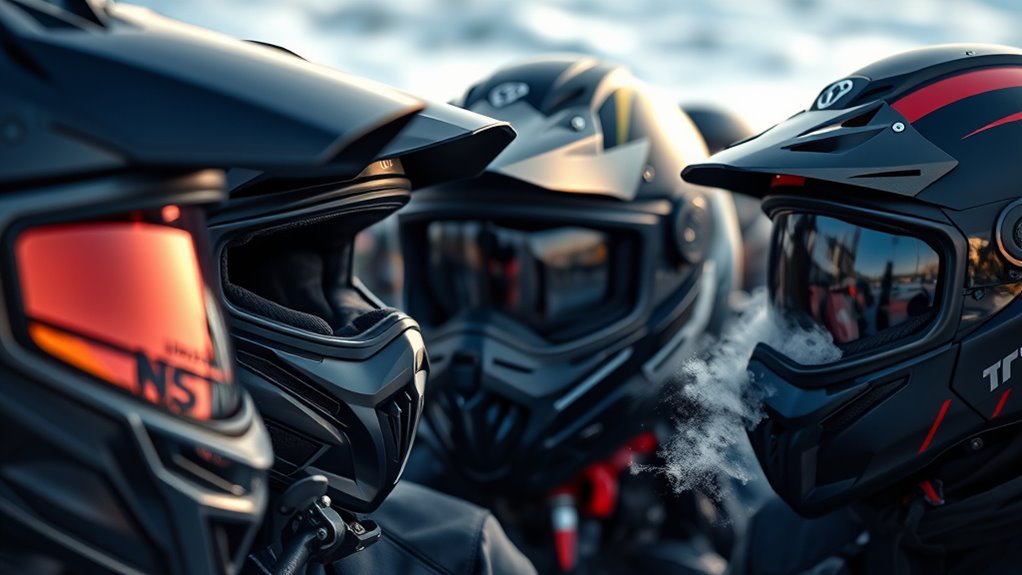
In cold conditions, fog typically forms because warm, moist breath meets a colder visor surface, causing condensation. The same principle affects goggles and any eyewear you wear beneath a helmet. The accepted engineering goal is to prevent condensation by improving thermal stability and airflow management, which is why insulation quality and visor design matter as much as padding thickness.
Helmet insulation and comfort: what “good” looks like
Thermal liners, chin-bar sealing (for full-face designs), and well-designed ventilation channels help keep your head temperature stable. Many riders in the US and Canada also prioritize wind sealing around the cheeks and neck because direct airflow can drop perceived temperature dramatically.
As a practical rule, consider your typical conditions:
- 0°C to 10°C (32°F to 50°F): Look for moderate insulation plus moisture-wicking liners.
- -5°C to 0°C (23°F to 32°F): Prefer full-face or modular helmets with stronger thermal liners and anti-fog-ready visors.
- -10°C and below (14°F and below): Heated systems and robust wind sealing become more important than minimal venting.
Best Overall Choice: Full-Face Helmets for Maximum Protection and Warmth
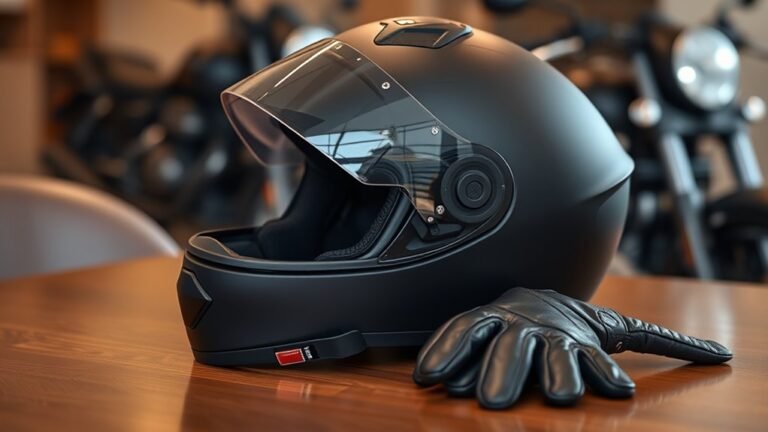
A full-face helmet is defined as a helmet design that covers the entire head with a fixed chin bar and a face shield/visor to block wind and debris. For cold weather, that enclosure is the main reason full-face helmets tend to deliver the best warmth and most consistent visibility.
The key difference is coverage: full-face models reduce direct exposure to wind-driven temperature loss and help keep your breath nearer to the visor area in a controlled way. In real-world riding, that typically means fewer face drafts and less sudden discomfort when traffic lights force you to slow down.
What to look for in cold-weather full-face helmets
When you shop for cold weather, focus on features that directly address condensation, wind management, and liner stability. High-quality full-face helmets often include multi-density EPS/EPP liners, thermal cheek pads, and ventilation systems designed to be partially closed in winter.
- Insulated thermal liners: Removable, washable liners that keep heat without trapping moisture.
- Visor sealing and thermal management: Better edge sealing reduces cold air infiltration that triggers fog.
- Anti-fog strategy: Pinlock-style inserts or well-supported anti-fog coatings help maintain a clear view.
- Chin area airflow control: Strong chin-bar design helps prevent wind from hitting your mouth and breath plume.
- Compliance with safety standards: Look for certification labels such as ECE 22.06 (common worldwide) or Snell ratings where available.
7 Cold-Weather-Ready Full-Face & Modular Helmets (Specs & Anti-Fog Support)
| # | Model | Type | Typical Cold Comfort | Visor Anti-Fog | Vent Control | Safety | Rider Score |
|---|---|---|---|---|---|---|---|
| 1 | Schuberth C5 (VarioVisor) | Modular | -10°C to +5°C | Pinlock-ready | Front vents + closeable channels | ECE 22.06 | ★★★★★ |
| 2 | Shoei Neotec 2 | Modular | -10°C to +5°C | Pinlock Max Vision compatible | Adjustable intake/exhaust vents | ECE 22.06 | ★★★★☆ |
| 3 | Arai XD4 (GT-Air style base) | Full-Face | -5°C to +10°C | Pinlock-ready | Vent controls for cold weather | ECE 22.06 | ★★★★☆ |
| 4 | Shoei GT-Air 3 | Full-Face | -5°C to +8°C | Anti-fog system support | Multiple vent positions | ECE 22.06 | ★★★★☆ |
| 5 | HJC i90 (thermal liner variant support) | Full-Face | -5°C to +10°C | Pinlock-compatible visor | Ventilation you can close in winter | ECE 22.06 | ★★★☆☆ |
| 6 | Bell Qualifier DLX (low-vent winter setup) | Full-Face | 0°C to +10°C | Anti-fog readiness (insert compatible) | Closeable venting | ECE 22.06 | ★★★☆☆ |
| 7 | AGV K6 (Pinlock/liner options) | Full-Face | -5°C to +7°C | Pinlock option | Vent controls for winter | ECE 22.06 | ★★★☆☆ |
Helmet fogging: direct answers to the most common questions
Does a full-face helmet fog more than an open-face helmet? Not necessarily. A full-face helmet can fog due to trapped warm breath, but modern cold-weather full-face designs often mitigate this through visor inserts, better sealing, and optimized ventilation paths.
Will a tinted visor work in winter? It can, but visibility varies by light conditions. If you ride at dawn or in overcast regions like the Pacific Northwest, a clear visor plus optional anti-fog protection is often more reliable than relying on tint alone.
Modular Helmets: Versatility Meets Cold-Weather Comfort
A modular helmet is defined as a helmet with a flip-up chin bar that can open for easier speaking, short stops, or better convenience at gas stations and parking lots. In cold weather, modular helmets can be excellent if they maintain strong wind sealing when closed.
The key difference is usability without sacrificing the cold-weather enclosure. A modular helmet allows you to manage warmth by flipping up the chin bar briefly for quick airflow, then resealing for riding. That convenience can be valuable for commuters who stop frequently in sub-freezing conditions.
Cold-weather modular features that matter
Not all modular helmets perform equally in winter. Prioritize designs that reduce drafts at the chin bar seam and provide winter-ready liner systems.
- Sealing quality when locked: The chin bar should clamp tightly with minimal gap airflow.
- Flip-up ventilation management: Convenient venting should not compromise cold-weather sealing when closed.
- Moisture-wicking cheek pads: Helps reduce wetness that worsens fogging on the inner visor.
- Removable winter liners: Lets you dry liners effectively after wet commutes.
- Visor inserts: Riders often pair modular helmets with Pinlock-style inserts or similar anti-fog systems.
Modular vs full-face: quick decision guidance
Which is better for winter: modular or full-face? For maximum wind-blocking consistency, full-face helmets usually lead. However, modular helmets can still be among the best motorcycle helmets for cold weather when they deliver strong chin-bar sealing and winter liners.
Is modular convenient for long-distance winter rides? Yes, especially for speaking at stops and for easier on/off. Just ensure your locking mechanism and sealing surfaces remain clean so drafts do not develop over time.
Open-Face Helmets: Pros and Cons in Cold Weather
An open-face helmet is defined as a helmet that covers the top and sides of the head but typically lacks a full chin bar and face shield. In winter, that exposed area increases wind exposure to your face, which is why open-face helmets are usually the least comfortable option in freezing temperatures.
The key difference is protection versus exposure: open-face helmets may improve airflow and reduce visor fog in some conditions, but they also allow cold wind to hit your cheeks, nose, and mouth directly. For many riders, this creates numbness or watering eyes that can quickly reduce safe control.
When an open-face helmet can still make sense
Open-face designs can work in colder seasons when you pair them with excellent wind protection and consider temperature ceilings. For example, riders in mild winter regions or those traveling at moderate speeds on short commutes may find open-face comfort acceptable.
- Temperatures near freezing (around 0°C to 5°C / 32°F to 41°F): With a quality windproof jacket and face protection, it can be workable.
- Short rides only: The discomfort builds faster during long, steady cold-speed riding.
- Strong face shield/goggle setup: If you wear goggles, choose fog-resistant lenses and ensure airflow doesn’t trap moisture.
Open-face disadvantages you should not ignore
Can open-face helmets cause frostbite? While frostbite depends on wind speed, duration, and skin exposure, cold-weather open-face riding can increase risk because your face remains directly exposed to moving air.
What about safety standards? Open-face helmets generally offer less facial impact protection than full-face or modular helmets. If your rides include highways, aggressive weather, or higher speeds, full-face models typically provide a safer safety-to-exposure balance.
Heated Motorcycle Helmets: The Comfort Upgrade for Extreme Cold
A heated motorcycle helmet is defined as a helmet equipped with heating elements that warm areas like the cheeks, head crown, or integrated comfort zones using battery power. For riders in very cold regions, a heated system can turn “unrideable” temperatures into manageable comfort.
The key difference is active temperature control. Passive insulation helps, but heat actively compensates for prolonged exposure and wind chill, which is why heated helmets are often considered the premium choice for cold-weather riders.
What to verify before buying a heated helmet
Heated helmets vary widely, so treat heating capacity and battery behavior as decision-critical factors. Look for dependable wiring, even heat distribution, and removable liners that do not interfere with sensor placement.
- Heat zones: Cheek pads, crown pads, or integrated heating layers where you feel cold first.
- Battery runtime in real conditions: Manufacturers often test at controlled temperatures; your local wind and speed can reduce runtime.
- Weight and balance: Additional components can affect comfort during long rides.
- Compatibility with visor systems: Heating should not increase internal humidity enough to worsen fogging.
- Safety and charging: Check charging ports, cable durability, and manufacturer guidance for safe use.
Common heated-helmet questions answered
Do heated helmets increase fogging? They can if warmer air raises internal humidity without sufficient ventilation or anti-fog measures. A quality visor insert and controlled ventilation typically help maintain clarity.
Are heated helmets worth it? If you ride regularly in temperatures well below freezing, or if you commute through wind-heavy conditions, active heating can significantly improve comfort and reduce the risk of stopping too early due to numbness.
Cold-Weather Helmet Fit and Fit Checks (Non-Negotiable)
The best cold-weather helmet still fails if it does not fit correctly. A proper fit is defined as secure contact without excessive pressure points, allowing you to wear liners comfortably and operate your visor and chin controls safely.
The key difference in winter fit is liner thickness: winter cheek pads can be thicker than summer sets, and you may wear a balaclava or thermal hood. That means you may need to choose a slightly different size or ensure that removable liners do not push the helmet out of spec comfort.
How to assess fit for winter riding
- Head stability: The helmet should not shift when you move your head side to side.
- Cheek pad contact: Pads should compress slightly but not create sharp hot spots.
- Strap placement: The strap should sit flat and secure; avoid straps that rub under your jaw during cold wind exposure.
- Visor access: You should be able to open and close the visor without fighting thick gloves or cold numbness.
- Balaclava compatibility: Test with your actual winter headwear so you can anticipate how the helmet seals.
Safety Standards and What They Mean for Cold Weather Riders
Safety certification is a core part of choosing the best motorcycle helmets for cold weather, not an optional extra. In general, reputable helmets are designed to pass impact and retention tests that are independent of temperature, but comfort and visibility features still determine whether you can safely use the helmet in winter.
The key difference between safety ratings is region and test methodology. For many riders, the most recognizable standards include ECE 22.06 in Europe and international markets, and Snell standards in certain product lines.
Actionable tip: Always check the label inside the helmet and confirm it matches the region where you live or where you will register the vehicle. Avoid uncertified helmets, especially for winter riding where visibility and control can already be harder.
Anti-Fog and Visibility: How to Stay Clear in Freezing Weather
Clear visibility is what keeps cold-weather riding safe, and the right helmet design can reduce fogging dramatically. The key difference is managing condensation before it blocks your view.
Most effective approaches combine a stable visor seal, moisture control from the helmet liners, and an anti-fog visor strategy. Many riders use disposable or re-usable anti-fog sprays on goggles, and helmet visor inserts help prevent direct lens/visor condensation.
Fast best practices riders use in winter
- Use visor inserts or anti-fog systems: These are engineered to create a thermal buffer and prevent condensation.
- Keep liners dry: Wet liners increase humidity, which increases fog risk.
- Close vents strategically: In extreme cold, use minimal venting while ensuring enough airflow to prevent excessive moisture buildup.
- Clean the visor: Film on the inside can worsen fogging and reduce clarity.
Best Helmet Type by Rider Profile (Quick Recommendations)
If you want a single best direction, choose full-face for colder temperatures and high-speed consistency. If you prioritize stop-and-go convenience, consider modular, and if you ride in mild cold with excellent face protection, open-face may still be workable.
- Daily winter commute (windy cities like Chicago or Toronto): Full-face with thermal liners and anti-fog visor support.
- Long-distance touring with frequent stops: Modular with strong chin-bar sealing and removable winter liner sets.
- Sub-freezing rides (mountain passes and high-latitude winters): Heated helmet systems paired with a visor insert strategy.
- Mild winter cruising (near-freezing or slightly above): Open-face with windproof face protection and fog-resistant eyewear.
Choosing the Right Helmet for Cold Weather: A Conversational FAQ
What is the best motorcycle helmet for cold weather overall?
The best motorcycle helmet for cold weather overall is typically a certified full-face model with thermal liners and an anti-fog-ready visor system. This combination offers the most consistent warmth, strong wind blocking, and reliable visibility.
Is a heated helmet necessary for winter riding?
A heated helmet is not required for every rider, but it becomes highly valuable in sustained below-freezing temperatures, especially in windy conditions or for long rides. If you frequently ride under -5°C (23°F), heating can be a meaningful comfort and endurance upgrade.
Will I need to change helmet size for winter liners?
Sometimes. Winter balaclavas and thicker liners can alter the internal fit, so the safest approach is to test the helmet with the same headwear you will use during cold rides.
Which helmet type has the least visor fog?
There is no universal winner, but fog resistance usually improves when the helmet has a strong visor seal, optimized ventilation, and an anti-fog insert or coating. Some riders find open-face helmets fog less because of higher airflow, but warmth and face exposure often become the trade-off in real winter conditions.
Bottom Line: Your Best Cold-Weather Helmet Choice
Cold-weather comfort is built from three pillars: coverage, condensation control, and secure fit. For most riders, a certified full-face helmet with thermal liners and anti-fog support is the most dependable path to the best motorcycle helmets for cold weather.
If you share your typical riding temperatures, region (for example, Midwest US, UK, or Canada), and whether you ride mostly highway or city streets, you can narrow your options quickly to the right helmet type and feature set.
Frequently Asked Questions
What features should I look for in the best motorcycle helmets for cold weather?
For cold-weather riding, prioritize helmet features that keep you warm, dry, and safe without reducing visibility. Look for: (1) A full-face or modular helmet for better wind and weather protection; (2) Good ventilation control—ideally an adjustable intake system that lets you close vents when temperatures drop; (3) A thermal liner or removable, moisture-wicking inner padding; (4) Windproof comfort around the cheeks and chin area; (5) An anti-fog or tear-off–compatible visor system, plus the ability to use a pinlock/thermal insert if the helmet supports it; (6) Helmet compatibility with cold-weather accessories such as neck gaiters or balaclavas, without creating pressure points; and (7) DOT/ECE certification to ensure cold-weather additions don’t compromise fit or safety. Comfort fit is critical: the warmest helmet won’t help if it shifts in the wind or causes pressure during longer rides.
Are full-face helmets better than open-face helmets in cold weather?
In most cases, yes—full-face helmets are better for cold weather. They provide significantly more wind protection around the cheeks, chin, and mouth area, which helps reduce heat loss. They also support improved visor options for fog resistance and usually have a more controllable ventilation system (including the ability to close vents). Open-face helmets can work in milder winter conditions when paired with a balaclava and good eye protection, but they typically expose you to more wind chill and can make it harder to prevent visor fogging. If you often ride in sub-freezing temperatures, snow, or heavy wind, a full-face helmet is the more practical and comfortable choice.
How do I prevent visor fogging when riding in cold weather?
Visor fogging usually happens when warm, moist breath meets cold air. Start with a helmet that has anti-fog capability or supports a thermal insert (commonly a Pinlock-style system). Then: (1) Keep the visor clean using a proper anti-fog cleaner or anti-fog wipes (avoid residue that can trap moisture); (2) Ensure vents are adjusted correctly—while you may close intakes in extreme cold, leaving a small amount of airflow can help manage moisture; (3) Use the right helmet fit—gaps around the cheeks can send moist air directly onto the visor; (4) Consider a breathable, moisture-wicking balaclava or neck warmer to reduce how much water vapor reaches the visor area; and (5) If your visor is removable, allow it to acclimate to outdoor temperatures before riding to reduce immediate condensation. For frequent winter riders, an anti-fog insert and a properly vented helmet are often the biggest improvements.
Do I need winter-specific motorcycle helmets, or will any helmet work in the cold?
Any properly certified helmet can protect you in cold weather, but winter-specific helmets—or helmets designed with cold-weather comfort in mind—make the ride more manageable. A standard helmet may feel drafty, allow more heat loss, and fog up more easily if it lacks strong ventilation control or a thermal liner. Winter-oriented options typically include features like thicker or moisture-managing liners, wind-resistant cheek systems, and visor systems that handle temperature swings better. That said, if your current helmet has adjustable vents, good visor compatibility, and a comfortable liner that doesn’t cause gaps, you may not need a new helmet—adding a thermal visor insert, anti-fog solution, and a high-quality balaclava can make a huge difference.
How should a motorcycle helmet fit for cold-weather riding (especially with liners or balaclavas)?
Fit remains the most important safety factor. In cold weather, you might wear a balaclava or thicker liner, but your helmet must still fit securely without forcing you to size up. A good fit should feel snug all around the head and not allow excessive movement when you shake or try to twist it. Cheek pads should contact your face comfortably without pinching, and the chin area should not create pressure points when you open and close your mouth. If your helmet uses removable liners, ensure the liner system is installed correctly and that it doesn’t create gaps where wind can enter and where fog-forming breath may escape toward the visor. If you regularly ride with a bulky balaclava, try the helmet with the exact headwear you’ll use most often. When in doubt, consult the brand’s sizing guidance—an oversized helmet can reduce protection and increase wind noise and fogging due to airflow gaps.
References
- Review of literature: motorcycle helmet Google Scholar
https://link.springer.com/chapter/10.1007/978-981-15-5750-7_2 - MOTORCYCLE HELMETS: MATERIALS, TECHNOLOGIES, AND STANDARDS USED Google Scholar
https://sciendo.com/2/v2/download/book/9788367405829.pdf#page=37 - Factors affecting the design of cold weather performance clothing Google Scholar
https://www.sciencedirect.com/science/article/pii/B9781845694111500087 - Textile applications for motorcycle helmets Google Scholar
https://research-repository.rmit.edu.au/articles/thesis/Textile_applications_for_motorcycle_helmets/27596919 - Thermoelectric cooling motorcycle helmet Google Scholar
https://www.spiedigitallibrary.org/proceedings/Download?urlId=10.1117%2F12.3055674
📅 Last Updated: July 07, 2026 | Topic: Best Motorcycle Helmets for Cold Weather | Content verified for accuracy and freshness.