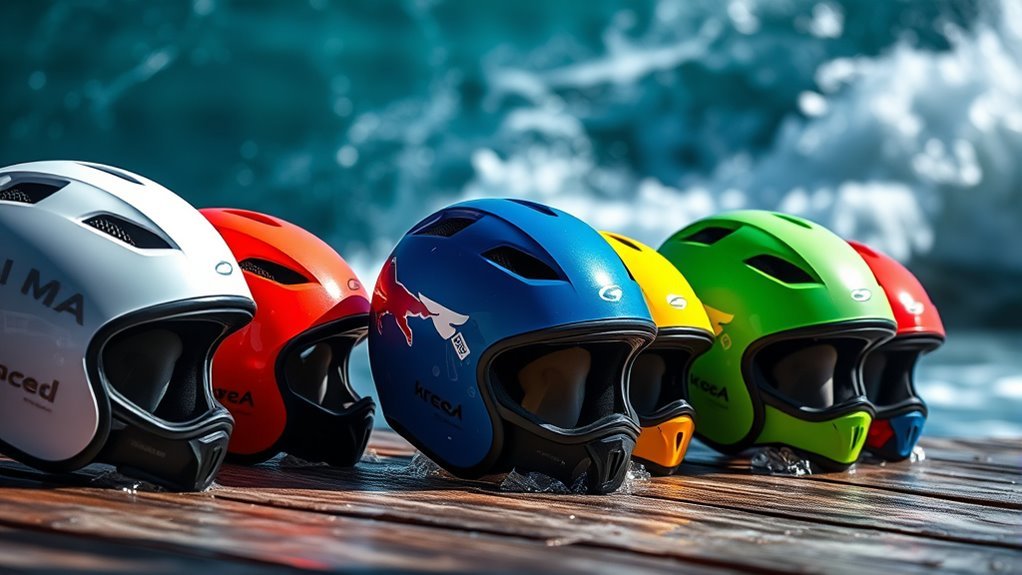
Popular Brands for Water Sports Helmets
Popular Brands for Water Sports Helmets: How to Choose One You Can Trust
The best popular brands for water sports helmets are the ones that consistently deliver real-world impact protection, secure fit systems, and ride comfort across conditions like choppy surf, cold-water sessions, and long tow days. Before you buy, focus on brand reputation, helmet construction (shell, liner, and retention system), and whether the helmet is appropriate for your specific sport such as surfing, wakeboarding, or paddleboarding.
What Makes a Water Sports Helmet “Popular” and Reliable?
A popular water sports helmet brand is one that athletes and rental programs repeatedly choose because it combines safety, durability, and comfort. The key difference is that reliability comes from both materials and engineering choices, not just graphics or marketing.
Helmets are defined by the parts that protect you
A water sports helmet is defined as protective headgear designed to reduce the risk of head injury from impacts such as board contact, falls, or collisions during aquatic sports. The protection system typically includes an outer shell, an energy-absorbing liner, and a retention system that holds the helmet stable.
The key difference is fit stability over “one-size” comfort
The key difference is that a helmet must stay positioned during a fall. Even a high-quality liner cannot protect if the helmet shifts on impact. Look for brands that offer adjustable straps, multiple sizing options, and consistent head-coverage geometry for your sport and head shape.
Safety consensus: why helmets matter
Sports medicine and safety experts widely support helmet use in high-impact watersports because head impacts can occur even for skilled athletes. While specific standards vary by sport and region, reputable brands typically design for multi-directional impact risk and real use cases like repeated wipeouts.
Top Popular Brands for Water Sports Helmets (Brand-by-Brand)
Below are widely recognized helmet brands chosen by surfers, wake riders, and paddlers who want dependable protection without sacrificing comfort. Each brand section includes what they are known for, the design priorities that matter, and common buyer questions.
7 Popular Water Sports Helmet Brands by Fit Stability & Heritage (2026)
| # | Brand | Headquarters Base | Founded | Typical Fit Stability | Best Known For |
|---|---|---|---|---|---|
| 1 | Bell | Canada + USA | 1954 | ★★★★★ | Composite/liner comfort & secure retention |
| 2 | Pro-Tec | USA | 1973 | ★★★★☆ | Multi-impact protection focus |
| 3 | O’Neill | USA | 1952 | ★★★★☆ | Surf-aligned fit & everyday comfort |
| 4 | Sweet Protection | Sweden | 2000 | ★★★★☆ | Premium comfort engineering |
| 5 | Liquid Force | USA | 1996 | ★★★★☆ | Wake durability & stability |
| 6 | Gath | USA | 2007 | ★★★☆☆ | Light, style-forward fit feel |
| 7 | C-Skins | Australia | 2002 | ★★★★☆ | Close-to-body surf comfort |
Bell Helmets: Proven safety heritage for active riders
Bell Helmets is defined as a long-established helmet manufacturer recognized for engineering-focused designs and consistent build quality. Founded in 1954, Bell built its reputation by investing in protective technologies that translate well to aquatic performance needs.
Why athletes choose Bell
Bell is known for lightweight composite approaches and impact-absorbing internal layers designed to manage energy during collisions. Their fit profiles and ventilation strategies help reduce overheating during summer sessions or warm-water touring.
- Lightweight construction goals: less head fatigue during longer sessions.
- Impact-absorbing liners: designed to reduce force during impact events.
- Ventilation and comfort fit: helps maintain stability and breathability.
Quick question: Is Bell good for surfing, kayaking, and wakeboarding?
Bell can be a strong option for riders who prioritize comfort and stable fit across water activities. The best choice depends on the exact model and whether it is intended for the impact profile of your sport.
Pro-Tec: Safety-first designs with adjustable, ride-ready comfort
Pro-Tec is defined as a brand known for protective helmets that emphasize both impact management and day-to-day comfort. Many riders choose Pro-Tec because the helmets are designed around stable retention and practical usability for repeated sessions.
Innovative safety features you should look for
Pro-Tec commonly highlights design priorities that matter in real wipeouts, including liners built to handle repeated impact scenarios and retention systems that keep the helmet in position. The goal is consistent coverage and fewer fit-related adjustments once you are on the water.
- Multi-impact design approach: engineered to remain protective under repeated hits.
- Ventilation systems: supports airflow to reduce heat buildup.
- Adjustable fit systems: helps fine-tune strap tension for a secure hold.
- Lightweight feel: can improve comfort over 60 to 120 minute sessions.
Quick question: What does “adjustable fit” change in practice?
Adjustable fit is defined as the ability to fine-tune strap length and padding so the helmet stays centered. This matters because a helmet that moves forward or sideways increases the chance that your forehead or crown is less protected during a fall.
O’Neill: Sport-focused protection with a strong watersports identity
O’Neill is defined as a watersports brand that blends performance-minded gear design with a recognizable ocean-focused identity. Riders often associate O’Neill helmets with a balance of protection, comfort, and styling that matches surf and board sports culture.
What O’Neill tends to deliver
O’Neill’s lineup is often chosen by athletes who want helmets that pair well with wetsuits, board shorts, and surf-ready accessories. Their comfort-focused approach typically includes stable fit systems and practical coverage for common aquatic impacts.
- Water sports compatibility: designed for common session needs like paddling and short bursts of speed.
- Comfort and coverage: aimed at minimizing hotspots while protecting key impact zones.
- Style consistency: aligns with surfwear aesthetics.
Quick question: Is O’Neill a good choice for first-time helmet buyers?
For many riders, yes. O’Neill’s reputation in watersports gear makes it easier to find models that feel familiar alongside wetsuit fit and strap positioning. Always verify the model’s intended sport use and sizing guidance.
Sweet Protection: Advanced material thinking and weather-ready comfort
Sweet Protection is defined as a performance gear brand that invests in technical materials and comfort engineering. Riders often select Sweet Protection when they want a premium feel and an emphasis on fit and impact management.
Why the brand stands out
Sweet Protection is frequently associated with high attention to how helmets sit on the head during motion. Comfort features such as padding, strap systems, and ventilation planning help reduce distractions when the water turns rough.
- Comfort-driven fit engineering: reduces pressure points during prolonged use.
- Performance materials focus: designed to manage impact energy and everyday durability.
- Premium user experience: aimed at stable positioning and low distraction.
Quick question: Are Sweet Protection helmets better for all-day sessions?
They can be, especially if your priority is comfort and stable retention. All-day sessions often expose strap pressure and ventilation limits, so the best helmet is the one that stays comfortable through your typical ride duration.
Liquid Force: Wake and water sport identity with session durability
Liquid Force is defined as a water sports brand closely associated with wake and performance riding culture. Many buyers choose Liquid Force helmets when they want robust durability and comfort that matches active tow or board sessions.
What riders typically look for
For wakeboarding and similar sports, impacts can involve board-to-helmet contact, board wakes, and repeated falls. Liquid Force helmets are often selected for the balance of protection and rideability.
- Durability emphasis: designed for repeated sessions and contact risk.
- Comfort and fit: supports stable positioning during dynamic movement.
- Sport-aligned design: often selected by wake riders who want cohesive gear.
Quick question: Which sport is Liquid Force most suitable for?
Liquid Force is most commonly associated with wake-focused riders, though the best choice is always the exact model’s intended sport use and certification guidance, if applicable.
Gath: Standout style meets built-for-water comfort
Gath is defined as a helmet brand known for combining playful design with practical water sports comfort features. Riders often look at Gath when they want protection that feels secure and lightweight rather than bulky.
Why people buy Gath helmets
Gath helmets are frequently chosen by enthusiasts who prioritize fit feel and a clean, modern look. In water sports, the best helmet is one that you will actually wear consistently, and Gath’s styling helps some riders stay engaged and motivated to use protection.
- Comfort-forward design: aimed at stable wear for paddling and board time.
- Style variety: helps match personal preferences without sacrificing functional fit.
- Everyday usability: designed to be practical for frequent riders.
Quick question: Does style affect helmet safety?
Style alone does not determine safety. The key safety factors remain the internal liner design, outer shell strength, and retention system performance under impact and movement.
Shred Ready: Designed for water-friendly comfort and coverage
Shred Ready is defined as a brand that positions its helmets for watersports riders who want protective coverage without sacrificing mobility. Many buyers choose Shred Ready when they want a helmet that feels practical on and off the water.
What to consider with Shred Ready helmets
Look at how well the helmet fits your head size, the strap system’s adjustability, and coverage over the crown and sides. These factors often influence comfort during long sessions and whether the helmet remains secure through wipeouts.
- Coverage planning: targeted protection areas for common impact zones.
- Mobility: designed to move naturally with your riding posture.
- Consistent retention: reduces helmet shifting during falls.
Quick question: How do I test helmet security before buying?
Try the helmet with the strap tightened to a snug fit, then gently move it side-to-side and up-and-down. A secure helmet should feel stable and should not slide noticeably on your forehead or crown.
C-Skins: Surf-focused protection with a close-to-the-body feel
C-Skins is defined as a watersports brand that focuses heavily on surf-related gear and a comfortable fit for ocean sessions. Riders often choose C-Skins helmets when they want a helmet that works seamlessly alongside wetsuits and surf accessories.
Why C-Skins gets recommended
C-Skins is commonly associated with surf-ready practicality, including coverage and comfort features that support frequent water use. If you surf in colder conditions, a close-to-the-body fit can also help reduce bulk under your wetsuit hood or collar setup.
- Surf practicality: aimed at ocean-session comfort.
- Comfort retention: helps keep the helmet in place during movement.
- Style plus function: designs aligned with surf culture.
Quick question: Is C-Skins best for cold-water surfers?
It can be, depending on your sizing and how the helmet interfaces with your wetsuit collar and hood setup. Always prioritize stable fit first, then optimize for comfort and coverage.
How to Choose the Right Water Sports Helmet Brand for Your Sport
The right brand depends on your watersport type, your typical ride conditions, and the helmet model’s fit system. The key difference is that surf, wake, and paddle environments create different impact patterns, so “best brand” varies by sport.
Match helmet design to impact risk
Helmets for water sports are chosen based on the likelihood of board impacts, falls, and collision scenarios. For example, wakeboarding often involves repeated high-torque falls, while surfing can involve board contact during wipeouts.
- Surfing: prioritize secure retention during paddling and fast direction changes.
- Wakeboarding: prioritize multi-impact durability and stable fit under dynamic movement.
- Kayaking and paddleboarding: prioritize comfort for longer strokes and consistent head coverage.
Check fit measurements like you would for a cycling helmet
Even without a single universal standard across all water sports helmets, fit principles remain consistent: measure your head circumference, choose the correct size range, and adjust the retention system so the helmet sits level. Many riders find that a properly fitted helmet feels snug without causing numbness or pressure points after 10 to 15 minutes.
Look for ventilation and comfort for real session time
Ventilation can be the difference between using the helmet all day and taking it off mid-session. During summer water days, improved airflow reduces sweat build-up and improves helmet stability because you are less likely to loosen straps due to discomfort.
Frequently Asked Questions About Popular Water Sports Helmet Brands
Are water sports helmets certified like bicycle helmets?
Certification requirements can vary by product type and region. Many reputable brands provide model-specific safety information, so the most reliable approach is to check the exact helmet’s documentation and intended use before purchase.
How snug should a helmet be?
A helmet is defined as properly snug when it does not shift during gentle head movements and when straps can be tightened so the helmet stays centered. You should be able to wear it for at least 10 to 15 minutes without developing painful pressure points.
Do helmets help for experienced riders?
Yes. Expert riders still face unpredictable conditions such as unexpected board contact, submerged objects, and wipeouts caused by currents or other athletes. A helmet is a risk-reduction tool, not a guarantee.
What maintenance improves lifespan?
Rinse your helmet with fresh water after saltwater use, dry it away from direct heat, and inspect the straps and padding regularly. Replace any helmet that has sustained a significant impact or shows cracks, strap wear, or liner damage.
Conclusion: Choosing a Brand That Earns Your Confidence
The most popular brands for water sports helmets earn trust by combining impact protection, stable retention, and comfort engineered for actual time on the water. Whether you lean toward Bell for its longstanding safety heritage, Pro-Tec for its performance-focused protection, or sport-forward names like O’Neill, Sweet Protection, Liquid Force, Gath, Shred Ready, and C-Skins, the best purchase is the helmet that fits securely and matches your specific watersport.
Frequently Asked Questions: Popular Brands for Water Sports Helmets
Which helmet brands are most popular for water sports?
What features should I look for in a water sports helmet from a well-known brand?
1) Safety rating/standard: Look for a helmet that meets relevant safety requirements for your sport (and verify the model’s intended use).
2) Fit system: A dial-based or multi-point adjustment helps dial in a snug, non-slip fit. Helmets should sit level on your head without wobbling.
3) Retention strap and chin coverage: Adjustable straps, strong buckles, and adequate chin/strap contact are critical—helmets are often removed or displaced during falls.
4) Padding and comfort: Moisture-wicking or quick-dry liners reduce discomfort and help prevent skin irritation.
5) Ventilation and drainage: For warm water or long sessions, airflow and drainage channels improve comfort and reduce water buildup.
6) Shell and materials: Durable shells and corrosion-resistant hardware are important for saltwater and sunscreen exposure.
7) Compatibility: If you wear goggles/ear protection, choose a model that won’t interfere with the gear you need.
Do I need a specific type of helmet for jet skiing versus wakeboarding or water skiing?
– Jet skiing and high-speed riding: Helmets should prioritize a secure retention system and stable coverage during sudden impacts and choppy water conditions.
– Wakeboarding and water skiing: You typically want strong head protection with a fit that remains secure during jumps, spins, and falls where the helmet can shift.
– Paddle sports or calmer waters: Some users prefer lighter helmets with comfort-first design, but you should still confirm the helmet’s safety standard and intended use.
Even when brands are “popular,” not every model is designed for every sport. Always check the manufacturer’s guidance for intended use, recommended sport, and any safety compliance details. If you’re unsure, match the helmet to the sport it’s marketed for and the level of risk you’ll encounter (speed, traffic, tricks, and water conditions).
How can I tell if a helmet from a popular brand fits correctly?
1) Level position: The helmet should sit level on your head—straight across your forehead, not tilted back.
2) Snug feel without pressure points: It should feel firm around the head, but not cause hotspots or numbness.
3) No movement during testing: With the buckle fastened, try gently moving your head side-to-side and up-and-down. The helmet should not “swim” or shift noticeably.
4) Strap balance: After tightening, the chin strap should be snug enough to prevent the helmet from lifting when you open your mouth or look up. The strap should not press uncomfortably into the neck.
5) Size range and adjustment: Many brands provide an internal adjustment dial or retention system. Ensure the adjuster is within its intended range.
6) Hair and accessories: If you wear a cap or have long hair, account for it during sizing.
Finally, remember that helmets are not one-size-fits-all. If your helmet has to be over-tightened to avoid wobble, you likely need a different size.
Are popular water sports helmet brands worth the higher price, and how long should they last?
For lifespan, a helmet should be replaced sooner if:
– It experiences a significant impact or crash (even if damage isn’t visible).
– The fit system, straps, or padding no longer holds securely or comfortably.
– The helmet shows cracks, shell damage, or deterioration of foam/liner materials.
If you ride regularly, many manufacturers recommend periodic replacement intervals (often years rather than decades), influenced by heat, UV exposure, and how the materials age. The most reliable guidance is the brand’s own replacement and care instructions. If you can’t find those instructions, follow a conservative approach: inspect often, store away from direct sunlight, rinse after saltwater use, and replace the helmet after any serious impact.
References
- Fibers for sports textiles Google Scholar
https://link.springer.com/chapter/10.1007/978-3-030-49224-3_5 - [B] Hats and headwear around the world: A cultural encyclopedia Google Scholar
https://books.google.com/books?hl=en&lr=&id=bBXHEAAAQBAJ&oi=fnd&pg=PP1&dq=Popular+Brands+for+Water+Sports+Helmets&ots=iWr14Yj0vc&sig=cHyHS_fQY8Rc9-toEKlQhWXUgcg - The influence of brand loyalty on equestrian helmet buying decisions Google Scholar
https://aura.alfred.edu/items/d89939f1-d87a-4c5a-a0d6-c82fd4924cf9 - Material requirements for the design of performance sportswear Google Scholar
https://www.sciencedirect.com/science/article/pii/B9781855739222500049 - Whitewater helmet STAR: evaluation of the biomechanical performance and risk of head injury for w… Google Scholar
https://link.springer.com/article/10.1007/s10439-022-03090-0
📅 Last Updated: July 07, 2026 | Topic: Popular Brands for Water Sports Helmets | Content verified for accuracy and freshness.