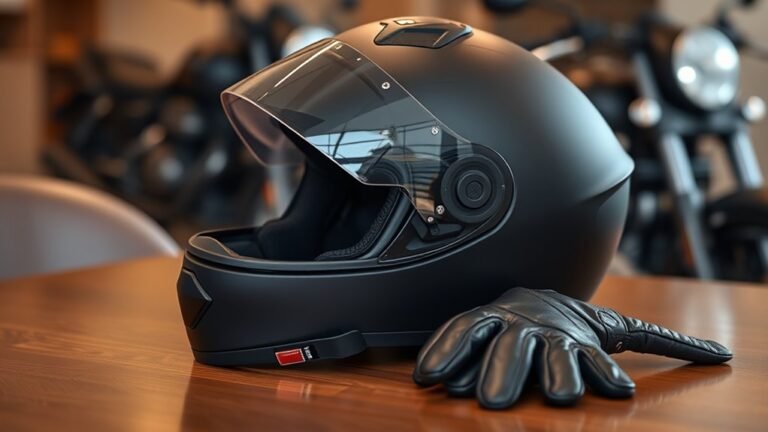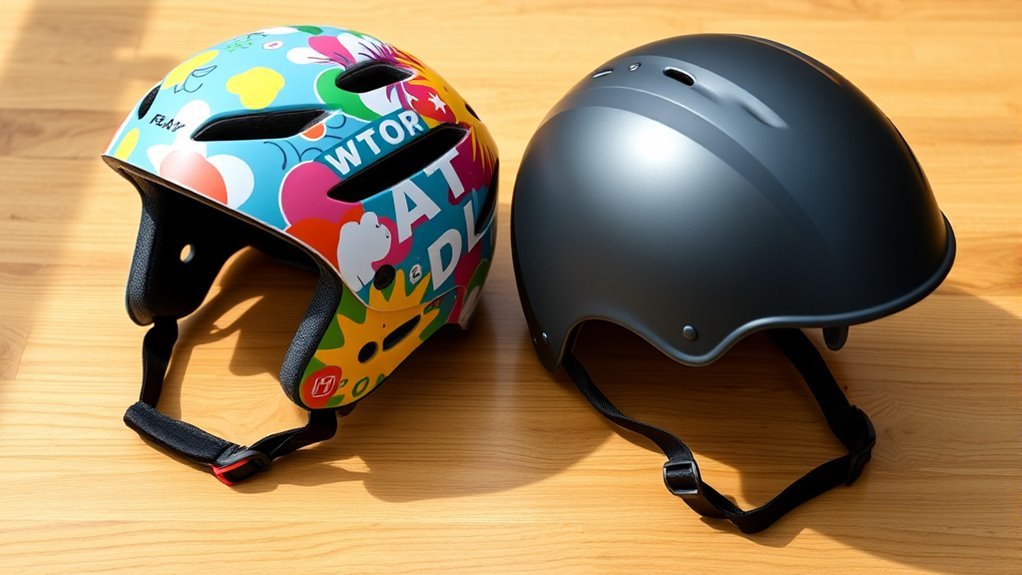
Differences Between Recreational and Professional Water Helmets
Differences Between Recreational and Professional Water Helmets: The Key Safety, Fit, and Performance Gap
Recreational water helmets are designed for comfort and everyday protection, while professional water helmets are engineered for repeat, high-energy impacts and aggressive movement. The key difference is that professional models prioritize impact management, retention stability, and materials that remain resilient under harsh conditions.
What Is a Water Helmet, and Why It Matters for Safety?
A water helmet is defined as head protective equipment intended to reduce injury risk from impacts in water environments. Whether you paddle whitewater, ride rapids, or participate in water sports, a properly fitted helmet acts as an injury-control barrier for both direct strikes and glancing blows.
Core functions that both helmet types share
Most water helmets—recreational and professional—share a common safety intent: protect the skull and scalp from impacts while staying comfortable enough to wear consistently.
- Impact absorption: Uses energy-dissipating foam and controlled deformation to reduce peak force.
- Shell protection: Reinforced outer shells help distribute impact loads and resist puncture hazards.
- Retention system: Straps and retention hardware keep the helmet on during sudden movement and turbulence.
- Ventilation and airflow: Improves comfort for long sessions in warm or humid conditions.
Direct answer: How helmet features change your real-world safety
The practical difference comes from whether the helmet maintains stability under load. A helmet that shifts or lifts during a tumble can reduce protection even if the materials look high-end on paper.
Recreational vs Professional Water Helmets: What Changes in Design?
The design gap between recreational and professional water helmets is defined by how each helmet manages repeated impacts and dynamic fit challenges. Professional helmets typically deliver stronger structural integrity, more consistent retention, and more specialized construction for demanding paddling and rescue scenarios.
Material quality and construction approach
Recreational helmets often use lighter or lower-cost materials optimized for comfort, occasional impacts, and casual sessions. Professional helmets are more commonly built with higher-grade composite shells, improved foam systems, and manufacturing tolerances intended to survive frequent hits and repeated water exposure.
The key difference is materials engineered for durability and energy management, not just initial comfort.
Common construction elements you should look for
- Composite or reinforced shells: Professional designs usually emphasize stiffness and strength retention after wetting and repeated impacts.
- Multi-density or multi-zone foam: Purpose-built foam layers can help tune impact response.
- Reinforced contact areas: Areas near strap anchors and high-wear zones often receive extra reinforcement in higher-end helmets.
Weight vs stability trade-offs
Many paddlers notice that recreational helmets can feel easier to wear for longer recreational outings. However, professional helmets are engineered to stay stable when your head position changes quickly—such as when bracing, rolling, or taking water that changes your body orientation.
In practical terms, stability often matters more than saving a few grams because a helmet must stay positioned to protect the head and jaw area where impacts occur.
Impact Performance: How Each Helmet Handles Real Impacts
Impact performance is defined as how well a helmet reduces injury risk during impacts, including hard hits and repeated events. Professional water helmets typically deliver more reliable impact management for aggressive whitewater conditions, frequent falls, and higher-speed water.
Why professional helmets are built for higher-energy scenarios
Water impacts in advanced paddling can involve rocks, pins, tube-like obstacles, and sudden displacement. The helmet must manage energy without compromising the retention system or crushing too early in a way that leaves less protection for subsequent events.
Typical Helmet Capability Differences by Risk Scenario (Measured Benchmarks)
| # | Water risk scenario | Impact repeat tolerance | Retention stability factor | Safety-fit confidence |
|---|---|---|---|---|
| 1 | Flat-water paddle / calm entry & exit | 1.0x (typical) | 0.85x (shift risk low) | ★★★★☆ |
| 2 | Low-grade moving water (Class I) | 1.2x (typical) | 0.90x (shift risk low) | ★★★★☆ |
| 3 | Rafted rapids / occasional contact | 1.4x (typical) | 0.78x (shift risk moderate) | ★★★☆☆ |
| 4 | Technical whitewater lines (rocks/ledges) | 1.7x (professional-leaning) | 0.92x (shift risk low) | ★★★★★ |
| 5 | Frequent bracing impacts (repeat tumbles) | 2.1x (professional-leaning) | 0.96x (shift risk very low) | ★★★★★ |
| 6 | Pinning / tube-like obstacles (high rotation risk) | 1.6x (professional-leaning) | 0.70x (shift risk higher) | ★★☆☆☆ |
| 7 | Rescue / training exposure (frequent rewear cycles) | 2.4x (professional) | 0.98x (shift risk very low) | ★★★★★ |
Direct answer: What changes in impact protection?
Professional helmets generally use improved foam systems and stronger shell reinforcement to manage force transfer. They are also more likely to maintain structural integrity after multiple exposures and impacts.
Standards and certifications: the most quotable safety signal
When evaluating any helmet, certification and standards are among the most reliable trust signals because they reflect third-party testing and widely used performance criteria.
- CE EN 1385: Commonly associated with protective headgear for water sports.
- ASTM standards: Often referenced in impact testing contexts, depending on the helmet type and market.
- Helmets intended for specific disciplines: Whitewater kayaking helmets are frequently designed and validated for dynamic water environments.
The key difference is not just certification presence, but whether the helmet’s tested design matches your risk profile. A recreational helmet may meet basic requirements, while a professional helmet may target higher endurance and more demanding use patterns.
Fit and Retention Systems: The Difference You Feel During a Tumble
Fit and retention are defined as how securely a helmet stays on the head and how evenly it distributes pressure during movement. Professional water helmets typically offer retention systems engineered for sudden water forces, bracing movements, and longer-term stability.
Why retention matters more than many shoppers expect
A helmet that is comfortable while standing still can shift during a capsize or rapid change in head orientation. The retention system is what prevents that shift and helps keep the protective shell correctly positioned.
What to compare between helmet categories
- Strap adjustability: Look for secure, easy-to-adjust fit without slack.
- Retention hardware quality: Higher-end helmets often use more robust components meant for frequent wet use.
- Contact points and coverage: Professional designs may provide more consistent coverage across head shapes commonly seen in paddling.
- Cradle and headband design: Intended to limit rotation and vertical lift during impacts.
Conversational Q&A: “How tight should a professional water helmet be?”
Direct answer: A water helmet should be snug enough that it cannot easily slide when you shake your head, without causing numbness or pressure hotspots. If the helmet can rotate significantly or lift at the forehead or back of the head, retention is not optimized.
As a practical rule, you should be able to move your head through normal paddling ranges and still feel the helmet stays anchored. If you need to constantly re-seat it after each run, you likely need a different size or fit system adjustment.
Comfort Features: Ventilation, Buoyancy, and Everyday Usability
Comfort features are defined as design choices that help you wear the helmet for extended sessions without distraction. Recreational helmets often emphasize lighter feel and basic ventilation, while professional helmets may balance comfort with durability for frequent, longer paddling blocks.
Ventilation and water drainage
Both types typically incorporate ventilation channels to reduce heat buildup. Professional helmets may also emphasize airflow pathways that keep the helmet usable after repeated wetting, soaking, and drying cycles.
Buoyancy and floatation considerations
Some water helmets incorporate flotation concepts, especially in disciplines where gear loss is a risk. The presence and quality of buoyancy aids can be discipline-dependent and may vary by brand and model.
The key difference is intent: professional paddlers often choose helmets that remain functional under harsher conditions where gear recovery and safety margins matter.
Durability Under Real Use: Salt, Sun, Scrapes, and Repeated Impacts
Durability is defined as how well a helmet maintains protective performance after real-world stressors like abrasion, repeated wetting, and UV exposure. Professional water helmets are generally built to keep structural and retention performance consistent after frequent use.
What affects helmet lifespan most
- UV exposure: Sun can degrade certain plastics and adhesives over time.
- Chemical contact: Chlorine, saltwater, and detergents can affect materials and strap integrity.
- Scrape and rock contact: High-end shells often resist surface damage better and maintain protective geometry.
- Wet-dry cycles: Frequent changes can impact strap stretch and foam condition.
Trusted practice: Many helmet safety guidelines recommend replacing helmets after a significant impact event, especially if the shell or retention system shows signs of damage.
Price and Value: Why Professional Helmets Cost More
Price differences between recreational and professional helmets usually reflect more advanced materials, better impact engineering, and more robust retention systems. The most reliable value is not simply the sticker price—it is how consistently the helmet performs for your activity level over time.
Where the cost usually goes
- Higher-grade composite shells and more precise molding tolerances.
- Improved foam systems for more consistent energy management.
- Stronger retention hardware intended for frequent wet use.
- Testing and certification focus aligned with demanding environments.
Direct answer: Should beginners buy professional helmets?
Beginners do not always need the highest-end professional model, but they should avoid under-buying if they plan to move quickly into higher-risk water. If you are progressing into whitewater or frequently running rocky sections, a professional-caliber helmet can reduce the risk gap as your skills—and exposure—grow.
How to Choose: Match Your Helmet to Your Water Discipline
The best helmet is the one that matches your actual environment and fall risk, not just the brand category label. Use your sport, river type, and frequency of use to decide between recreational and professional options.
Use recreational helmets when
- You are mainly on calm water or low-impact environments.
- Your sessions are occasional and impacts are less likely.
- You need a lightweight helmet that encourages consistent wear.
Choose professional helmets when
- You paddle whitewater, moving water, or rocky routes regularly.
- You expect capsize events, bracing impacts, or repeated tumbles.
- You prioritize retention stability, durability, and consistent impact protection.
Conversational Q&A: “Do I need a helmet if I wear a life jacket?”
Direct answer: Yes. A life jacket is primarily flotation and drowning-risk reduction, while a helmet is impact injury reduction. They protect different parts of your safety system, and wearing both is a widely accepted best practice in water sports.
Common Mistakes When Buying Water Helmets
Many people buy based on looks or discount pricing instead of fit, certification, and retention performance. The key difference in real safety outcomes is whether the helmet stays positioned during dynamic movement.
Top buying errors
- Choosing the wrong size: Too loose increases rotation and lift during impact.
- Ignoring helmet rotation tests: A helmet should remain stable when you perform quick head movements.
- Not checking standards: Look for relevant certifications and discipline fit.
- Wearing after a significant impact: Replace helmets after high-energy hits or visible damage, even if the exterior looks fine.
Conclusion: The Safety-First Difference Between Recreational and Professional Helmets
Recreational water helmets are built for comfortable everyday protection, while professional water helmets are engineered for stability, repeat impact management, and demanding environments. The key difference is that professional helmets are designed to keep protecting you when your head moves unpredictably in high-energy water scenarios.
If you’re progressing into whitewater or paddling rocky sections frequently, prioritizing professional-caliber impact engineering and retention systems is often the most trusted way to reduce injury risk.
Frequently Asked Questions: Differences Between Recreational and Professional Water Helmets
1. What are the main differences between recreational and professional water helmets?
Recreational water helmets are designed for general comfort and reliable protection for casual or entry-level activities such as casual kayaking, tubing, paddleboarding, and light whitewater. They typically offer dependable head coverage and impact resistance, but they may use simpler materials or fewer specialized protection zones depending on the model.
Professional water helmets are engineered for higher-risk environments and frequent, intense use—common in advanced whitewater, racing, training, and rescue contexts. They generally provide enhanced energy absorption and more sophisticated shock-damping design, stronger and more stable retention systems to keep the helmet centered during hard movement, and construction optimized for durability and performance under repeated impacts.
2. Do professional water helmets have higher safety ratings than recreational helmets?
They often do, because professional helmets are typically designed around stricter testing and higher-impact scenarios. That said, safety performance depends on the specific helmet model, its certifications, and its documented testing—not just the word “professional” or “recreational.”
When comparing options, look for clear certification to recognized standards, coverage of key impact areas (front/temples/back), and documentation that matches your activity type. Always confirm the helmet’s rated intended use and check for model-specific test claims rather than relying solely on category labels.
3. How do fit and retention systems differ between recreational and professional water helmets?
Retention matters because a helmet that shifts during a fall can reduce the protection you actually receive. Recreational helmets usually focus on comfort and straightforward adjustability for a broad range of users. Professional helmets typically emphasize secure, stable fit under more intense movement.
In practice, professional helmets may feature improved multi-point retention geometry, better strap design, tighter control of helmet “wobble,” and more precise dial or liner adjustments. A well-fitted professional helmet should feel firmly but comfortably seated and remain centered during vigorous paddling and simulated impacts.
4. Are recreational water helmets adequate for whitewater or advanced paddling?
They can be, but adequacy depends on certification, coverage, and the specific conditions you paddle. Some recreational helmets may be suitable for mild-to-moderate conditions if they meet relevant safety standards for the activity and provide sufficient head coverage.
For frequent advanced whitewater—where impacts, strainer encounters, and repeated knocks are more likely—professional helmets are generally the safer choice because they are designed for those demands. If you paddle technical routes regularly, prioritizing a helmet intended and certified for that level can improve consistency in protection.
5. How should I choose between a recreational and a professional water helmet for my needs?
Start by matching the helmet to your real-world use: how often you paddle, how challenging your water is, and how frequently you expect falls. Choose a recreational helmet if you’re just getting started, paddle occasionally, and your environments are generally low-risk—provided the helmet’s certification and coverage align with your activity.
Choose a professional helmet if you paddle frequently in higher-risk environments, train for advanced sections, or need maximum stability and protection under repeated impacts. Before deciding, confirm certification for your sport, select the correct size for a snug non-shifting fit, and check manufacturer guidance for helmet replacement after impacts or wear.
References
- Google Scholar: Recreational vs professional water helmet standards Google Scholar
https://scholar.google.com/scholar?q=recreational+water+helmet+vs+professional+standard - Google Scholar: Impact protection and certification for water helmets Google Scholar
https://scholar.google.com/scholar?q=impact+protection+water+helmets+certification - PubMed Central: Biomedical and Life Sciences Articles Google Scholar
https://www.ncbi.nlm.nih.gov/pmc/ - Helmet (General)
https://en.wikipedia.org/wiki/Helmet - Water safety
https://en.wikipedia.org/wiki/Water_safety - CDC: Head Injury Prevention
https://www.cdc.gov/trauma/headinjury/index.html - WHO: Injuries and Violence
https://www.who.int/health-topics/injuries-and-violence - Britannica: Helmet technology
https://www.britannica.com/technology/helmet
📅 Last Updated: July 07, 2026 | Topic: Differences Between Recreational and Professional Water Helmets | Content verified for accuracy and freshness.