How to Repair Minor Damage on Water Sports Helmets
How to Repair Minor Damage on Water Sports Helmets
Minor scuffs, small scratches, and superficial cosmetic dents can often be repaired safely at home when you use the right materials and follow a careful inspection process. The key difference between a “minor” repair and a “safety-critical” repair is whether the helmet’s impact structure, liner, or strap system has been compromised.
Why Helmet Maintenance Matters for Safety and Longevity
Water sports helmets are engineered to absorb impact energy, so consistent maintenance helps preserve both performance and fit. The key difference is that cleaning and inspection maintain the helmet’s protective function, while ignoring damage can reduce that function over time.
Helmets are designed to meet safety standards
Most reputable helmets are built to comply with safety standards such as ASTM F1492 for inflatable and flotation devices, and in broader protective-gear contexts, helmet certification frameworks used across action sports. While exact standards vary by sport and manufacturer, expert consensus is consistent: once a helmet’s structure, liner, or retention system is damaged, it may no longer protect you as intended.
What “minor damage” usually means
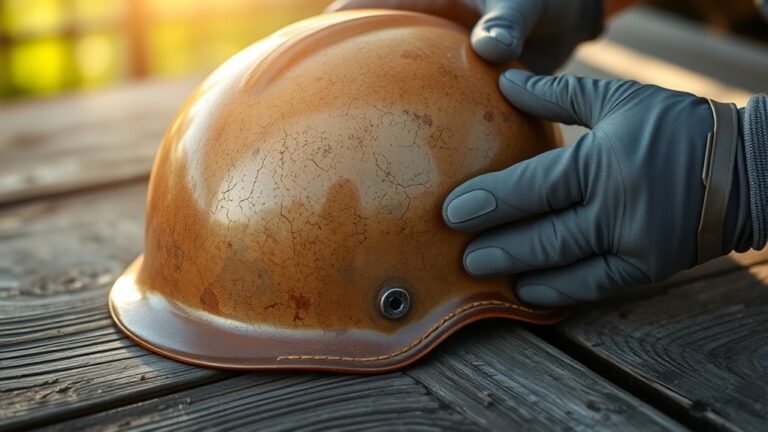
In repair terms, minor damage typically refers to cosmetic wear on the outer shell or clearcoat, and minor scuffs that do not penetrate into the protective liner. The key difference is depth and location: surface abrasion may be repairable, but cracks, crushed spots, or strap deformation are often not.
Quick Safety Check Before Any Repair
Before you sand, patch, or repaint anything, you must confirm the helmet is still structurally sound. If you see structural cracking, delamination, or strap damage, stop and replace the helmet or have it assessed by the manufacturer.
Inspect these high-risk areas
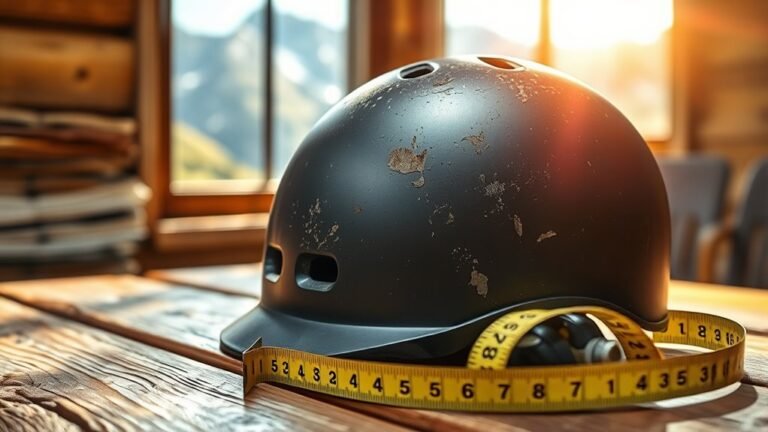
Start with a visual inspection under bright light, then gently run your fingers over the shell to detect irregularities. Pay special attention to zones that typically take the strongest loads during water impact and falls.
- Outer shell: look for cracks, white stress marks, or creasing after impacts.
- Impact liner: check for exposed foam, separation, or soft spots.
- Straps and retention system: confirm the integrity of webbing, buckles, and stitching.
- Attachment points: inspect where mounts or vents connect to the shell.
- Vent channels: verify they are not warped or obstructed by damaged material.
When you should not attempt DIY repairs
Some damage categories are not “cosmetic repairs,” even if the helmet looks workable. Safety-first guidance is widely accepted across the protective equipment industry: avoid repairs that could alter impact performance or adhesive bonding in the liner.
- Any crack that propagates beyond a shallow surface scratch.
- Dents with deformation that feel crushed or unstable when pressed.
- Delamination (shell separating from liner).
- Strap fraying, stretching, or damaged stitching.
- Unknown internal damage after a significant impact or fall.
How to Clean Your Helmet Without Damaging Materials
Cleaning is the first step because dust, salt, and sunscreen residue can prevent epoxy, paint, and clearcoat from bonding correctly. The key difference is using mild cleaning chemistry that won’t degrade plastics, foam, or webbing.
Safe cleaning method for water sports helmets
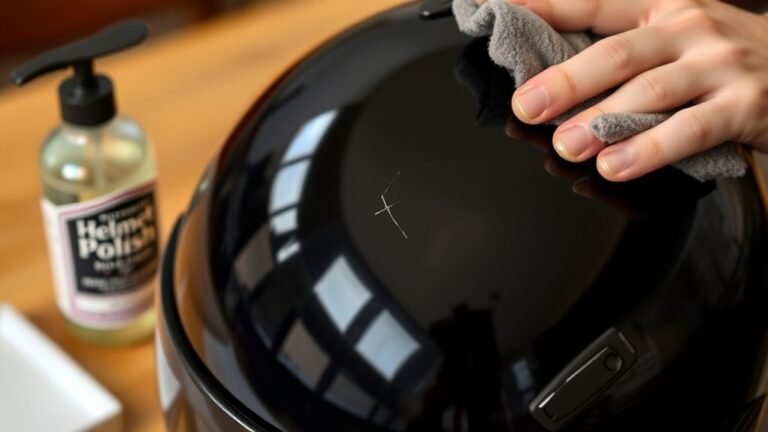
Use warm water and a small amount of gentle dish soap, then rinse thoroughly. If your helmet has saltwater exposure, an additional fresh-water rinse is important to remove chloride salts that can accelerate wear.
- Rinse with fresh water first to remove grit.
- Wash with warm, soapy water using a soft microfiber cloth.
- Avoid harsh chemicals like acetone, strong solvents, and bleach unless the manufacturer explicitly approves them.
- Dry completely with air flow in a cool, shaded area.
Common question: Can I use alcohol or disinfectant wipes?
Alcohol can work on some hard surfaces, but it can also damage coatings, degrade certain foams, or weaken strap materials depending on formulation. If you must disinfect, choose a product specifically labeled safe for helmet materials or follow your helmet brand’s care instructions.
Tools and Repair Materials You’ll Need
Having the right toolkit makes the difference between a clean cosmetic finish and a repair that fails or looks uneven. The key difference is selecting materials compatible with your helmet’s shell and using controlled sanding rather than aggressive grinding.
Recommended supplies for minor cosmetic damage
- Microfiber cloths and a soft brush for cleaning vents.
- Fine-grit sandpaper (commonly 400 to 800 grit for feathering; 1000+ grit for smoothing/polish prep).
- Epoxy or a repair resin formulated for plastics/ABS-like shells (choose a product that specifies bonding strength and cure time).
- Primer (adhesion-promoting) if your helmet repair requires repainting.
- Matching color paint compatible with the shell finish (often spray enamel or automotive touch-up paint).
- Clearcoat to restore protection against UV and moisture.
- Painter’s tape to mask vents, graphics, and strap areas.
- Nitrile gloves and a well-ventilated workspace.
Helmet Repair Materials: Typical Use, Time Window, and Fit Rating
| # | Material / Product Type | Best for | Working window* | Typical next step | Repair Fit |
|---|---|---|---|---|---|
| 1 | 2-part epoxy resin (plastic/ABS-compatible) | Shallow dents (cosmetic only) | 6–24 hrs (sandable) | Sand flush with 800→1000+ grit | ★★★★★ |
| 2 | Adhesion primer (compatible with your shell) | Scuffed/feathered scratch areas | 24–72 hrs (full readiness) | Apply color paint after recoat window | ★★★★☆ |
| 3 | Automotive touch-up / spray enamel (color matched) | Outer coating scratch touch-up | 1–4 coats, light flash | Let tack/dry to spec, then clearcoat | ★★★★☆ |
| 4 | UV/moisture clearcoat (2K or marine-grade) | Water-resistant top finish | 48–72 hrs (water-ready) | Cure before salt/chlorinated exposure | ★★★★★ |
| 5 | Wet/dry sandpaper (400–800 then 1000+) | Feathering and smoothing edges | Minutes–1 hr per stage | Clean dust before each product layer | ★★★★☆ |
| 6 | Painter’s tape + masking film | Vents, graphics, strap-safe edges | 5–30 min setup | Mask before sanding/priming/painting | ★★★☆☆ |
| 7 | Solvent cleaner (e.g., acetone) | NOT recommended for coatings | Unknown (risk-based) | Use mild soap + fresh-water rinse | ★☆☆☆☆ |
Common question: What grit should I start with?
For shallow scratches, start with 400 to 600 grit to level the scratch without creating a dip, then progress to 800 and 1000+ grit for smooth blending. If you can feel a ridge with your fingernail, you may need a gentle pass with slightly lower grit, but avoid oversanding into the protective structure.
Repairing Surface Scratches and Scuffs
Surface scuffs and shallow scratches can often be reduced with sanding and touch-up materials, restoring a smooth outer appearance. The key difference is feathering only the damaged coating and avoiding deep changes to shell thickness or geometry.
Step-by-step scratch repair process
- Mask surrounding areas with painter’s tape, especially around vents and any printed graphics.
- Feather the scratch using fine-grit sandpaper in light passes until the scratch edges are blended.
- Clean again to remove dust from sanding.
- Apply primer if you sand through the topcoat or see bare substrate.
- Touch up with matching paint using thin coats rather than one heavy layer.
- Finish with clearcoat for UV and water resistance.
- Allow full cure before use, typically waiting at least 24 to 72 hours depending on product specifications and humidity.
Pro tip: test compatibility first
Before committing, test a tiny amount of paint or clearcoat on a hidden area. Different helmet brands and coatings can react differently to touch-up products.
Repairing Minor Cosmetic Dents with Epoxy Filler
Small, superficial dents may be repairable with resin or epoxy filler if the impact liner remains intact and the shell is not cracked. The key difference is whether you’re filling a cosmetic depression versus trying to “strengthen” a compromised structural component.
When epoxy filler is appropriate
Epoxy filler is typically appropriate when the dent is shallow, the shell is not fractured, and there is no visible delamination. If the dent came from a high-energy impact, replace the helmet even if the damage looks localized.
Step-by-step dent repair process
- Inspect for any cracks radiating from the dent.
- Lightly roughen the dent area with 400 to 600 grit to improve adhesion.
- Mix epoxy correctly according to manufacturer instructions (accurate ratio is critical to cure).
- Apply filler in thin layers, slightly overfilling to allow sanding.
- Let cure fully before sanding (follow cure times; many epoxies cure enough for sanding in 6 to 24 hours, but full cure can take longer).
- Sand flush starting with 800 grit and moving to 1000 to 1500 grit for smooth blending.
- Prime, paint, and clearcoat to match the original finish.
Common question: Will epoxy make the helmet stronger?
Epoxy filler can restore surface appearance and protect against moisture intrusion, but it is not the same as restoring impact-engineered structure. In most cases, treat epoxy repairs as cosmetic and protective, not strength restoration.
Repainting and Clearcoating for a Durable Finish
Proper paint and clearcoat application prevents water intrusion and UV degradation that can worsen wear. The key difference is layering thin coats and respecting cure times rather than trying to finish quickly.
Best practices for repainting
- Use thin coats to avoid runs and uneven texture.
- Sand between layers lightly if required by the primer/paint system.
- Work in controlled conditions (avoid dust, high humidity, and direct scorching sun).
- Clearcoat last for moisture resistance and gloss uniformity.
Ventilation and drying time
Many paint and epoxy products specify ventilation and specific recoat windows. In general, allow at least 24 hours before light handling and 48 to 72 hours before full exposure to sun, spray, and water—unless the product label states a different timeframe.
Straps, Buckles, and Padding: Repair or Replace?
The strap and retention system are the most safety-critical parts of a helmet. The key difference is that even “small” strap damage can cause failure during falls, making replacement the safest option.
How to assess strap condition
- Fraying or pulled threads: replace the strap assembly.
- Stretch or weakened webbing: replace immediately.
- Damaged buckles: replace rather than attempting to repair with adhesives.
- Loose stitching: do not patch—replace the strap system.
Common question: Can I glue a strap that has come loose?
In most cases, no. Adhesives may not restore the mechanical load-bearing properties of the retention system, and glue can also creep when wet. Always use manufacturer-approved replacement parts or service procedures.
Maintenance Routine to Prevent Repeat Damage
A simple post-session routine can reduce scratches, prevent residue buildup, and help you catch damage early. The key difference is consistent inspection after every outing, especially if you skate, surf, kayak, or ride near rocks and equipment racks.
After-use checklist
- Rinse helmet after saltwater or chlorinated water exposure.
- Wipe away sunscreen, algae, and sand using a damp microfiber cloth.
- Dry fully before storage to limit mold and odor in foam liners.
- Check straps for fraying and buckles for smooth operation.
- Inspect the shell for new cracks or stress marks.
Storage habits that extend helmet life
Store helmets in a cool, dry place out of direct sunlight. UV exposure can degrade plastics and weaken coatings, while heat accelerates aging of foam and adhesives. Avoid stacking heavy gear on top of helmets that may create pressure points.
FAQs About Minor Helmet Repairs for Water Sports
How do I know if damage is structural?
If you can see cracking, detect separation between shell and liner, or feel crushed spots that change the helmet’s shape, treat it as structural. Minor cosmetic repairs typically involve only surface abrasion, not deformation or liner compromise.
What’s the safest way to remove oxidation or heavy residue?
Start with fresh-water rinsing and mild soap. If residue persists, use a soft brush and repeat gentle cleaning. Avoid strong solvents unless the manufacturer specifies compatibility.
Is it okay to sand the outer shell?
Light sanding for scratch leveling is often acceptable for cosmetic repairs when you avoid sanding into cracks or removing significant material. The key difference is whether sanding affects thickness, reveals liner material, or changes geometry—if it does, stop.
Should I replace a helmet after one serious fall?
Yes, if the fall involved a hard impact, even if damage appears minor. Impact helmets are designed for energy absorption; after a significant event, the protective performance may be reduced even when the exterior looks intact.
When to Contact the Manufacturer or a Qualified Service Center
If the damage is beyond cosmetic scratches or you’re unsure about liner integrity, contacting the manufacturer is the safest next step. The key difference is that brands can confirm compatible repair procedures, approved parts, and whether the helmet should be replaced.
When you reach out, include the helmet model, purchase year, and a clear photo of the damaged area. Many manufacturers can advise whether replacement is required and may recommend authorized repair kits or replacement strap assemblies.
Conclusion: Repair Cosmetics, Protect Safety
Minor scratches, scuffs, and shallow dents can often be repaired with careful cleaning, controlled sanding, compatible epoxy filler, and professional-grade paint and clearcoat. The key difference is knowing where DIY ends: never attempt structural repairs, strap repairs, or repairs after significant impacts.
If you want your helmet to perform at its best, treat maintenance as a safety routine, not a cosmetic project.
Frequently Asked Questions
Can I repair minor scratches or scuffs on a water sports helmet myself?
Yes—minor cosmetic damage is often safe to repair yourself, provided you only address the outer shell/finish and you do not compromise the helmet’s structural integrity. For surface scuffs: (1) Rinse the helmet with fresh water to remove salt/sand. (2) Let it dry completely. (3) Use a mild plastic/vinyl cleaner and a soft microfiber cloth. For deeper scratches in the outer coating, you may use a helmet-compatible scratch repair kit or a product designed for the helmet’s material (commonly ABS, polycarbonate, or fiberglass resin). Avoid abrasive sanding that can thin the protective layer. If the scratch reveals raw material, looks cracked, or is accompanied by any deformation/dents, stop and have the helmet inspected by a professional or manufacturer. Cosmetic repairs should not be expected to restore original impact performance.
What should I do first after damage—before attempting any repair?
Start with safety and assessment. Immediately rinse the helmet with fresh water (especially after saltwater exposure) and dry it thoroughly. Next, inspect the helmet in good light: look for cracks in the shell, separation of seams/lamination, dents or soft spots, compromised straps, and any movement in internal padding. If the helmet has had a significant impact, a hard fall, or you suspect a crack inside the structure, do not DIY repair—replace or get it professionally evaluated. For minor, non-structural issues (like small surface scuffs, minor strap fraying, or loose padding), you can proceed with careful cleaning and use of manufacturer-approved repair components.
How can I fix a loose or torn strap or buckle on a water sports helmet?
Straps and buckles are safety-critical, so repairs must restore correct fit and function. If a strap is slightly loose due to stitching or the strap has minor wear at the edge, first check whether the helmet is designed to accept replacement straps or hardware. The safest option is using OEM (manufacturer) replacement straps/buckles. For small frays: trim only loose fibers carefully if the strap is not weakened, but avoid trimming if it reduces length or compromises the weave. Do not glue strap webbing for structural strength—adhesives can degrade in water and UV. If the buckle area is cracked, the ratchet mechanism doesn’t engage, or stitching is torn, replace the strap/hardware rather than patching. After repair/replacement, confirm: the helmet sits level, the chin strap closes securely, and the helmet doesn’t wobble or lift significantly when you gently shake it.
How do I repair small dents or chips in the helmet shell?
Small chips or superficial dents may sometimes be repaired if they are limited to the outer finish and do not indicate a crack, delamination, or loss of structural material. However, helmet shells are designed to absorb impact; even “minor” damage can sometimes affect strength. Before attempting any repair: check for hairline cracks by running a light across the surface and gently pressing the area (no soft spots). If you see cracking, flaking layers, bulging, or the dent feels soft/unstable, stop and replace or professionally inspect the helmet. If the damage is purely cosmetic: clean the area, dry it completely, and use a helmet-compatible filler/repair kit intended for the helmet’s shell material (ABS/polycarbonate vs fiberglass/resin differ). Apply only thin layers, then sand lightly only if the kit instructs it, and finish with matching coating where recommended. Never fill deep cracks. After any shell repair, allow full curing time and test for stability—then retire the helmet from high-risk use if you’re unsure about integrity.
What glue or sealant should I use for helmet repairs, and what should I avoid?
Use only products that are compatible with the helmet materials and the type of damage you’re repairing. For most safety-related components (straps, buckles, and internal energy-absorbing parts), the best practice is replacement with OEM parts rather than adhesive repair. If you’re repairing a non-structural exterior coating or a non-load-bearing accessory, choose a water-resistant adhesive or coating system specified by the helmet manufacturer or by a reputable helmet-repair kit designed for your shell material. Avoid: (1) cyanoacrylate “super glue” on certain plastics (it can become brittle and may crack with stress), (2) aggressive two-part epoxies unless the kit explicitly supports your helmet’s material and thickness, (3) solvents that can craze or weaken polycarbonate/ABS, and (4) silicone sealants for anything structural. Also avoid repainting without curing/compatibility information—improper coatings can trap moisture or reduce UV resistance. When in doubt, follow the manufacturer’s instructions or seek a professional inspection.
References
- [B] Sports injuries guidebook Google Scholar
https://physiolair.com/wp-content/uploads/2022/06/Sport.pdf - Review of auxetic materials for sports applications: expanding options in comfort and protection Google Scholar
https://www.mdpi.com/2076-3417/8/6/941 - [B] Managing risk in sport and recreation: The essential guide for loss prevention Google Scholar
https://books.google.com/books?hl=en&lr=&id=XKSXnzHUpRwC&oi=fnd&pg=PR1&dq=How+to+Repair+Minor+Damage+on+Water+Sports+Helmets&ots=t3qWdy4YYT&sig=Hs4p_50yZg5lbPWjtGdN-fr54ys - Protective helmets in sports Google Scholar
https://www.sciencedirect.com/science/article/pii/B9780081025826000034 - Head injury in athletes Google Scholar
https://academic.oup.com/neurosurgery/article-pdf/48/1/26/24470660/00006123-200101000-00005.pdf
📅 Last Updated: July 07, 2026 | Topic: How to Repair Minor Damage on Water Sports Helmets | Content verified for accuracy and freshness.