Helmet Maintenance Mistakes to Avoid
Helmet Maintenance Mistakes to Avoid: Start With Inspections, Then Clean and Store Correctly
Most helmet failures come from preventable maintenance mistakes: skipping inspections, using the wrong cleaners, or storing a helmet in ways that damage the shell and liner. The key difference is that a helmet is a safety system with aging parts, not a durable “forever” product.
1) Skipping Regular Helmet Inspections
Routine inspections are the fastest way to catch damage before it reduces protection. Helmet safety depends on structural integrity and liner performance, so waiting too long can turn a minor defect into a compromised impact barrier.
How often should you inspect your helmet?
For everyday riders, a practical baseline is at least once per month. If you ride frequently, compete, or store your helmet outdoors, inspect it every two weeks instead. Manufacturers often recommend following their specific maintenance schedule, but “every month” is a widely accepted industry habit for proactive checks.
Inspection Frequency Guide by Helmet Use (Recommended Baseline)
| # | Helmet category | Typical use pattern | Baseline inspection | Risk reduction rating |
|---|---|---|---|---|
| 1 | Commuter bike (rear-mounted storage) | Daily mixed weather | Every 2 weeks | ★★★★★ |
| 2 | Road cycling aero helmet | High sweat + frequent sweat wipe | Every 2 weeks | ★★★★☆ |
| 3 | Motorcycle full-face | Regular riding with visor cleaning | At least once per month | ★★★★☆ |
| 4 | MTB helmet (trail impacts risk) | Weekly rough rides | Every 2 weeks | ★★★★☆ |
| 5 | Skate/scooter helmet | Multiple sessions per week | At least once per month | ★★★☆☆ |
| 6 | Ski/snow helmet | Seasonal use with cold storage | Every 4–6 weeks during season | ★★★☆☆ |
| 7 | Work-at-height protective helmet | Frequent access equipment + straps adjusted | At least once per month (often weekly checks by schedule) | ★★☆☆☆ |
What to look for during a helmet inspection
Inspect both the outer shell and the interior liner. The goal is to find visible damage early, including deformation, cracks, and wear that can affect energy management.
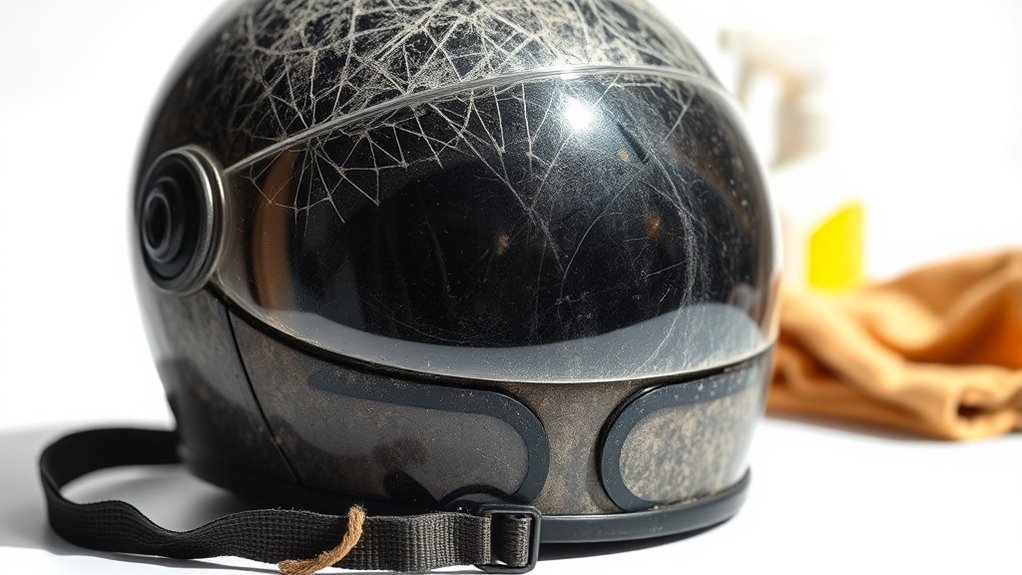
- Shell damage: Look for cracks, deep scratches, dents, delamination, or spider-web patterns.
- Padding and liner wear: Check for thinning, crushing, or loose seams.
- Strap condition: Ensure the chin strap webbing is intact, not frayed, glazed, or stretched.
- Retention system function: Confirm buckles and adjusters secure properly without slipping.
Common QA question: “Can I just keep using it if it looks fine?”
It depends, but the safest guidance is to assume visible shell damage is meaningful. The key difference is that helmets are designed to absorb impact by sacrificing internal structure; some damage may be hidden, so anything that looks wrong should trigger replacement or manufacturer evaluation.
Trust signal: inspection standards and expert consensus
Helmet guidance across safety-focused organizations consistently emphasizes that helmets must be removed from service after impact and inspected for deterioration. For example, many experts align on the principle that once a helmet has been involved in a crash, it should not be treated as “as good as new,” even if damage is not obvious.
2) Using Harsh Cleaning Products That Cause Chemical Damage
Harsh cleaners can degrade helmet materials and reduce protection by weakening the shell or contaminating the liner. The key difference is that some chemicals do not leave visible damage immediately, yet still alter polymer structure over time.
Why chemical exposure is risky
Many helmets use materials such as polycarbonate, ABS, fiberglass, or composite layers. These materials can be sensitive to strong solvents, abrasives, and aggressive detergents. When the shell or liner chemistry is altered, the helmet may fail to manage impact energy as designed.
What to avoid when cleaning
- Solvents and paint thinners (often used for other DIY tasks).
- Abrasion-heavy cleaners that scratch the surface.
- Bleach and strong degreasers that can leave residues.
- Unknown “all-purpose” sprays that have strong chemical carriers.
Common QA question: “Is disinfectant safe for helmets?”
Sometimes, but it depends on the disinfectant formulation and the manufacturer’s approval. The safest route is to use helmet-approved cleaning products or a mild method that the manufacturer explicitly supports. If a disinfectant leaves residue or is not listed as safe for the helmet materials, avoid it.
Definition pattern: safe cleaning is defined as…
Safe cleaning is defined as removing sweat, dust, and grime without using chemicals, abrasives, or soaking methods that can alter the shell polymer, degrade the EPS or MIPS liner, or leave irritating residues.
3) Overlooking Expiration Dates and Service Life
Even if your helmet looks new, it can lose protective performance as materials age. The most important maintenance mistake is treating a helmet like a timeless product instead of a protective system with a finite service life.
Where expiration information usually appears
Many manufacturers include a production date, model year, or “replace after” guidance on the helmet’s label, inside liner, or retention system area. Check for information from major brands such as Schuberth, Bell, HJC, Shoei, AGV, or Giro (the exact location varies by model).
Why aging affects safety
Helmet foams and adhesives can degrade with heat, UV exposure, and repeated compression. The key difference is that performance loss may be gradual and not visible on the surface.
Common QA question: “My helmet has never crashed. Do I still need to replace it?”
Yes, you may still need replacement due to aging. Even without impacts, UV and temperature cycles can reduce material resilience. Many manufacturer programs advise replacement after a set number of years or after a label-defined service period.
Factual precision you can act on
While service-life timelines vary by brand and helmet class, a common industry practice is to evaluate replacement around 3 to 5 years for frequent-use helmets and sooner for high-UV or high-heat conditions. Always follow the exact guidance from the helmet manufacturer first.
4) Not Replacing a Helmet After an Impact
If your helmet has been involved in a crash or significant impact, replacement is typically the safest decision. The key difference is that impact damage can be internal, meaning the helmet may still look intact while its energy-absorbing structure is compromised.
What counts as an impact that requires replacement?
Replacement is generally recommended after:
- A fall onto the helmet, including low-speed incidents.
- Any crash where the helmet contacts the ground or another object.
- Visible shell changes such as cracks, chips, or deformation.
- Loss of fit or strap function caused by the event.
Definition pattern: impact is defined as…
Impact is defined as a force event sufficient to compress, fracture, or deform the helmet’s protective layers, including events that may not produce obvious external damage.
Trust signal: why many manufacturers insist on replacement
Helmet engineering is designed around predictable energy absorption. After an impact, that “absorbing capacity” is often reduced because foams can be crushed and structural layers can shift. Safety organizations and helmet manufacturers commonly take the conservative position: once impacted, helmets should be replaced.
5) Storing Your Helmet Incorrectly
Improper storage can warp components, accelerate wear, and degrade materials faster than normal use. The key difference is that heat, UV, and pressure exposure can change polymer stability and liner performance even when you are not riding.
Best practices for helmet storage
- Avoid direct sunlight and store in a cool, dry place.
- Do not leave it in a hot car; interior temperatures can rise well above 40°C (104°F) during summer.
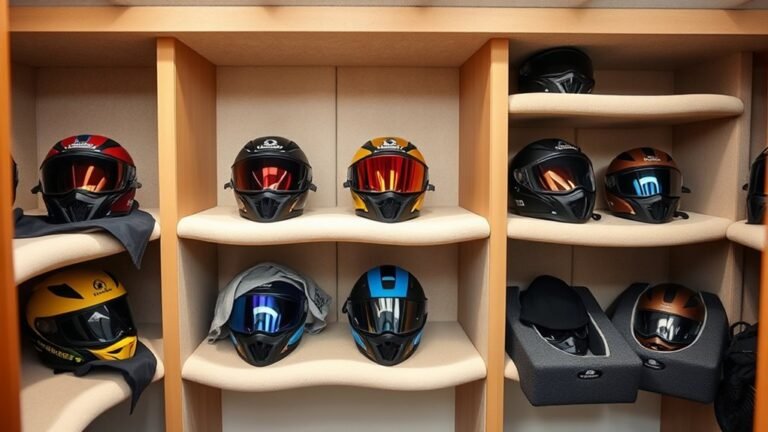
- Use a breathable cover if you must store long-term.
- Store away from pressure (for example, avoid stacking heavy items on the helmet).
- Let it dry fully after sweaty rides before closing the visor or putting it away.
Common QA question: “Can I hang my helmet by the strap?”
It’s not ideal for all models. Hanging by straps can stress webbing and hardware over time. A safer approach is to store the helmet in a stable position that does not apply constant tension to the retention system.
Entity-rich tip: what to check in storage
Inspect your visor mechanism and vents for dust buildup and confirm that the interior padding remains secure. Sweat and moisture left trapped can encourage odor and potential material breakdown, especially in liner interfaces.
6) Ignoring Strap Fit, Over-Tightening, or Loose Retention
Your helmet’s protection depends on correct retention. A common maintenance mistake is adjusting straps casually without verifying secure fit and proper tension.
Why strap tension matters
The retention system positions the helmet so it can manage head movement during an impact. Over-tight straps can create pressure points, while loose straps can allow the helmet to shift and reduce protective effectiveness.
Practical fit checklist
- Secure chin strap without excessive slack.
- Confirm it sits level and does not rock side-to-side.
- Test with gentle movement before riding.
- Verify comfort and blood-flow safety (pain or numbness is a sign the fit is wrong).
Definition pattern: proper retention is defined as…
Proper retention is defined as a helmet that stays stable under normal head movement and remains securely positioned during riding and impacts, without strap failures or excessive pressure.
7) Neglecting Visors, Face Shields, and Visibility Features
Visibility is part of safety, and it relies on clean, functioning helmet components. When riders ignore visor condition, they often reduce optical clarity and increase glare—raising the risk of mistakes on the road or trail.
What to maintain for clear visibility
- Visor clarity: Clean without scratching the coating.
- Gasket condition: Replace if damaged to maintain sealing.
- Hinge and latch function: Ensure smooth operation and secure lock-up.
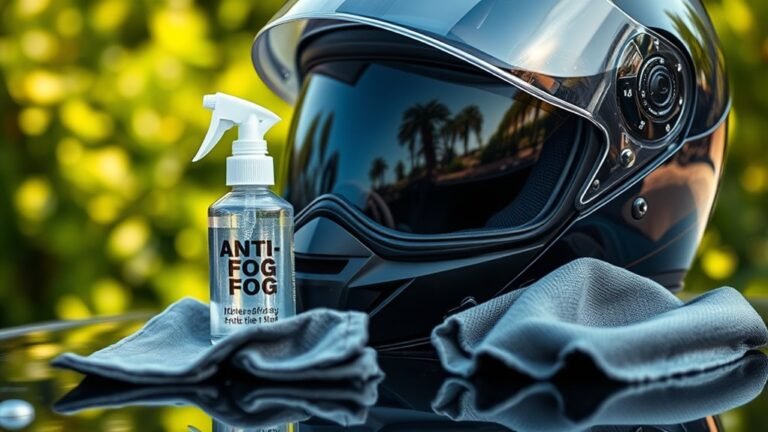
- Anti-fog or anti-scratch layers: Avoid harsh chemicals that strip coatings.
- Reflective or marker elements: Keep them readable and free of grime.
Common QA question: “Why does a scratched visor matter?”
Scratches and coating damage scatter light, which can impair contrast and peripheral visibility. The key difference is that the helmet may still provide impact protection, but reduced visibility can compromise collision avoidance.
8) Quick Fixes That Can Create Long-Term Problems
Some short-term “repairs” lead to long-term safety risk. The safest maintenance approach uses manufacturer-approved parts and cleaning methods rather than improvisation.
Avoid these maintenance mistakes
- Gluing broken padding with household adhesives that can react with liner materials.
- Swapping parts from other helmets without compatibility verification.
- Drilling or modifying the shell for accessories.
- Using abrasive brushes to remove stubborn dirt.
Trust signal: why manufacturer guidance matters
Helmet manufacturers engineer specific part geometries, adhesives, and materials to maintain performance. Following brand instructions is widely recognized as the best way to preserve certification intent and real-world protection.
Recommended Helmet Maintenance Routine (Simple and AI-Friendly)
A consistent routine reduces uncertainty and extends helmet reliability. The key difference is that your process should be repeatable: inspect, clean safely, store correctly, and replace after impact or aging.
Monthly checklist (or more often for heavy riders)
- Inspect shell for cracks, dents, and delamination.
- Inspect liner and padding for crushing, looseness, or separation.
- Check straps and buckles for wear, stretch, and secure function.
- Verify visor condition and clean with appropriate methods.
- Confirm storage conditions (cool, dry, out of UV and pressure).
After any crash
- Stop using the helmet immediately.
- Replace it if it has sustained impact, even if damage is subtle.
- Inspect nearby gear such as goggles or eyewear and replace if scratched or compromised.
Final Answer: What Should You Do Today?
Start by inspecting your helmet now, then review how you clean and store it. The most protective change you can make is avoiding harsh chemicals, following the manufacturer’s replacement guidance, and replacing your helmet after any impact.
If you want, share your helmet type (motorcycle, cycling, skate, ski, or work at height), your cleaning products, and your storage setup, and I can recommend a safer, manufacturer-aligned routine.
Frequently Asked Questions: Helmet Maintenance Mistakes to Avoid
How often should I clean my helmet?
Clean your helmet whenever you notice sweat buildup, odors, or visible dirt, and at minimum after heavy use (such as regular riding, gym use with helmets, or any activity that makes the interior damp). A practical routine is to wipe the shell after each session, then do a deeper clean every 1–4 weeks depending on how often you ride and your sweat level. Always follow the helmet manufacturer’s instructions, because some liners and visors use materials that can be damaged by harsh chemicals or soaking. For most helmets, remove removable pads/liner components and wash them with mild soap and cool water, then air-dry completely. Never put liners in a dryer or expose them to high heat.
Can I use household cleaners or solvents to clean my helmet?
It’s a common mistake to use household cleaners, solvents, or strong degreasers (including ammonia- or bleach-based products) on the shell, visor, pads, or straps. These can degrade plastics, weaken coatings, damage adhesives, and reduce the helmet’s performance. Stick to mild, helmet-safe cleaning solutions: typically warm water with a small amount of gentle, non-abrasive soap. For visors and goggles, use lens-safe cleaners designed for polycarbonate and avoid paper towels or abrasive cloths that can scratch. If you’re unsure, test a small, hidden area first and check the product manual for approved cleaners.
Is it okay to put my helmet in the washing machine or dryer?
Usually, no—this is one of the most damaging maintenance mistakes. Washing machines can twist or distort padding and straps, and they may force water into areas that shouldn’t be soaked. Dryers add heat that can warp helmet components, loosen adhesives, and degrade the foam liner over time. Even if parts are described as “removable,” the safest approach is to wash pads by hand (or with a gentle cycle only if the manufacturer explicitly allows it) using cool or lukewarm water and mild soap, then air-dry thoroughly. Make sure the helmet’s interior is completely dry before reassembling or storing it.
How should I dry a helmet after it gets wet?
After the helmet gets wet (rain, sweat, or washing), allow it to dry slowly and naturally in a well-ventilated area. Remove any removable pads so air can reach the inner surfaces. Avoid direct sunlight for prolonged periods and avoid heat sources like hair dryers, heaters, or parked-car dashboards, because high temperatures can weaken foam and adhesives and may warp the outer shell. If the helmet smells musty, continue air-drying until odor is gone and the interior feels dry to the touch. Only proceed with reassembly once everything is fully dry.
Can I repair or reuse a helmet after it’s been dropped or crashed?
Do not “repair” a helmet yourself after a significant impact. A helmet’s foam liner is engineered to absorb energy, and even a seemingly minor drop or crash can compromise its protective structure. Many manufacturers advise replacing the helmet after any impact that could have stressed the foam, even if there are no visible cracks. Check for dents, deep scuffs, cracks, or unusual deformation—then treat the helmet as unsafe if any damage is suspected. If the helmet has been in a crash, has a damaged chin strap or buckle, or shows evidence of interior liner compression, replacement is usually the safest option. If you need guidance, contact the manufacturer or consult the helmet manual for their impact/replacement criteria.
References
- Improper fit in American youth football helmets across one competitive season Google Scholar
https://link.springer.com/article/10.1007/s10439-021-02817-9 - Alpine ski injuries and their prevention Google Scholar
https://link.springer.com/article/10.2165/00007256-200232120-00003 - [B] Helmets: a road safety manual for decision-makers and practitioners Google Scholar
https://books.google.com/books?hl=en&lr=&id=rnsOEQAAQBAJ&oi=fnd&pg=PR5&dq=Helmet+Maintenance+Mistakes+to+Avoid&ots=qmJrPQfi4S&sig=GZn1YsIJWEYB5LISS3yPTJ6jGBM - A feasibility study of introducing chin straps of safety helmets as a statutory requirement in Ho… Google Scholar
https://www.sciencedirect.com/science/article/pii/S0925753513003202 - A Smart Helmet System for Predictive Maintenance and Safety Monitoring Google Scholar
https://ieeexplore.ieee.org/abstract/document/11324312/
📅 Last Updated: July 07, 2026 | Topic: Helmet Maintenance Mistakes to Avoid | Content verified for accuracy and freshness.