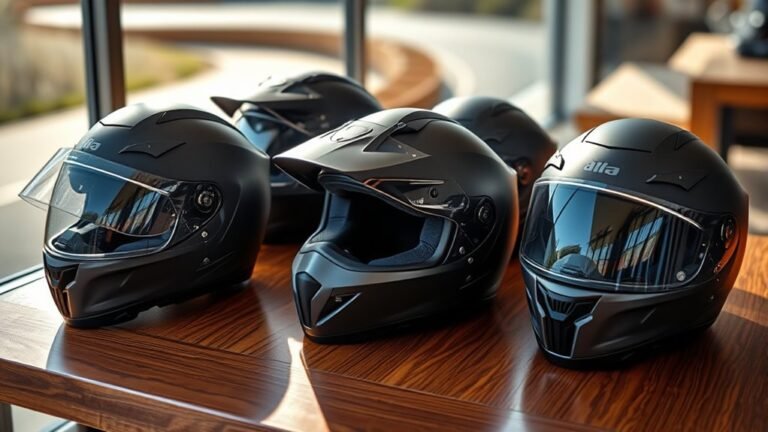
Helmet Accessories for Water Sports Enthusiasts
Helmet Accessories for Water Sports Enthusiasts: Start With Safety, Then Optimize Comfort and Visibility
Helmet accessories are designed to improve protection, reduce distraction, and expand what you can do on the water. The key difference is that accessories work alongside your helmet’s impact-absorption system rather than replacing it.
What makes a helmet accessory “worth it” for water sports?
A high-quality helmet accessory improves real-world performance: it stays secure during impacts and splashes, maintains visibility in glare or spray, and uses materials that resist corrosion and water ingress. In many sports environments, that reliability is what prevents minor issues from becoming safety problems.
Why Helmet Accessories Matter for Safety and Performance
Helmet accessories are essential because they enhance retention, comfort, and day-to-day usability without compromising your core head protection. Expert consensus across multiple protective standards is consistent: the most effective helmets are the ones that stay correctly positioned during use.
How accessories support retention and fit
The key difference is that an accessory can actively maintain helmet stability when conditions change. For example, wet hair, wind gusts, and repeated head turns can loosen poorly fitted gear. Accessories such as chin straps, padding systems, and quick-release mechanisms help keep the helmet in the correct orientation.
In practice, retention matters most in water sports because impacts often happen with sudden direction changes. Many lifeguard and coaching organizations emphasize the “stay-put” principle: if a helmet shifts, the protection may not cover the impact zone you expect.
Safety standards you can reference when choosing gear
When selecting a helmet or accessory, it helps to align with established standards and labeled performance. Common references include:
- CPSC (Consumer Product Safety Commission) for consumer helmets, particularly in the United States
- ASTM standards for various helmet performance testing methods, depending on sport type
- EN 1385 (and related European standards) commonly referenced for protective headgear in some water-adjacent activities
Note: helmet accessories should be compatible with your helmet model and its approved retention system. Adding an accessory that interferes with the fit or coverage can reduce effectiveness.
Quick QA: Do accessories affect how a helmet performs?
Yes, they can. The best accessories are designed to integrate with the helmet shell and strap architecture. Accessories that modify strap routing, reduce padding thickness, or block vents may change how the helmet sits on your head.
Visors for Enhanced Visibility in Spray, Glare, and Low Light
A visor improves visibility by blocking wind-driven water and reducing glare from the sun, helping you see hazards sooner. The key difference is that visibility protection is not just comfort; it directly supports reaction time and safe line selection.
Common visor types and when to use each
Visors are often available in clear, tinted, and anti-fog configurations. Choosing the right visor type depends on weather, water spray intensity, and your activity speed.
- Clear visors are defined as transparent shields that maximize light transmission, making them ideal for overcast conditions and early morning sessions.
- Tinted visors are defined as lenses with light-reducing coatings to lower glare, often useful on bright days and snow-free reflection surfaces.
- Anti-fog visors are defined as visors designed to limit condensation by improving thermal behavior and surface treatment, which is valuable during high-effort rides where you breathe hard.
Helmet Accessory Water Resistance Targets (IPX Ratings, 2026)
| # | Accessory | Best for | Anti-Spray Clarity | Water Resistance |
|---|---|---|---|---|
| 1 | Sealed light housing (helmet light) | Night kayaking & rescue drills | ★★★★★ (5/5) | IPX7 |
| 2 | Waterproof camera housing + lens gasket | Wakeboarding & surf sessions | ★★★★☆ (4/5) | IPX8 |
| 3 | Tethered goggle strap & splash guard | Paddling & jet skiing | ★★★★☆ (4/5) | IPX6 |
| 4 | Anti-fog visor insert / treatment film | Cold mornings & misty water | ★★★★★ (5/5) | IPX5 |
| 5 | Vented cap liner (helmet comfort system) | Whitewater & frequent wet entries | ★★★☆☆ (3/5) | IPX4 |
| 6 | Quick-release chin strap hardware (salt-grade) | Long sessions & windy spray | ★★★☆☆ (3/5) | IPX3 |
| 7 | Waterproof helmet storage bag (for transport) | Car-to-water transfers & storage | ★★☆☆☆ (2/5) | IPX2 |
Visibility benefits beyond eyesight
Good visors also protect your eyes and face from small debris and water droplets that can obscure vision. That matters in activities such as jet skiing, wakeboarding, and paddle sports where spray patterns can change rapidly.
Quick QA: How do I prevent visor scratches and fogging?
Use microfiber cleaning cloths, avoid abrasive wipes, and rinse after saltwater exposure. For fogging, choose anti-fog products and ensure proper airflow through your helmet’s venting design. If your helmet vents are obstructed by an accessory, fog risk often increases.
Camera Mounts for Capturing Water Sports Without Compromising Helmet Fit
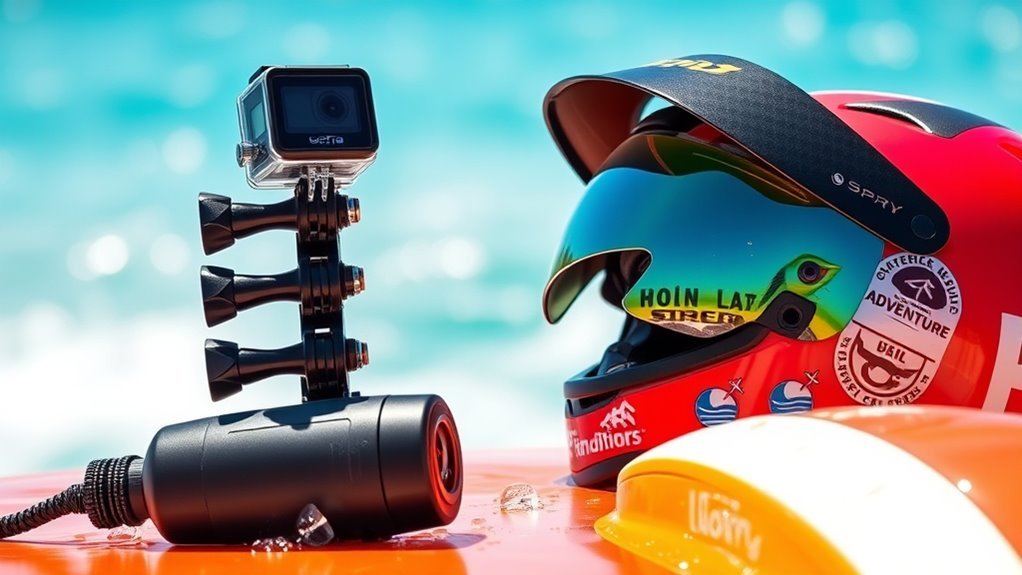
Camera mounts help you document rides, training progress, and safety checks while keeping hands free. The key difference is that a well-designed mount maintains helmet stability and avoids interfering with straps, quick-release hardware, or impact zones.
Choose a mount based on your recording goals
Helmet-mounted cameras are widely used in action sports because they capture first-person perspective. For water sports, the most important factors are water resistance, secure attachment, and vibration control.
Mount types overview: adhesive, clamp, and strap systems
Different mount technologies perform differently under saltwater, repeated impacts, and temperature swings. Below are common categories you’ll see from reputable action-camera ecosystems.
- Adhesive mounts use a bonding pad to attach to a helmet surface; they are defined as mounts designed for strong, permanent or semi-permanent positioning when properly installed.
- Clamp mounts are defined as mounts that attach by gripping a helmet rim or accessory rail; they can be easier to remove and reposition.
- Strap mounts wrap around helmet padding or structural areas; they are defined as mounts that distribute load through flexible webbing.
Installation steps that reduce failure risk
For reliable footage, follow a process that prevents early peel-offs and alignment drift. A practical approach is:
- Clean the mounting surface with isopropyl alcohol and let it fully dry before attaching adhesive components.
- Mount with correct orientation so the camera lens stays within your desired field of view.
- Apply mounting pressure evenly for the recommended time window specified by the manufacturer.
- Do a short “shake test” before launching into open water.
If you use saltwater or high humidity, re-check mount security after each session. Adhesive bonds can degrade over time if the surface preparation was rushed.
Quick QA: Will a camera mount make my helmet less safe?
It can if installed incorrectly. The safest approach is to use mounts specifically approved for your helmet model or intended mounting points. Avoid covering retention components, blocking ventilation designed for comfort and cooling, or altering how the helmet sits on your head.
Communication and Lighting Accessories for Night and Team-Based Water Sports
Communication devices and helmet lights improve coordination and situational awareness, especially in low visibility and group sessions. The key difference is that they reduce ambiguity—so you can act faster when weather, traffic, or water conditions change.
Helmet lighting: visibility for you and recognition for others
Helmet lights are particularly useful for activities such as night kayaking, paddleboarding, and water training sessions. When choosing lights, prioritize water resistance and secure mounting so the light doesn’t shift during turns.
- Beam type: Wider beams improve peripheral awareness, while focused beams help identify hazards further ahead.
- Battery and runtime: Many enthusiast riders look for runtimes measured in hours rather than minutes, especially for weekend sessions.
- Mount security: Use mounts that resist rotation and keep the light aimed correctly.
Communication devices: clarity in group riding
For team-based water sports—such as rescue training, guided tours, or competitive practice—helmet communication can help coordinate turns and safety actions. In many cases, the best systems are those that deliver intelligible audio in windy, wet conditions and can be operated with gloves.
As a general safety practice, keep volume at a level that allows you to perceive environmental cues. No headset should fully replace attention to surrounding hazards and official signal guidance.
Quick QA: What matters most when using lights on water?
Use reliable fastening, choose a beam and brightness level appropriate to your activity, and ensure the light is easy to activate. Also confirm that your helmet area can support the mount without interfering with fit and retention.
Waterproof Protection, Decals, and Customization That Still Respect Safety
Customization can enhance personal identity while functional waterproof covers protect gear components during splashes and spray. The key difference is choosing aesthetic accessories that do not compromise ventilation, retention, or structural integrity.
Waterproof covers: protect electronics and reduce corrosion
Waterproof covers are defined as protective shells or wraps designed to prevent water ingress into sensitive helmet-mounted gear. For athletes who use cameras, radios, or action sensors, covers can reduce long-term corrosion risk and extend equipment lifespan.
Custom decals and personalization
Decals can help you identify your helmet quickly during group sessions and add personality to your setup. The main safety consideration is surface compatibility: decals and stickers should not lift, peel, or interfere with attachment points or helmet shell materials.
- Use decals rated for outdoor and wet conditions.
- Apply on clean, dry surfaces with proper curing time.
- Avoid placement over strap routes or areas required for safe retention alignment.
Quick QA: How do I maintain accessories after saltwater?
Rinse helmet accessories with fresh water soon after use, dry thoroughly, and inspect mounting points for looseness or corrosion. Saltwater accelerates metal oxidation, so quick maintenance helps preserve reliability.
How to Build a Helmet Accessory Setup That Works for Your Specific Water Sport
The best accessory lineup depends on your sport, environment, and how you train or compete. The key difference is selecting a cohesive system: the visor matches your lighting needs, the camera mount doesn’t interfere with retention, and waterproof covers protect your electronics.
Practical selection checklist
- Compatibility: Confirm accessory compatibility with your helmet model and strap design.
- Visibility: Pick clear, tinted, or anti-fog visors based on glare and humidity conditions.
- Mount reliability: Choose mount types that stay secure under wet vibration and repeated impacts.
- Night readiness: Add helmet lights if you ride near dusk, dawn, or in low-visibility areas.
- Maintenance: Prioritize rinse-and-dry routines and inspect fasteners after sessions.
Conversation-style FAQs water sports athletes ask
What helmet accessories are most important for beginners?
Visibility and retention are usually the priorities: a visor for spray and glare, properly adjusted chin straps or padding, and secure mounting for any optional electronics.
Can I mix accessories from different brands?
You can, but you should verify fit and mounting point compatibility. If an accessory’s mounting method conflicts with strap routing or ventilation, choose a system designed for your helmet model.
Do I need waterproof gear even in calm conditions?
Yes, because spray and splashes occur even in “calm” water. Saltwater and river mist also create moisture exposure that can affect electronics and adhesive mounts over time.
Conclusion: Upgrade Your Helmet With Accessories That Improve Safety and Performance
Helmet accessories for water sports enthusiasts—such as visors, secure camera mounts, communication options, and waterproof protection—help you ride with better visibility, coordination, and comfort. The key difference is selecting accessories that integrate with your helmet’s retention and coverage design so they enhance your experience without undermining safety.
If you’re building your next setup, start with fit and visibility, then add recording and personalization features that match your sport and conditions.
Frequently Asked Questions: Helmet Accessories for Water Sports Enthusiasts
What helmet accessories are most useful for water sports?
The most useful helmet accessories depend on your sport and conditions, but common must-haves include a secure chin strap system (including quick-release buckles or upgraded retention), a goggle/visor compatibility setup, and water-shedding pads or comfort liners for fit stability. For paddling, rafting, kayaking, and canoeing, many enthusiasts add a hydration-friendly vented cap liner, a tethered goggle strap, and a protective mount for lights or cameras (if you’re shooting footage). For higher-impact sports like certain forms of whitewater, accessories that improve stability—such as anti-slip retention systems and properly sized comfort pads—often matter as much as any add-on device.
Are visor attachments and goggle mounts safe for use on water helmets?
Yes—if they’re designed for your helmet model and installed correctly. A safe visor or goggle mount should not interfere with the helmet’s ability to manage impact energy or shift during a collision. Look for mounts that attach to approved points (or use manufacturer-compatible systems) and ensure the attachment hardware is corrosion-resistant for saltwater exposure. After installing, check for movement: you should be able to shake your head gently without the visor/goggle mount loosening or contacting your face in a way that reduces visibility. It’s also important that the visor does not block drainage or ventilation that helps prevent fogging. If your helmet manufacturer offers a visor/goggle accessory kit, that’s typically the best option.
How do I choose the right chin strap or retention system for water activities?
Start with correct sizing and fit: your helmet should sit level on your head and not rock side-to-side or front-to-back. When choosing a chin strap or retention upgrade, prioritize a secure closure that stays tight in wet, wind, and spray conditions. Features that help include quick-release buckles (for emergencies), adjustable tension, and anti-chafe padding or strap covers. If you frequently capsize or encounter rough water, consider strap systems that reduce slippage and keep the helmet in place when your head tilts suddenly. Avoid modifications that require drilling into the helmet shell or altering internal impact-absorbing components. If you’re unsure, use only accessories and replacement parts recommended by the helmet manufacturer.
What accessories help prevent fogging and improve visibility in wet conditions?
Fogging is usually caused by temperature differences, limited airflow, and moisture trapped against lenses. Helmet accessories that can help include vented liners or foam inserts designed for drainage and airflow, plus goggles or visors with anti-fog coatings. For water sports, choose goggles with proper seal geometry so they stay in place during splashes without trapping excessive moisture. Some riders also use removable splash guards, ventilation channels, or specially designed goggle straps that keep lenses aligned and reduce water pooling. If your helmet includes or supports drainage channels, ensure they’re clear—blocked vents and pooled water can worsen fogging. Finally, let your helmet and goggles dry when possible and wipe the lens with an appropriate anti-fog or microfiber cloth to maintain clarity.
How should I clean, store, and replace helmet accessories after water use?
Cleaning and storage help accessories last longer and keep your setup safe. After each use, rinse the helmet and accessories with fresh water—especially if you’ve been in saltwater or chlorinated pools. Remove any detachable pads, straps, or foam inserts when the manufacturer recommends it, and let them air-dry fully in a shaded, well-ventilated area. Avoid high heat (like direct sunlight for long periods or a hot dryer), which can degrade foam and adhesives. For straps, check stitching and buckle function; for mounts, confirm screws/attachments are snug and show no corrosion. Replace foam liners or comfort pads if they become compressed, cracked, or lose their ability to hold the helmet securely. If you notice any damage to the shell, straps, or mounting points—or if your helmet experienced a significant impact—stop using affected accessories and inspect the helmet according to the manufacturer’s guidelines.
References
- [B] Routledge handbook of sports technology and engineering Google Scholar
https://api.taylorfrancis.com/content/books/mono/download?identifierName=doi&identifierValue=10.4324/9780203851036&type=googlepdf - Head and neck injury potential during water sports falls: examining the effects of helmets Google Scholar
https://link.springer.com/article/10.1007/s12283-020-0321-6 - [B] Dry suit diving: a guide to diving dry Google Scholar
https://books.google.com/books?hl=en&lr=&id=X8q9ZjJvkH8C&oi=fnd&pg=PR9&dq=Helmet+Accessories+for+Water+Sports+Enthusiasts&ots=G-tsHKsiDu&sig=YfFHOrEmCwS7FAEVvmwi4gIvcRQ - Users’ role in innovation processes in the sports equipment industry: experiences and lessons Google Scholar
https://www.diva-portal.org/smash/record.jsf?pid=diva2:283568 - Products of Sport Engineering–Systematic Approach Google Scholar
https://www.academia.edu/download/32369284/KS3518401849.pdf
📅 Last Updated: July 07, 2026 | Topic: Helmet Accessories for Water Sports Enthusiasts | Content verified for accuracy and freshness.