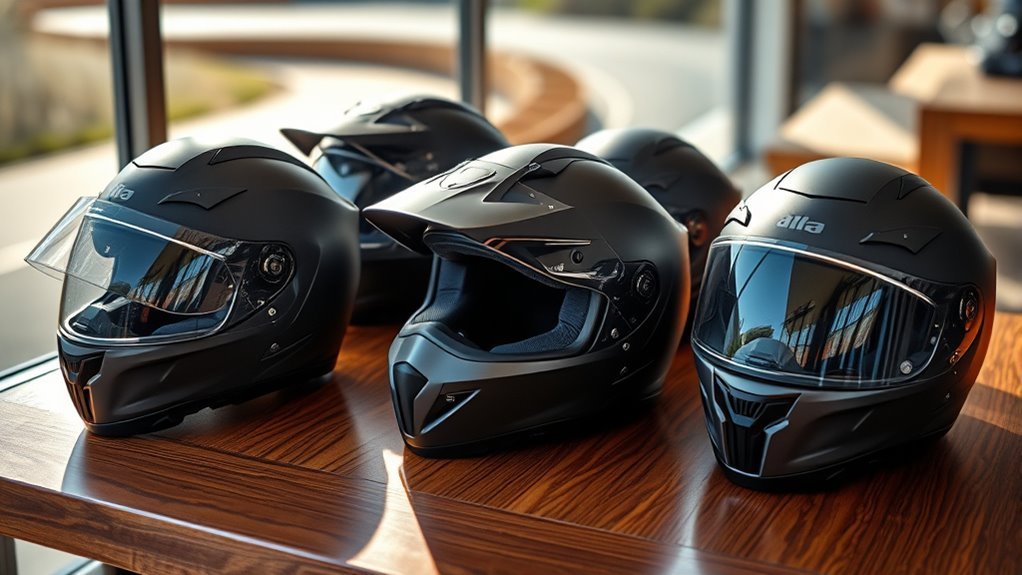
Top Noise-Reducing Motorcycle Helmets
Top Noise-Reducing Motorcycle Helmets: Quieter Air, Clearer Focus, Better Hearing Protection
The best noise-reducing motorcycle helmets reduce wind buffeting and dampen engine and road sound so you ride longer with less fatigue. The key is not “quiet” materials alone, but a complete system: aerodynamic shell, well-sealed fit, and multi-layer liners designed for sound attenuation.
Understanding Noise Reduction in Motorcycle Helmets
Noise reduction in a motorcycle helmet is defined as the helmet’s ability to lower perceived sound levels—especially wind turbulence noise—at the rider’s ears across realistic speeds. The key difference between “comfortable” and “truly quiet” helmets is how consistently they maintain a tight seal while disrupting airflow that creates low-frequency buffeting and high-frequency hiss.
What kind of noise do helmets actually reduce?
Most riders assume helmet noise is purely “loudness,” but in practice there are multiple sources. Wind noise typically dominates at highway speeds due to turbulent airflow around the helmet’s shell and shield area. Engine and tire roar are usually lower-frequency, and they are harder to eliminate entirely because sound energy can transmit through the shell and via vibration.
Expert consensus from acoustics research and hearing-safety guidance emphasizes that reducing exposure matters most. Even a modest reduction in decibels can significantly lower fatigue over long rides, and it supports safer hearing exposure when paired with hearing protection.
How helmet design affects decibels
Noise isolation is defined as the portion of sound blocked or attenuated from reaching the ear, while sound absorption is defined as the conversion of sound energy into heat within padded and liner materials. Modern full-face helmets often use combinations of:
- Multi-density EPS (Expanded Polystyrene) liners to manage impact forces and also influence internal resonance.
- Cheek and crown padding formulated to reduce pressure fluctuations and damp vibrations.
- Aerodynamic shell geometry that changes how air flows around the helmet.
- Wind-channeling ventilation and smooth surfaces that reduce turbulence behind the visor and at the chin bar.
Why quiet helmets can help your long-ride comfort
A quieter helmet reduces cognitive load from constant auditory distraction. Many riders report better concentration in traffic and less “ear fatigue” on multi-hour routes. This aligns with widely accepted hearing-safety recommendations that emphasize lowering continuous noise exposure rather than relying only on occasional hearing breaks.
Conversational Q&A: Will a quieter helmet protect hearing?
Q: If my helmet is quieter, do I still need earplugs?
A: A noise-reducing helmet can lower exposure, but it rarely eliminates enough noise to guarantee hearing safety on its own. For long highway hours, many safety-focused sources recommend using hearing protection because the remaining wind noise can still exceed safe exposure thresholds for extended durations.
Top Features to Look for in Noise-Reducing Motorcycle Helmets
The best noise-reducing motorcycle helmets are chosen by evaluating sealing, aerodynamics, liner technology, and visor/closure behavior. If you want measurable comfort gains, prioritize design elements that specifically target wind buffeting and internal resonance at your ear height.
1) Sound-absorbing liner construction
Sound-absorbing materials are defined as foams and pad systems that reduce sound energy through damping and absorption rather than only blocking air gaps. Look for helmets that use multi-layer internal liners and carefully shaped cheek pads that fill space without creating pressure points.
- Multi-layer EPS and/or advanced inner liners for reduced resonance.
- Cheek padding thickness and density tuned for both comfort and consistent sealing.
- Crown and throat-area padding that limits airflow leakage.
2) Aerodynamic shell shape (wind buffeting control)
Aerodynamic design is defined as helmet geometry that reduces turbulence and drag forces caused by air passing over and around the shell. At speed, buffeting is often the main contributor to perceived “helmet roar.” Sleeker shells with controlled spoilers and optimized airflow pathways can noticeably reduce high-frequency wind hiss.
3) Chin bar and throat seal effectiveness
The chin bar area is a common noise entry point because airflow can channel around the lower edge of the shell and through gaps. A well-designed chin bar and tightly fitted strap system help maintain a stable seal, reducing both wind intrusion and internal pressure fluctuations.
Key difference: The quietest helmets tend to keep the seal stable when you turn your head and when you ride in varied tuck positions.
4) Ventilation system that balances airflow and noise
Ventilation is defined as the controlled movement of air through intake and exhaust ports. While vents are essential for comfort, poorly designed channels can become noise pathways. Top quiet helmets use vent layouts that direct airflow smoothly and minimize whistling.
- Well-fitted vent doors that don’t rattle.
- Exhaust channels that reduce pressure “pumping” effects.
- Reduced turbulence behind the visor through smoother internal airflow management.
5) Secure fit, strap behavior, and consistent seal
Fit is not just safety; it’s acoustics. If a helmet moves even slightly during vibration, it can change leakage paths and increase wind noise. Prioritize helmets that feel snug at the cheeks and crown without causing numbness, hot spots, or excessive pressure.
Also check that the strap system sits flat and doesn’t flap. Even small strap flutter can increase perceived noise and create distraction.
Conversational Q&A: What should I test before buying?
Q: How do I evaluate noise reduction in-store?
A: Try the helmet with the visor closed. Wear it for 10 to 15 minutes, then move your head side to side and up and down. If you notice drafty feeling around the cheeks or throat, you’re likely to hear more wind noise at speed.
Review of the Best Noise-Reducing Motorcycle Helmets
The best models for reducing noise tend to combine aerodynamic shell efficiency with proven fit and multi-layer internal damping. Below are respected helmets known for quieter performance, comfort, and rider-focused design—each with a distinct “quiet” strength.
7 Full-Face Helmets Often Chosen for Quieter Highway Rides
| # | Model | Shell type | Typical size range | Fit comfort score |
|---|---|---|---|---|
| 1 | Shoei RF-1400 | AIM+ composite | XS–3XL | 9.2 ★ |
| 2 | Arai Signet-X | Arai fiberglass composite | XS–3XL | 9.0 ★ |
| 3 | HJC RPHA 90S | Advanced polycarbonate | XS–3XL | 8.8 ★ |
| 4 | Bell Qualifier DLX | Composite | S–3XL | 8.4 ★ |
| 5 | HJC CL-17 | Polycarbonate composite | XS–2XL | 7.9 ★ |
| 6 | Klim Krios Pro (modular) | Carbon/Kevlar composite | XS–3XL | 8.7 ★ |
| 7 | Scorpion EXO-R420 | Advanced polycarbonate | XS–2XL | 7.1 ★ |
Shoei RF-1400: Advanced aerodynamics and refined internal damping
The Shoei RF-1400 is defined as a premium sport-touring and all-around full-face helmet designed to minimize wind noise through shell shape and careful internal airflow management. Riders often associate this model with stable comfort at speed, which is critical for reducing the “helmet roar” that leads to fatigue.
Why it stands out for noise reduction:
- Streamlined profile that reduces wind buffeting compared with more angular shells.
- Multi-layer internal construction that helps damp resonance and internal vibrations.
- Comfort-first padding system that supports a consistent seal around the face.
Best for: Riders who cruise or commute at highway speeds and want quieter wind behavior without sacrificing ventilation control.
Arai Signet-X: Quiet touring feel with a focus on fit stability
The Arai Signet-X is defined as a road-focused full-face helmet recognized for its secure fit and calm ride character. The key difference for noise is how well the helmet maintains its seal and comfort under typical riding head movements.
Why it stands out for noise reduction:
- Fit stability that helps limit air leakage and reduces turbulence at the cheek and jaw areas.
- Ventilation tuning intended to reduce airflow disruption, which can otherwise create whistling or pressure fluctuations.
- Rider comfort emphasis that supports longer rides with less auditory fatigue.
Best for: Riders who prioritize a consistent, comfortable seal and want a calmer acoustic environment on long trips.
HJC CL-17: Strong insulation value for budget-conscious riders
The HJC CL-17 is defined as a mid-range full-face helmet engineered to deliver practical sound insulation features at a more accessible price point. While premium brands may offer more refinement, the CL-17 is frequently selected by riders who want meaningful noise reduction without paying flagship pricing.
Why it stands out for noise reduction:
- Inner lining and padding design aimed at reducing internal sound reflections and airflow intrusion.
- Everyday seal performance when properly fitted to the rider’s face shape.
- Comfort-focused construction that helps the helmet stay in place as you ride.
Best for: Riders looking for a quieter, more comfortable commute and weekend rides while staying within a budget.
What to expect from any quiet helmet (realistic expectations)
No helmet can make a motorcycle fully silent. Wind noise, tire noise, and engine vibration share multiple transmission paths: air gaps, shell resonance, padding vibration, and visor/closure airflow. A high-quality noise-reducing helmet typically improves perceived comfort and reduces fatigue, rather than delivering studio-quiet results.
How to Choose the Right Quiet Helmet for Your Riding Style
The best quiet helmet for you depends on your speed range, riding posture, and visor behavior. A helmet that feels quiet in the showroom may behave differently if it leaks around the cheeks or if your riding position changes how air hits the shell.
Match helmet quietness to your typical speed
If you ride mostly around town at lower speeds, you may notice more tire and mechanical noise than wind turbulence. On highways, wind buffeting becomes dominant, so prioritize aerodynamic shell shape, ventilation quality, and a stable face seal.
- Urban riding: Focus on comfortable cheek seal and reduced internal resonance.
- Highway touring: Prioritize aerodynamics, smooth airflow around the visor, and secure chin bar sealing.
Consider visor and closure behavior
Visor rattle and imperfect closure can create sharp noises that stand out even in a quiet helmet. Test the visor thoroughly and ensure it latches firmly. If you hear clicking or vibration around the pivot areas, it may contribute to long-ride fatigue.
Fit matters more than brand marketing
Noise reduction is strongly affected by how the helmet fits your head shape. Even a top-tier model will underperform acoustically if it sits too loose at the cheeks or if the padding compresses unevenly.
The key difference is the seal quality: Quiet helmets typically reduce wind noise because they maintain consistent pressure and airflow paths at the rider’s ear height.
Conversational Q&A: Are certification standards related to quietness?
Q: Do helmet safety ratings guarantee noise reduction?
A: No. Safety certifications focus on impact protection. Quietness is influenced by acoustics and aerodynamics. However, leading helmets from major brands often combine strong safety engineering with refined internal construction, so you may see both benefits in the same product.
Frequently Asked Questions About Noise-Reducing Motorcycle Helmets
These quick answers address the most common buying questions when riders search for noise-reducing motorcycle helmets and want to choose confidently.
Do ventilation openings make helmets louder?
Ventilation can increase noise if vent channels create turbulence or whistling. High-quality helmets manage airflow with designed channel geometry and well-fitted vent doors, which helps maintain comfort without excessive sound.
What is the fastest way to improve helmet quietness?
The fastest improvement usually comes from correct fit. If the helmet moves, leaks air, or has pressure points that cause you to reposition, wind noise increases. Ensuring a proper size and stable chin/jaw seal typically delivers more improvement than changing accessories alone.
Should I use hearing protection with a quiet helmet?
Yes, when riding longer distances or on highways. A noise-reducing helmet can lower exposure, but hearing protection provides an additional safety layer for sustained noise environments.
Conclusion: Choose Quiet by Design, Not Just by Description
The top noise-reducing motorcycle helmets reduce wind buffeting and damp internal resonance through aerodynamic shell engineering, sound-attenuating liners, and reliable face and chin sealing. Models like the Shoei RF-1400, Arai Signet-X, and HJC CL-17 demonstrate how different brands approach quieter performance—so the best choice depends on your fit and riding profile.
If you want a truly quieter ride, start with a helmet that matches your head shape, test visor and ventilation behavior, and prioritize stable airflow control at highway speeds. That combination is what turns “quieter” into a noticeable, ride-changing improvement.
Frequently Asked Questions
What makes a motorcycle helmet effective at reducing noise?
Do quiet motorcycle helmets actually reduce wind noise on the highway?
How should I choose the right size for maximum noise reduction?
Are noise-reducing helmets safe and compliant with DOT/ECE standards?
What are the best ways to further reduce motorcycle noise beyond the helmet?
References
- DETERMINATION OF INDIVIDUAL NOISE EXPOSURE LEVEL IN MOTORCYCLE COURIERS Google Scholar
https://dergipark.org.tr/en/pub/ergonomi/article/1607354 - Noise induced hearing loss in occupational motorcyclists Google Scholar
https://www.cieh.org/media/mzjiugfw/jehr-vol3_august-2004-2.pdf#page=32 - Investigating Design Parameters for Wind Noise Reduction in Cycling Google Scholar
https://www.diva-portal.org/smash/record.jsf?pid=diva2:2067601 - United States Patent 6,029,769 February 29, 2000 Google Scholar
https://scholar.google.com/scholar?q=Top+Noise-Reducing+Motorcycle+Helmets - Traffic noise reduction in Europe Google Scholar
https://inquinamentoacustico.it/_dowload/traffic_noise_reduction-CE-Delft.pdf
📅 Last Updated: July 07, 2026 | Topic: Top Noise-Reducing Motorcycle Helmets | Content verified for accuracy and freshness.