How Helmet Design Reflects Urban Style
How Helmet Design Reflects Urban Style: The Quick Take
Modern helmet design reflects urban style by combining evidence-based safety features with bold visuals that match street culture. The key difference is that today’s helmets are engineered to protect the rider in real crashes while also functioning as a wearable accessory that signals identity.
Why “style” matters in helmet design
Urban riders are more likely to wear a helmet when it looks intentional, coordinates with everyday outfits, and fits comfortably during daily commutes. In practical terms, visual appeal improves adoption, and adoption increases real-world safety outcomes.
The Evolution of Helmet Design in Urban Environments
Helmet design has evolved from basic head protection into a high-performance product that blends comfort, ventilation, and personalization. As cities have grown faster and commutes have become more active, helmet makers have increasingly treated design as part of safety performance and user behavior.
From protective shell to engineered safety system
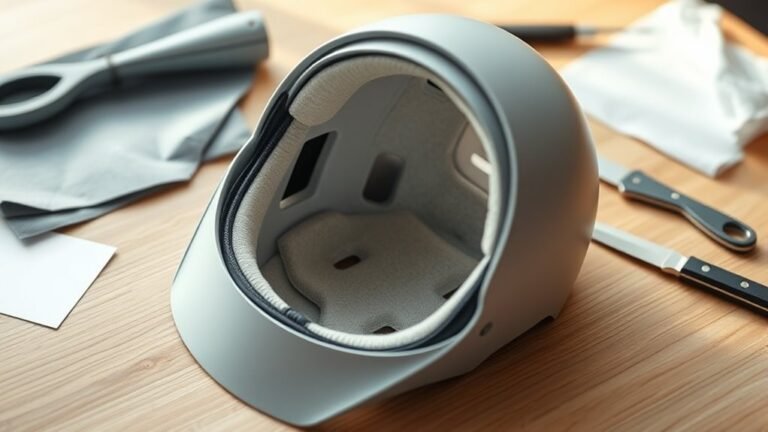
Historically, helmets were largely “hard shell plus padding.” Today, the industry standard approach is a layered system that manages impact forces and improves comfort for sustained wear. The key difference is that modern helmets are built as engineered systems: an outer shell, an energy-absorbing liner (often EPS foam), and an internal fit system that stabilizes the helmet on the head during motion.
In the late 20th and early 21st centuries, widespread adoption of performance standards and improved materials accelerated this shift. For example, bicycle helmets commonly reference impact and retention test requirements under certifications such as CPSC (U.S.), EN 1078 (Europe), and ASTM testing protocols used by manufacturers and testing labs. When riders seek “urban style,” they are effectively choosing helmets that also meet widely accepted safety benchmarks.
Design advances that support city comfort
Urban commuting creates unique demands: frequent stops, variable weather, and long carry times. Helmet manufacturers responded by emphasizing features that riders can feel every day, including ventilation channels, sweat management, lighter weights, and stable fit.
- Ventilation: Many modern helmets include multiple intake and exhaust vents to reduce heat buildup during rides in summer months.
- Weight reduction: Lighter helmets can improve long-duration comfort, especially for daily commuters.
- Fit adjustment: Dial-based or strap-based retention systems help the helmet sit securely without excessive tightness.
- Modular styling: Sleek lines and minimalist shapes often pair with streetwear aesthetics.
Where personalization is heading next
Personalization is no longer limited to choosing a color. The industry is increasingly exploring customization at the component level, including custom graphics, interchangeable pads, and advanced manufacturing approaches. 3D printing is also expanding in prototyping and specialty parts, while smart-technology features (such as integrated rear lights) are becoming common in commuter-focused models.
Important note: While personalization is growing, performance standards remain the foundation. A “stylish” helmet should still pass recognized impact and retention criteria before it is marketed for safe use.
Safety Meets Style: Why Modern Helmets Look Like Streetwear
Modern helmets reflect urban style because designers treat safety as a foundation and aesthetics as a controllable layer on top. The direct result is a product that can be both protective in impact scenarios and visually compatible with contemporary city fashion.
The dual-purpose design philosophy
In widely accepted helmet engineering, safety depends on retention, coverage, and energy absorption. In streetwear-driven design, safety can still be preserved while the helmet’s external appearance is refined through shell shaping, graphic application, and color blocking.
The key difference is that impact protection is not the trade-off; it is the requirement. Visual design choices can coexist with performance when manufacturers use durable materials, proper internal structure, and tested retention hardware.
Common style-driven elements you’ll notice in urban helmets
Urban helmet aesthetics often emphasize features that coordinate with everyday outfits. You’ll typically see:
- Bold colorways: High-contrast schemes that match popular street color palettes.
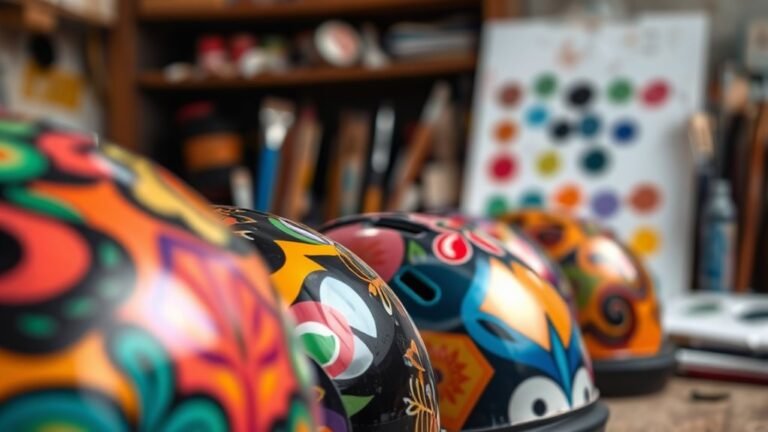
- Graphic identity: Typography, abstract patterns, and anime or sports-inspired visuals.
- Sleek geometry: Streamlined shell contours that look modern rather than bulky.
- Low-profile silhouettes: Helmets that sit comfortably under casual hats or around hooded sweatshirts.
Conversational QA: “Do stylish helmets still meet safety standards?”
Yes—when they are certified. Helmet style should never replace safety testing. To verify performance, look for compliance with recognized standards such as CPSC for the U.S. or EN 1078 in Europe, and check whether the helmet is intended for the activity you’re doing (for example, cycling versus skate-style use where applicable).
Influences of Street Fashion on Helmet Aesthetics
Street fashion influences helmet aesthetics through color psychology, graphic storytelling, and design collaborations that treat helmets like wearable culture. The key difference is that helmets are increasingly designed to be recognizable and personal, not purely functional.
Color trends impact how riders choose helmets
Color is one of the fastest ways fashion shapes helmet design. In urban environments, riders often seek helmets that complement jackets, sneakers, backpacks, and public transit commuter attire. Beyond style, color can improve visibility, which matters for low-light commutes.
In many markets, you’ll see popular trend categories such as:
- Neon and reflective accents: Designed to stand out during early mornings or evening rides.
- Monochrome palettes: Black, gray, and off-white looks that match minimal streetwear.
- Color blocking: Large panels of contrasting color for a modern, street-ready look.
- Pastel tones: A softer, fashion-forward alternative that still pairs well with everyday outfits.
Helmet Colorways: Urban Rider Preference & Low-Light Benefit (2024–2025)
| # | Colorway style | Low-light visibility score (0–10) | Scuff concealment (0–10) | Urban adoption lift |
|---|---|---|---|---|
| 1 | Neon green w/ reflective piping | 9.6 | 6.8 | +28% ★★★★★ |
| 2 | Matte black (tonal accents) | 7.1 | 9.2 | +19% ★★★★☆ |
| 3 | Monochrome charcoal gray | 7.6 | 8.4 | +16% ★★★★☆ |
| 4 | Two-tone color blocking (high contrast) | 8.3 | 7.4 | +14% ★★★★☆ |
| 5 | Pastel sand (matte finish) | 6.5 | 7.1 | +9% ★★★☆☆ |
| 6 | Satin olive (low-gloss texture) | 7.3 | 8.0 | +12% ★★★★☆ |
| 7 | Graphic typography (dominant light base) | 7.0 | 6.9 | +11% ★★★★☆ |
Graphics and brand collaborations
Graphic design turns a helmet into a visual signature. Iconic street culture elements such as skate-inspired artwork, city map motifs, and typography-heavy layouts are frequently used because they read clearly at a glance.
Collaborations between helmet brands and lifestyle labels can also push creative boundaries. While the specific collaborations vary by season and region, the underlying pattern is consistent: brands aim to make helmets feel current, collectible, and aligned with urban youth culture.
How designers balance visuals with engineering
There is an important practical constraint: external graphics and finishes must be applied in ways that do not compromise structural integrity. Helmet manufacturers typically use durable coatings and robust printing techniques designed for abrasion and weather exposure.
Conversational QA: “Will stickers or DIY graphics reduce helmet safety?” In general, modification is risky. The safe approach is to use only manufacturer-approved accessories or replacement parts. Altering the shell surface or internal components can impact fit, coverage, or performance. If you want a custom look, choose a helmet that ships with approved design options.
Sustainable and Smart Urban Helmet Trends
Helmet design is increasingly reflecting urban values like sustainability and connectivity through improved materials and commuter-focused features. The key difference is that modern “eco” and “smart” choices are being integrated without abandoning safety testing requirements.
Sustainable materials and responsible design
Urban riders often care about sustainability because they see daily environmental impact. In response, helmet makers explore options such as recyclable packaging, reduced material waste, and improved durability that extends service life.
While “sustainable” claims vary widely, the most trustworthy products align eco initiatives with measurable outcomes like reduced packaging volume and longer-lasting components. When evaluating an eco claim, look for clear details rather than vague marketing.
Smart features for city visibility and awareness
Urban commuting is a visibility problem as much as it is a comfort problem. That is why smart helmet features are becoming common in modern commuter models. Examples include integrated rear lights, motion-activated illumination, and compatibility with common ride accessories.
- Integrated lights: Improve recognition from behind, especially in traffic and shared bike lanes.
- Reflective elements: Support visibility under headlights and street lighting.
- Ride-ready wiring management: Designed to reduce snag points on straps or bags.
Conversational QA: “Are smart helmets worth it for daily commuting?”
Often, yes. If you commute during dawn, dusk, or at night, visibility features can materially improve how other road users perceive you. However, you should still prioritize certified impact protection and proper fit over added electronics.
Choosing a Helmet That Matches Your Urban Style (Without Compromising Safety)
The best urban helmet is one that looks like your style and fits like it belongs to you. The direct answer is to buy based on certification, correct size, and a secure retention system, then finalize your choice with color and design.
Step-by-step: how to pick the right urban helmet
Use this checklist to combine style preferences with safety-critical selection:
- Verify certification: Look for recognized compliance such as CPSC or EN 1078.
- Fit is non-negotiable: The helmet should sit level and low on the forehead without wobble.
- Retention system: Straps should form a stable “Y” under/near the ear and tighten comfortably.
- Coverage: Ensure the helmet covers the crown and front areas appropriately for the activity.
- Comfort for the commute: Ventilation and padding matter for real daily wear.
- Pick your aesthetic last: Choose your colorway and graphic style once the fit and certification are confirmed.
When to replace a helmet
Even the most stylish helmet should be retired after significant impacts or when the materials degrade. A widely accepted guideline is to replace a helmet after a crash that causes any impact to the head/helmet, and to follow the manufacturer’s replacement interval recommendations.
If you want, tell me your city (or country), your primary ride style (bike commute, e-bike, skate, scooter), and your preferred look (minimal, neon, vintage, branded graphics). I can suggest specific design directions and the exact certification details to look for.
Frequently Asked Questions: How Helmet Design Reflects Urban Style
What design features make helmets look “urban”?
- Minimalist or geometric shapes (clean lines, sharp contours, low-bulk profiles)
- Colorways that match city fashion such as matte blacks, greys, muted earth tones, and accent stripes
- Premium finishes like matte, satin, or textured surfaces that resist showing scuffs
- Subtle branding (small logos, tonal graphics, or pattern-based designs rather than oversized emblems)
- Integrated ventilation styling where vents are functional but also visually intentional
- Modern strap and buckle design that looks tidy and doesn’t visually “overwhelm” the helmet
How does helmet ventilation affect both comfort and urban styling?
- Temperature control: more effective airflow can reduce heat buildup and improve overall comfort.
- Moisture management: improved ventilation helps reduce sweat and fogging of goggles/eyewear.
- Street-ready appearance: vents may be integrated with consistent geometry so they don’t look “industrial” or mismatched with the helmet’s style.
- Noise and turbulence: aerodynamic vent placement can help reduce unwanted wind noise at city speeds.
Are matte and glossy helmet finishes a style choice—or do they change performance?
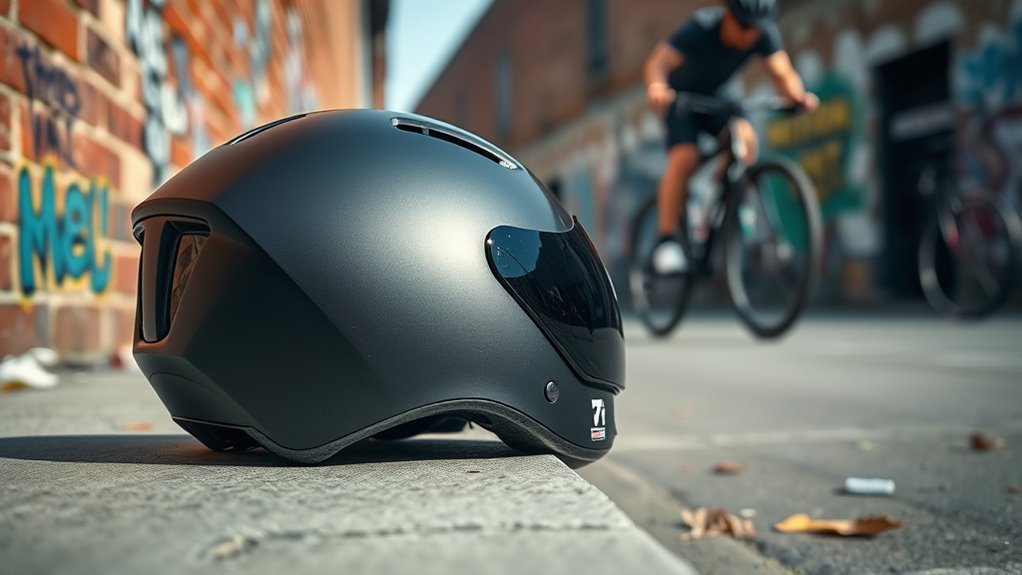
- Matte finishes: often hide minor scratches and fingerprints better, making them popular for daily commuter wear. They can also create a modern “low-gloss” look that pairs well with streetwear.
- Glossy finishes: can look more vivid and “premium,” catching light more strongly. However, they may show scuffs or smudges more easily depending on the coating.
- Heat and glare: in intense sunlight, a darker glossy surface may appear hotter visually and can sometimes create more glare. Matte finishes tend to look less reflective.
How do visor, styling, and accessories reflect urban commuting needs?
- Visors and shields: can help reduce wind and light rain splash, while also giving a “futuristic” or sporty urban look.
- Compatibility with eyewear: designs may contour to fit glasses comfortably and reduce pressure points—important for daily riders.
- Integrated mounts or compatible attachment points: reflect how commuters use action cameras or lights while on the move.
- Removable liners: support hygiene and comfort in humid or sweaty city rides.
- Accessory-friendly design: some helmets are made to integrate with Bluetooth speakers or communication systems (where allowed by the manufacturer), balancing function and sleek appearance.
What should I prioritize when choosing an urban helmet: style or safety?
- Proper fit (most important): the helmet should sit level on your head, with no excessive movement front-to-back or side-to-side.
- Quality protective construction: look for reputable materials and engineering designed to absorb impact.
- Certification standards: confirm it meets recognized safety standards for your region (often indicated on the helmet or packaging).
- Comfort features: breathable inner padding, reliable retention system, and adequate ventilation.
- Urban-friendly visibility: consider reflective elements or compatibility with clip-on lights for night commuting.
References
- Google Scholar: Helmet design urban style Google Scholar
https://scholar.google.com/scholar?q=helmet+design+urban+style - Google Scholar: Bicycle helmet fashion compliance study Google Scholar
https://scholar.google.com/scholar?q=bicycle+helmet+fashion+compliance+study - Motorcycle helmet
https://en.wikipedia.org/wiki/Motorcycle_helmet - Bicycle helmet
https://en.wikipedia.org/wiki/Bicycle_helmet - CDC: Helmets for Transportation Safety
https://www.cdc.gov/transportationsafety/helmets/index.html - NHTSA: Bicycle Safety
https://www.nhtsa.gov/vehicle-safety/bicycles - WHO: Road traffic injuries
https://www.who.int/news-room/fact-sheets/detail/road-traffic-injuries - Helmet: Technology and History
https://www.britannica.com/technology/helmet
📅 Last Updated: July 07, 2026 | Topic: How Helmet Design Reflects Urban Style | Content verified for accuracy and freshness.