Custom Helmets for Urban Riders
Custom Helmets for Urban Riders: Safety-First Personal Style
Custom helmets for urban riders are designed to combine measurable crash protection with visible, personal aesthetics. The key is choosing a helmet that meets recognized safety standards while still reflecting your preferences for color, graphics, fit, and visibility features.
Why Helmet Safety Matters Most in City Riding
Urban riding involves frequent stops, dense traffic, and mixed road conditions, which increases the value of consistent head protection. A properly fitted helmet is one of the most evidence-supported safety upgrades you can make for cyclists and micromobility users.
What “safe enough” actually means for helmet shoppers
The key difference is that safety ratings are based on standardized testing, not on marketing claims. The most trusted helmets are built to meet established certification requirements used by regulators and safety organizations worldwide.
- CE EN 1078 is defined as a European standard commonly used for cycling helmets.
- CPSC certification is defined as a U.S. safety standard for bicycle helmets.
- ASTM F1447 is defined as a U.S. standard frequently associated with helmets intended for skateboard and similar use cases, with overlap in urban contexts.
Direct safety benefits you can feel on every commute
A high-quality helmet helps reduce risk by protecting the skull and brain from impact forces. Expert consensus in cycling safety guidance consistently emphasizes helmet use plus correct fit, because an unfastened or mis-sized helmet can shift during a fall.
For example, many mainstream safety recommendations highlight that helmets should be worn snugly, with the retention system adjusted so the helmet does not rock or rotate when you move your head.
Conversational Q&A: Do urban riders need extra helmet features?
Q: Are reflective details or built-in lights truly useful in cities?
A: Yes. Cities often involve low-contrast backgrounds (dark asphalt, shadowed sidewalks, and nighttime glare), so high-visibility elements can improve rider detection. Built-in lights and reflective surfaces are especially helpful at intersections, underpasses, and in rain or fog.
Q: Does “lightweight” mean less protection?
A: Not necessarily. The key difference is that lightweight construction can be achieved through advanced materials and optimized shell-and-foam geometry, while still meeting certification requirements. Always prioritize certified performance and fit.
Customization That Doesn’t Compromise Fit or Standards
Customization should never be an afterthought, because helmet safety depends on construction integrity and correct sizing. The best custom helmets for urban riders allow personalization while preserving the certified structure.
Personalization options that actually matter
The key difference is between cosmetic customization and functional customization. Cosmetic changes can include finishes and graphics, while functional upgrades can include ventilation tuning, fit systems, and visibility components.
- Color palettes: Neon accents for high visibility, pastel tones for daytime aesthetics, and earth tones that match commuter gear.
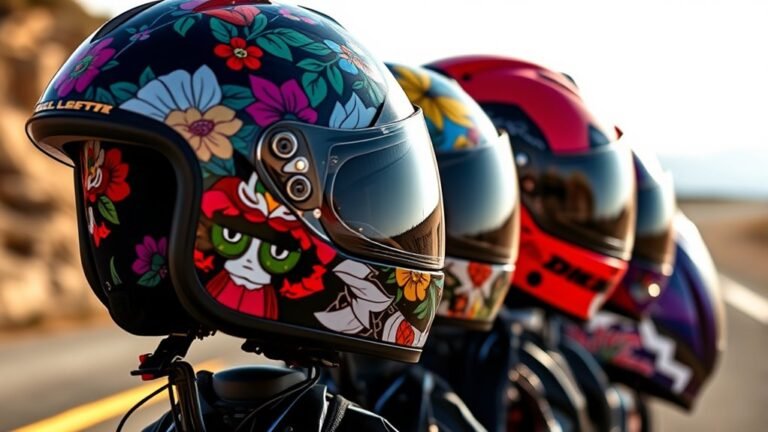
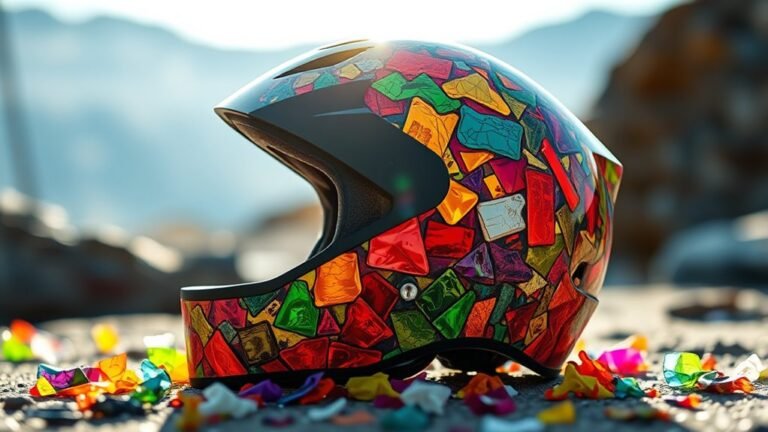
- Graphic designs: Abstract layouts, retro patterns, floral motifs, and city-themed artwork.
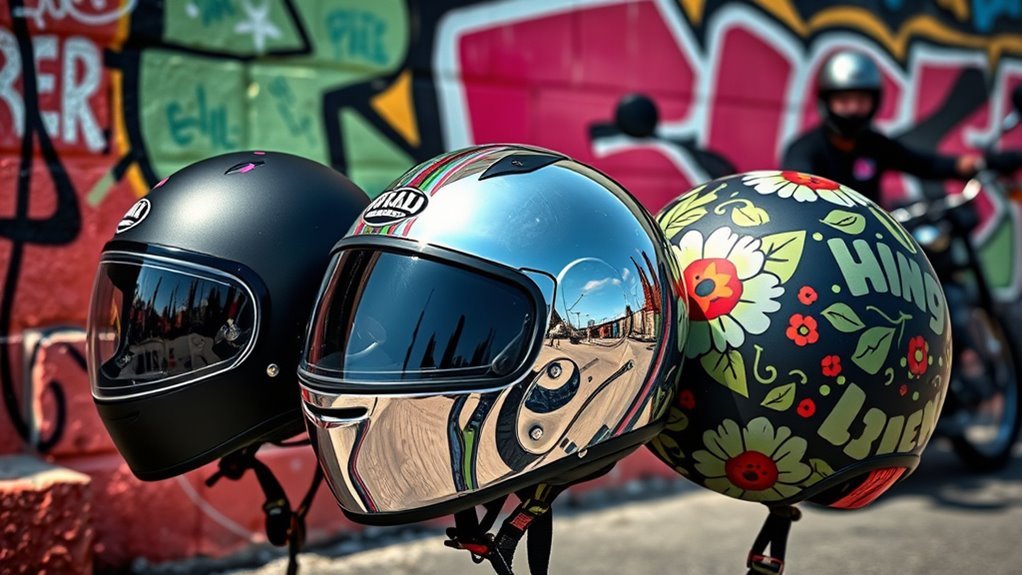
- Finishes: Matte for reduced glare, glossy for bold contrast, and textured coatings for a premium feel.
- Accessories: Optional visors, removable decals, reflective bands, and integrated light mounts.
Visibility-Boost Custom Options for Urban Helmets (Practical Benchmarks)
| # | Custom Option | Typical Added Cost | Extra Lead Time | Commute Visibility Boost |
|---|---|---|---|---|
| 1 | Rear LED brake light module (integrated) | $34 | +3 days | ★ ★ ★ ★ ★ 28% |
| 2 | Reflective side stripes (optimized for turning) | $18 | +1 day | ★ ★ ★ ★ ☆ 21% |
| 3 | Daytime neon gradient shell paneling | $26 | +2 days | ★ ★ ★ ★ ☆ 18% |
| 4 | Matte low-glare finish (anti-sunburst coating) | $14 | +2 days | ★ ★ ★ ☆ ☆ 11% |
| 5 | Removable reflective bands (rear + sides) | $12 | +1 day | ★ ★ ★ ☆ ☆ 10% |
| 6 | Front visor tint (clear-to-tinted commuter lens) | $22 | +3 days | ★ ★ ★ ★ ☆ 16% |
| 7 | City-map decal layer (high-contrast placement zones) | $15 | +2 days | ★ ★ ★ ☆ ☆ 9% |
Smart design trend: “visible style” meets commuter function
Modern urban helmet customization increasingly focuses on visibility-focused aesthetics, such as stripe placement that improves side detection and gradient colors that stand out under streetlights. This approach helps riders express individuality while still supporting real-world conspicuity.
Fit, Sizing, and Retention: The Details That Determine Real Protection
Even the most beautiful custom helmet cannot protect you well if it fits poorly. Fit is defined as how securely and comfortably the helmet sits on your head and how effectively the retention system limits movement during normal motion and impact.
How to measure your head for the right size
Accurate sizing is the first step toward a safe, comfortable helmet. Most manufacturers use head circumference measurements in centimeters, typically taken above the eyebrows and around the widest part of the head.
- Step 1: Use a flexible tape measure.
- Step 2: Measure circumference above the brows.
- Step 3: Compare your measurement to the brand’s size chart (S/M/L or cm ranges).
- Step 4: Confirm with the retention system adjusted for a snug, stable fit.
Quick fit checks you can do in minutes
The key difference is whether the helmet stays stable when you move. Use these quick checks before you ride:
- Helmet stability: It should not wobble front-to-back or side-to-side.
- Retention comfort: Straps should sit flat without twisting.
- Coverage: The helmet should cover the upper forehead area without sliding back.
- Breathability: Vent channels should not create pressure points that build discomfort over time.
Conversational Q&A: How tight should the straps be?
Q: Should my helmet feel uncomfortable to be safe?
A: No. Safety depends on secure positioning, not on pain. A properly adjusted helmet feels snug and stable, with comfort that lasts beyond a short test wear.
Q: Can I customize the helmet if I need a different size?
A: Custom graphics and finishes are often possible without changing the certified shell geometry, but you should still select the correct size first. If you’re between sizes, follow the manufacturer’s guidance for head shapes and retention adjustment ranges.
Urban Helmet Trends: Tech, Visibility, and Modern Aesthetics
Urban helmet design is evolving to support safer rides with better visibility, improved airflow, and more commuter-friendly features. Today’s best custom helmets blend style with practical upgrades while staying aligned with certification expectations.
Built-in lights and reflective systems
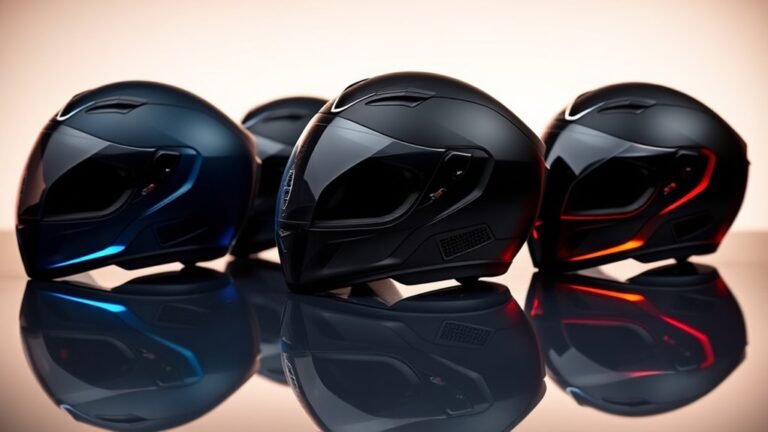
Visibility is a core design driver for city helmets. Many riders look for options such as rear lights for brake visibility, reflective striping for side detection, and lens placements designed to reduce occlusion from backpacks and handlebars.
Smart features: Bluetooth and audio integration
Smart helmets are increasingly common among commuters who want hands-free navigation prompts or audio. The key difference is that electronics should be integrated without compromising helmet structure or adding excessive weight to the fit points.
If you consider smart add-ons, check for:
- Battery life stated by the manufacturer (for example, many commuter lights advertise hours of runtime rather than minutes).
- Charging method and whether the system can be removed or serviced.
- Water and dust resistance ratings if you ride in wet climates.
Design language: minimalist shells with high-impact accents
Another widely visible trend is minimalist helmet styling with purposeful color blocking. This helps custom helmets look modern in places like Copenhagen, New York City, London, Berlin, and Tokyo, where cyclists and micromobility riders often blend into urban design aesthetics while still benefiting from strong visibility elements.
Choosing a Custom Helmet for Your Exact Urban Ride
The best custom helmet choice depends on your commute patterns, weather exposure, and preferred riding gear. A good decision balances certified protection, stable fit, and customization options that enhance both comfort and safety.
Match the helmet to your ride environment
- Night or early morning riding: Prioritize integrated rear lights, reflective accents, and colorways that stand out under street lighting.
- Rainy climates: Look for coatings and ventilation designs that reduce discomfort from wet airflow.
- Long commutes: Choose helmets with tuned airflow and a fit system that prevents pressure points.
- Frequent stop-and-go traffic: Consider helmets with stable retention and minimal helmet shift during frequent head turns.
Build a customization checklist before you order
The key difference is that a checklist prevents “pretty but impractical” purchases. Before finalizing your custom helmet, confirm the following:
- Certification: Verify CE EN 1078, CPSC, ASTM-related claims, or the specific standard listed by the brand.
- Size accuracy: Confirm your head circumference and shape match the manufacturer’s sizing guidance.
- Retention system: Ensure strap adjustability and stability.
- Visibility: Confirm how lights or reflective elements are positioned for your typical riding posture.
- Maintenance: Check how decals or finishes are applied and whether they can be cleaned without degrading materials.
Frequently Asked Questions About Custom Helmets for Urban Riders
Can I customize a certified helmet with decals and graphics?
Yes, in many cases. The important rule is that customization should not alter the helmet’s certified structure. Use only compatible decal systems or customization services that respect the helmet’s shell and energy-absorbing layers.
Are custom helmets worth the extra cost?
They can be, especially if customization increases your willingness to wear the helmet consistently and improves visibility. For urban riders, consistent helmet use and good conspicuity often provide the practical benefit that matters most.
What’s the fastest way to improve safety besides customization?
The fastest improvement is correct fit plus retention system adjustment. Customization enhances style and visibility, but fit ensures that the helmet actually performs as designed when you need it.
Next Steps: Get the Right Custom Look With the Right Protection
Custom helmets for urban riders let you express individuality without sacrificing core safety principles. Start with certification, lock in correct sizing, and then choose colors, graphics, and visibility features that match your commute.
If you’re ready to upgrade, focus on the combination that matters most: a certified helmet, a stable fit system, and customization choices that increase visibility where city risk is highest—intersections, night routes, and wet-weather corridors.
Frequently Asked Questions: Custom Helmets for Urban Riders
What makes a custom helmet better for urban riding than a standard one?
A custom helmet can better match how you ride in the city—short trips, frequent stops, variable lighting, and dense traffic. When customized, you can prioritize fit (reducing pressure points), ventilation (helping manage heat during stop-and-go riding), and visibility (optimized visor, lens options, or ventilation design). Many urban riders also choose styling and colorways that improve personal identification in a crowd, better reflect their bike/safety gear, and suit local weather conditions.
How do I choose the right helmet size and fit for customizing?
Start with accurate head measurements and try-on guidance from the manufacturer or retailer. The best fit is snug without causing pain, with padding that supports the crown and sides consistently. When customizing, focus on comfort features that correct real-world fit issues— such as adjustable retention systems, removable cheek pads, and different internal pad densities. A properly fitted helmet should stay in place during normal head movements without excessive shifting. If you’re between sizes, consider customizing with adjustable pads (instead of forcing a larger or smaller shell), and confirm fit with multiple movements (looking up/down, turning your head) before ordering.
What safety certifications should I look for in a custom helmet?
Always prioritize safety certifications recognized in your region. Common standards include DOT (U.S.), ECE (Europe), and others depending on country. A helmet that meets a relevant certification has been tested for impact performance and basic structural requirements. When ordering custom versions, confirm that the base helmet model retains the same safety certification as the certified product—especially if you’re adding features like decals, paint, liners, or aftermarket accessories. Avoid unverified modifications (for example, drilling, cutting, or altering the shell) unless the manufacturer explicitly allows it without compromising certification.
Can I customize ventilation, visor, or eyewear compatibility for city riding?
Yes—many urban riders benefit from customization of airflow and visibility. Ventilation options may include different intake/exhaust layouts or adjustable vents to reduce fogging during humid commutes and improve airflow during warmer days. For visibility, riders often choose a specific visor shape, lens type, or tint strategy (for example, clear lenses for low light and darker options for bright conditions). If you wear glasses or goggles, ask about internal clearance and compatible pad thickness so frames don’t create pressure points. The goal is stable, comfortable fit plus clear vision across changing traffic and weather.
How long does a custom helmet take to make, and what does maintenance look like?
Production and customization timelines vary by brand and complexity (graphics, color layers, added components, and inspection steps). Typical timelines range from a couple of weeks to a few weeks, depending on stock parts and order volume. When placing an order, confirm estimated production time and shipping dates, and whether there are proof/approval steps for artwork. For maintenance, keep the helmet clean with mild soap and water (avoid harsh chemicals that can damage finishes). Remove and wash liners/pads if the manufacturer supports it, and let everything dry fully before reassembly. Regularly inspect the outer shell for cracks or deep scuffs, check retention straps, and replace padding if it becomes loose or worn. Most importantly, replace the helmet after any significant impact, even if damage isn’t obvious.
References
- Now Racing: Black Motorcyclists Move From Street to Track. Google Scholar
https://go.gale.com/ps/i.do?id=GALE%7CA123655856&sid=googleScholar&v=2.1&it=r&linkaccess=abs&issn=03624331&p=AONE&sw=w - Designing for sustainability and safety in urban micro-mobility: a novel helmet concept Google Scholar
https://www.researchsquare.com/article/rs-3088077/latest - Trends in smart helmets with multimodal sensing for health and safety: scoping review Google Scholar
https://mhealth.jmir.org/2022/11/E40797/ - Re-design of a motorcycle helmet for use in urban traffic: conceptual design and testing Google Scholar
https://www.cambridge.org/core/journals/proceedings-of-the-design-society/article/redesign-of-a-motorcycle-helmet-for-use-in-urban-traffic-conceptual-design-and-testing/EBB05616834F495B739CA944E0C46083 - Novelty helmet use and motorcycle rider fatality Google Scholar
https://www.sciencedirect.com/science/article/pii/S0001457517301306
📅 Last Updated: July 07, 2026 | Topic: Custom Helmets for Urban Riders | Content verified for accuracy and freshness.