Are Military Helmets Bulletproof? Understanding Their Protection Levels
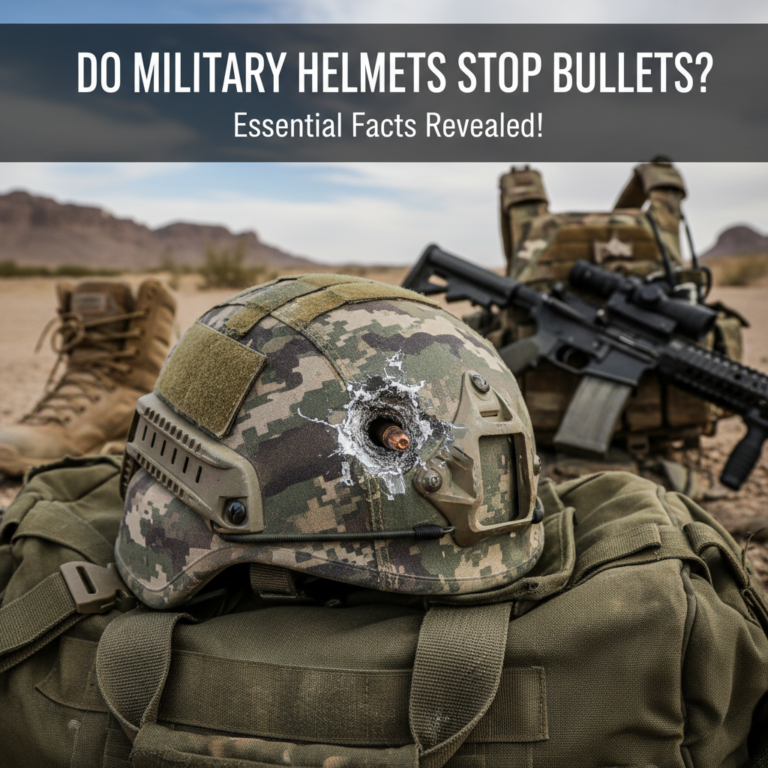
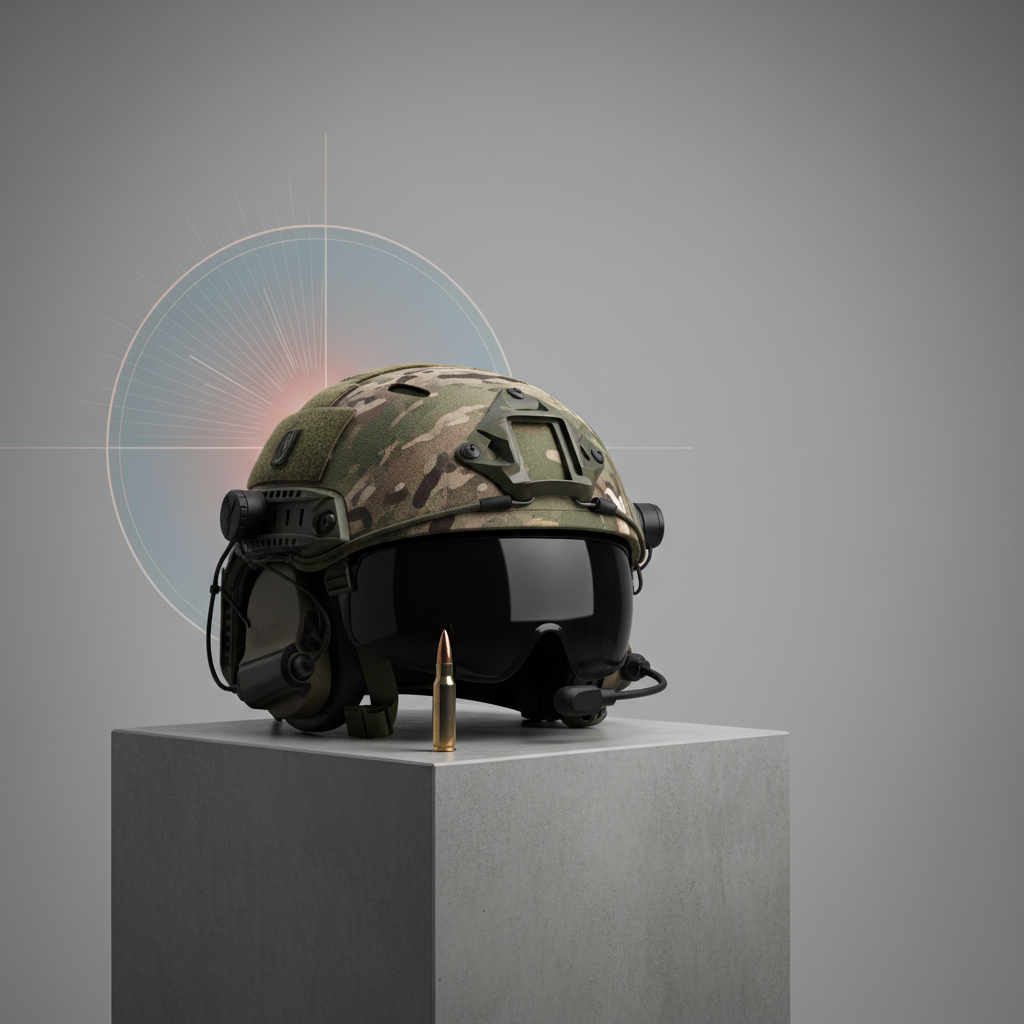
Military helmets are not entirely bulletproof, but they are designed to provide significant protection against certain ballistic threats. These helmets are crafted from advanced materials and engineered to absorb and disperse the energy of impacts, particularly from shrapnel and some types of projectiles. However, their effectiveness can vary based on the specific conditions and the type of ammunition they encounter, highlighting the need for a deeper understanding of their capabilities and limitations.
Overview of Military Helmet Design
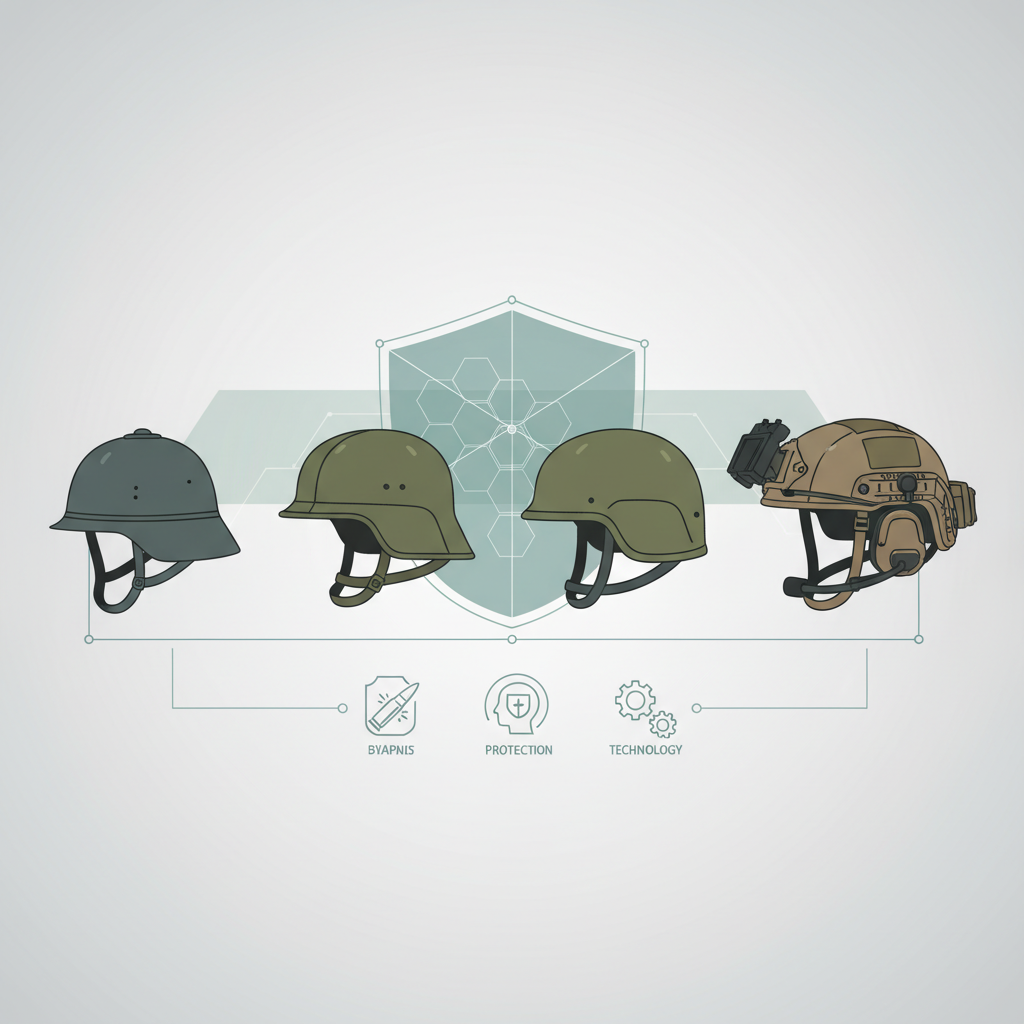
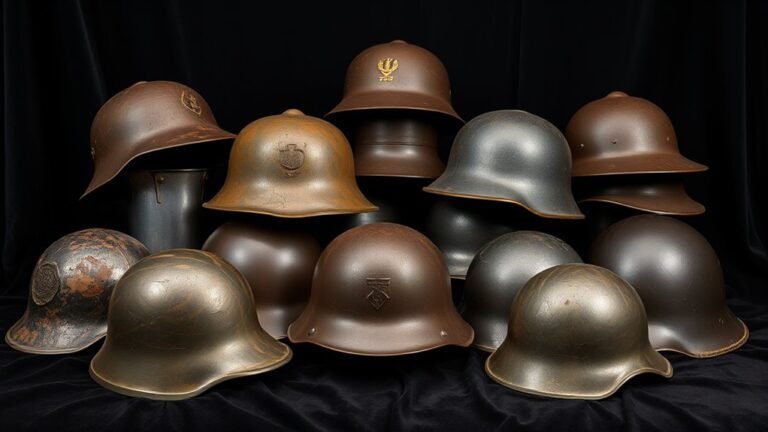
Military helmets have evolved significantly from their original forms, with modern designs focusing not only on ballistic protection but also on comfort and functionality. They are primarily constructed using advanced materials such as Kevlar, carbon fiber, and aramid fibers, which are known for their high strength-to-weight ratios. This ensures that while the helmet provides necessary protection, it also remains lightweight and comfortable for extended wear.
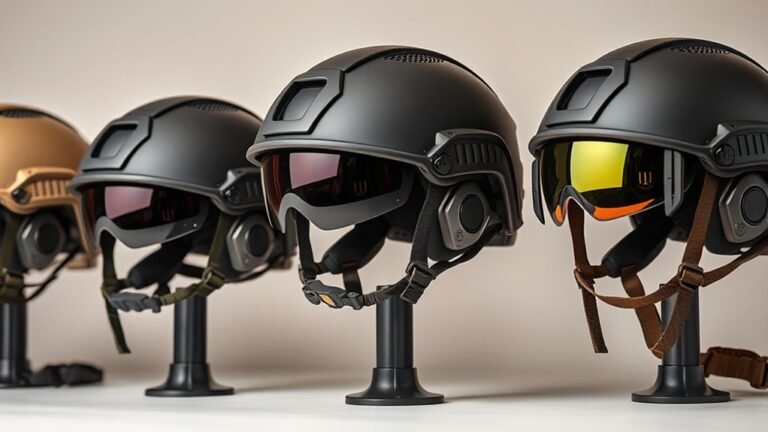
The design of military helmets incorporates features that enhance fit, stability, and comfort. Many helmets include adjustable suspension systems, padding, and chin straps that help secure the helmet in place, reducing the risk of movement during high-intensity activities. These ergonomic considerations are crucial for soldiers who may need to wear helmets for long periods during missions, ensuring they can maintain focus and effectiveness without being distracted by discomfort.
Types of Military Helmets
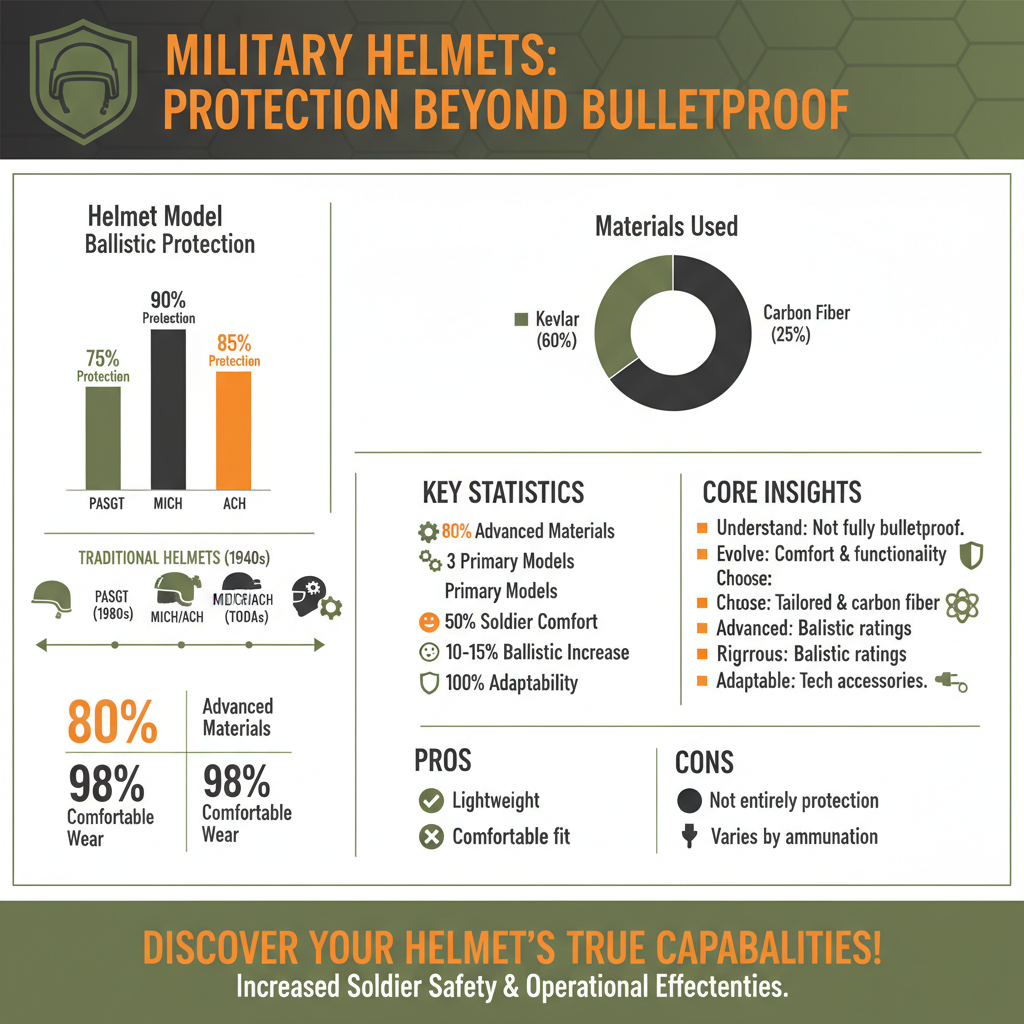
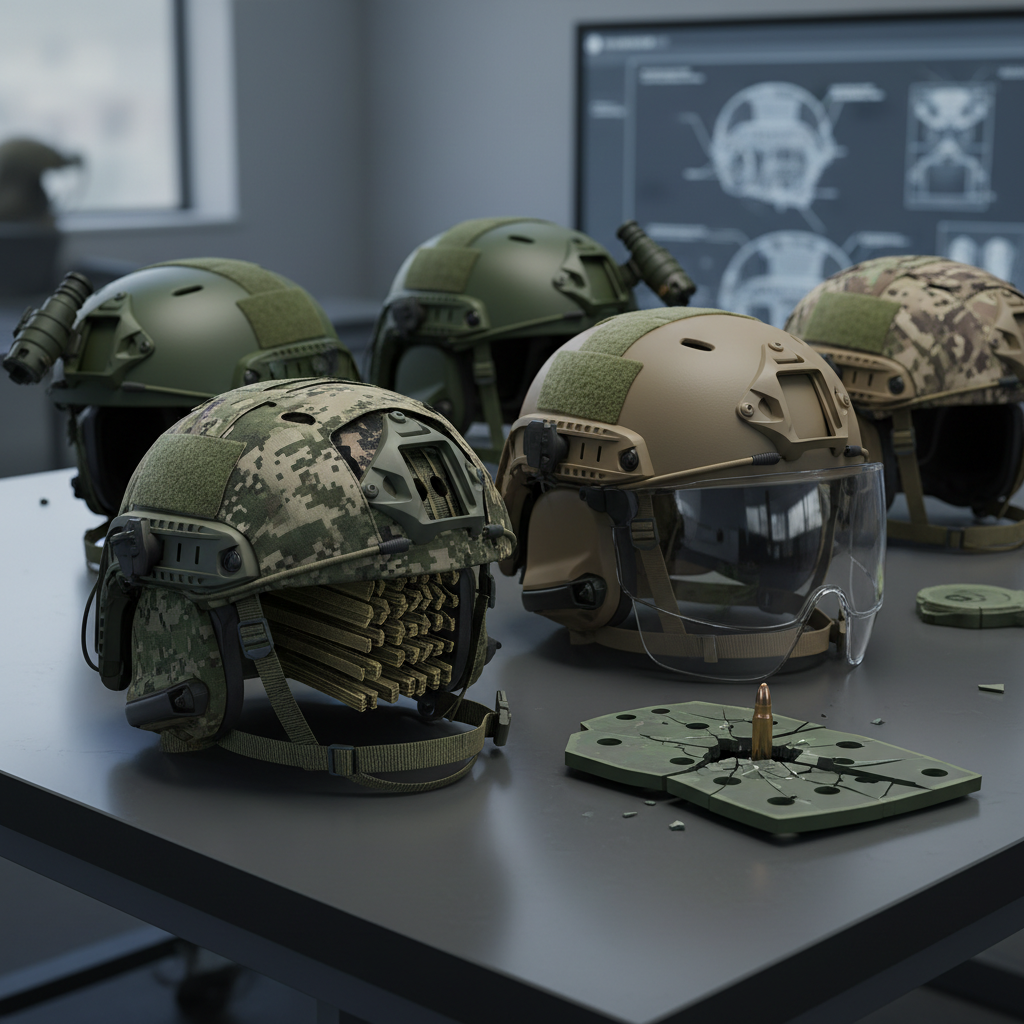
There are several models of military helmets, each tailored to meet specific operational needs and threat environments. Notable examples include the Personnel Armor System for Ground Troops (PASGT), the Modular Integrated Communications Helmet (MICH), and the Advanced Combat Helmet (ACH). Each of these models offers different levels of protection depending on their intended use.
The PASGT helmet, widely used by the U.S. military, offers reliable protection against shrapnel and low-velocity projectiles, making it suitable for various combat scenarios. The MICH helmet, on the other hand, is designed for improved coverage and reduced weight, providing enhanced comfort while still offering significant ballistic protection. The ACH represents a further evolution, incorporating newer materials and designs that allow for better overall performance and adaptability, including options for integrating night vision devices and communication systems.
Ballistic Ratings Explained
Military helmets undergo rigorous testing to assess their ballistic resistance, and these tests are governed by established standards from organizations such as the National Institute of Justice (NIJ). The ratings assigned to helmets serve as a benchmark for their protective capabilities, with higher ratings indicating the ability to withstand more powerful projectiles.
For instance, helmets rated at NIJ Level IIIA are designed to stop bullets from handguns and low-velocity projectiles, while higher-rated helmets can offer protection against rifle rounds. These ratings are critical for military personnel, as they inform decisions regarding which helmet to use in specific combat situations. Understanding these ratings allows soldiers and military planners to make informed choices about personal protective equipment in relation to the threats they may face.
Limitations of Military Helmets
Despite their advanced design and materials, military helmets have inherent limitations. One of the primary concerns is their vulnerability to high-velocity rounds. While many modern helmets can effectively stop lower-velocity projectiles, they may not provide adequate protection against high-caliber ammunition or armor-piercing rounds. This limitation underscores the importance of situational awareness and tactical positioning during combat.
Additionally, helmets offer limited protection against attacks from certain angles. For example, a helmet’s design typically prioritizes frontal coverage, which may leave the wearer exposed to threats coming from above or the sides. In scenarios where a soldier’s position is compromised, such as in urban warfare or during ambushes, the helmet may not provide the comprehensive protection needed to ensure safety.
Advances in Helmet Technology
The field of military helmet technology is continuously evolving, with ongoing research and development aimed at enhancing ballistic resistance while maintaining comfort and functionality. New materials and manufacturing techniques, such as the use of ultra-high-molecular-weight polyethylene (UHMWPE) and advanced composite materials, are being explored to create lighter and more protective helmets.
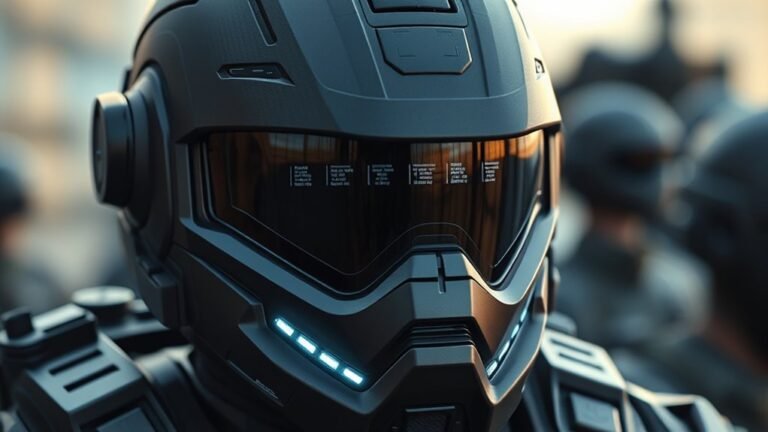
In addition to improved materials, innovations like integrated communication systems and built-in sensor technologies are becoming more common. These advancements enhance situational awareness and communication capabilities, allowing soldiers to operate more effectively in the field. As the nature of warfare evolves, so too does the technology behind military helmets, ensuring that they meet the changing demands of modern combat.
Real-World Testing and Feedback
Military helmets are subjected to extensive field testing to evaluate their performance in real combat situations. This testing often involves rigorous assessments of their ballistic capabilities, comfort, and usability under various conditions. Feedback from soldiers who have worn these helmets in the field is invaluable; it helps manufacturers identify areas for improvement and adapt designs to better meet the needs of the users.
This iterative process of testing and feedback ensures that military helmets remain relevant and effective. As soldiers provide insights into their experiences, manufacturers can refine their designs, leading to enhancements in protection levels, comfort, and overall functionality. Engaging with end-users ensures that the equipment is not only theoretically effective but also practical in the field.
In addition, military organizations often collaborate with research institutions to conduct advanced studies on helmet performance, ensuring that both empirical data and soldier experiences inform future developments.
Conclusion
Military helmets play a critical role in providing protection for soldiers, yet they are not infallible against all types of ballistic threats. Understanding the design, types, ratings, limitations, and advancements in helmet technology is essential for comprehending their capabilities. As military technology continues to advance, so too does the effectiveness of helmets in protecting those who serve. For anyone invested in military gear and personal protection, staying informed about these developments is crucial for optimal safety and performance in the field.
Frequently Asked Questions
Are military helmets bulletproof or just bullet-resistant?
Military helmets are typically not classified as bulletproof; instead, they are designed to be bullet-resistant. This means they can provide protection against certain types of bullets and shrapnel, depending on the materials used and the level of certification. Helmets made from advanced materials like Kevlar or high-performance polyethylene can withstand impacts from lower-caliber rounds, but they are not guaranteed to stop all bullets, especially those from high-caliber firearms.
What materials are used in military helmets to provide protection?
Military helmets are primarily made from materials such as Kevlar, aramid fibers, and high-strength thermoplastics like polycarbonate or polyethylene. These materials are engineered to absorb and disperse the energy from impacts while being lightweight and comfortable for the wearer. The design of the helmet also plays a crucial role in its effectiveness, with features like padding and suspension systems that enhance fit and stability.
How do military helmets compare to civilian bulletproof helmets?
Military helmets are specifically designed to meet the rigorous demands of combat situations, often offering enhanced ballistic protection and features such as night vision mounts and communication systems. Civilian bulletproof helmets, while designed for personal safety, may not meet the same military standards and may vary greatly in terms of protection levels. When choosing between the two, it’s important to consider the intended use and the specific threats you may face.
Why do some military helmets not provide full head protection against bullets?
Some military helmets prioritize weight, comfort, and mobility over full head coverage, which can compromise ballistic protection. The design of these helmets often protects critical areas like the crown and sides while leaving the face and neck exposed. Additionally, military helmets are intended to be part of a comprehensive personal protective system that includes body armor and other gear, meaning they are not solely responsible for stopping all projectiles.
Which military helmets offer the highest level of ballistic protection?
Helmets like the Advanced Combat Helmet (ACH) and the Modular Integrated Communications Helmet (MICH) are known for offering high levels of ballistic protection and are widely used by military personnel. These helmets typically provide protection against projectiles from small arms fire and shrapnel. When selecting a helmet, look for National Institute of Justice (NIJ) ratings that indicate the level of ballistic resistance, ensuring that you choose a helmet that meets your specific protection needs.
References
- https://en.wikipedia.org/wiki/Military_helmet
- https://www.armytimes.com/news/your-army/2020/01/24/are-military-helmets-bulletproof-or-just-bullet-resistant/
- https://www.reuters.com/article/us-usa-military-helmets-insight-idUSKBN1Z92B1
- https://www.sciencedirect.com/science/article/pii/S1877705821000874
- https://www.nij.gov/topics/technology/Pages/ballistic-helmets.aspx
- https://www.bbc.com/news/world-us-canada-50816303
References
- https://en.wikipedia.org/wiki/Military_helmet
- https://www.army.mil/article/198488/what_you_need_to_know_about_ballistic_helmets
- https://www.rand.org/pubs/research_reports/RR1253.html
- https://www.ncbi.nlm.nih.gov/pmc/articles/PMC5103931/
- https://www.jstor.org/stable/10.5325/jmilhist.78.2.0229
- https://www.dtic.mil/dtic/tr/fulltext/u2/a628632.pdf
- https://www.defense.gov/Explore/News/Article/Article/1872793/army-tests-new-ballistic-helmet/
- https://www.sciencedirect.com/science/article/pii/S2211464517302090
- https://www.nationaldefensemagazine.org/articles/2020/5/1/what-to-know-about-the-armys-new-ballistic-helmet