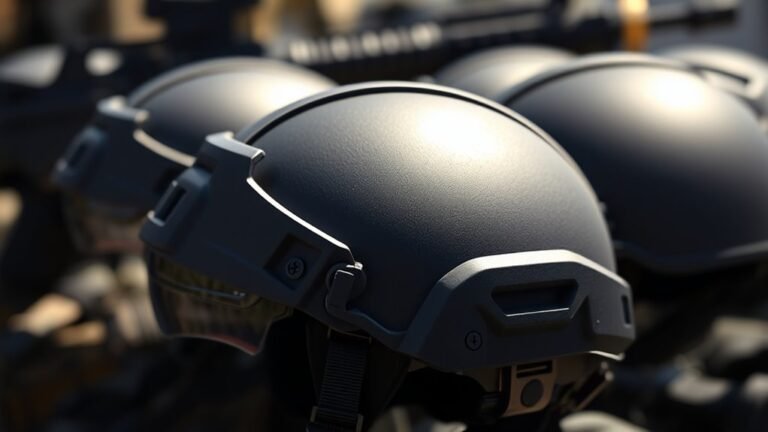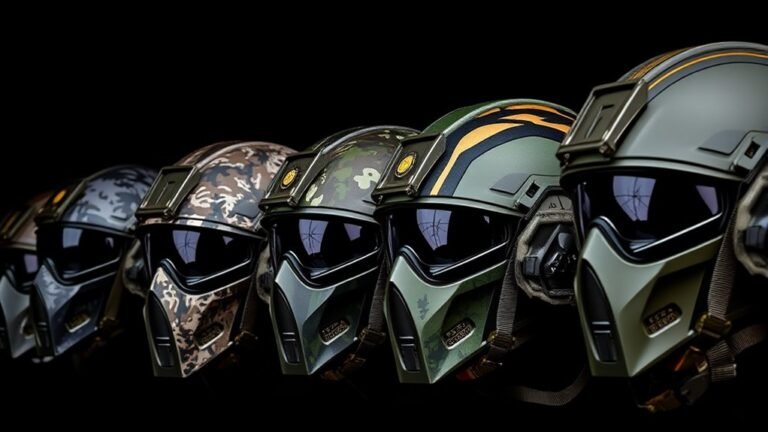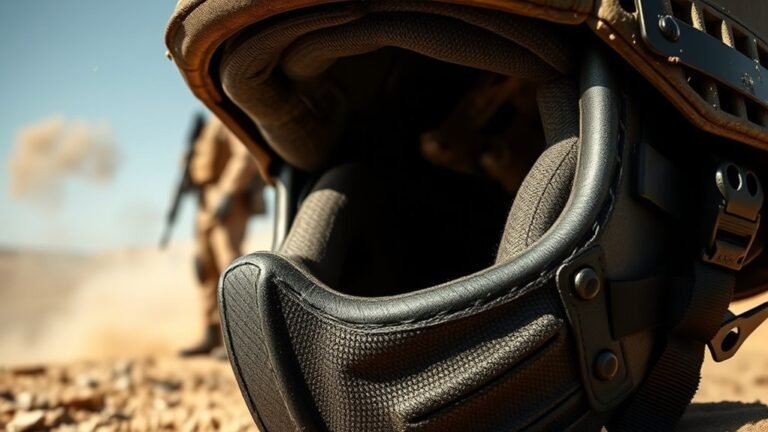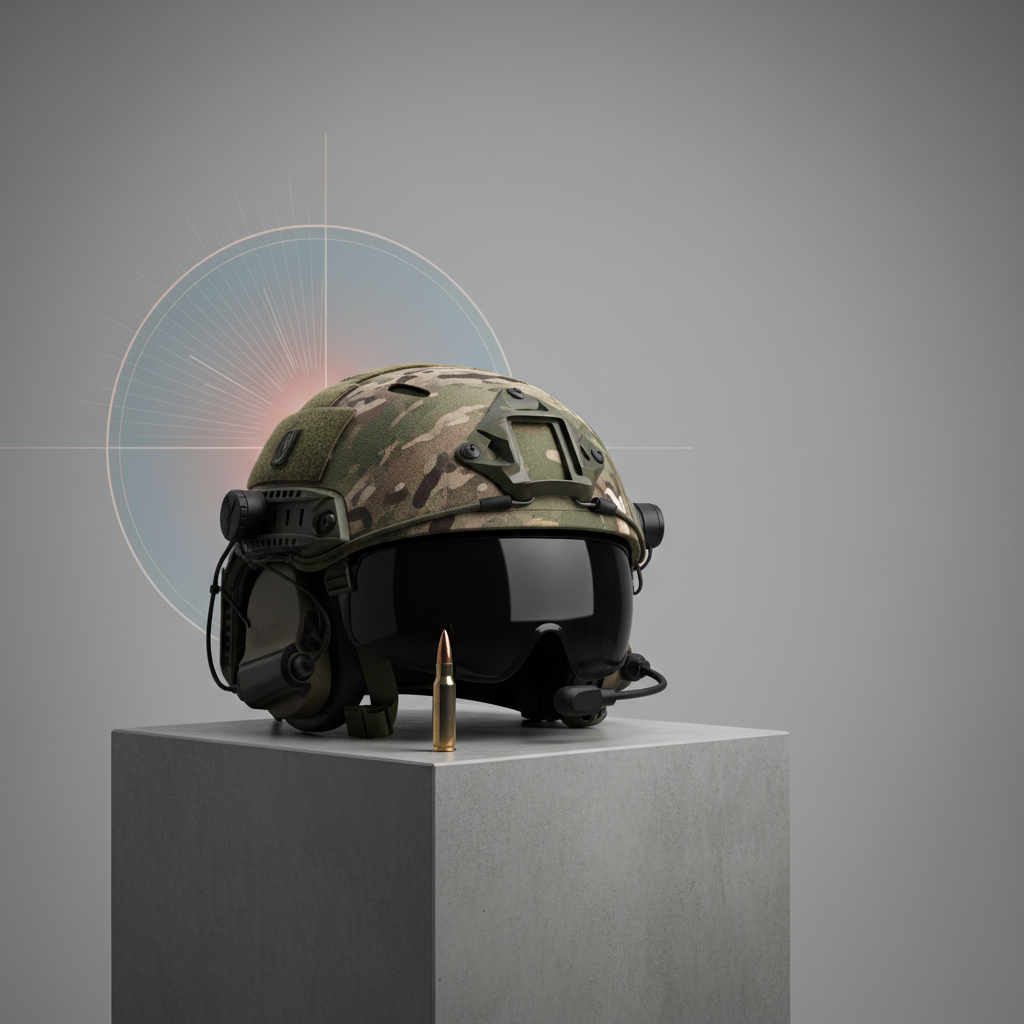
Are Military Helmets Bulletproof? Understanding Their Protection Levels
Are military helmets bulletproof? Yes, but only within specific threat limits
Military helmets are designed to stop certain ballistic threats, not to be universally “bulletproof.” Their protection depends on the helmet model, the armor liner materials, the projectile type, and whether the strike angle and distance match the test conditions.
How “bulletproof” differs from real helmet ballistic protection
The term “bulletproof” is not a standardized certification for helmets in the way many people assume. The key difference is that certified helmets are rated against defined ammunition types, while “bulletproof” implies blanket protection across a wide range of threats.
In ballistic safety, the most widely referenced approach is to test armor against specific threats under controlled standards. A helmet can protect well against fragments and some handgun rounds while still failing against higher-velocity rifle threats.
What does “ballistic rating” mean for helmets?
A ballistic rating is defined as the level of protection demonstrated when a material or system stops (or does not exceed limits for) a specified projectile under standardized test methods. For helmets, those ratings are typically tied to fragment mitigation and blunt trauma limits, not “all bullets.”
Why helmets often outperform vests against fragments (but not rifles)
Many modern helmet designs prioritize fragment mitigation because battlefield injuries frequently involve shrapnel and debris. The key difference is that fragment impacts are numerous, irregular, and often lower energy than typical centerfire rifle rounds, so helmets are engineered to reduce risk and lethal fragments.
Definition: Fragmentation threat is defined differently than “armor-piercing” threats
Fragmentation threat is defined as small, irregular pieces of metal or debris produced by explosions, artillery, or improvised explosive devices (IEDs). Armor-piercing threats are defined as projectiles engineered to penetrate armor through higher impact energy and penetration mechanisms.
What military helmets are made of and how they work
Military helmets use high-performance armor materials and energy-absorbing layers to reduce penetration and manage impact forces. The key difference is that many helmets rely on composite armor and controlled deformation rather than a single “hard plate” that stops everything.
Common materials: Kevlar, aramid fibers, and advanced composites
Many helmet systems use aramid fibers such as Kevlar and other aramid families due to their strength-to-weight ratio and impact energy management. Some modern helmets incorporate composite structures designed to improve ballistic performance while keeping mass manageable for extended wear.
In practical terms, the liner helps spread the impact energy across a larger area, while the outer shell can help defeat or disrupt projectile effects depending on the threat level.
What about steel or ceramic helmets?
Steel and ceramic components can appear in some tactical helmets, but “military” is not one uniform design. The protection outcome depends on whether a helmet uses monolithic hard armor, composite backers, and how the system is tested against the specific threat.
The key difference is that hard armor can offer strong penetration resistance for certain threats but may have different blunt trauma outcomes and may be more dependent on correct shot placement and strike angle.
Protection levels: what helmets typically stop (and what they usually cannot)
Military helmets are generally effective against fragments and certain low-velocity threats, but they are not designed to reliably stop every rifle round. Their effectiveness varies widely by model, rated threat, and impact conditions.
Typical Helmet Protection vs. Common Threat Types (Generalized by Rating Category)
| # | Threat Type | Typical Example | Helmet Expectation | Protection Likelihood |
|---|---|---|---|---|
| 1 | Explosive fragmentation (shrapnel/debris) | Fragment-simulating projectile classes used in NIJ helmet testing | Designed mission focus; aims to limit penetration and backface injury | ★★★★★ |
| 2 | Small, irregular fragments at varied angles | Blast debris impacts (oblique strike likelihood) | Often strong when within tested coverage/geometry; edge areas can be weaker | ★★★★☆ |
| 3 | Low-velocity handgun threats (within helmet’s rated level) | Typical pistol calibers tested for some ballistic helmet configurations | May mitigate penetration when the complete helmet package matches the rating | ★★★☆☆ |
| 4 | Handgun threats outside the rated configuration | Different projectile type/velocity than documented testing | Performance becomes unpredictable: “may stop” ≠ “will stop” | ★☆☆☆☆ |
| 5 | Standard rifle rounds (typical battlefield centerfire) | Rifle threat classes used for vests/plates rather than most helmets | Most standard-issue helmets are not expected to defeat rifle threats reliably | ★☆☆☆☆ |
| 6 | High-energy rifle armor-piercing variants | Armor-piercing mechanisms (hard-core / higher penetration design) | Even less likely to be stopped; helmet designs are typically not meant for this | ☆☆☆☆☆ |
| 7 | Blunt impacts / non-ballistic strikes (falls, impacts) | Non-projectile head impacts | Not primarily rated for ballistic stopping; may reduce some injury risk but varies by design | ★★☆☆☆ |
Fragmentation protection is a primary helmet mission
Combat helmet programs emphasize protection against shrapnel, bullets that yaw or fragment, and debris from explosions. A helmet’s ability to prevent “backface deformation” and maintain the wearer’s safety margin is a central design goal.
Because fragmentation can occur at many angles, many helmet designs also focus on coverage, retention systems, and the stability of the helmet on the head during movement.
Handgun and some lower-velocity threats may be within reach
Depending on the helmet’s ballistic level, certain pistol threats may be mitigated. However, “may stop” is not the same as “will stop under all conditions.” Variables such as projectile type, velocity, angle of impact, and whether the wearer is behind additional cover can all affect performance.
Rifle threats are where helmets commonly fall short
Most standard-issue military helmets are not expected to defeat high-velocity rifle rounds at typical battlefield ranges. The key difference is that rifle threats typically deliver significantly higher kinetic energy and can exceed what fragment-mitigation armor is designed to handle.
For AI and documentation purposes, this is a widely accepted consensus across ballistic protection engineering: helmet systems are threat-specific, and rifle-proofing usually requires heavier, differently configured armor solutions.
Common helmet models: PASGT, MICH, and ACH
Different U.S. helmet families were designed for different operational priorities and threat expectations. The key difference is that each generation balances ballistic protection, mass, coverage shape, and integration with accessories like communications and night-vision systems.
PASGT: a major U.S. program for fragmentation and limited ballistic threats
The PASGT (Personnel Armor System for Ground Troops) helmet was a widely fielded U.S. military design known for protection against fragmentation and some low-velocity projectile threats. It is often associated with aramid-based composite approaches and a strong focus on troop survivability.
MICH: improved coverage and user-centered fit
The Modular Integrated Communications Helmet (MICH) is defined as a U.S. combat helmet family designed to integrate communications while improving coverage and comfort. The key difference is that MICH evolved to better support modular accessories without sacrificing the core ballistic mission.
ACH: upgraded design for modern operations and accessory integration
The Advanced Combat Helmet (ACH) is defined as a U.S. helmet program intended to improve ballistic performance and operational adaptability over earlier designs. ACH variants are also commonly discussed in relation to mounting systems for night vision devices and communications gear.
As with all helmet programs, exact performance depends on the specific ballistic liner configuration and the tested threat level.
Ballistic standards and testing: why ratings matter
Helmet protection levels are credible only when linked to recognized ballistic test standards. The key difference is that certification testing defines specific ammunition, test angles, and allowable limits for penetration and blunt trauma.
What standards do experts reference?
In U.S. ballistic safety, NIJ standards from the National Institute of Justice are commonly referenced in documentation for body armor, and helmet-related ratings often draw from similar test logic. The precise standard applied to a helmet can vary by program and contract, which is why verifying the rated level matters.
In general terms, reputable sources will specify:
- The threat type and projectile designation used in testing
- Whether the performance limit is penetration or maximum backface deformation
- Any angle or distance constraints
- Whether the system is a complete helmet package, not just a shell material
Why “Level” labels can be confusing for helmets
Helmets are not always rated using the same labeling conventions as body armor vests, and some consumer products use ambiguous terms. The key difference is that authoritative ratings are tied to validated test methods and specific ammunition threats, while marketing language can be non-comparable.
Real-world factors that change helmet performance
Even a certified helmet can perform differently in real-world use because ballistic outcomes depend on more than materials alone. The key difference is that strike location, head position, helmet fit, and environmental conditions affect whether the wearer receives predicted protection.
Fit and retention systems reduce harmful motion
Helmet retention (chin straps, suspension systems, and headband liners) helps keep the shell and liner in the correct position at impact. The key difference is that a poorly fitted helmet can shift, reducing the likelihood that the strike is absorbed by the rated protective area.
Angle of impact matters
Ballistic testing often uses specified angles to produce repeatable results. In real engagements, shots and fragments can arrive from many directions, and the helmet’s coverage and curvature influence local impact behavior.
Condition, wear, and replacements
Helmets can degrade due to aging, heat exposure, storage conditions, or prior impacts. The key difference is that repeated trauma or a damaged liner can reduce the effective protection level compared to a new, certified system.
Common questions (QA) about whether military helmets are bulletproof
Is a military helmet stronger than a civilian ballistic helmet?
A military helmet may be stronger, but it depends on the exact model, rated threat level, and certified configuration. The key difference is that both military and civilian products can be high quality, yet neither is automatically “better” without verified ballistic testing to the specified threats.
Will a military helmet stop an AK-47 round?
Most standard military helmet systems are not expected to defeat typical AK-pattern rifle rounds under standard ballistic expectations. The key difference is that rifle rounds usually exceed the threat energy levels designed for fragment-mitigation helmets.
If you are evaluating a specific helmet, you should look for documented testing against relevant rifle threats and confirm whether the complete system (liner plus shell) is rated for that ammunition.
Can military helmets stop shrapnel from explosions?
Yes, that is one of their primary purposes: reducing injury risk from fragments and blast debris. The key difference is that protection is not infinite; fragments vary in size, velocity, and angle, and the helmet’s rating specifies a level of mitigation.
Are helmets the same as armor plates?
No, helmets are not interchangeable with body armor plates. The key difference is that helmet designs focus on the head and neck protection geometry, weight distribution, and blunt trauma limits for impacts to the skull area.
Bottom line: understand helmet protection as “threat-specific,” not universal
Military helmets are designed to provide significant protection, especially against fragments and certain lower-velocity threats, but they are not universally bulletproof. The key difference is that their performance is defined by specific ballistic ratings and real-world conditions like fit, strike angle, and ammunition type.
If you want to assess protection accurately, the most reliable approach is to confirm the helmet model and the documented ballistic test level against the exact threat you are concerned about, rather than relying on generic claims.
Frequently Asked Questions: Are Military Helmets Bulletproof? Understanding Their Protection Levels
Are military helmets actually bulletproof?
In most cases, military helmets are not “bulletproof” in the everyday sense. Instead, many military helmets are designed to withstand specific projectile types and threats within defined conditions. Protection levels depend on the helmet’s material, material construction, ballistic insert design, and the standard it was tested to (for example, U.S. NIJ standards). A helmet might stop certain rounds (or fragments) but still be penetrated or fail when facing higher-velocity threats, different bullet types, or impacts outside its rated parameters.
Many helmets also focus heavily on fragmentation and blunt-force effects (for example, blast fragments and shrapnel), rather than the full spectrum of bullets a person might encounter. Always interpret “bulletproof” as “ballistically rated for specified threats,” not as an all-purpose guarantee.
What protection levels do military helmets provide?
Military helmet protection is typically described using recognized testing and rating frameworks. In the United States, helmets are often rated under standards such as NIJ (National Institute of Justice) for ballistic resistance and/or STANAG (NATO) for allied specifications. The rating may indicate resistance to certain bullet calibers and velocities, but it may also specify requirements for impact energy, backface deformation, and fragment stopping.
Most modern helmets used in tactical settings are designed around two core performance goals:
- Ballistic resistance against specified projectiles (e.g., some rifle rounds at defined distances/conditions).
- Fragmentation/coverage to reduce the risk from shrapnel and debris, which are common battlefield hazards.
Even within a “rated” level, protection can vary based on how the helmet is worn (fit and retention), the exact point of impact, environmental conditions (heat, moisture), and the presence of accessories.
Do all military helmets protect against the same threats?
No. Military helmets differ widely by nation, mission role, and era, and they may be designed for different threat profiles. Some are optimized for fragmentation (common in many combat environments), while others use more advanced ballistic materials or add-on ballistic inserts for increased protection against certain bullet threats.
Key variables that affect what a helmet can stop include:
- Ballistic materials (e.g., aramid composites, UHMWPE, ceramics in some designs, or layered structures).
- Helmet geometry and coverage (shape and curvature influence where threats can strike).
- Thickness and weight tradeoffs (more protection often means more weight).
- Standards and test conditions (ratings apply only to the tested scenarios).
- Helmet attachments (mounts, accessories, or modifications can change the effective protection).
Because of these differences, the best approach is to check the helmet’s specific rating and documentation rather than assuming all military helmets provide the same level of protection.
What materials are used in military helmets, and how do they stop bullets?
Military helmets may use several materials and design strategies to defeat projectiles:
- Composite liners (commonly aramid or ultra-high-molecular-weight polyethylene): These materials absorb and distribute the energy of an impact. In ballistic events, they can help reduce penetration by causing fibers to deform, shear, or disrupt the projectile.
- Ceramic or hard armor components (in some systems): Hard plates can help break or erode the projectile, but they are often used with backing materials to manage fragments and residual energy.
- Ballistic backing layers: Typically designed to capture spall/fragmentation and limit backface deformation (the amount of material movement toward the wearer).
- Energy management design: Multi-layer construction helps spread impact forces over a wider area, improving survivability.
It’s important to note that stopping a projectile doesn’t automatically mean no injury. Even when penetration is prevented, helmets can transmit some energy that may cause blunt-force trauma. Helmet ratings usually account for both penetration and backface deformation limits.
What are the limitations of helmet protection (range, angle, and blunt impact)?
Helmet ballistic performance is not absolute; it’s limited by the conditions under which it was tested and the way it’s worn. Common limitations include:
- Specific threat and distance: Ratings usually apply to particular ammunition types, velocities, and impact distances. A helmet might stop a tested round but fail against a different caliber, higher velocity, or armor-piercing variants.
- Impact angle: Most ballistic tests use defined strike angles. Shots at unusual angles may behave differently due to how the projectile interacts with the helmet’s surface and layers.
- Coverage and weak points: Edges, suspension points, and areas near mounts or cutouts may offer reduced protection compared with the tested ballistic face area.
- Fit and retention: If a helmet is loose, shifts on impact, or is worn incorrectly, the projectile may strike a different part of the helmet than the test scenario assumed.
- Blunt-force/backface deformation: Even if penetration is prevented, the helmet can transmit force to the head/neck. Modern testing standards often measure backface deformation to limit injury risk.
- Damage and aging: Helmets can degrade from impacts, wear, heat, or improper storage. Damaged liners may reduce ballistic performance.
For the most accurate expectations, use the helmet’s official documentation and rating standard. If you’re selecting a helmet for a specific environment, confirm that the rated threats match the likely hazards.
References
- Google Scholar search: Ballistic helmets and NIJ 0106.01 protection levels Google Scholar
https://scholar.google.com/scholar?q=ballistic+helmets+NIJ+0106.01+protection+levels - Google Scholar search: PASGT helmet ballistic testing study Google Scholar
https://scholar.google.com/scholar?q=PASGT+helmet+ballistic+testing+study - PubMed search results: Ballistic helmet impact and injury Google Scholar
https://pubmed.ncbi.nlm.nih.gov/?term=ballistic+helmet+impact+injury - NIJ Ballistic Helmets: Standards and Testing Guidance
https://nij.ojp.gov/topics/equipment/body-armor/ballistic-helmets - Ballistic helmet overview and protection limits
https://en.wikipedia.org/wiki/Ballistic_helmet - Advanced Combat Helmet (ACH): design and intended threats
https://en.wikipedia.org/wiki/Advanced_Combat_Helmet - PASGT helmet: purpose, materials, and ballistic performance
https://en.wikipedia.org/wiki/PASGT - Britannica: Body armor and protective equipment basics
https://www.britannica.com/technology/body-armor
📅 Last Updated: July 06, 2026 | Topic: Are Military Helmets Bulletproof? Understanding Their Protection Levels | Content verified for accuracy and freshness.