How Helmet Laws Impact Motorcycle Sales
Helmet laws impact motorcycle sales markedly across the U.S. States with strict regulations often see a dip in sales, as many riders prefer the freedom to choose whether or not to wear a helmet. This preference drives consumers towards regions with lenient laws. Additionally, these regulations can influence insurance rates, with lower premiums in states enforcing helmet use. Understanding these dynamics is essential for anyone interested in how legal landscapes shape the motorcycle market. There’s much more to explore on this topic!
The History of Helmet Laws in the United States

Since the early days of motorcycling, helmet laws in the United States have sparked considerable debate and variation across states. The evolution of these laws reflects a clash between personal freedom and safety concerns. Initially, states adopted mandatory helmet regulations in the 1960s, driven by rising accident rates and a push for public safety. However, as the years went on, many states began to repeal or modify these laws, citing individual rights and a desire for personal choice. Today, you’ll find a patchwork of state regulations, with some requiring helmets for all riders while others leave it up to the individual. This ongoing evolution influences not just rider safety but also motorcycle sales, as more riders seek states that uphold their freedom.
Consumer Behavior: The Choice to Wear a Helmet

When it comes to wearing a helmet, your choices are influenced by various factors, including compliance rates with helmet laws in your state. These laws can greatly impact your purchase decisions, as the perceived risk of riding without adequate protection shapes your attitude toward safety gear. Understanding these dynamics can help you make informed choices that prioritize your well-being on the road.
Helmet Law Compliance Rates
Helmet law compliance rates reveal much about consumer behavior and the choices riders make regarding safety. You might be surprised to learn that helmet usage statistics show a significant variation across states with different laws. In states with strict helmet laws, compliance tends to be higher, as riders recognize the incentives—both legal and financial—that encourage them to wear helmets. Conversely, in more lenient states, you may notice a lower compliance rate, driven by the desire for personal freedom. This divergence reflects not only individual attitudes toward safety but also how regulations shape those choices. Understanding these compliance rates can provide valuable insights into how riders prioritize their freedom versus safety on the road.
Impact on Purchase Decisions
While many riders might focus on the thrill of the open road, the decision to purchase a motorcycle helmet often hinges on various factors, including state laws and personal beliefs about safety. Your helmet purchase influence can be substantial; if you live in a state with strict helmet laws, you might feel compelled to buy one even if you prefer the wind in your hair. Conversely, in helmet-optional areas, you may opt for freedom over safety gear. Ultimately, rider safety perceptions play an essential role in shaping your choices. If you see helmets as vital for protection, you’re more likely to invest in a quality model. Balancing personal freedom with safety can markedly impact your motorcycle experience and decisions.
Risk Perception and Attitude
Riders’ perceptions of risk greatly influence their choices regarding helmet use. While some see helmets as essential for safety, others might feel they hinder their freedom. This attitude adjustment can notably impact whether you choose to wear one.
| Risk Perception Level | Helmet Usage Preference |
|---|---|
| High | Always wear a helmet |
| Moderate | Sometimes wear a helmet |
| Low | Rarely wear a helmet |
| Very Low | Never wear a helmet |
Understanding these perceptions can help you make informed choices. Embracing safety doesn’t mean sacrificing freedom; it’s about balancing risk and enjoyment. Ultimately, your decision could shape not only your ride but the broader motorcycle culture.
The Impact of Helmet Laws on Motorcycle Insurance Rates

When considering the relationship between helmet laws and motorcycle insurance rates, it’s clear that these regulations play a significant role in shaping costs for riders. States with strict helmet laws often see lower insurance premiums because insurers perceive reduced risk. This risk assessment is vital; wearing a helmet can mitigate severe injuries in accidents, leading to fewer costly claims. Consequently, riders in these states might enjoy the freedom of lower rates, while those in states without such laws might face higher premiums due to increased perceived risks. Ultimately, helmet laws not only influence safety but also impact your wallet, making it essential to understand how these regulations affect your insurance costs. Stay informed, and you can make smarter choices for your ride.
Sales Trends in States With Strict Helmet Laws
In states with strict helmet laws, you might notice a significant decline in motorcycle sales, which raises questions about consumer behavior. This trend not only impacts sales figures but also leads to a shift in market demographics, as riders reconsider their choices. Understanding these patterns can help you grasp the broader implications of helmet regulations on the motorcycle industry.
Sales Decline Observed
States with strict helmet laws have seen a notable decline in motorcycle sales over the past few years. Riders often feel that these regulations infringe on their freedom, leading to shifts in consumer preferences. Many enthusiasts prefer states with more lenient laws, where they can ride with fewer restrictions. This change has forced manufacturers to rethink their sales strategies, focusing on markets where riders value autonomy. Consequently, sales in helmet-mandatory states lag behind those in more lenient regions, highlighting the direct impact of legislation on consumer behavior. As potential buyers weigh their options, the allure of unrestricted riding experiences becomes a significant factor, shaping their decisions and overall market dynamics.
Market Demographics Shift
The decline in motorcycle sales in states with strict helmet laws has led to a noticeable shift in market demographics. Riders seeking a sense of freedom are now gravitating toward states with more lenient regulations. This market analysis reveals significant changes in buyer preferences and demographics.
| State | Helmet Law Status | Sales Trend |
|---|---|---|
| California | Strict | Decreasing |
| Florida | Moderate | Stable |
| Texas | Minimal | Increasing |
| South Dakota | No Law | Rapidly Increasing |
As you can see, these demographic shifts highlight a desire for personal choice and the thrill of the open road. Understanding these trends is essential for manufacturers and dealers alike.
The Market for Non-Helmet-Compatible Motorcycles
While many motorcycle enthusiasts prioritize safety and compliance with helmet laws, a niche market has emerged for non-helmet-compatible motorcycles that cater to riders seeking a different experience. These bikes, featuring non helmet friendly designs, allow you to embrace a sense of freedom often associated with cruising without traditional headgear. Manufacturers employing niche market strategies are tapping into this demand, offering unique styles and customizations that attract adventurous souls. This segment appeals to those who value the open road over regulations, creating a distinct community. However, the challenge lies in balancing personal choice with safety concerns, as these bikes often come with inherent risks. Ultimately, it’s about finding the ride that resonates with your spirit of adventure.
Case Studies: Helmet Laws and Their Effect on Local Sales
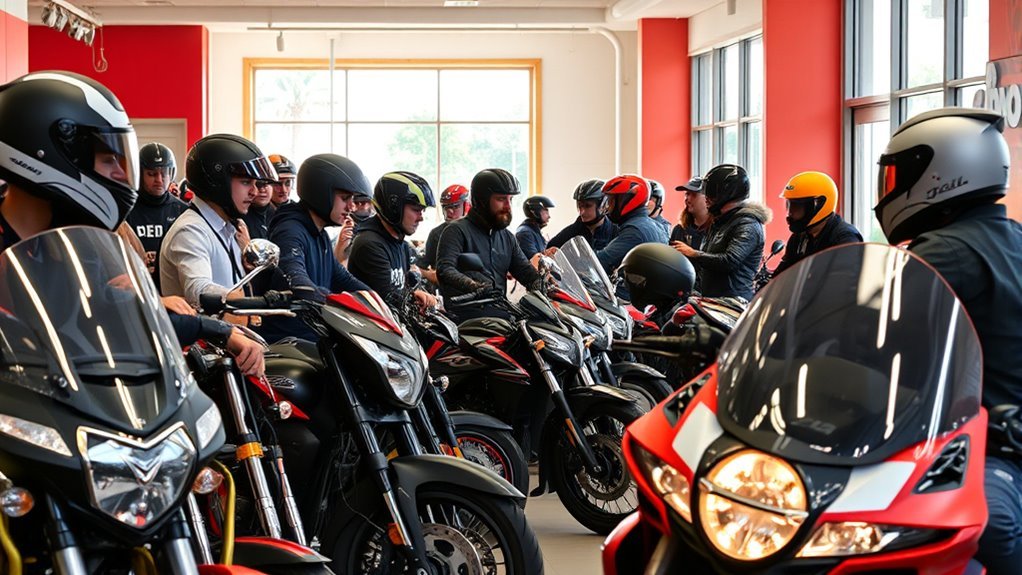
Helmet laws greatly influence motorcycle sales across various regions, shaping both consumer behavior and market dynamics. In states with strict helmet laws, you might notice a decline in sales, particularly for cruiser bikes, as riders often prefer the freedom of the open road without restrictions. Motorcycle retailers respond by adjusting their inventory, focusing on models that comply with safety regulations while appealing to those seeking style and individuality. Conversely, in regions with lenient laws, sales may soar, reflecting a strong desire for personal expression and adventure. These case studies reveal how helmet law impacts not just the numbers, but the very essence of motorcycling culture, driving retailers to adapt and thrive in varying legal landscapes.
Future Implications for the Motorcycle Industry and Legislation
As the motorcycle industry evolves, understanding the implications of helmet laws on future sales and consumer behavior becomes essential. Legislative changes will shape the future market, influencing how riders engage with their passion for freedom. Here are three key considerations:
- Consumer Choices: With varying helmet laws, riders may opt for states with fewer restrictions, impacting sales in regions with strict regulations.
- Safety Perception: Legislative changes can shift public perception about safety, affecting how potential buyers view motorcycle culture.
- Market Trends: As laws change, manufacturers may adapt their offerings, catering to a more diverse range of riders who prioritize personal choice over mandated safety gear.
Navigating these shifts will be vital for the industry’s growth and the freedom-loving spirit of motorcycling.
Frequently Asked Questions
Do Helmet Laws Affect Motorcycle Safety Statistics?
Yes, helmet laws do affect motorcycle safety statistics. When you wear a helmet, its effectiveness in reducing head injuries can’t be overstated. In regions with strict helmet laws, safety perceptions improve, leading to more riders donning helmets. This shift often correlates with lower accident-related fatalities. While some may argue against mandatory laws, the data shows that helmets save lives and enhance overall riding safety, allowing you to enjoy the freedom of the road with added protection.
How Do Helmet Laws Vary Across Different Countries?
Helmet laws vary considerably across countries, reflecting diverse attitudes toward safety and personal freedom. In some nations, like Germany, strict regulations mandate helmet use, while others, such as Italy, have more relaxed policies. When you look at helmet law comparisons, you’ll find that international helmet regulations can influence rider behavior and safety perceptions. Understanding these differences can help you appreciate the balance between individual choice and public safety in the world of motorcycling.
What Are the Penalties for Not Wearing a Helmet?
If you’re caught cruising without a helmet, you might face some serious helmet law penalties. Fines for helmet violations can vary widely, but they often range from a small sum to hefty amounts that can put a dent in your wallet. Some regions even impose points on your license or mandatory safety courses. Staying stylish and safe is key, so don’t risk those pesky penalties when you ride!
How Do Helmet Laws Influence Motorcycle Tourism?
Helmet laws can greatly influence motorcycle tourism. When you travel to states with relaxed helmet law compliance, you might feel a greater sense of freedom on the open road. However, strict helmet laws can deter some riders, impacting tourism revenue. Riders often seek destinations where they can experience the thrill without restrictions. Ultimately, regions promoting helmet law tourism can attract more enthusiasts, balancing safety with the desire for adventure.
Are There Any Exceptions to Helmet Laws in Certain States?
Like a bird soaring through open skies, you’ll find that some states offer exemptions to helmet laws, allowing riders certain freedoms. In these exemption states, you often need to meet a specific helmet age, typically 21 or older, to ride without a helmet. While these laws aim to balance safety and personal choice, they also reflect the spirit of independence that many motorcyclists cherish. So, know your state’s laws and ride wisely.
References
- https://www.nhtsa.gov/motorcycle-safety/motorcycle-helmet-use
- https://www.iihs.org/topics/motorcycles/helmet-use
- https://www.cdc.gov/motorvehiclesafety/motorcycle/index.html
- https://www.cycleworld.com/story/bikes/how-helmet-laws-affect-motorcycle-sales/
- https://www.ncbi.nlm.nih.gov/pmc/articles/PMC5408399/
- https://www.ama-cycle.org/advocacy/helmet-laws/
- https://www.motorcycleindustrycouncil.org/research/
- https://www.fhwa.dot.gov/publications/publicroads/12marapr/04.cfm