How to Clean the Inside of a Football Helmet
To clean the inside of a football helmet, start by removing the padding and using a mild soap solution to scrub the interior. This process not only ensures proper hygiene but also extends the life of the helmet, making it safer and more effective for use. Regular maintenance is critical for both performance and health, as helmets can harbor sweat, bacteria, and odors. By following a systematic cleaning approach, athletes can maintain their equipment in optimal condition, thus enhancing their overall game experience.
Gather Necessary Supplies

Before diving into the cleaning process, it’s essential to gather all necessary supplies to streamline the task and ensure thoroughness. You will need:
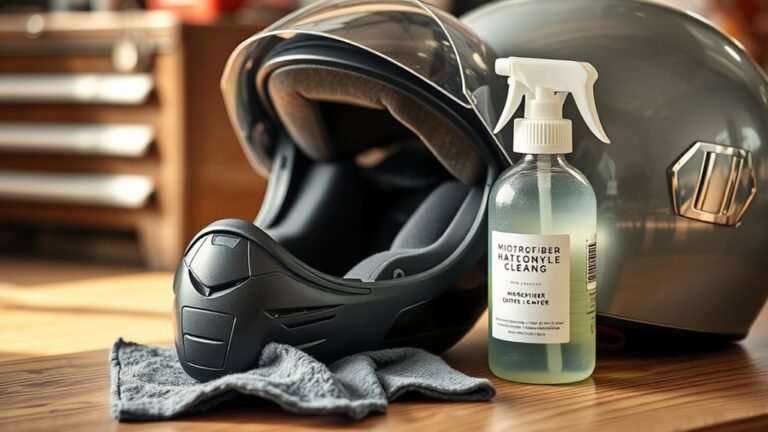
– Mild soap or helmet-specific cleaner: Opt for a gentle soap that won’t damage the helmet materials. Some manufacturers even recommend helmet-specific cleaners designed to be safe for use on interior surfaces.
– Soft cloths or sponges: These will help you scrub the interior without causing scratches or other damage to the helmet.
– Water for rinsing: Clean, fresh water is necessary to rinse away soap residue effectively.
– Towels for drying: Soft, absorbent towels will help ensure that the interior dries completely to prevent mold and odors.
Having these supplies on hand will make the cleaning process more efficient and effective, setting the stage for a successful maintenance routine.
Remove Padding and Liners


The first step in cleaning the inside of a football helmet is to carefully remove the padding and any liners. This involves a few important considerations:
– Carefully take out the removable padding from the helmet: Most modern football helmets come with padding that can be easily removed. Pay attention to how the padding is positioned within the helmet, as this will be crucial during reassembly.
– Note the placement of the padding for easy reassembly: It can be helpful to take a photo of the padding layout or make notes to ensure that you can return everything to its original position. This step is particularly important if the helmet has various padding components that could be confused during reinstallation.
Taking your time with this step prevents damage to both the helmet and the padding, ensuring that they can perform their functions optimally.
Clean the Interior Surface
Once the padding and liners have been removed, it’s time to focus on cleaning the interior surface of the helmet:
– Use a mixture of mild soap and water to clean the inside of the helmet: Mix a small amount of mild soap with warm water in a bowl. Dampen a soft cloth or sponge in the solution, making sure it is not overly saturated, as excess moisture can be detrimental to the helmet’s integrity.
– Scrub gently with a soft cloth or sponge to avoid damage: Carefully scrub the interior surfaces of the helmet, taking care to reach all the nooks and crannies where dirt and grime can accumulate. Avoid using abrasive materials, as these can scratch the helmet and compromise its protective features.
This cleaning step effectively removes sweat, dirt, and bacteria, providing a hygienic environment for the next use.
Rinse and Dry Thoroughly
After scrubbing the interior, it’s crucial to rinse and dry the helmet to prevent any lingering soap residue or moisture:
– Rinse the cleaned surfaces with fresh water to remove soap residue: Use a clean cloth dampened with fresh water to wipe down the interior surfaces. Make sure to remove all soap to avoid leaving any harmful residue that could irritate the skin during use.
– Use towels to dry the interior completely, preventing mold and odors: After rinsing, use soft towels to dry the helmet’s interior thoroughly. Make sure that no moisture remains, as this could lead to mold growth and unpleasant odors. You might consider leaving the helmet in a well-ventilated area for additional drying.
Thorough rinsing and drying are critical steps that contribute significantly to the longevity of the helmet.
Disinfect the Helmet
Once the helmet is clean and dry, the next important step is to disinfect the interior:
– Apply a disinfectant spray designed for sports equipment: Choose a disinfectant that is safe for use on sports gear and follow the manufacturer’s instructions. Spraying the interior helps eliminate any remaining bacteria and viruses that may have been missed during the cleaning process.
– Allow the disinfectant to sit for the recommended time before wiping it off: Most disinfectants require a specific dwell time to effectively kill germs. After the designated time, use a clean cloth to wipe away excess disinfectant.
Disinfecting the helmet is an essential step, especially in light of heightened awareness around hygiene and health in sports.
Reassemble the Helmet
After ensuring everything is clean and dry, proceed to reassemble the helmet:
– Once everything is dry, carefully place the padding back into the helmet: Refer to your notes or photo to ensure that each piece is correctly positioned. This will ensure that the helmet fits properly and provides the necessary protection.
– Ensure that all components are secured properly for safety: Double-check that all padding and liners are firmly in place and that no pieces are loose. A properly assembled helmet is essential for optimal safety during play.
Taking care during reassembly can prevent future accidents or injuries caused by improperly fitted equipment.
Regular Maintenance Tips
To ensure your football helmet remains in excellent condition, consider incorporating these regular maintenance tips into your routine:
– Clean your helmet regularly after games or practices: Establish a consistent cleaning schedule to prevent the buildup of sweat, dirt, and bacteria. Cleaning immediately after use can make the process easier and more effective.
– Store the helmet in a cool, dry place to avoid moisture buildup: Proper storage is equally important as cleaning. Avoid leaving the helmet in damp or humid environments, as this can promote mold growth and damage the materials.
Regularly inspecting your helmet for signs of wear and tear can also help identify any necessary repairs or replacements before they become a safety issue.
Maintaining a clean football helmet is crucial for hygiene, safety, and performance on the field. By following these detailed steps, you can ensure that your helmet remains in optimal condition, ready to protect you during every game. Regular cleaning and proper maintenance not only enhance your performance but also extend the lifespan of your equipment, making it a worthwhile investment in your athletic career.
Frequently Asked Questions
How do I clean the inside of a football helmet effectively?
To clean the inside of a football helmet, start by removing the padding and any removable liners. Use a mixture of warm water and mild soap to wipe down the interior surfaces, paying special attention to areas that may harbor sweat or bacteria. Rinse with clean water and allow the helmet to air dry completely before reassembling the padding to prevent moisture buildup.
What products should I use to disinfect the inside of a football helmet?
For disinfecting the inside of a football helmet, consider using a sports-friendly disinfectant spray or wipes designed specifically for sports equipment. Look for products that are free from harsh chemicals and safe for use on foam and plastic, such as a mixture of 70% isopropyl alcohol and water. Avoid bleach or ammonia-based cleaners, as they can damage the helmet’s materials.
Why is it important to clean the inside of a football helmet regularly?
Regularly cleaning the inside of a football helmet is crucial to maintain hygiene and prevent the buildup of sweat, bacteria, and odors, which can lead to skin irritations or infections. Additionally, a clean helmet can help ensure optimal comfort and fit during play, enhancing overall performance and safety on the field.
What is the best method to remove odors from the inside of a football helmet?
The best method to remove odors from the inside of a football helmet is to use a combination of vinegar and baking soda. Sprinkle baking soda inside the helmet and let it sit overnight to absorb odors. Then, wipe the interior with a solution of equal parts vinegar and water, followed by thorough drying. This natural approach is effective and safe for most helmet materials.
Which areas of the football helmet should I focus on when cleaning the inside?
When cleaning the inside of a football helmet, focus on the padding, chin strap, and any ventilation holes, as these areas often accumulate sweat and bacteria. Pay close attention to the forehead padding and the interior surface where the head makes contact, ensuring that all surfaces are cleaned thoroughly to maintain hygiene and comfort.
References
- https://www.ncaa.org/sports/2021/8/12/football-helmet-cleaning-and-care.aspx
- https://www.healthline.com/health/cleaning-football-helmet
- https://www.sportsmedicineweekly.com/how-to-clean-your-football-helmet/
- https://www.uh.edu/uhcl/health-and-wellness/health-tips/cleaning-football-gear/
- https://www.cdc.gov/headsup/basics/helmet-care.html
References
- https://www.ncbi.nlm.nih.gov/pmc/articles/PMC8282923/
- https://www.sportsmedicine.org.au/Portals/0/Library/Resources/Education/Football%20Helmet%20Care%20and%20Maintenance.pdf
- https://www.cdc.gov/headsup/basics/helmet.html
- https://www.mayoclinic.org/healthy-lifestyle/childrens-health/in-depth/football-safety/art-20045790
- https://www.athletictrainingtoday.com/article/view/football-helmet-disinfection-techniques-2015-2016-implementation-and-outcomes