Is It Legal? Must-Know Rules for Helmet Speakers
Having speakers in your helmet may be legal in some places, but it’s crucial to understand specific laws and regulations that vary by region. Before integrating helmet speakers into your riding gear, it’s essential to recognize the local laws that govern their use, as well as the safety implications associated with them. This article will explore the legality of helmet speakers, pertinent safety concerns, and what riders need to know before hitting the road.
Understanding Helmet Speaker Legality
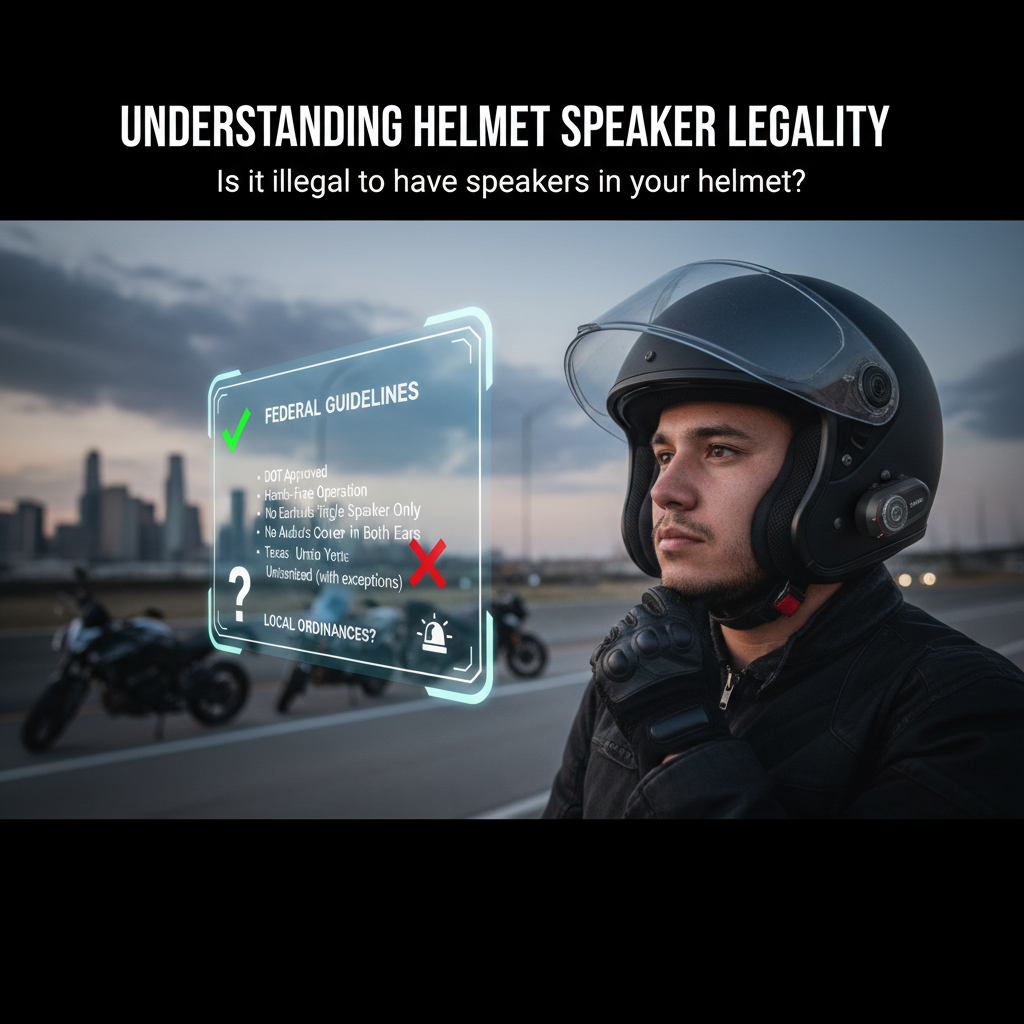
Helmet speaker laws can differ significantly across countries and states, making it essential for riders to familiarize themselves with their local regulations. In some jurisdictions, helmet speakers are permitted for communication purposes, such as hands-free calling or navigation assistance, while other areas impose restrictions due to concerns about rider safety and distraction. For instance, in states like California, while using a Bluetooth headset is legal, using speakers that impede a rider’s hearing of surrounding traffic may lead to penalties. Always check local regulations before installation, as laws can change, and what may have been permissible last year may not be today.
Safety Concerns with Helmet Speakers
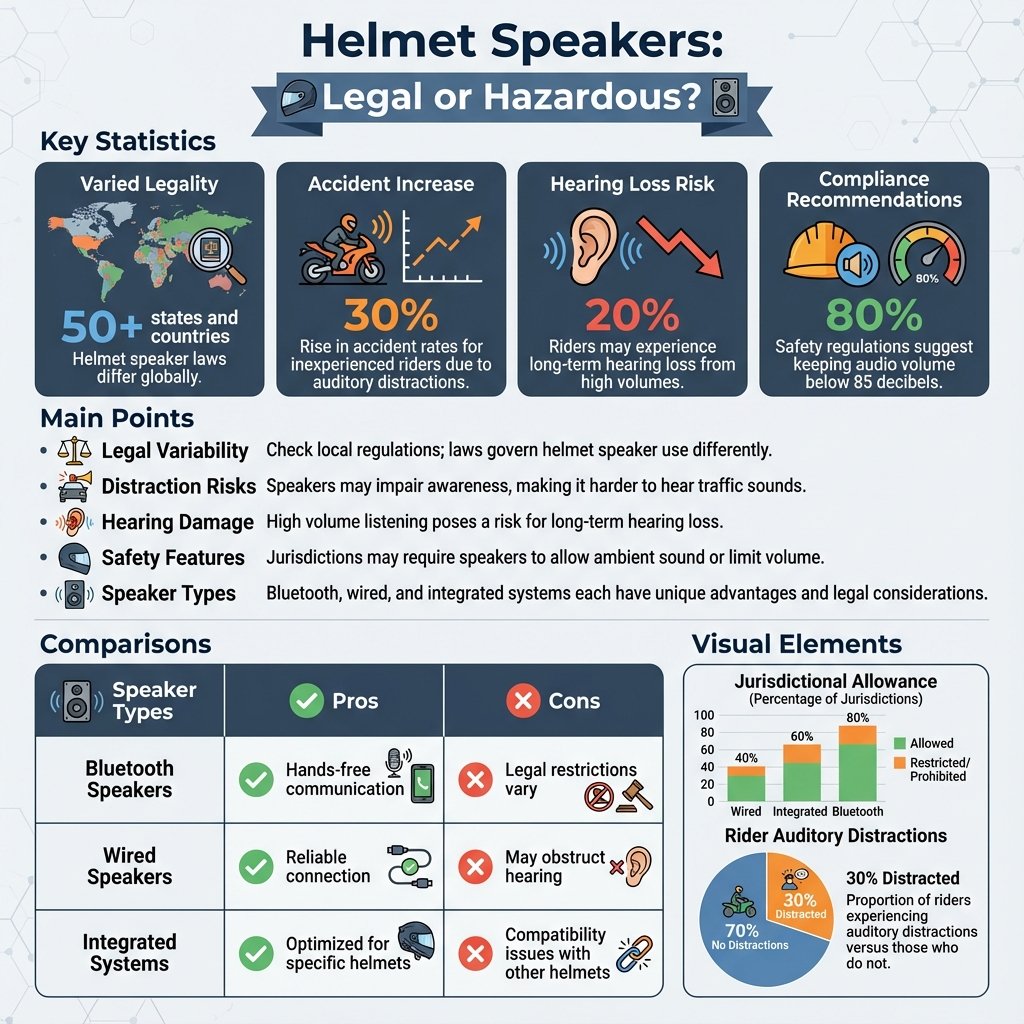
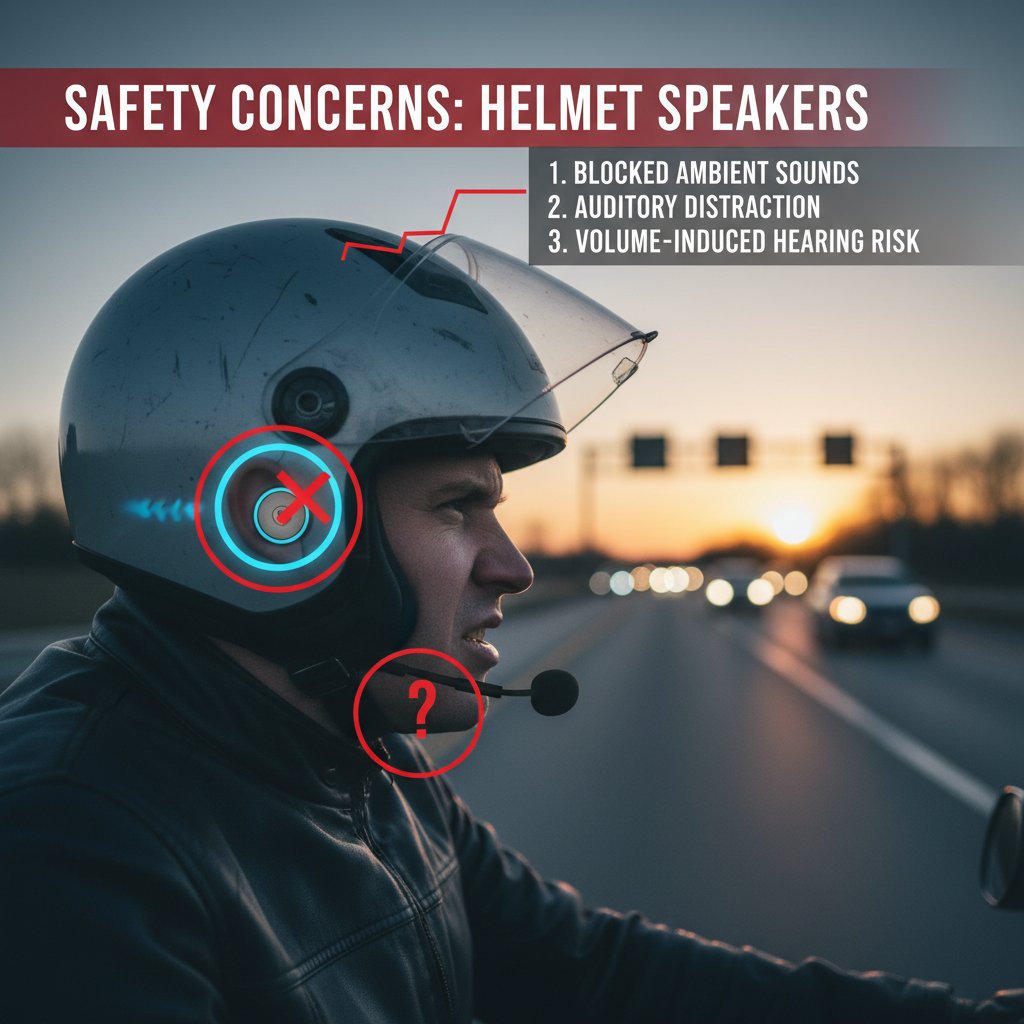
Safety concerns are paramount when considering the use of helmet speakers. One of the primary risks involves distraction; speakers can impair a rider’s awareness of their surroundings, making it harder to hear important auditory cues such as sirens, horns, or approaching vehicles. Research indicates that auditory distractions can lead to increased accident rates, particularly among inexperienced riders.
Moreover, the potential for hearing damage is another critical concern. Listening to audio at high volumes can result in long-term hearing loss, which is why many safety regulations recommend keeping the volume at a safe level to maintain situational awareness. Additionally, some jurisdictions may mandate the use of specific types of speakers that limit maximum volume levels or employ technology to ensure that ambient sounds are still audible. Riders should prioritize safety by choosing equipment that adheres to these standards.
Types of Helmet Speakers
There are several types of helmet speakers available on the market, each with its own set of advantages and disadvantages.
– Bluetooth speakers: These devices enable hands-free communication, allowing riders to connect with their smartphones for calls and navigation instructions. However, the legality of Bluetooth speakers can vary by region, so it’s important to verify local laws before use.
– Wired speakers: Generally considered safer due to their reliable connection, wired speakers can still face regulatory scrutiny, especially if they obstruct a rider’s ability to hear critical external sounds.
– Integrated speaker systems: Often designed for specific helmet types, these systems provide optimal sound quality and convenience. Riders should check compatibility with their helmets and ensure that the installation does not violate any local laws.
When Helmet Speakers Are Allowed
Helmet speakers are often permitted in controlled environments like racetracks, where the risks associated with distraction are minimized. Some states allow their use during specific activities, such as cycling or motorbiking, provided that they do not compromise the rider’s safety. However, these allowances can vary widely. For example, in some states like Florida, riders may use helmet speakers as long as they remain compliant with overall noise regulations. To avoid fines or legal repercussions, riders should always ensure compliance with local laws and regulations before using helmet speakers.
Alternatives to Helmet Speakers
If helmet speakers are not a viable option in your area or if you’re concerned about potential safety risks, several alternatives may offer a suitable solution.
– Earbuds or in-ear headphones: While they can provide good audio quality, these devices may still pose distraction risks and may not be legal in some jurisdictions. Depending on local laws, using such devices could lead to penalties.
– Voice-activated devices: These options allow for communication without the distraction of manual controls. By using voice commands, riders can maintain focus on the road while staying connected.
– Hand signals and other non-audio communication methods: For those who prioritize safety and legal compliance, hand signals remain a reliable and effective means of communication among riders, especially in group rides.
Best Practices for Using Helmet Speakers
To maximize safety when using helmet speakers, riders should adhere to several best practices. First and foremost, it is critical to keep the volume at a safe level. This allows for situational awareness and ensures that external sounds remain audible.
Additionally, using speakers specifically designed for your helmet type can enhance safety and comfort. Many manufacturers produce helmet speakers that integrate seamlessly with their helmets, ensuring that sound quality does not compromise safety features.
Lastly, regularly checking local laws is essential to remain compliant with any updates or changes. Laws can evolve, and staying informed will help riders avoid fines and ensure a safe riding experience.
In summary, while having speakers in your helmet may not be illegal in many areas, there are specific regulations and safety concerns you should be aware of. Riders must stay informed about local laws, understand the potential risks associated with helmet speakers, and consider alternative communication methods when necessary. By prioritizing safety and compliance, riders can enjoy a more secure and enjoyable riding experience.
References
- https://www.nhtsa.gov/equipment/helmet-speakers
- https://www.helmetlaws.com/
- https://www.ama-cycle.org/
- https://www.oregon.gov/odot/Forms/DMV/26.pdf
- https://www.aaafoundation.org/
- https://www.ncbi.nlm.nih.gov/pmc/articles/PMC6656718/
- https://www.who.int/news-room/fact-sheets/detail/road-traffic-injuries
- https://www.iihs.org/topics/motorcycle-helmet-use


