The Must-Know Reasons Your Infant Needs a Helmet
Many infants require helmets for various medical reasons, primarily to correct or prevent flat head syndrome (plagiocephaly) and other cranial deformities. These helmets not only help reshape the skull but also provide protection for babies who are particularly active or at risk of head injuries. By understanding the essential reasons behind their use, parents can make informed decisions that positively impact their child’s health and development.
Understanding Flat Head Syndrome
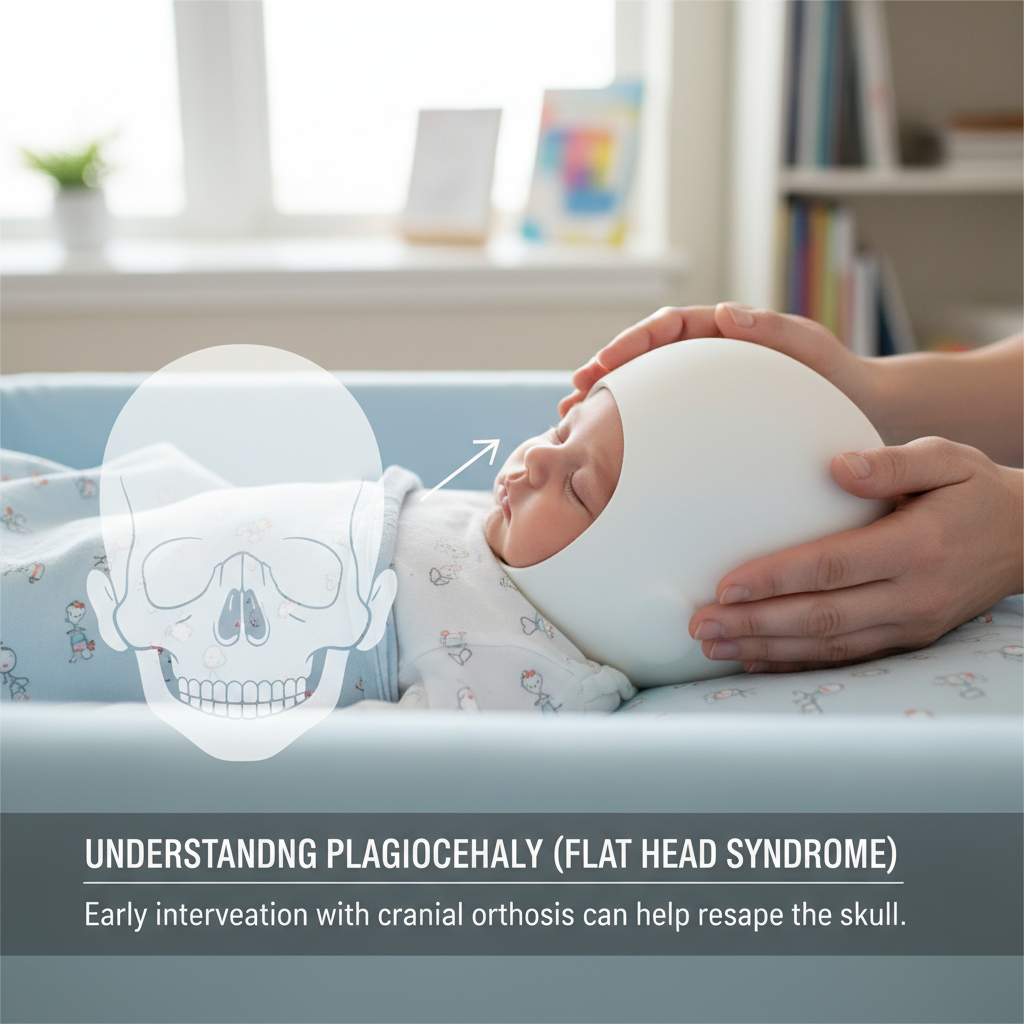
Flat head syndrome, medically known as plagiocephaly, occurs when a baby’s skull develops a flat spot due to prolonged pressure on one area. This condition is increasingly common with the rise in back sleeping, a safe sleep practice recommended by pediatricians to reduce the risk of Sudden Infant Death Syndrome (SIDS). While placing infants on their backs is crucial for safety, it can sometimes lead to flattening of the head, especially if the baby spends excessive time in one position.
Helmets can help reshape the skull by applying gentle pressure to the areas that need to grow more, allowing for a more rounded head shape as the child grows. The helmet works by creating a mold that directs the growth of the skull into a more normal shape, which can be particularly effective during the first year of life when the skull is most malleable. Studies have shown that early intervention with helmet therapy can result in significant improvements in head shape and overall cranial symmetry, leading to better developmental outcomes.
When to Consider a Helmet
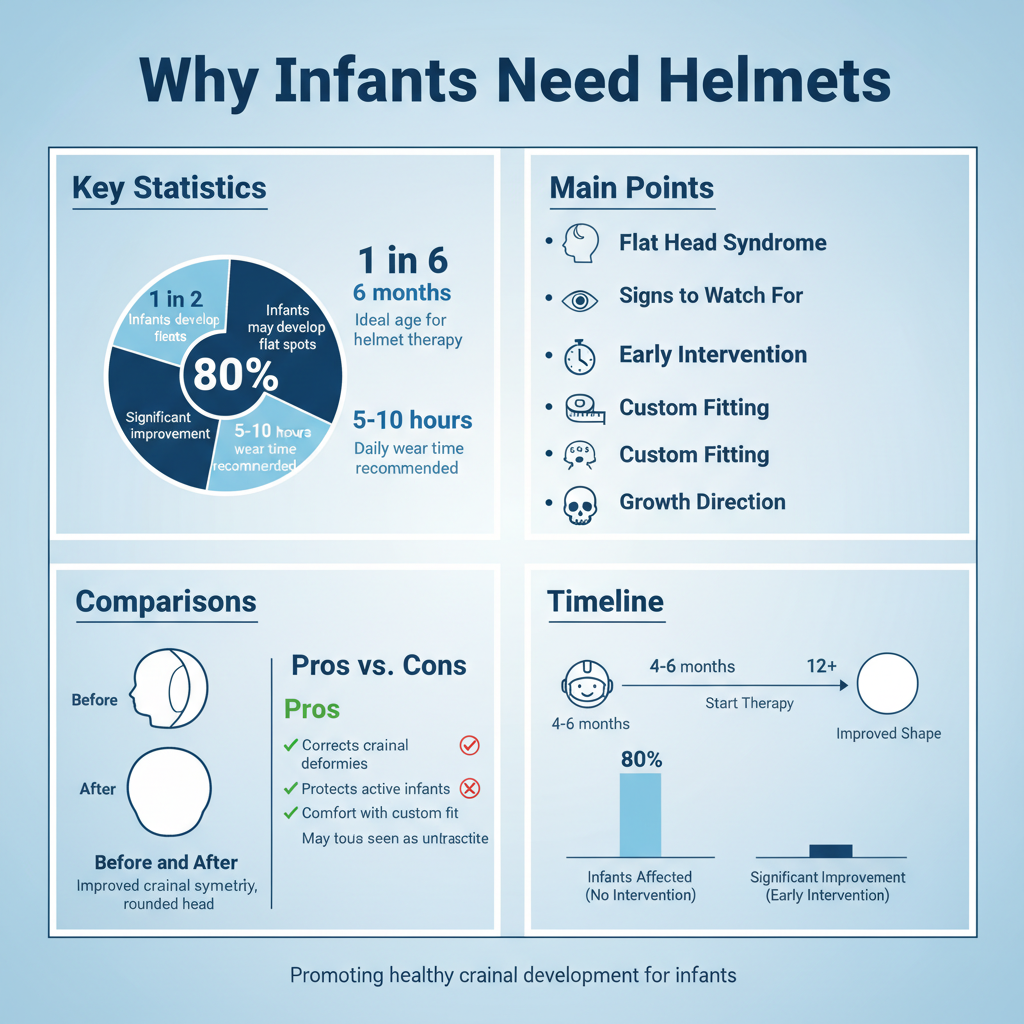

Parents should consider a helmet if they notice signs of asymmetrical head shape or persistent flat spots on their infant’s head. Early signs can include an uneven appearance when viewed from above, or the presence of a flat area on one side of the head. If these characteristics are observed, it is essential to consult a pediatrician or a specialist in pediatric craniofacial care.
Early intervention is key; the best time for a helmet is typically between 4 to 6 months of age, when the skull is still soft and can be molded effectively. Waiting too long can limit the helmet’s effectiveness, as the skull becomes less pliable with age. A timely assessment can lead to prompt treatment, which is crucial in achieving the best possible outcomes for your child’s cranial development.
How Helmets Work
Helmets are designed to allow for normal growth while gently directing the skull’s development. They are typically made from lightweight, breathable materials that ensure comfort for the baby. A pediatric specialist custom-fits the helmet to the infant’s head, ensuring that it applies pressure only to the appropriate areas while allowing room for growth in others.
The mechanism of action for these helmets involves creating a controlled environment for the skull to grow in a more rounded shape. As the baby wears the helmet, the pressure on the flat areas stimulates growth in those regions while allowing the naturally rounded areas to remain unchanged. This results in a more symmetrical head shape over time, often within a few months of consistent use.
Common Misconceptions About Helmet Use
Many parents believe that helmets are only necessary for severe cases of flat head syndrome. This is a misconception. In fact, early treatment can prevent more serious issues down the line, such as developmental delays or facial asymmetry. By addressing flat head syndrome proactively, parents can significantly reduce the risk of long-term consequences.
Another common myth is that helmets are uncomfortable for infants. In reality, most babies adapt well to wearing them. Pediatric specialists emphasize that while there may be an adjustment period, the helmets are designed with comfort in mind, and many infants wear them without issue. Parents frequently report that their children become accustomed to the helmets quickly, allowing them to continue their daily activities without interruption.
Safety and Care Tips
For a helmet to be most effective, it should be worn for the recommended duration, often 23 hours a day. This consistent use is crucial in ensuring that the skull can mold correctly and achieve the desired shape. Parents should establish a routine that incorporates helmet wear seamlessly into the baby’s daily life, such as during playtime and naptime.
Regular cleaning and monitoring for skin irritation are essential components of helmet care. Helmets should be cleaned daily using mild soap and water to prevent skin issues such as rashes or infections. Additionally, parents should check their child’s skin regularly for any signs of irritation or discomfort, as early detection can allow for timely intervention and adjustment.
Expert Opinions and Testimonials
Pediatricians and specialists often recommend helmets based on individual assessments of the infant’s head shape and growth patterns. These professionals emphasize the importance of personalized treatment plans, as each case of flat head syndrome can vary significantly. They assess not only the severity of the condition but also the overall health and developmental needs of the child.
Parents who have used helmets frequently report positive outcomes and improvements in their child’s head shape. Many share testimonials of their experiences, highlighting the emotional relief they felt after seeing visible changes in their child’s cranial development. In various studies, parents noted improvements not only in head shape but also in their child’s overall confidence and comfort as they grew.
Making the Decision
When considering whether a helmet is the right choice for your infant, it is essential to consult with a pediatrician or specialist who can provide a thorough evaluation. They can guide you through the decision-making process, weighing the potential benefits against any perceived inconveniences.
Parents should also consider the long-term implications of helmet therapy. The benefits of an improved head shape and the prevention of future developmental issues often outweigh the temporary inconvenience of helmet use. Taking action early can lead to the best outcomes, ensuring that your child develops healthily and confidently.
In conclusion, understanding the need for helmets can significantly impact your infant’s health and development. If you notice signs of flat head syndrome or have concerns about your baby’s head shape, consult a healthcare professional to explore your options. Don’t delay—early intervention can lead to the best outcomes! By being proactive and informed, you can ensure your child’s cranial development remains on the right track.
Frequently Asked Questions
Why would an infant need a helmet for positional plagiocephaly?
An infant may need a helmet for positional plagiocephaly, commonly known as flat head syndrome, if their head shape is significantly flat on one side due to prolonged pressure. This condition can develop when babies spend a lot of time lying on their backs, particularly in the first few months of life. A corrective helmet is designed to gently reshape the skull as the baby grows, promoting healthier head development and preventing potential issues with cranial symmetry.
How does a cranial helmet help in treating flat head syndrome in infants?
A cranial helmet helps treat flat head syndrome by applying gentle pressure to the areas of the skull that are bulging while allowing more room for growth in flattened areas. This method encourages the natural growth of the skull over time, resulting in a more symmetrical head shape. Typically, helmets are worn for several months, and regular follow-up appointments with a specialist ensure the helmet is adjusted as needed to accommodate the baby’s growth.
What are the signs that an infant might need a helmet?
Signs that an infant might need a helmet include noticeable flat spots on the back or sides of the head, a head that appears asymmetrical, or if the infant exhibits a preference for turning their head to one side. Additionally, if parents or caregivers observe that their baby’s head shape does not improve with repositioning techniques or tummy time, it may be beneficial to consult a pediatrician or a specialist for an evaluation regarding helmet therapy.
Which types of helmets are available for infants, and how do they differ?
There are primarily two types of helmets available for infants: the custom-molded helmet and the soft foam helmet. Custom-molded helmets are tailored to the baby’s specific head shape and provide precise correction, while soft foam helmets are more lightweight and flexible but may not offer as much targeted correction. Pediatric specialists can recommend the best option based on the severity of the condition and the infant’s individual needs.
What is the typical duration for which an infant wears a helmet, and how is it monitored?
The typical duration for which an infant wears a helmet ranges from three to six months, depending on the severity of the condition and the child’s growth rate. Helmets are generally worn for 23 hours a day, with regular check-ups scheduled every few weeks to monitor progress. During these appointments, adjustments are made to ensure the helmet fits properly and maximizes effectiveness in reshaping the skull.
References
- https://www.ncbi.nlm.nih.gov/pmc/articles/PMC5845866/
- https://www.healthychildren.org/English/health-issues/conditions/head-injuries/Pages/Helmet-Treatment-for-Plagiocephaly.aspx
- https://www.cdc.gov/ncbddd/childdevelopment/positiveparenting/infants.html
- https://www.mayoclinic.org/diseases-conditions/plagiocephaly/diagnosis-treatment/drc-20342038
- https://www.aap.org/en/patient-care/parenting/helmet-therapy-for-infants/
- https://www.verywellfamily.com/what-is-plagiocephaly-4175543
- https://www.healthychildren.org/English/health-issues/conditions/head-injuries/Pages/Helmet-Treatment-for-Plagiocephaly.aspx
References
- https://www.cdc.gov/ncbddd/childdevelopment/positiveparenting/infants.html
- https://www.aap.org/en/patient-care/healthy-children/
- https://www.nichd.nih.gov/health/topics/childdev/conditioninfo/treatment
- https://www.mayoclinic.org/healthy-lifestyle/infant-and-toddler-health/in-depth/infant-helmet-therapy/art-20046556
- https://www.ncbi.nlm.nih.gov/pmc/articles/PMC4650792/
- https://www.healthychildren.org/English/ages-stages/baby/Pages/Plagiocephaly-Positional-Plagiocephaly.aspx
- https://www.orthobullets.com/pediatrics/2000/plagiocephaly
- https://www.webmd.com/children/news/20080317/helmets-for-infants-what-you-should-know
- https://www.healthychildren.org/English/ages-stages/baby/Pages/Plagiocephaly.aspx