The Must-Know Secrets of Turtle Helmet Air Capacity
Turtle helmets can typically hold around 1 to 2 liters of air, depending on their design and size. This essential knowledge helps turtle owners ensure their pets are comfortable and safe while enjoying aquatic adventures. Understanding the air capacity of turtle helmets is crucial for maintaining optimal conditions for your turtle’s well-being. In this article, we’ll explore the factors affecting air capacity, maintenance tips, and more to keep your turtle thriving in its aquatic environment.
Understanding Turtle Helmet Design

Turtle helmets come in various designs, each tailored to support different species and sizes of turtles. Generally, helmets designed for larger turtles will have a greater air capacity, accommodating their larger lung volume. Helmets made of materials such as lightweight plastics or silicone offer better buoyancy and comfort, allowing turtles to swim freely without feeling weighed down. For instance, a helmet designed specifically for a red-eared slider may incorporate a streamlined shape that minimizes water resistance while providing ample air space.
The design features, including the helmet’s shape, size, and the inclusion of ventilation holes, also significantly impact air capacity. A well-ventilated helmet can facilitate airflow, allowing the turtle to breathe effortlessly while submerged. Additionally, helmets with adjustable straps can ensure a snug fit, preventing water from entering and maintaining the air supply within the helmet.
Importance of Air Capacity for Turtles
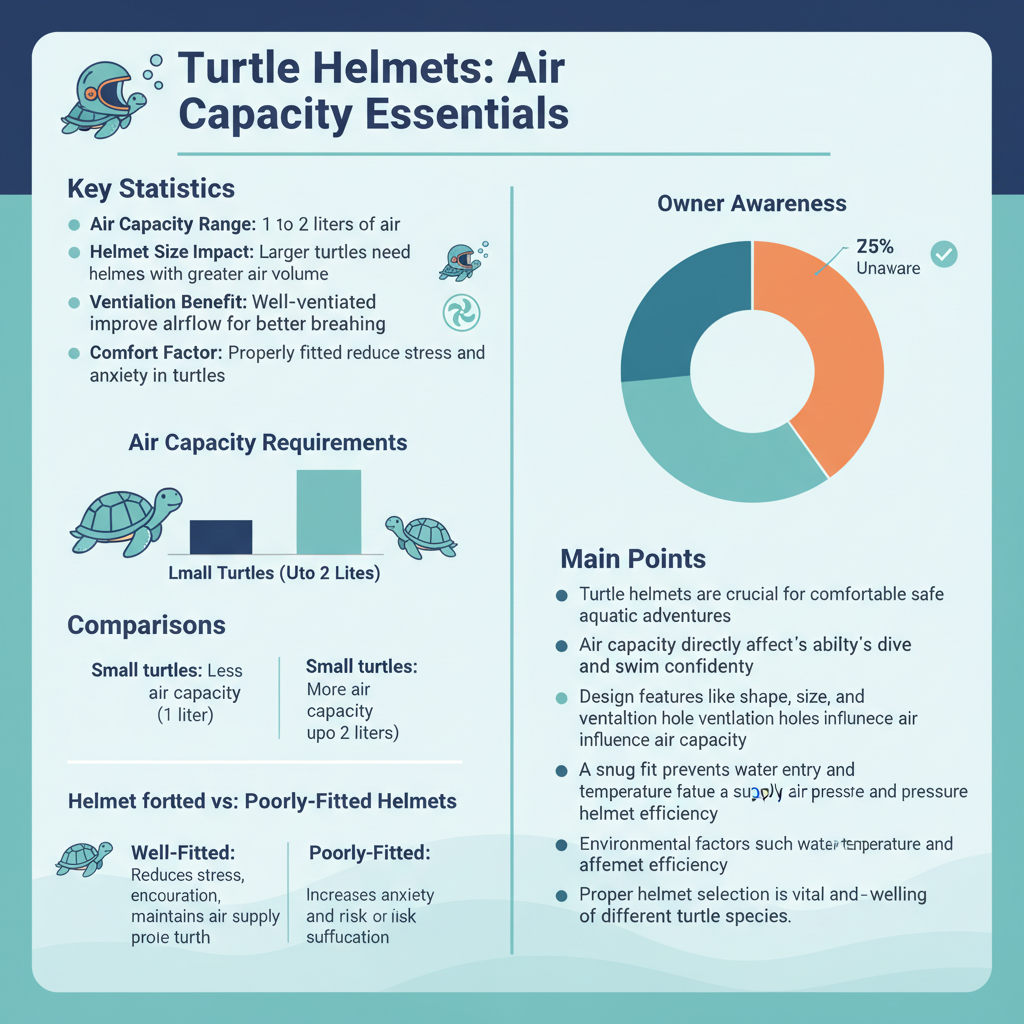
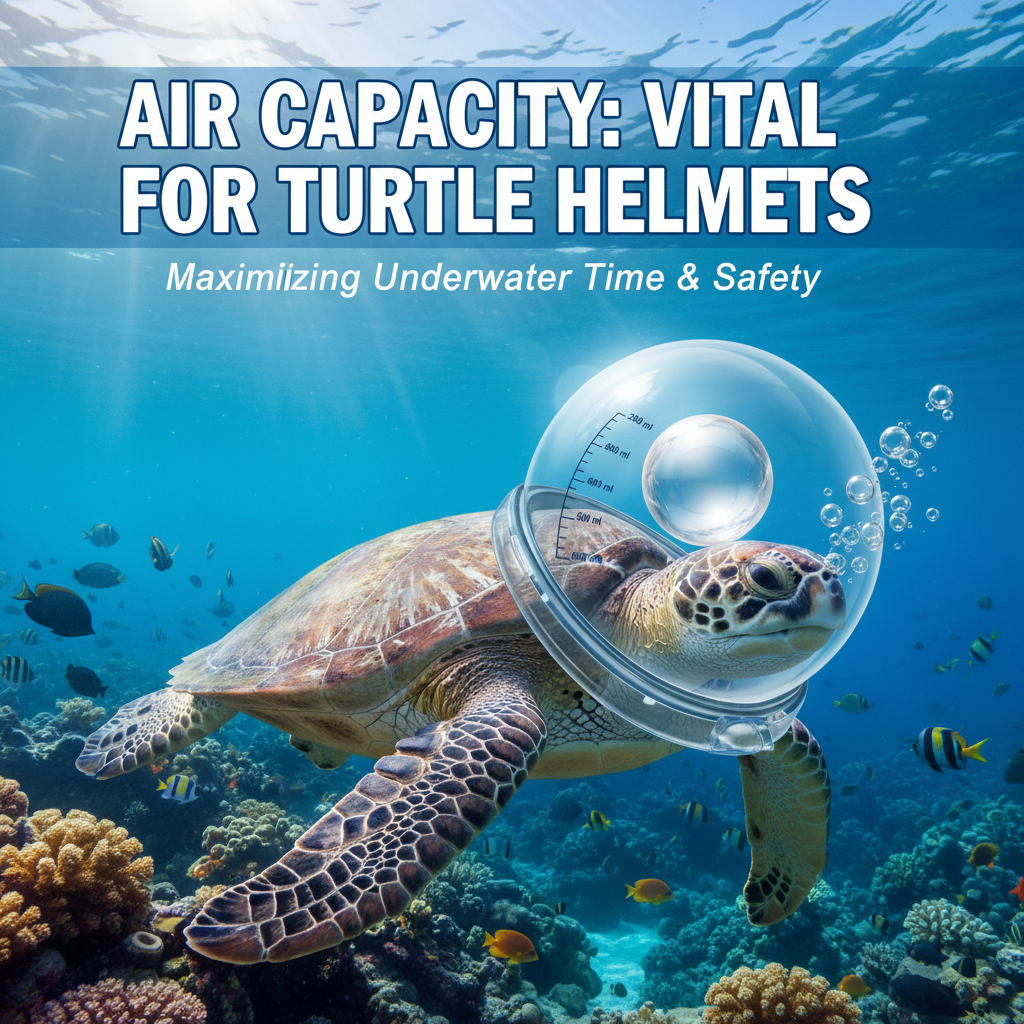
Air capacity is vital for turtles as it directly influences their ability to breathe effectively and remain comfortable during aquatic activities. A helmet with an adequate air supply allows turtles to swim confidently and explore their environment without the risk of suffocation. When a turtle has sufficient air, it can engage in more prolonged diving and swimming sessions, which are essential for their physical health and mental stimulation.
Moreover, a well-fitted helmet provides a sense of security for the turtle, reducing stress during water activities. Turtles are sensitive creatures, and a helmet that fits poorly can lead to anxiety, impacting their overall behavior and health. By ensuring that the helmet has the right air capacity and is properly fitted, turtle owners can create a safer and more enjoyable aquatic experience.
Factors Influencing Air Volume
Several factors influence the air volume that a turtle helmet can contain. Firstly, the size and age of the turtle are significant considerations. Younger turtles or smaller species will require less air volume than larger, older turtles. For example, a fully grown snapping turtle will need a helmet with a greater air capacity compared to a hatchling.
Environmental factors also play a crucial role. Water temperature and pressure can significantly affect how air is held within the helmet. Warmer water can cause the air to expand, while cooler temperatures can lead to contraction, thus altering the effective air volume available to the turtle. Additionally, the depth at which the turtle is swimming can impact the pressure on the helmet, affecting the comfort and breathing ease of the turtle. Understanding these nuances is essential for turtle owners to ensure the necessary adjustments are made according to the specific conditions.
Maintenance Tips for Your Turtle Helmet
To ensure that your turtle helmet functions correctly and maintains its air capacity, regular maintenance is essential. Begin by routinely inspecting the helmet for leaks or signs of wear and tear. A small crack or hole can significantly reduce the helmet’s efficacy, leading to potential dangers for your turtle.
Cleaning the helmet is equally important to prevent algae buildup, which can obstruct air flow and reduce the helmet’s air capacity. Use a gentle scrub brush and a mixture of water and vinegar to effectively clean the helmet while being cautious not to damage any components. After cleaning, rinse thoroughly to eliminate any residual cleaning solution. Additionally, store the helmet in a cool, dry place when not in use to prevent any warping or damage from environmental factors.
Signs of Insufficient Air in Turtle Helmets
Monitoring your turtle’s behavior is key to identifying potential air issues with their helmet. Signs of distress, such as erratic swimming patterns or prolonged periods of inactivity, can indicate that the helmet is not providing adequate air supply. If your turtle exhibits rapid breathing or appears to struggle to stay buoyant, these may also be indicators of insufficient air in the helmet.
It’s important for turtle owners to be vigilant and responsive to these signs. If you notice any of these behaviors, promptly check the helmet for leaks or consider adjusting the fit. In some cases, it may be necessary to temporarily remove the helmet to allow the turtle to breathe freely until the issue can be resolved.
Best Practices for Aquatic Adventures
To ensure a safe and enjoyable experience for your turtle during aquatic adventures, several best practices should be followed. First and foremost, always ensure that the helmet is properly fitted before each use. A good fit not only prevents water from entering but also maximizes the air capacity available to the turtle.
Limiting the duration of helmet use is also critical to avoid fatigue. While turtles enjoy exploring their surroundings, long periods with restricted air can lead to stress. Consider setting time limits based on your turtle’s size and behavior, taking regular breaks to allow for natural swimming without the helmet. Additionally, always supervise your turtle during these activities to ensure their safety and well-being.
FAQs About Turtle Helmets and Air Capacity
Turtle owners often have numerous questions regarding turtle helmets and their air capacity. Common inquiries might include: “How often should I clean my turtle’s helmet?” or “What size helmet is suitable for my turtle?” It’s essential to address these concerns to ensure proper care.
For instance, cleaning should be done weekly or bi-weekly, depending on the frequency of use and water conditions. When selecting a helmet, consider your turtle’s species and size, ensuring that it has enough air capacity while also providing comfort and safety. Engaging with experts and other turtle owners can provide further insights and support to enhance your turtle care practices.
In conclusion, understanding how much air a turtle helmet holds is crucial for ensuring the health and comfort of your pet. By following the tips and insights shared in this article, you can create a safer and more enjoyable aquatic experience for your turtle. Regular maintenance, attention to your turtle’s behavior, and adherence to best practices will help you provide the best care possible. Don’t hesitate to share your experiences and ask questions in the comments, as the turtle community thrives on shared knowledge and support.
Frequently Asked Questions
How much air does a turtle helmet hold?
The air capacity of a turtle helmet varies depending on the specific design and size, but on average, these helmets can hold between 1.5 to 3 liters of air. This volume is typically sufficient to provide buoyancy for the user while maintaining comfort and safety during water activities, such as snorkeling or scuba diving.
What factors influence the air capacity of a turtle helmet?
Several factors can influence the air capacity of a turtle helmet, including the helmet’s size, shape, and intended use. Helmets designed for different activities, such as diving or recreational snorkeling, may have varying air chambers. Additionally, the materials used in the construction of the helmet can affect its overall buoyancy and air-holding capability.
Why is it important to know how much air a turtle helmet holds?
Understanding the air capacity of a turtle helmet is crucial for ensuring safety and effectiveness in underwater activities. Adequate air volume contributes to buoyancy, preventing users from sinking and allowing for better maneuverability. Knowing the air capacity also helps users select the right helmet for their needs, ensuring a comfortable and enjoyable experience while engaging in aquatic adventures.
Which turtle helmet is best for beginners based on air capacity?
For beginners, the best turtle helmet is one that balances sufficient air capacity with ease of use. The “Turtle Dive Pro” model, for example, holds about 2.5 liters of air, providing ample buoyancy and stability. This helmet is also designed with comfort and visibility in mind, making it an ideal choice for novice divers or snorkelers who need a reliable and forgiving option.
How can I maintain the air capacity of my turtle helmet?
To maintain the air capacity of your turtle helmet, it’s essential to regularly inspect it for any signs of wear, damage, or leaks. Proper cleaning after each use, especially in saltwater, can prevent corrosion and prolong the life of the helmet. Additionally, storing the helmet in a cool, dry place away from direct sunlight can help preserve its materials and ensure optimal air retention for future use.
References
- https://en.wikipedia.org/wiki/Turtle
- https://www.seewinter.com/learn/turtles/
- https://www.fws.gov/species/sea-turtle
- https://www.nwf.org/Educational-Resources/Wildlife-Guide/Reptiles/Sea-Turtles
- https://www.ncbi.nlm.nih.gov/pmc/articles/PMC3957346/
- https://www.amnh.org/research/paleontology
- https://www.arkive.org/green-turtle/chelonia-mydas/
- https://www.seaturtles.org/
- https://www.usgs.gov/centers/patuxent-wildlife-research-center
- https://www.sciencedirect.com/topics/agricultural-and-biological-sciences/sea-turtle
References
- https://en.wikipedia.org/wiki/Turtle
- https://www.ncbi.nlm.nih.gov/pmc/articles/PMC7151951/
- https://www.nationalgeographic.com/animals/reptiles/facts/turtles
- https://www.usgs.gov/centers/whcmsc/science/turtle-habitat-research
- https://www.fws.gov/species/sea-turtle
- https://www.amnh.org/research/paleontology
- https://www.sciencedirect.com/science/article/pii/S0960982214004968
- https://www.conservation.org/priorities/turtles
- https://www.seaturtle.org/
- https://www.audubon.org/news/what-you-need-know-about-sea-turtles